Key Themes in The Only One Left
- unsolved family massacre
- gothic mansion decay
- disgraced caregiver
- wrongful accusation
- intergenerational trauma
Quotes from The Only One Left
some crimes - whether proven or not - become permanent stains.
The house itself seems to be slowly dying.
luxury and neglect coexist in uncomfortable harmony.
is Lenora truly as helpless as she appears?
Her words hang in the air like a noose.
Characters in The Only One Left
- Kit McDeereA disgraced caregiver accused of medical neglect
- Lenora HopeInfamous sole survivor of a 1929 family massacre
- Mrs. BakerThe severe and long-serving housekeeper
- Mr. GurlainThe health agency owner who hires Kit
- CarterThe handsome groundskeeper of Hope's End
Download Summary of The Only One Left
Get the The Only One Left summary as a free PDF or EPUB. Print it or read offline anytime.
FAQs About This Book
The Only One Left follows home health aide Kit McDeere, who becomes the caregiver for 71-year-old Lenora Hope, a woman accused of murdering her entire family in 1929. Set in a decaying 36-room mansion on a Maine cliff, the thriller unravels dark family secrets through a typewritten confession. As Kit investigates the decades-old murders, she discovers shocking identity switches, hidden pregnancies, and dangerous truths that put her own life at risk.
Riley Sager is the pen name of Todd Ritter, a New York Times bestselling American thriller novelist from Pennsylvania who now lives in Princeton, New Jersey. Sager has published nine novels including Final Girls (2017), The Last Time I Lied (2018), Lock Every Door (2019), Home Before Dark (2020), Survive the Night (2021), The House Across the Lake (2022), Middle of the Night (2024), and With a Vengeance (2025). Before becoming a full-time novelist, Ritter worked as a journalist, editor, and graphic designer.
The Only One Left is perfect for readers who enjoy Gothic mysteries, unreliable narrators, and atmospheric thrillers set in decaying mansions. Fans of Riley Sager's previous works like Home Before Dark and Lock Every Door will appreciate the suspenseful twists and dark family secrets. This thriller appeals to readers who love stories with multiple timelines, identity reveals, and complex character relationships that challenge assumptions about guilt and innocence.
The Only One Left delivers the signature Riley Sager experience with its atmospheric setting, clever plot twists, and mounting suspense that keeps readers guessing until the final pages. The dual narrative structure—combining Kit's present-day investigation with Lenora's typewritten confession—creates compelling tension as secrets gradually unfold. While some readers may find certain twists predictable, the Gothic mansion setting, identity switches, and emotional character journeys make The Only One Left a satisfying addition to Sager's thriller catalog.
The central revelation in The Only One Left is that the woman everyone believes to be Lenora Hope is actually her sister Virginia, while the real Lenora has been posing as the housekeeper Mrs. Baker for decades. This identity switch occurred after Virginia survived a suicide attempt following the 1929 murders, becoming paralyzed and mute. The twist deepens when Virginia reveals she's been able to move and speak the entire time, having deceived everyone for over fifty years.
In The Only One Left, the Hope family murders were not committed by a single person but resulted from a tragic chain of events. Virginia's mother stabbed her husband while defending Virginia after learning he'd paid off her boyfriend and taken her baby. Virginia's lover Ricky (revealed to be Kit's father Patrick) then killed Virginia's mother at her own request on the grand stairway. Virginia herself was innocent but took the blame, while Lenora manipulated the crime scene to protect her sister.
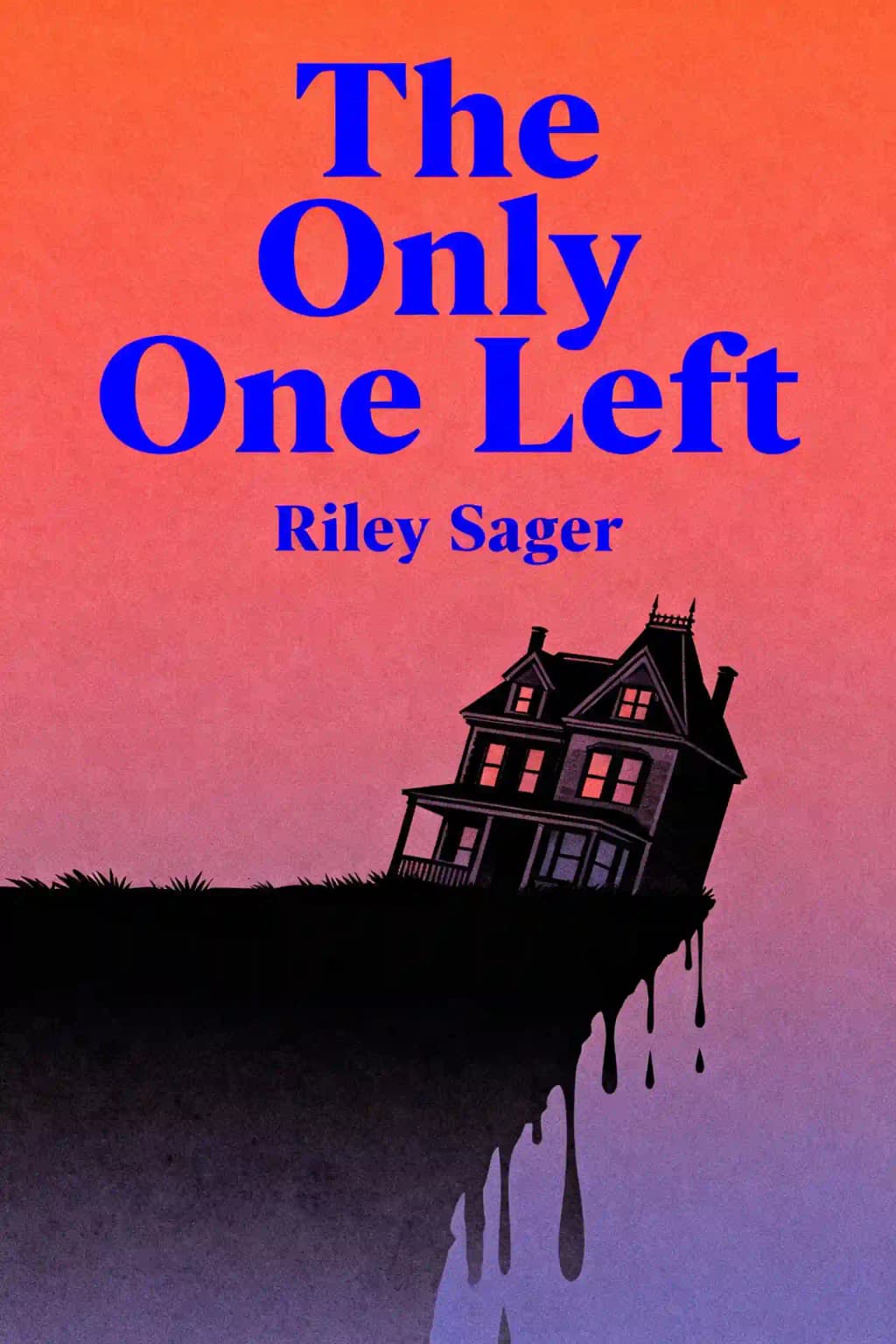
Hope's End is the 36-room Hope family estate perched dramatically on a cliff overlooking the Maine coastline, serving as the atmospheric setting for The Only One Left. Once impressive but now rapidly deteriorating after decades of neglect, the mansion embodies Gothic decay with strange noises, hidden secrets, and a sinister history. The estate ultimately collapses into the sea during the novel's climax, taking the real Lenora Hope and Kit's father Ricky with it as they choose to die together in the ruins.
Kit McDeere's connection to the Hope family tragedy runs deeper than she initially realizes—her father Patrick is actually "Ricky," the teenage lover who impregnated Virginia Hope in 1929 and participated in the murders. This makes Kit the half-sister of Virginia's lost son, creating an unexpected familial bond between caregiver and patient. Patrick later killed Kit's predecessor Mary to protect his secrets and allowed Kit's mother Kathleen to overdose on fentanyl, tragedies that haunt Kit throughout The Only One Left.
The Only One Left explores themes of guilt, identity, and the stories society tells about women accused of violence. Riley Sager examines how assumptions about innocence can persist for decades, trapping people in false identities and preventing them from living authentic lives. The novel also delves into maternal loss, class divides between servants and wealthy families, and the destructive nature of family secrets that span generations. The crumbling mansion serves as a metaphor for lies that eventually collapse under their own weight.
The Only One Left shares Riley Sager's signature elements—atmospheric settings, unreliable narrators, and jaw-dropping twists—seen in novels like Home Before Dark and Lock Every Door. Unlike the summer camp setting of The Last Time I Lied or the apartment building of Lock Every Door, The Only One Left embraces full Gothic mansion horror with its cliff-side estate. The dual timeline structure resembles Home Before Dark, while the caregiver-patient dynamic offers a fresh angle on Sager's exploration of women blamed for crimes they may not have committed.
The Only One Left concludes with Hope's End collapsing into the sea, killing both the real Lenora Hope and Kit's father Ricky, who choose to die together in the mansion. Kit rescues Virginia and brings her to live in Kit's childhood home, where they build a friendship. Three months later, Virginia reveals through a letter that she could always move and speak, then invites Kit to travel the world with her and Jessie (Virginia's granddaughter). The novel ends with Virginia's obituary after she dies at age 101, having finally lived freely.
The playground rhyme about Lenora Hope is a haunting piece of local folklore that has echoed through Kit McDeere's Maine hometown for decades, summarizing the community's belief in Lenora's guilt for murdering her family in October 1929. While the exact words aren't provided in the novel's details, this childhood chant represents how society permanently branded a young woman as a killer based on circumstantial evidence and assumptions. The rhyme's persistence shows how narratives about accused women become immortalized in popular culture, regardless of actual truth.