Chapter 1
The Psychopath Among Us: Unmasking the Charming Predator
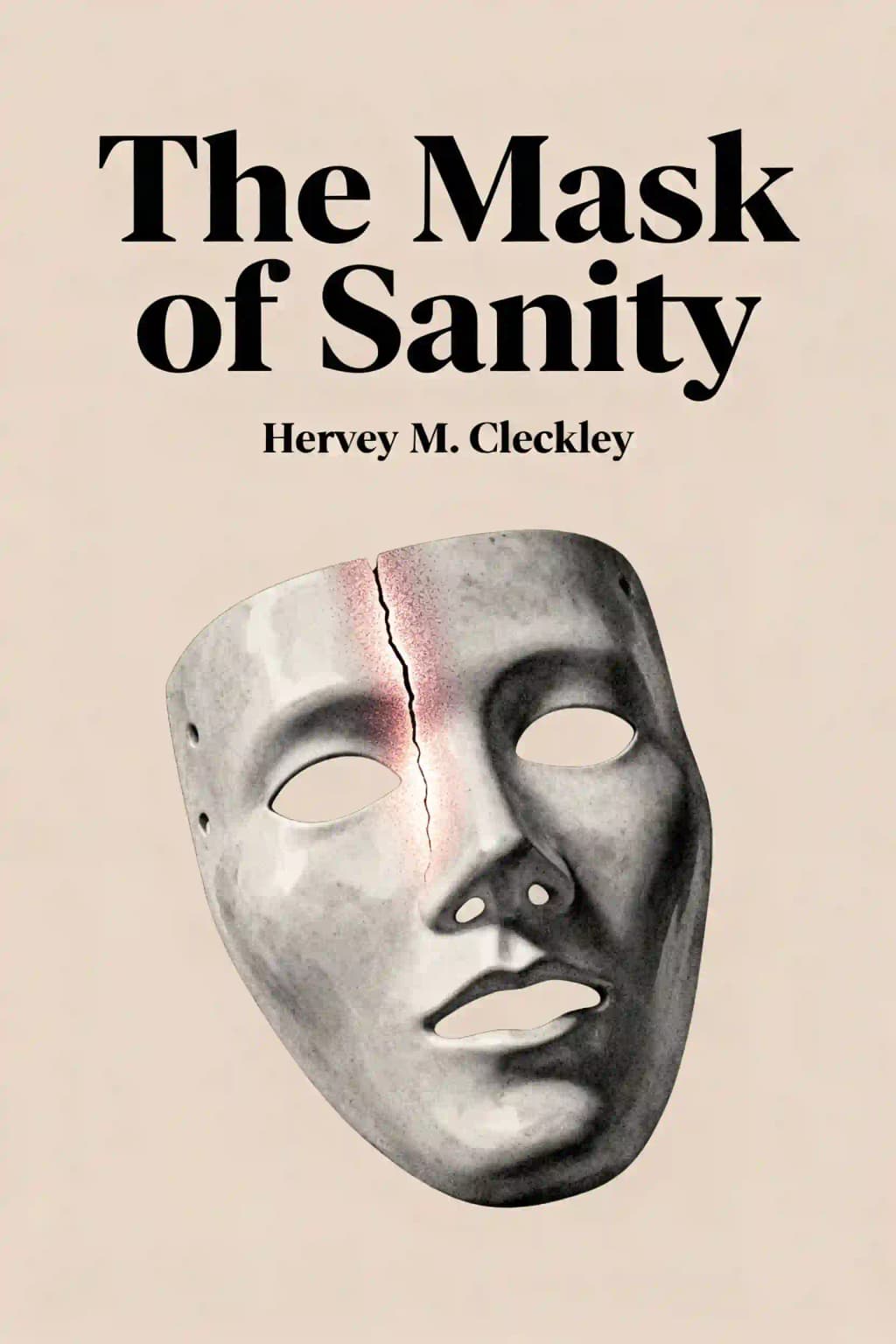
The Mask of Sanity stands as one of the most influential works in psychiatric literature, yet remains surprisingly unknown to the general public. Dr. Hervey Cleckley's groundbreaking exploration of psychopathy has quietly shaped our understanding of these dangerous yet often charming individuals who walk among us. When first published in 1941, the book sent shockwaves through the psychiatric community by challenging conventional wisdom about mental illness. What makes this work particularly fascinating is how it continues to influence modern understanding of antisocial personality disorder, with researchers like Robert Hare building directly on Cleckley's foundation. Celebrities from Jon Ronson to M. Night Shyamalan have cited it as inspiration for their explorations of psychopathy in popular culture. Perhaps most chilling is how contemporary the book feels-these same individuals Cleckley described still occupy our boardrooms, neighborhoods, and sometimes our families, wearing what he so aptly called their "mask of sanity" while causing chaos in the lives of those around them.
Chapter 2
When Rationality Masks Madness
What makes psychopathy so perplexing is how it challenges our fundamental understanding of sanity itself. While psychiatry has established clear criteria for most mental disorders, the psychopath presents a unique paradox: individuals who appear completely rational yet consistently behave in ways that defy reason. They aren't hallucinating, delusional, or disconnected from reality in any conventional sense. Their intellectual faculties remain intact, often impressively so. Yet their lives are characterized by patterns of self-destruction and harm to others that would suggest profound mental disturbance.
Consider Max, a patient Cleckley describes who demonstrated remarkable mechanical ingenuity and intelligence, yet consistently made choices that sabotaged his own interests. Despite his obvious capabilities, he remained incapable of maintaining even minimal standards of behavior. When psychiatrists were asked if he should be committed as "insane," they had to acknowledge he showed no technical signs of psychosis-yet he was clearly less capable of leading a sane life than many patients with demonstrable mental illness.
This contradiction highlights the inadequacy of our binary concept of sanity. Between those we readily recognize as psychotic and those functioning normally exists a substantial population who, though legally competent, demonstrate gross irrationality and incompetence. These individuals often present greater danger to themselves and others than institutionalized patients, yet fall outside official designations of insanity.
The problem extends beyond clinical settings into our broader society. We encounter countless examples of irrational belief systems-from religious snake handlers who continue their practices despite fatal consequences to doomsday prophets whose followers take dramatic action based on false predictions. Even distinguished scholars sometimes embrace beliefs in witchcraft or metaphysical healing that appear indistinguishable from clinical delusions.
What distinguishes the psychopath from these other forms of irrationality is their profound disconnection from normal human values combined with an outward appearance of perfect sanity. They present what Cleckley calls "the convincing mask of sanity"-all the outward features of normal functioning that conceal a profound inner emptiness. This creates a cognitive dissonance for those who encounter them, like seeing someone whole and unscarred after reportedly being dismembered by freight trains.
Chapter 3
The Paradoxical Intelligence of Psychopaths
One of the most confounding aspects of psychopathy is the striking disconnect between the psychopath's intellectual abilities and their life choices. These individuals often possess excellent reasoning powers, sometimes superior intelligence, and can articulate insightful analyses of situations-yet consistently make decisions that appear inexplicably self-defeating.
This paradox is illustrated through numerous case studies. Consider Pierre, an intelligent college freshman from a respected family who forged checks in bizarrely self-defeating ways-cashing them where he would certainly be recognized and making little effort to disguise his handwriting. Most puzzling was the complete absence of rational motivation; the checks were for small amounts he didn't particularly need.
Similarly, Arnold demonstrated complete inability to learn from experience despite obvious intelligence. After each violation of hospital rules-disappearing, getting drunk, committing petty frauds-he would return superficially penitent but secretly pleased with his cleverness, genuinely bewildered why his behavior delayed his freedom. His physician made extraordinary efforts to rehabilitate him through allowing him to experience consequences, yet Arnold remained incapable of connecting his actions with their predictable outcomes.
The psychopath's judgment operates differently depending on their level of involvement. When evaluating theoretical situations or offering advice to others, they often demonstrate unimpaired and sometimes excellent judgment. So long as the situation remains verbal or abstract, or they are not direct participants, they show full understanding. It's only when personally acting that their deficiency becomes evident.
This selective impairment suggests something fundamentally different from conventional intellectual deficits. The psychopath can articulate the correct course of action, explain the consequences of poor choices, and even criticize their own past mistakes with apparent insight. Yet this theoretical understanding remains disconnected from their actual behavior-as though knowledge exists in one compartment of their mind while action proceeds from another, untouched by this awareness.
Cleckley proposes this represents a semantic disorder-a disconnect between the verbal understanding of concepts and their emotional significance. The psychopath can discuss honesty, responsibility, or love with perfect theoretical comprehension, but these concepts remain "insubstantially theoretical" without the emotional weight that gives them meaning for normal people. Their intelligence thus becomes a tool for manipulation rather than a guide for living.
Chapter 4
The Emotional Void at the Core
At the heart of psychopathy lies a profound emotional deficiency that Cleckley describes as "general poverty in major affective reactions." This goes far beyond simple callousness or cruelty-it represents a fundamental inability to experience the full range of human emotions that give life meaning and guide moral behavior.
The psychopath's emotional repertoire includes shallow, transient reactions like vexation, spite, quick flashes of quasi-affection, resentment, self-pity, and showy indignation. What's missing are the deeper emotional experiences that define human connection: mature anger, consistent indignation, honest grief, sustaining pride, deep joy, or genuine despair. Even in situations of extreme misery they create for themselves-jailed, institutionalized, having destroyed relationships-they show nothing resembling true sorrow.
Anna's case vividly illustrates this emotional vacancy. Despite engaging in shocking sexual exploits with high school boys that led to her discovery and subsequent expulsion from multiple educational institutions, she maintained an astonishing ability to deny responsibility with convincing sincerity or dismiss serious transgressions as mere pranks. Throughout these incidents, Anna showed neither anxiety nor remorse, maintaining what one physician called "an unbelievable but authentic innocence" with her self-respect "bright and unblemished."
This emotional flatness extends to the psychopath's aesthetic experiences as well. They appear incapable of experiencing beauty, ugliness, goodness, evil, love, horror, or humor in any meaningful way. As Cleckley observed about one patient, "It is as though he were colorblind, despite his sharp intelligence, to this aspect of human existence." They might memorize facts about literature or philosophy but remain fundamentally unmoved by them. Anna could play piano skillfully and read widely, yet seemed to experience King Lear and pulp magazines with identical emotional depth.
Perhaps most striking is the psychopath's incapacity for object love, which appears absolute. Though capable of casual fondness, likes and dislikes, these affective reactions are strictly limited in degree and durability. They may skillfully simulate love for partners or devotion to children, but this typically represents either pure simulation or a type of pseudo-love-concern for others only insofar as they enhance the self. This emotional deficiency makes establishing therapeutic rapport nearly impossible and contributes to universal treatment failure.
Chapter 5
Masters of Manipulation and Deception
The psychopath's remarkable ability to deceive others represents one of their most distinctive and dangerous characteristics. Unlike ordinary liars who show signs of discomfort or inconsistency, the psychopath's deceptions are delivered with such natural conviction that they routinely fool even experienced professionals.
Their lying is particularly effective because it lacks the obvious signs of deception. Without overemphasis, glibness, or other traditional markers of dishonesty, their simplest statements carry special conviction. Whether detection is likely or certain, they remain unperturbed and equally convincing. Looking anyone tranquilly in the eyes during solemn perjuries presents no difficulty.
This talent for deception extends beyond simple falsehoods to their entire self-presentation. The typical psychopath makes a distinctly positive first impression-alert, friendly, and engaging, they seem well-adjusted and happy without appearing artificial or overly ingratiating. They look like "the real thing." This superficial charm, combined with apparent good intelligence, creates an impression of desirable and superior human qualities that masks their profound inner emotional deficiencies.
Jack exemplifies this pattern-an imposing, charming 45-year-old man who appears a decade younger with an easy poise and disarming smile. Despite his affable manner and apparent frankness, his life reveals a pattern of profound dysfunction beneath his superficial charm. Most striking is the disconnect between his completely normal appearance and conversation and his utter inability to maintain even minimal responsibility.
The psychopath's manipulative abilities often extend to institutional settings. Despite repeatedly breaking promises and violating trust, they approach authority figures with casual confidence, denying all wrongdoing and asserting, "You know that I'm a man of my word"-showing no discomfort when their numerous contradictions are highlighted. This pattern was demonstrated by Joe, who composed clever verse to request parole privileges while maintaining his characteristic charm, yet continued his pattern of superficial compliance masking a fundamental inability to maintain responsible behavior.
Cleckley notes that even experienced psychiatrists are not immune to the psychopath's deceptions. He shares an anecdote from his practice: psychiatric residents and staff note that excellent evidence for diagnosing psychopathic personality comes from his own response to newcomers seeking to borrow money or cash checks. Despite years of experience, he's still occasionally deceived-and these loans are never repaid, these checks always bounce.
Chapter 6
The Paradox of Self-Destruction
One of the most perplexing aspects of psychopathy is the psychopath's persistent pattern of self-sabotage. Despite intelligence and opportunities, they seem to actively court failure, cutting short any activity in which they're succeeding through incomprehensible folly. At the behest of trivial impulses, they repeatedly make choices that guarantee their own downfall.
This pattern is exemplified by Chester, who, when granted any freedom, immediately absconds, engages in petty thefts, passes bad checks, makes inappropriate sexual propositions, and becomes publicly intoxicated-behaviors that ensure his continued confinement, which he ostensibly detests more than any other patient. Unlike those driven by passion or intense desires, Chester's antisocial acts seem prompted by weak impulses and halfhearted whims, suggesting not pathological intensity but a profound devaluation of life itself.
Similarly, Stanley demonstrated superior abilities in studies, business, and interpersonal charm, yet consistently engaged in self-sabotage that defied rational explanation. His impulsive criminality included stealing a dairy truck for a casual visit to his university, resulting in a crash that cost his family thousands. Despite periodically seeming to reform-excelling in Boy Scouts, leading Christian campus groups, and finding success in sales jobs-he inevitably returned to destructive behaviors.
What makes this pattern so distinctive is that the psychopath's failures aren't merely passive shortcomings but active choices that appear deliberately self-defeating. After enduring the distasteful experience of confinement with disturbed psychiatric patients and counting days until release, they promptly engage in behaviors that guarantee immediate return to the detested institution. This poor judgment persists despite repeated negative experiences, with no punishment appearing effective in changing behavior patterns.
Cleckley suggests this represents a form of regression-moving from richer, fuller life toward levels of scantier, less developed existence. Unlike Freud's postulated "death instinct," this regression might be compared to gravity-requiring no active self-destructive impulse, merely the cessation of effort to maintain oneself at a higher level. Without access to "the big rewards of love, of the hard job well done, of faith kept despite sacrifices," the psychopath exists in perpetual boredom, seeking diversion through increasingly outlandish behavior.
Chapter 7
The Psychopath's Peculiar Relationship with Society
The psychopath's interaction with social structures reveals a complex and troubling dimension of their disorder. Unlike other psychiatric patients who recognize their struggles and seek help, psychopaths rarely pursue treatment voluntarily and can legally refuse hospitalization even when concerned families attempt intervention. This creates a fundamental dilemma where society lacks effective mechanisms for addressing the persistent problems they cause, leaving communities vulnerable to their destructive behaviors.
Determining the true incidence of psychopathy presents serious methodological and practical obstacles. Diagnostic criteria remain frustratingly vague, and individuals show extreme variations in their levels of social maladjustment. Traditional hospital statistics prove particularly misleading since psychopaths aren't technically eligible for admission unless presenting with acute psychotic symptoms. Despite these significant obstacles, one federal hospital's data over 29 months revealed that nearly one-eighth of new admissions received diagnoses of psychopathic personalities. When including half of those classified under primary diagnoses of alcoholism or addiction - conditions frequently masking underlying psychopathy - the figure rises dramatically to almost one-fifth of total admissions.
The social impact of psychopathy extends far beyond these institutional statistics. While many prison inmates show clear signs of this disorder, typical psychopaths often demonstrate remarkable skill at avoiding lengthy incarceration while still causing persistent social problems. They frequently manipulate legal systems through charm, apparent contrition, or skilled attorneys. Cleckley asserts that the prevalence of antisocial personality disorder significantly exceeds that of any recognized psychosis except schizophrenia, yet remarkably, no public institutions exist specifically designed to address even one psychopath's unique therapeutic needs.
This creates a peculiar situation where psychopaths occupy a liminal space in society - neither fully integrated nor completely excluded. Walter's case powerfully illustrates this pattern. Despite his father's extraordinary, unwavering support - repeatedly securing employment positions, paying substantial debts, and arranging jail releases without complaint or condition - Walter continued his self-destructive pattern unabated, eventually requiring psychiatric hospitalization. During multiple hospital stays, he maintained his characteristic arrogance and lack of remorse, demanding immediate release and staying only because his father threatened to report his criminal activities to police.
The psychopath's relationship with society becomes further complicated by their remarkable ability to maintain extended periods of apparent normalcy. Many function adequately for significant stretches - the businessman Cleckley described maintained the facade of a prosperous, respected community member for perhaps 80-90 percent of his life, appearing outwardly indistinguishable from others of similar social position. These prolonged periods of apparent adjustment make their inevitable return to problematic behaviors all the more disruptive and confusing for family members, colleagues, and community members who invested trust in their stability. This pattern of intermittent functionality creates a particularly insidious form of social damage, as it allows psychopaths to repeatedly rebuild trust before betraying it, leaving a wake of psychological and financial devastation across multiple communities over time.
Chapter 8
Beyond the Classic Cases: Psychopathy in Everyday Life
While the most severe cases of psychopathy involve dramatic antisocial behavior leading to institutional confinement, Cleckley identifies many individuals who show the same fundamental disorder yet maintain some adjustment to life. In these cases, the psychopathologic process hasn't completely dominated their personality but still profoundly affects their basic reactions.
The "psychopath as businessman" demonstrates this pattern-a 50-year-old successful wholesale grocery partner who maintains outward stability while harboring profound inner dysfunction. Though industrious during "normal phases," he periodically abandons his respectable life for bizarre drinking sprees where he retreats to questionable hotels with vagrants and prostitutes for days of chaotic behavior. Despite these episodes, he returns to his business life, seemingly spiritually "refreshed" for his conventional existence.
Similarly, the "psychopath as scientist" shows how even brilliant minds can be affected by this disorder. Despite his PhD in physics and capability for creditable academic work, this young scientist's career is repeatedly derailed by his own bizarre behavior-climbing trees to shout defiance at police, urinating in bureau drawers, and creating public spectacles. After securing a faculty position at a state university, he shocked everyone by marrying a prostitute at 3 AM, deliberately calling his elderly, respectable aunt to attend the impromptu ceremony.
Perhaps most disturbing is the "psychopath as psychiatrist"-a professional who maintains a calculated double life, professionally successful while privately indulging in crude behavior. In social settings away from professional scrutiny, he seeks rowdy drunkenness in swamps with men beneath his social station. His audacity extends to pursuing women inappropriately, as when he called a married woman the morning after meeting her, addressing himself formally as "Doctor" while using her first name, suggesting a rendezvous with arrogant confidence.
These cases reveal how psychopathy can exist beneath a veneer of social respectability, with the individual's dysfunction manifesting in ways that may be hidden from casual observation. They perform social proprieties as empty rituals while their true impulses remain immature and chaotic. Years later, the psychiatrist was reported giving impressive lectures on psychopathic personalities to women's clubs, ironically being admired as cultured and gentlemanly while embodying the very disorder he described.
Chapter 9
The Search for Understanding and Treatment
After cataloging the psychopath's distinctive behavioral patterns, Cleckley turns to the fundamental question: what exactly is wrong with these patients? His hypothesis represents a profound insight that continues to influence modern understanding of psychopathy.
Cleckley proposes that the psychopath's disorder consists of an unawareness and persistent inability to become aware of what the most important experiences of life mean to others. Not specific values or ideologies, but the common substance of emotion from which various loyalties, commitments, and concepts of honor form. The psychopath enters this dimension of experience so superficially that his reality becomes thin or insubstantial to the point of insignificance. Despite otherwise perfect functioning, major emotional accompaniments are absent or severely attenuated.
This hypothesis explains the paradoxical nature of psychopathy-how someone can maintain intact intelligence and theoretical understanding while these fail to influence behavior meaningfully. Their subjective experience is "bleached of deep emotion," leaving them "invincibly ignorant of what life means to others." Despite conscious awareness of their lies, they appear genuinely amazed when others question their word, suggesting their grasp of honesty remains "insubstantially theoretical."
The question of etiology remains contentious. While early 20th century views held psychopaths were "constitutional inferiors" from families with "neuropathic taint," later observations revealed typical psychopaths in respectable families without physical stigmata of degeneration. Various psychogenic theories have been proposed, suggesting parental inconsistency, conflicting identifications, or unconscious encouragement of antisocial behavior.
Despite these theories, Cleckley rarely found consistent parental patterns in his patients' backgrounds as described by these theorists. Many well-adjusted people come from similar homes. The psychopath's tendency to fabricate childhood experiences and report false incidents that blame parents creates additional challenges in establishing historical truth.
The fundamental disorder appears increasingly likely to stem from some subtle, profound defect in the human organism-probably inborn but not necessarily hereditary-rather than from purely psychogenic causes. As Jenkins aptly notes, perhaps "the conflict he does not have makes him a psychopath"-suggesting their problem may stem not from internal conflict but from its absence.
This understanding has profound implications for treatment. The psychopath's emotional deficiency makes establishing therapeutic rapport nearly impossible and contributes to universal treatment failure. Without the capacity for genuine emotional connection, traditional therapeutic approaches that rely on insight and relationship have little traction. The psychopath may verbally engage with therapy, even producing seemingly insightful analyses of their behavior, but these remain disconnected from any authentic motivation to change.
Chapter 10
The Legacy of Cleckley's Work
Hervey Cleckley's The Mask of Sanity represents a watershed moment in psychiatric understanding of psychopathy. By meticulously documenting and analyzing the distinctive patterns of psychopathic behavior, he established psychopathy as a definite clinical entity as recognizable as schizophrenia, yet fundamentally different from other psychiatric disorders.
His work's enduring significance lies in several key contributions. First, he clearly differentiated psychopathy from other conditions with which it had been confused, establishing it as a distinct disorder rather than a catch-all category for various forms of antisocial behavior. Second, his clinical descriptions provided the foundation for modern diagnostic criteria, with his sixteen characteristic features forming the basis for subsequent assessment tools like Robert Hare's Psychopathy Checklist.
Perhaps most importantly, Cleckley's hypothesis about the nature of psychopathy-a profound emotional deficiency masked by intact intellectual functioning-continues to guide research and clinical understanding. Modern neuroimaging studies have provided biological evidence supporting his observations, showing differences in brain regions associated with emotional processing and moral reasoning in individuals with psychopathic traits.
The implications of Cleckley's work extend beyond clinical settings to broader social questions. His observations challenge our binary concept of sanity and raise difficult questions about moral responsibility and free will. If psychopaths genuinely cannot experience the emotional significance that gives meaning to moral concepts, how should society respond to their harmful behaviors? The legal system's focus on rational understanding of right and wrong may inadequately address the psychopath's unique deficits.
Despite decades of research building on Cleckley's foundation, effective treatment for psychopathy remains elusive. The very nature of the disorder-the absence of emotional depth and genuine motivation for change-creates fundamental obstacles to therapeutic intervention. This treatment-resistant quality makes early identification and prevention all the more important, highlighting the continuing relevance of Cleckley's careful clinical observations.
In an era increasingly focused on biological explanations for psychiatric disorders, Cleckley's work reminds us of the importance of careful clinical observation and the complex interplay between biological predisposition and environmental influence. His legacy lives on in our continuing efforts to understand and address one of psychiatry's most perplexing and challenging conditions.




![[PDF] H. H. Holmes: Savage Monster or Cruel Conman?](/_next/image?url=https%3A%2F%2Fd1y2du6z1jfm9e.cloudfront.net%2Fassets%2Fpodcast%2Fyellow.png&w=1024&q=50)
![[PDF] H.H. Holmes: One of America's First Recorded Serial Murderers](/_next/image?url=https%3A%2F%2Fd1y2du6z1jfm9e.cloudfront.net%2Fassets%2Fpodcast%2Fpurple.png&w=1024&q=50)