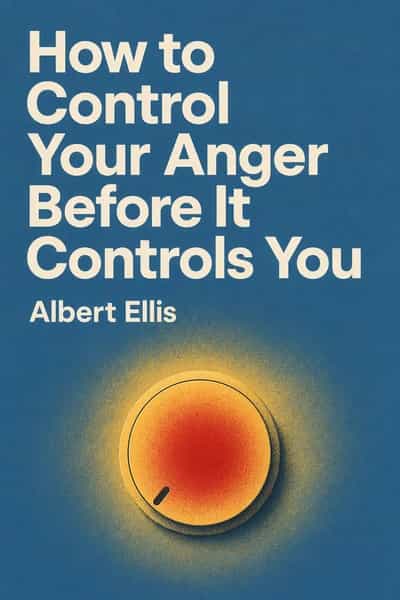
Rage book cover

Rage by Ronald T. Potter-Efron Summary

Rage
Ronald T. Potter-Efron
Psychology
Self Help
Relationship
Overview
Key Takeaways
Author
FAQs

Overview of Rage

Rage: A Step-by-Step Guide to Overcoming Explosive Anger decodes six distinct types of rage through neurochemical insights. Potter-Efron's twenty years of clinical expertise offers a revolutionary framework for taming your brain's explosive wiring. Can understanding your specific rage type finally free you?

Show more

Key Takeaways from Rage

  1. Potter-Efron identifies four distinct rage types requiring different management strategies.
  2. Survival rage emerges from perceived threats while impotence rage stems from helplessness.
  3. Abandonment rage is triggered by fear of losing your most cherished relationships.
  4. Shame rage erupts when you feel deeply disrespected or publicly humiliated.
  5. Rage differs from anger by being threat-directed rather than goal-directed behavior.
  6. The raging brain experiences temporary dysfunction in prefrontal and temporal lobes.
  7. Seven percent of Americans may experience intermittent explosive disorder at some point.
  8. Rage episodes feel like an involuntary Dr Jekyll and Mr Hyde transformation.
  9. Personal responsibility for controlling rage is non-negotiable according to Potter-Efron.
  10. Warning signs always precede rage episodes but require deliberate attention to recognize.
  11. Rage blackouts can erase conscious awareness and memory for hours at a time.
  12. Rage can be controlled through no-nonsense step-by-step anger management tools.

Overview of its author - Ronald T. Potter-Efron

Ronald T. Potter-Efron, Ph.D., LICSW, is the author of Rage: A Step-by-Step Guide to Overcoming Explosive Anger and an internationally recognized anger management expert with over 30 years of clinical experience. As director of the Anger Management Program at First Things First Counseling and Consulting Center in Wisconsin, he specializes in treating severe aggression and domestic violence.

His approach combines neuroscience research with practical, brain-based behavioral change strategies that help clients understand how the brain functions during extreme emotion.

Potter-Efron has authored 15 books on anger, shame, and addiction, including Healing the Angry Brain, Angry All the Time, and Letting Go of Anger. A Diplomate of the National Anger Management Association, he has trained thousands of mental health professionals across the United States and internationally through professional seminars.

Known for his ability to make complex psychological concepts accessible and his practical, no-nonsense therapeutic approach, his work addresses conditions like intermittent explosive disorder (IED), which affects approximately 7 percent of Americans.

Common FAQs of Rage

What is Rage by Ronald T. Potter-Efron about?

Rage by Ronald T. Potter-Efron is a comprehensive guide to understanding and overcoming explosive anger episodes that threaten relationships, jobs, and personal safety. The book categorizes rage into four distinct types—survival rage, impotence rage, abandonment rage, and shame rage—and explains the neurological basis of extreme anger, including how the amygdala and limbic system trigger loss of control. Potter-Efron provides practical, step-by-step anger management techniques that help individuals recognize their rage patterns and develop immediate control strategies.

Who should read Rage by Ronald T. Potter-Efron?

Rage by Ronald T. Potter-Efron is essential reading for anyone experiencing episodes of extreme, unpredictable anger or intermittent explosive disorder (IED), which affects approximately 7% of Americans. This book is valuable for individuals who have experienced rage blackouts, loss of behavioral control, or anger that damages relationships and careers. Family members, therapists, and counselors working with rage-prone individuals will also benefit from Potter-Efron's framework for understanding different rage types and evidence-based intervention strategies.

Is Rage by Ronald T. Potter-Efron worth reading?

Rage by Ronald T. Potter-Efron is worth reading for its unique categorization of rage types and practical, no-nonsense approach to anger management. Unlike books that focus on exploring the "why" behind anger, Potter-Efron prioritizes immediate behavioral control and places responsibility squarely on the individual. The book's neurological explanations, combined with actionable exercises for changing underlying beliefs and thought patterns, make it particularly valuable for those seeking concrete tools rather than theoretical discussions about anger's origins.

Who is Ronald T. Potter-Efron and what is his expertise?

Ronald T. Potter-Efron is a renowned anger management expert and psychotherapist specializing in explosive anger disorders and substance abuse treatment. As the author of 48 books on anger, aggression, and emotional regulation, Potter-Efron has developed widely-used frameworks for understanding rage patterns and helping individuals develop control strategies. His clinical approach in Rage emphasizes personal responsibility and practical intervention techniques, drawing from decades of therapeutic experience with clients experiencing intermittent explosive disorder and other severe anger problems.

What are the four types of rage in Rage by Ronald T. Potter-Efron?

Rage by Ronald T. Potter-Efron identifies four primary rage types based on underlying psychological threats.

  • Survival rage is triggered by perceived physical danger or assault.
  • Impotence rage emerges from feelings of helplessness and lack of control over significant life problems.
  • Abandonment rage stems from fear of losing an intimate relationship, often manifesting as jealousy and desperate attachment.
  • Shame rage occurs when someone feels profoundly disrespected or humiliated, threatening their self-respect and social standing.
What is intermittent explosive disorder (IED) according to Rage?

According to Rage by Ronald T. Potter-Efron, intermittent explosive disorder (IED) is a condition characterized by recurring periods of extraordinary, uncontrollable anger that affects approximately 7% of Americans over their lifetime. IED is the only diagnostic category for anger and violence in the DSM-4 psychological diagnostic manual. The disorder best describes people who typically maintain control but periodically experience complete emotional "meltdowns" with explosive outbursts. Potter-Efron notes that IED serves as the primary clinical diagnosis for most rage episodes.

How does Rage by Ronald T. Potter-Efron explain the brain's role in anger?

Rage by Ronald T. Potter-Efron explains that the amygdala serves as the brain's emotional warning center, triggering "danger" signals throughout the body. The book identifies three neurological factors associated with raging:

  • damage to temporal lobes causing instant meltdowns,
  • under-functioning prefrontal lobes impairing problem-solving abilities, and
  • over-functioning anterior cingulate gyrus creating obsessive thought patterns.

Potter-Efron also discusses how serotonin deficiency increases aggression, excess dopamine triggers violent outbursts, and hormonal imbalances contribute to rage episodes.

What is survival rage according to Ronald T. Potter-Efron?

Survival rage, as defined in Rage by Ronald T. Potter-Efron, is an extreme anger response triggered by threats to physical survival, such as rape, assault, or life-threatening situations. This type of rage often involves complete loss of conscious awareness and extraordinary physical strength—individuals report needing multiple people to restrain them during episodes. Potter-Efron provides an example of a 16-year-old who experienced a two-hour rage blackout after his father attempted to beat him, awakening to find his father unconscious.

What is the difference between anger and rage according to Rage?

According to Rage by Ronald T. Potter-Efron, anger is goal-directed and focused on achieving something specific, while rage is threat-directed and aims to eliminate a perceived danger. Rage involves a "Dr. Jekyll and Mr. Hyde" transformation where individuals feel the experience happening without their consent. Unlike typical anger, rage often includes loss of conscious awareness through blackouts lasting seconds to hours, loss of self-control requiring multiple people for restraint, and altered sense of identity during episodes.

What is seething rage and how does it differ from other rage types?

Seething rage, as described in Rage by Ronald T. Potter-Efron, resembles an underground fire—anger that builds slowly and silently without others realizing its intensity. Unlike sudden explosive rage, seething rage develops over time as resentments accumulate into hatreds, potentially culminating in extreme violence like mass shootings. Potter-Efron recommends that seethers discuss resentments before they escalate, engage in forgiveness work, and direct their fury toward productive outlets like political advocacy rather than letting anger fester unaddressed.

What are the main strategies in Rage for controlling explosive anger?

Rage by Ronald T. Potter-Efron offers step-by-step anger management strategies focused on immediate behavioral control rather than exploring root causes. The book emphasizes recognizing personal rage patterns and identifying specific triggers for each of the four rage types. Potter-Efron's approach includes exercises for changing underlying beliefs and thought filters, accepting reality while creating safe environments, and developing realistic trust in one's ability to find safe people. The strategies prioritize personal responsibility and practical techniques over theoretical explanations.

What causes rage according to Ronald T. Potter-Efron?

According to Rage by Ronald T. Potter-Efron, rage develops from multiple interconnected factors.

  • Childhood experiences including abuse, neglect, or inconsistent caregiving sensitize children to become adults who rage.
  • Neurological factors such as temporal lobe damage, prefrontal lobe dysfunction, or chemical imbalances in serotonin and dopamine increase rage susceptibility.
  • Traumatic events that overwhelm coping mechanisms, chronic stress, substance abuse, and learned behaviors from family or cultural influences all contribute to rage patterns that persist into adulthood.

Similar books to Rage

Start Reading Your Way
Quick Summary

Feel the book through the author's voice

Deep Dive

Turn knowledge into engaging, example-rich insights

Flash Card

Capture key ideas in a flash for fast learning

Fun

Enjoy the book in a fun and engaging way

Explore Your Way of Learning
Rage isn't just a book — it's a masterclass in Psychology. To help you absorb its lessons in the way that works best for you, we offer five unique learning modes. Whether you're a deep thinker, a fast learner, or a story lover, there's a mode designed to fit your style.

Quick Summary Mode - Read or listen to Rage Summary in 9 Minutes

Quick Summary
Quick Summary
Rage Summary in 9 Minutes

Break down key ideas from Rage into bite-sized takeaways to understand how innovative teams create, collaborate, and grow.

play
00:00
00:00

Flash Card Mode - Top 10 Insights from Rage in a Nutshell

Flash Card
Flash Card
Top 10 Insights from Rage in a Nutshell

Distill Rage into rapid-fire memory cues that highlight Pixar’s principles of candor, teamwork, and creative resilience.

Flash Mode Swiper

Fun Mode - Rage Lessons Told Through 25-Min Stories

Fun
Fun
Rage Lessons Told Through 25-Min Stories

Experience Rage through vivid storytelling that turns Pixar’s innovation lessons into moments you’ll remember and apply.

play
00:00
00:00

Personalize Mode - Read or listen to Rage Summary in 0 Minutes

Personalize
Personalize
Experience Rage in your own way.

Ask anything, pick the voice, and co-create insights that truly resonate with you.

Flash Mode Swiper

From Columbia University alumni built in San Francisco

BeFreed Brings Together A Global Community Of 200,000+ Curious Minds

"Instead of endless scrolling, I just hit play on BeFreed. It saves me so much time."

@Moemenn
platform
star
star
star
star
star

"I never knew where to start with nonfiction—BeFreed’s book lists turned into podcasts gave me a clear path."

@Chloe, Solo founder, LA
platform
comments
12
likes
117

"Perfect balance between learning and entertainment. Finished ‘Thinking, Fast and Slow’ on my commute this week."

@Raaaaaachelw
platform
star
star
star
star
star

"Crazy how much I learned while walking the dog. BeFreed = small habits → big gains."

@Matt, YC alum
platform
comments
12
likes
108

"Reading used to feel like a chore. Now it’s just part of my lifestyle."

@Erin, Investment Banking Associate , NYC
platform
comments
254
likes
17

"Feels effortless compared to reading. I’ve finished 6 books this month already."

@djmikemoore
platform
star
star
star
star
star

"BeFreed turned my guilty doomscrolling into something that feels productive and inspiring."

@Pitiful
platform
comments
96
likes
4.5K

"BeFreed turned my commute into learning time. 20-min podcasts are perfect for finishing books I never had time for."

@SofiaP
platform
star
star
star
star
star

"BeFreed replaced my podcast queue. Imagine Spotify for books — that’s it. 🙌"

@Jaded_Falcon
platform
comments
201
thumbsUp
16

"It is great for me to learn something from the book without reading it."

@OojasSalunke
platform
star
star
star
star
star

"The themed book list podcasts help me connect ideas across authors—like a guided audio journey."

@Leo, Law Student, UPenn
platform
comments
37
likes
483

"Makes me feel smarter every time before going to work"

@Cashflowbubu
platform
star
star
star
star
star

"Instead of endless scrolling, I just hit play on BeFreed. It saves me so much time."

@Moemenn
platform
star
star
star
star
star

"I never knew where to start with nonfiction—BeFreed’s book lists turned into podcasts gave me a clear path."

@Chloe, Solo founder, LA
platform
comments
12
likes
117

"Perfect balance between learning and entertainment. Finished ‘Thinking, Fast and Slow’ on my commute this week."

@Raaaaaachelw
platform
star
star
star
star
star

"Crazy how much I learned while walking the dog. BeFreed = small habits → big gains."

@Matt, YC alum
platform
comments
12
likes
108

"Reading used to feel like a chore. Now it’s just part of my lifestyle."

@Erin, Investment Banking Associate , NYC
platform
comments
254
likes
17

"Feels effortless compared to reading. I’ve finished 6 books this month already."

@djmikemoore
platform
star
star
star
star
star

"BeFreed turned my guilty doomscrolling into something that feels productive and inspiring."

@Pitiful
platform
comments
96
likes
4.5K

"BeFreed turned my commute into learning time. 20-min podcasts are perfect for finishing books I never had time for."

@SofiaP
platform
star
star
star
star
star

"BeFreed replaced my podcast queue. Imagine Spotify for books — that’s it. 🙌"

@Jaded_Falcon
platform
comments
201
thumbsUp
16

"It is great for me to learn something from the book without reading it."

@OojasSalunke
platform
star
star
star
star
star

"The themed book list podcasts help me connect ideas across authors—like a guided audio journey."

@Leo, Law Student, UPenn
platform
comments
37
likes
483

"Makes me feel smarter every time before going to work"

@Cashflowbubu
platform
star
star
star
star
star

"Instead of endless scrolling, I just hit play on BeFreed. It saves me so much time."

@Moemenn
platform
star
star
star
star
star

"I never knew where to start with nonfiction—BeFreed’s book lists turned into podcasts gave me a clear path."

@Chloe, Solo founder, LA
platform
comments
12
likes
117

"Perfect balance between learning and entertainment. Finished ‘Thinking, Fast and Slow’ on my commute this week."

@Raaaaaachelw
platform
star
star
star
star
star

"Crazy how much I learned while walking the dog. BeFreed = small habits → big gains."

@Matt, YC alum
platform
comments
12
likes
108

"Reading used to feel like a chore. Now it’s just part of my lifestyle."

@Erin, Investment Banking Associate , NYC
platform
comments
254
likes
17

"Feels effortless compared to reading. I’ve finished 6 books this month already."

@djmikemoore
platform
star
star
star
star
star

"BeFreed turned my guilty doomscrolling into something that feels productive and inspiring."

@Pitiful
platform
comments
96
likes
4.5K

"BeFreed turned my commute into learning time. 20-min podcasts are perfect for finishing books I never had time for."

@SofiaP
platform
star
star
star
star
star

"BeFreed replaced my podcast queue. Imagine Spotify for books — that’s it. 🙌"

@Jaded_Falcon
platform
comments
201
thumbsUp
16

"It is great for me to learn something from the book without reading it."

@OojasSalunke
platform
star
star
star
star
star

"The themed book list podcasts help me connect ideas across authors—like a guided audio journey."

@Leo, Law Student, UPenn
platform
comments
37
likes
483

"Makes me feel smarter every time before going to work"

@Cashflowbubu
platform
star
star
star
star
star
Start your learning journey, now
Download This Summary

Get the Rage summary as a free PDF or EPUB. Print it or read offline anytime.