Chapter 1
When Darkness Becomes Desire: A Tale of Obsession and Consent
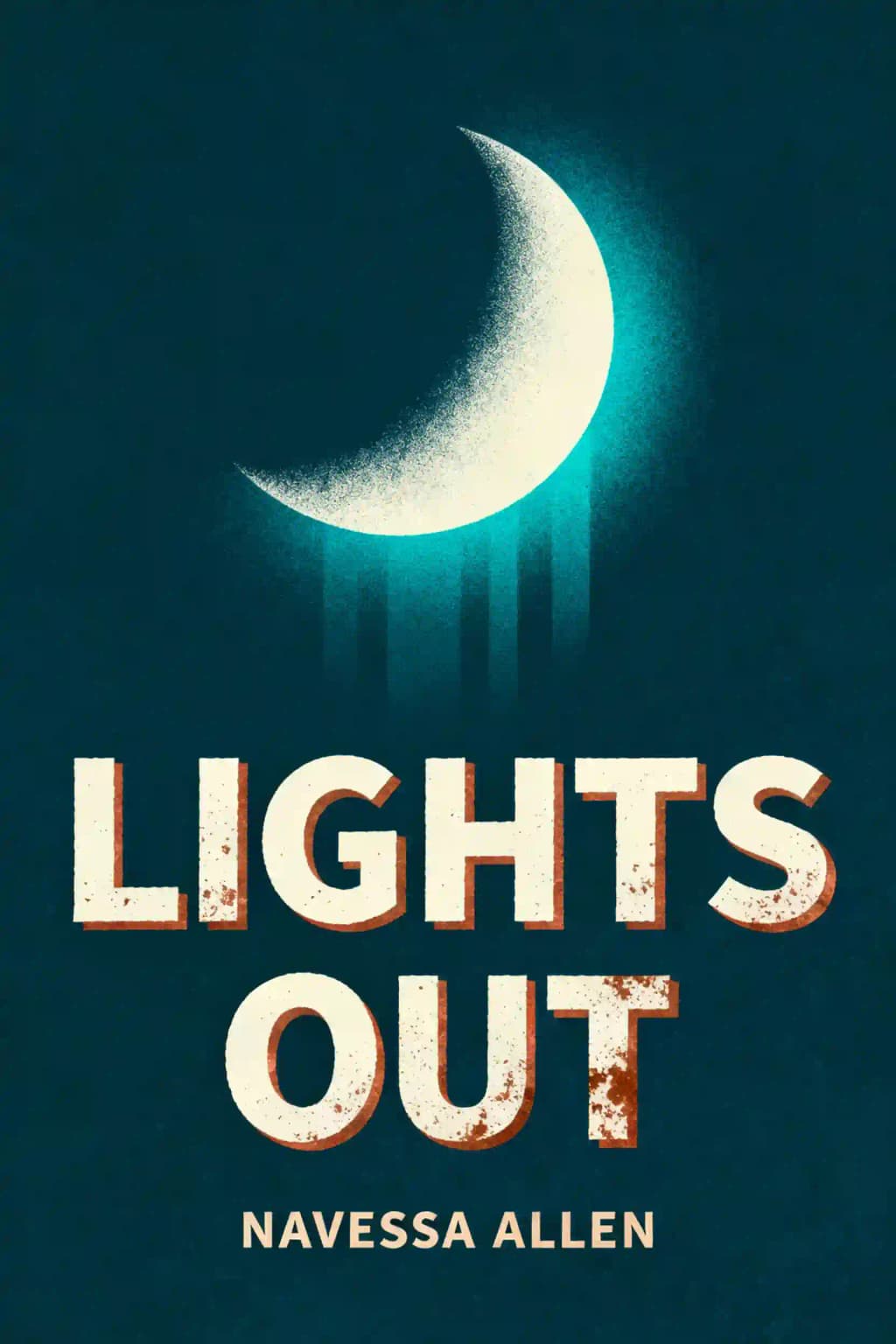
In a world where boundaries blur between fantasy and reality, "Lights Out" by Navessa Allen has captivated readers with its dark, thrilling exploration of desire and danger. Originally conceived after Allen stitched a TikTok video of a masked man with the caption "Okay, hear me out. It's a romance novel...", the book quickly gained viral attention, with nearly 100,000 people demanding she make it reality. Now a sensation among romance readers seeking edgier content, this stalker rom-com has found its audience through Allen's serial releases on Patreon, where fans eagerly follow the dangerous dance between a trauma nurse and her masked intruder. Even celebrities like Emily Ratajkowski have praised its bold approach to exploring taboo fantasies, making it one of the most discussed romance novels in recent years for those brave enough to, as Allen puts it, "ride the handle."
Chapter 2
The Thrill of Danger: How Fantasy Becomes Reality
Alyssa (Aly) finds solace in the mundane after her exhausting shifts as a trauma nurse. Her life consists of caring for her cat Fred, watching social media, and occasionally hooking up with Tyler. But beneath this routine lies a woman numbed by constantly witnessing humanity at its worst. Regular experiences no longer provide the stimulation she craves, leading her to develop an obsession with masked men videos online-particularly those by "the.faceless.man," whose muscular physique and custom mask captivate her completely.
Meanwhile, Josh harbors dark secrets. The son of a serial killer who targeted marginalized women, he avoids mirrors because of his striking resemblance to his father. This resemblance led him to create a masked social media account where he could express himself without revealing his identity. When he discovers Aly has left over a hundred comments on his videos-many fantasizing about him breaking into her home-something awakens in him that he's long suppressed.
The boundary between fantasy and reality shatters when Josh actually breaks into Aly's home during a power outage. He films a video in her bedroom and deliberately leaves his mask behind for her to find. This calculated move initiates their dangerous game-one where both participants are simultaneously predator and prey. When Aly discovers the mask, she's terrified yet aroused, choosing to message him directly rather than call the police.
Their interaction escalates rapidly into an explicit online exchange that defies conventional boundaries. Josh sends her videos of himself in her bedroom, and Aly responds with unexpected arousal. This moment crystallizes their shared understanding: they've both been seeking something that normal relationships couldn't provide-a dangerous connection that blurs lines between fear and desire, consent and violation.
Chapter 3
Masked Identities: The Power of Anonymity
Josh's decision to wear a mask stems from his desperate need to escape his father's legacy. The mask becomes more than a physical barrier - it's psychological protection that allows him to express desires he'd otherwise suppress. "I avoid mirrors because of how much I resemble him," Josh confesses, revealing how deeply his identity is entangled with his father's crimes. Every glimpse of his reflection triggers memories of newspaper headlines and whispered conversations that followed him through childhood. The mask offers liberation from this burden, allowing him to create a new persona untethered from his genetic inheritance. Through this disguise, he discovers parts of himself that exist independently of his father's shadow - both darker and lighter than he imagined possible.
For Aly, the mask represents the ultimate fantasy - the unknown. Her attraction to the Faceless Man isn't despite the danger he represents but because of it. Having become desensitized through her work as a trauma nurse, where death and suffering are daily companions, she craves experiences that break through her emotional numbness. The mask symbolizes the forbidden thrill she can't find in conventional relationships. In her journal entries, she describes how the mystery man's concealed identity allows her to project her deepest desires onto him, making him simultaneously everyone and no one.
When their paths cross in real life - with Josh pretending to help Aly track down his alter ego - the layers of deception multiply exponentially. Josh plays a dangerous game, pretending to be concerned while secretly delighting in her frustration. "I warn her about stalking being illegal with deadpan seriousness," he notes with irony, as their "Would You Rather" game creates genuine connection beneath the deception. These conversations become increasingly intimate, forcing Josh to navigate between his masked and unmasked personas with growing difficulty. Each interaction adds another layer of complexity to their relationship, as truth and fiction become increasingly intertwined.
This dual identity allows both characters to explore different facets of themselves in ways they never could otherwise. Josh discovers that his darker impulses don't necessarily make him like his father - he can care deeply for Aly and Fred while still embracing his dominant tendencies. Through the mask, he learns to separate his inherited traits from his chosen ones, gradually accepting that similarity doesn't equal destiny. Aly finds freedom in surrendering control to someone who sees her completely, including her darkest fantasies. Her professional life demands constant strength and composure, but behind closed doors, the mask gives her permission to be vulnerable. The mask paradoxically enables greater authenticity, allowing both to express desires they'd normally suppress in conventional relationships, creating a space where truth exists in the very act of concealment.
Their dance of hidden identities reveals how masks can sometimes unveil more than they conceal, allowing genuine connections to form in the spaces between truth and deception.
Chapter 4
The Psychology of Desire: Why We Crave What Frightens Us
"Lights Out" delves deep into the complex psychology of why some people are drawn to danger in their intimate relationships. For Aly, her profession as a trauma nurse has desensitized her to normal experiences. She explains, "My job had numbed me to normal experiences, making vanilla sex seem mundane compared to this dangerous thrill." Having witnessed humanity at its worst daily - from catastrophic accidents to violent crimes - she craves experiences powerful enough to break through her emotional calluses. This professional desensitization is a common phenomenon among emergency workers, who often seek increasingly intense experiences in their personal lives to feel anything at all.
The psychological phenomenon of seeking increasingly intense stimulation when normal experiences no longer provide adequate arousal - known as sensation seeking behavior - explains why Aly finds herself drawn to the masked stranger rather than reporting him. When she discovers his camera in her bedroom, her anger is mixed with disappointment that he hasn't tried breaking in again. Her conflicting emotions reveal how deeply she craves this dangerous connection. The thrill of being watched, the anticipation of another break-in, and the forbidden nature of their encounters create a potent cocktail of fear and desire that provides the emotional intensity she desperately seeks.
Josh's psychology is equally complex and multilayered. As the son of a serial killer, he's spent his life fearing he might inherit his father's violent tendencies - a fear reinforced by countless studies on genetic predisposition to violent behavior. His obsession with Aly becomes a test of his own nature - can he indulge his darker desires without becoming the monster his father was? When he pets Fred during his break-in and feels no desire to harm the cat, he thinks, "Maybe I wasn't a psychopath after all, though that didn't rule out sociopathy." This moment reveals his constant self-analysis and the weight of his genetic legacy.
Their relationship becomes a psychological exploration for both characters, delving into the complex interplay between trauma, desire, and healing. For Aly, it's about finding someone who understands her need for intensity without judgment - a partner who can match her threshold for extreme experiences while maintaining emotional safety. For Josh, it's about discovering he can embrace his dominant nature without becoming his father, learning to channel his darker impulses into consensual power exchange rather than violence. Their dynamic creates a space where both can express desires society would condemn, finding acceptance and understanding in each other's darkness. This mutual understanding allows them to explore their shadows together, creating a unique form of intimacy that goes beyond physical attraction to touch the deepest parts of their psyches.
Through their relationship, both characters confront society's assumptions about normal versus deviant desires, challenging readers to examine their own boundaries between acceptable and taboo attractions. Their story illustrates how past trauma can shape current desires and how finding the right partner can transform potentially destructive impulses into a source of connection and healing.
Chapter 5
Consent in the Shadows: Negotiating Boundaries in Extreme Play
Perhaps the most provocative aspect of "Lights Out" is its complex exploration of consent within extreme power dynamics. The relationship begins with clear violations-Josh breaks into Aly's home, installs cameras, and watches her without permission. Yet as their relationship evolves, an unusual form of consent negotiation emerges that challenges conventional understanding.
When Josh tells Aly she just needs to tell him to stop and he will, he establishes a framework for consent within their unconventional dynamic. This promise becomes the foundation of trust between them-despite his invasive actions, he respects her ultimate authority to end their game. When he confronts her in her car after her shift, he places her weapons within reach, telling her, "You have all the power."
Their relationship evolves to include more explicit consent negotiations. Before their forest chase, they clearly establish the parameters of their primal play scenario. Their safewords and boundaries allow them to explore extreme dynamics while maintaining mutual respect. This nuanced portrayal shows how even the most intense power exchange relationships require clear communication and boundaries.
The novel doesn't shy away from the ethical complexities of their arrangement. Josh acknowledges his moral compass "might not point north" when discussing the bedroom camera, and Aly recognizes the potential dangers of their relationship. Yet both characters make conscious choices to continue their dynamic, finding in each other something they've been unable to discover in conventional relationships.
This exploration of consent in extreme circumstances raises important questions about desire, agency, and the nature of healthy relationships. While their dynamic begins with clear violations, it evolves into something mutually negotiated-challenging readers to consider the complex interplay between fantasy, consent, and personal boundaries.
Chapter 6
Trauma Bonds: Finding Healing in Unexpected Places
Both Josh and Aly carry significant trauma that shapes their relationship. Aly's mother died in a car accident when she was sixteen, with Aly behind the wheel - a tragedy that left her feeling responsible and permanently altered her relationship with vulnerability. The rainy conditions and a split-second decision to answer a text message resulted in consequences that would haunt her for years. Josh grew up as the son of a serial killer, constantly fearing he might inherit his father's violent tendencies while bearing the burden of his physical resemblance. Every time he looks in the mirror, he sees echoes of the man who terrorized their small town and murdered seven women over a decade.
Their traumas initially manifest as barriers to intimacy. Aly's work as a trauma nurse has left her emotionally numb, choosing midnight shifts and high-stress situations that mirror her own internal chaos. She maintains rigid control over her emotions, treating each patient with clinical detachment to avoid forming connections. Josh hides behind masks - both literal and metaphorical - to escape his identity, changing his appearance frequently and adopting different personas in social situations. He's developed an arsenal of charm and deflection to keep others from looking too closely at his past.
Yet paradoxically, their unconventional relationship creates a space where both can be vulnerable about their past wounds. When Aly breaks down after being triggered by a patient who reminds her of her mother - a middle-aged woman with the same perfume and similar laugh - Josh provides comfort without judgment, holding her as she confesses her guilt about the accident. His own experience with shame and guilt allows him to understand her pain in ways others cannot.
This moment marks a turning point in their relationship. Josh, who has spent his life fearing his capacity for violence, discovers his capacity for tenderness through small acts: making tea exactly how Aly likes it, learning to read her micro-expressions, protecting her without controlling her. Aly, who has kept others at arm's length, allows herself to be truly seen in her most vulnerable state, gradually sharing not just the facts of her trauma but the complicated emotions surrounding it.
Their shared understanding of darkness becomes the foundation for healing rather than further damage. They develop a unique language for their pain, using gallows humor and brutal honesty where others might demand optimism or platitudes. Their relationship demonstrates how trauma survivors often connect through their wounds, finding solace in the understanding that comes from shared experience.
The novel suggests that sometimes healing comes from unexpected sources - that those who understand darkness may be better equipped to provide comfort than those who've never experienced it. When Aly admits wanting to kill Brad after his threatening behavior, Josh understands completely rather than judging her for these thoughts. He recognizes the difference between having violent impulses and acting on them, a distinction he's spent his life learning. This acceptance allows both characters to integrate their darker impulses rather than denying them, potentially leading to greater psychological wholeness. Through their relationship, they learn that acknowledging the darkness within doesn't make them monsters - it makes them human.
Chapter 7
The Primal Nature of Desire: Beyond Social Constraints
"Lights Out" explores how desire often transcends social norms and rational thought, tapping into something more primal and instinctual. This theme culminates in the forest chase scene, where Josh hunts Aly through the woods as part of their sexual play. Their encounter connects them to something "ancient and instinctual," with the darkness of night and rustling leaves creating a visceral atmosphere that heightens their senses. The chase scene deliberately evokes predator-prey dynamics, allowing them to access parts of themselves typically constrained by social conventions and modern civility.
Throughout the novel, both characters acknowledge the irrational nature of their attraction while struggling against societal expectations. Aly recognizes that every rational thought tells her to call the police, yet she's drawn to Josh's dangerous obsession like a moth to flame. After a lifetime of being the responsible caretaker - managing her mother's illness, maintaining a respectable career, and always putting others first - she craves "someone obsessed enough to burn the world down for me." This desire for intensity reflects her exhaustion with the controlled, sanitized nature of modern relationships. Josh similarly acknowledges the insanity of his actions while feeling compelled to pursue Aly despite the risks to his freedom and reputation.
Their sexual encounters frequently incorporate primal elements that challenge conventional boundaries. Through breath play, knife play, and dominant/submissive dynamics, they tap into instinctual power exchanges that feel both dangerous and deeply authentic. When Josh commands Aly to "come ride the handle" of the knife embedded in her mattress, the scene combines danger, trust, and primal desire in a way that transcends conventional sexuality. The knife becomes both a literal threat and a symbol of their willingness to dance with danger. These encounters allow both characters to access parts of themselves typically suppressed by social conditioning - the predator, the prey, the controller, and the controlled.
This exploration of primal desire raises fundamental questions about human nature and the limits of social constraints on sexuality. The novel suggests that for some people, conventional relationships cannot satisfy deeper needs for intensity, danger, and power exchange. Modern society's emphasis on safe, controlled interactions often fails to acknowledge these darker desires. By creating a consensual framework for exploring these primal urges, Josh and Aly find fulfillment that eludes them in more conventional arrangements. Their relationship demonstrates how acknowledging and safely channeling these impulses can lead to profound emotional and physical satisfaction, even as it challenges social norms about acceptable expressions of sexuality.
The story ultimately argues that our primal nature cannot be fully suppressed by civilization's veneer. Through Josh and Aly's journey, we see how embracing these darker desires - within consensual boundaries - can lead to a deeper understanding of human sexuality and connection.
Chapter 8
Vulnerability as Strength: The Courage to Be Seen
Despite the novel's dark themes, at its core lies a profound exploration of vulnerability. Both Josh and Aly begin the story hiding essential parts of themselves - Josh behind his physical mask and complicated family history, Aly behind her professional detachment and carefully constructed walls. Their journey involves gradually revealing themselves to each other, finding strength in this mutual vulnerability rather than weakness, demonstrating how authentic connection requires the courage to be truly seen.
Josh's decision to remove his mask represents the ultimate vulnerability for him. Having hidden his face for years due to his haunting resemblance to his abusive father, revealing himself to Aly requires tremendous trust and emotional fortitude. The scene where he first shows his face is particularly powerful, filled with trembling hands and held breath, highlighting how physical exposure can represent deeper emotional unveiling. Similarly, when Aly breaks down about her mother's death and her feelings of helplessness during those final hospital days, she shows Josh a part of herself she's kept hidden from others - even her closest friends. These moments of exposure become crucial turning points in their relationship, deepening their connection beyond the initial physical attraction into something more profound and transformative.
The novel masterfully subverts traditional gender expectations around vulnerability. Josh, despite his dominant sexual persona and physically imposing presence, allows himself emotional vulnerability with Aly in ways that challenge conventional masculine stereotypes. He admits his deep-seated fears about becoming like his father, shares his childhood traumas, and even cries in front of her - something he hasn't done since childhood. Aly, despite her professional competence as a nurse and her carefully maintained control in all aspects of her life, allows herself to be physically vulnerable during their power exchange dynamics. She learns to trust not only Josh but also her own desires and needs. This mutual vulnerability creates a delicate balance in their relationship despite its unconventional nature, showing how true intimacy requires both partners to lower their defenses.
Their growth culminates in the forest chase scene near the end of the novel, where both characters demonstrate how far they've come in trusting each other. Physically vulnerable yet emotionally secure in their connection, they engage in a primal dance of pursuit and surrender that represents their journey together. Their final declarations of love during this raw encounter symbolize how their relationship has successfully integrated both the dark and light aspects of their personalities - their strength and weakness, dominance and submission, protection and vulnerability. Together, they achieve a wholeness neither could reach alone, proving that true strength often lies in the courage to be vulnerable.
The author weaves this theme throughout smaller moments as well: shared midnight conversations, gentle touches during nightmares, and quiet admissions of fear. These instances build a compelling case for vulnerability as a pathway to genuine connection and personal growth, rather than a weakness to be overcome.
Chapter 9
When Fantasy Meets Reality: The Consequences of Living Your Darkest Desires
"Lights Out" doesn't shy away from exploring the real-world consequences of acting on dark fantasies. When Josh and Aly's relationship moves beyond fantasy into reality, they face genuine dangers and ethical dilemmas. Their encounter with Bradley Bluhm - a wealthy rapist who escaped justice through expensive lawyers and witness intimidation - tests the limits of their moral boundaries and forces them to confront how far they're willing to go to protect each other. This pivotal moment transforms their relationship from a private arrangement into something more complex and potentially dangerous.
The novel acknowledges that living outside societal norms carries substantial risks, both legal and personal. Josh's cybersecurity skills and Aly's medical knowledge give them significant advantages - he can cover their digital tracks while she understands forensics and evidence - but they remain vulnerable to exposure. Their discussion about potentially fleeing the country "somewhere warm" if things become too dangerous recognizes the precarious nature of their arrangement. They research offshore accounts, alternative identities, and safe havens in countries without extradition treaties. This meticulous planning and acknowledgment of consequences adds depth to their choices - they pursue their relationship not out of naivety but with full awareness of the potential costs.
Their relationship also raises profound questions about the line between fantasy and reality in intimate relationships. What begins as Aly's online fantasy about a masked intruder becomes her lived reality, with all its complications and dangers. The novel explores how this transformation affects their daily lives - from maintaining separate public personas to navigating the practical aspects of their unconventional arrangement. Through their journey, the story suggests that while fantasies can be safely explored in controlled environments, bringing them into reality requires careful negotiation, absolute trust, and acceptance of potential consequences. Their regular "check-in" conversations about boundaries and comfort levels demonstrate the complexity of maintaining such a relationship.
The story delves into the psychological impact of living a double life. Both characters experience moments of doubt and fear, questioning whether their choices will eventually lead to their downfall. These internal struggles are particularly evident in scenes where they interact with colleagues and friends, maintaining a facade while harboring their secrets. The tension between their public and private lives creates a constant undercurrent of stress that they must manage together.
By the epilogue, Josh and Aly have created their own moral framework that exists outside conventional society. They've established boundaries that work for them - no innocent victims, careful vetting of targets, and maintaining their professional lives as cover - while acknowledging the risks their choices entail. Their story challenges readers to consider how much of conventional morality is truly universal versus socially constructed, and whether authentic connection sometimes requires breaking free from societal expectations to create something uniquely suited to individual needs. Their journey demonstrates that the price of living authentically can be high, but for some, the alternative of denying their true nature is even costlier.