Chapter 1
The Gut Revolution: How Fiber Fuels Your Health
Have you ever wondered why some people can eat whatever they want and stay slim while others struggle with weight despite dieting? Or why chronic diseases like diabetes, heart disease, and autoimmune conditions are skyrocketing despite medical advances? The answer might be living inside your gut. In "Fiber Fueled," gastroenterologist Dr. Will Bulsiewicz reveals the revolutionary science behind our gut microbiome-the 39 trillion microorganisms that live in our digestive tract-and how feeding them properly can transform your health. This New York Times bestseller has become a favorite among celebrities like Beyonce and nutritional experts alike, offering a science-backed approach to healing digestive issues, boosting immunity, and preventing disease through the power of plants. Unlike restrictive diets that eliminate food groups, Dr. B's approach is about abundance-adding more diverse plant foods to your diet to nurture your internal ecosystem. With over 600 scientific studies supporting his recommendations, he's uncovered what might be the most overlooked aspect of human health: the fiber that feeds your gut bacteria.
Chapter 2
The Hidden Universe Within: Your Gut Microbiome
When Dr. Bulsiewicz graduated medical school in 2006, the medical community knew almost nothing about gut microbiota. We considered these "butt bugs" mere passengers rather than essential health contributors. But a laboratory breakthrough that year revolutionized our understanding, expanding our knowledge from just 200 bacterial species to potentially 36,000 and triggering an explosion of research.
The scale of this internal ecosystem is staggering: we carry 39 trillion microorganisms in our colons-equivalent to 100 times the stars visible in the Milky Way. This means we're only about 10% human and 90% bacteria! Our gut functions as an ecosystem comparable to the Amazon rainforest, where diversity is crucial for balance. With 300-1,000 bacterial species working in teams to break down food and extract nutrients, these single-celled organisms often digest our food better than we can ourselves.
Every bite we consume flows to these gut microbes, who aren't passive observers but active participants-our food is their food too. Different microbes thrive on different foods, creating a unique microbial fingerprint for each person. We control this microbiome through our dietary choices, with each meal either feeding beneficial bacteria or harmful ones.
When functioning properly, this gut microbiome does far more than digest food-it operates as the command center for all five axes of human health: immunity, metabolism, hormonal balance, cognition, and gene expression. When we lack microbial diversity, we develop "dysbiosis," where inflammatory microbes dominate, damaging the gut wall and allowing bacterial endotoxins to leak into the bloodstream, triggering inflammation throughout the body. This bacterial endotoxemia has been linked to numerous conditions including autoimmunity, heart disease, diabetes, and Alzheimer's.
Chapter 3
Your Immune System: Trained By Your Gut Bacteria
The gut-immune relationship is profound-70 percent of our immune system resides in the gut, separated from our microbiota by just a single layer of cells thinner than a hair. When we take care of our microbes, they take care of us by empowering our immune cells for optimal function against infection and malignancy.
Researchers found that gut bacteria in three-month-old infants could predict which children would develop asthma years later. When they transplanted stool from these at-risk infants into germ-free mice, the mice developed inflamed lungs indicative of asthma-proving that gut microbes don't just correlate with immune dysfunction, they can actually cause it.
Our gut microbiome also has extraordinary control over metabolism and food processing. A dramatic example emerged when a 32-year-old woman gained 34 pounds after receiving a fecal transplant for C. diff infection-despite no changes to her diet or lifestyle. Studies have repeatedly shown that identical foods yield completely different effects depending on the gut microbiota involved. When researchers transplanted stool from identical twins (one obese, one lean) into germ-free mice, the mice developed the body type matching their donor despite eating identical diets.
The gut functions as our largest endocrine organ, deeply involved in hormonal balance. Gut microbes control estrogen levels by secreting -glucuronidase, which activates estrogen throughout the body. When functioning properly, this maintains the perfect hormonal balance for stronger bones, lower cholesterol, clear skin, and fertility. The gut-hormone connection extends to androgens too, with certain bacteria converting glucocorticoids into androgens. For men, gut dysbiosis can allow bacterial endotoxins to travel to the testicles, reducing testosterone and sperm production.
Chapter 4
The Gut-Brain Connection: Your Second Brain
The gut functions as a "second brain" with over 500 million nerves communicating with our brain through the vagus nerve. This connection explains why IBS frequently overlaps with anxiety and depression-when gut bacteria are altered, serotonin balance shifts, affecting both mood and digestive function.
Even our cravings are influenced by gut microbes, which may manipulate our eating behavior to promote their own fitness. The good news is we can train our gut to crave healthier foods by making better dietary choices, essentially replacing "gremlin-gut microbes" with "guardian-gut angels."
Despite the Human Genome Project's completion in 2000, genetics alone hasn't solved our health problems because less than 20 percent of disease is genetically determined. The remaining 80+ percent comes from environment and lifetime exposures. Remarkably, over 99 percent of your DNA actually comes from microbes, not human cells. While human genomes are 99.9 percent identical between individuals, microbiomes can be 90 percent different.
Gut microbes exert tremendous power through epigenetics-they don't change your genetic code but control which genes get expressed. Celiac disease illustrates this perfectly: though 35 percent of Americans carry the celiac gene, only 1 percent develop the disease. Three criteria must be met: the gene, gluten exposure, and damaged gut microbiota. This explains why celiac has increased 500 percent in fifty years despite no genetic changes in the population.
Chapter 5
Modern Life: Destroying Our Gut Health
Our modern lifestyle has created a health crisis where Americans are simultaneously overfed, undernourished, and heavily medicated. Over 72 percent of Americans are overweight, and U.S. life expectancy has declined for three consecutive years-something not seen since World War I and the 1918 influenza pandemic.
In the late nineteenth century, life expectancy was just forty-seven years, with infectious diseases being the primary killers. Louis Pasteur's germ theory revolutionized medicine, leading to innovations like chlorinated water, vaccines, improved sanitation, and food preservation. The discovery of penicillin dramatically increased life expectancy, prompting the U.S. Surgeon General in 1969 to declare we could "close the books on infectious diseases."
But our war on bacteria went too far-we developed antibacterial everything, pumped livestock with antibiotics and hormones, and soon heart disease and cancer emerged en masse. Meanwhile, technology brought thousands of untested food additives, pharmaceuticals, plastics, GMOs, and herbicides like glyphosate, creating a radically different environment than the one humans evolved in.
Antibiotics devastate gut microbiota-just five days of ciprofloxacin wipes out about a third of gut bacteria, with some species never returning. Beyond antibiotics, 24% of tested drugs alter gut bacteria, including proton pump inhibitors, NSAIDs like ibuprofen that damage the intestinal lining, and oral contraceptives associated with inflammatory bowel diseases.
The Standard American Diet is equally devastating: 32% of our calories come from animal foods, 57% from processed plant foods, and only 11% from whole grains, beans, fruits, vegetables, and nuts. Americans annually consume 23 pounds of pizza, 24 pounds of artificial sweeteners, 29 pounds of french fries, 31 pounds of cheese, and 220 pounds of meat. This contrasts sharply with the Blue Zones-regions where people live exceptionally long lives, where diets are at least 90% plant-based.
Chapter 6
Fiber: The Secret Weapon for Gut Health
Fiber is the secret weapon for restoring gut health and preventing illness-but not the boring, tasteless supplements you might imagine. Despite fiber's unglamorous reputation, it's potentially the most powerful solution for healing the gut microbiota. While 97% of Americans consume excess protein, the same percentage fails to meet even the minimum recommended fiber intake, creating literally starved gut environments.
Two major fiber myths need debunking: that all fiber is the same (counting grams is sufficient) and that it merely passes through the body unchanged. Fiber is exclusively found in plants as part of their cellular structure-it's a complex carbohydrate composed of linked sugar molecules, but behaves nothing like refined sugar. While sugar is absorbed within twenty minutes, fiber remains completely intact through the mouth, stomach, and small intestine, arriving unchanged in the colon.
Humans alone can't process fiber-we have just seventeen glycoside hydrolases enzymes, none capable of breaking down larger fiber molecules. Our gut microbiota, however, contains up to sixty thousand fiber-processing enzymes! This remarkable outsourcing allows us to digest the potentially millions of fiber types from hundreds of thousands of plants. When gut bacteria break down fiber, they produce the most healing nutrients in nature: short-chain fatty acids (SCFAs).
SCFAs are the powerful compounds produced when good bacteria transform fiber. The three main types-acetate, propionate, and butyrate-work as a complementary group, with each fiber type producing a different mix of these acids. The key is consuming diverse plant fibers to get the benefits of all SCFAs, rather than targeting specific ones for specific problems.
The gut health equation is simple: prebiotics + probiotics = postbiotics. Prebiotics are food for healthy gut microbes (primarily soluble fiber and resistant starch). Probiotics are the beneficial microbes themselves. Postbiotics are the beneficial compounds produced by gut microbes, like SCFAs.
Healthy bacteria cannot survive without fiber. Consuming fiber increases beneficial bacteria like Lactobacilli and Bifidobacteria while enhancing microbial diversity. As these good bacteria flourish, they produce more SCFAs that make the colon more acidic, suppressing harmful pathogens like E. coli and Salmonella. This creates positive momentum-regular fiber consumption trains your gut to extract even more beneficial postbiotics from the same amount of fiber. Conversely, just two weeks of low-fiber eating causes your microbiome to deteriorate and literally eat away at your intestinal lining.
Chapter 7
The Healing Power of Short-Chain Fatty Acids
SCFAs, particularly butyrate, are the solution to leaky gut. They provide up to 70% of the energy for colonocytes (cells lining your colon) and repair intestinal permeability by increasing tight junction proteins between cells. This prevents bacteria, antigens, and bacterial endotoxins from passing through the gut wall and activating the immune system.
SCFAs act as crisis negotiators, calming an overactive immune response by inhibiting powerful inflammatory signals like NF-B, IFN-, and TNF-. They make immune cells more tolerant to gut bacteria, reduce inflammatory markers, and even help prevent food allergies and sensitivities. SCFAs communicate directly with regulatory T cells that suppress autoimmune responses.
In cancer prevention, SCFAs inhibit histone deacetylases (HDACs), which are required for DNA replication in rapidly dividing cancer cells. By blocking this process, SCFAs essentially pull the emergency brake on unchecked cell proliferation. They also promote apoptosis (programmed cell death) in potentially cancerous cells.
For heart disease, stroke, diabetes, and weight management, SCFAs protect by improving blood sugar regulation, lowering cholesterol, and reducing body weight. They improve insulin response, suppress fatty acids in the liver, and protect against glucose intolerance. The "second meal effect" demonstrates how fiber's benefits extend beyond immediate consumption-when people eat lentils for lunch instead of bread, they experience less blood sugar spikes not only after lunch but also after eating white bread for dinner.
Unlike most molecules, SCFAs can cross the blood-brain barrier, connecting gut health directly to brain function. They activate tight junction proteins in this barrier similar to how they repair leaky gut, potentially explaining why many with gut issues experience brain fog. Butyrate specifically improves learning and memory in models of Alzheimer's, heavy metal toxicity, traumatic brain injury, and neurological infections.
Chapter 8
Plant Diversity: The Golden Rule for Gut Health
Rather than simply counting fiber grams or loading up on supplements, the key to gut health lies in plant diversity. Dr. Rob Knight's groundbreaking American Gut Project revealed that consuming thirty different plants weekly is the single greatest predictor of a healthy gut microbiome-more important than whether you identify as vegan, vegetarian, or omnivore. People with diverse plant intake show greater representation of SCFA-producing bacteria.
Though Earth contains about 300,000 edible plants, globally we consume only around 200 species-just one in every 1,500 edible plants. Worse, three crops-rice, maize, and wheat-provide nearly 60% of plant-based calories and proteins worldwide. In the last century, we've abandoned 75% of agricultural plant diversity for high-yielding monocultures that prioritize calorie production over nutrients and biodiversity.
Plant-based diversity should be our Golden Rule of eating-a simple principle that delivers profound health benefits while still allowing enjoyment of delicious, satisfying food. When you maximize plant diversity, you're choosing foods that nourish rather than deplete your health, providing the varied nutrients needed to reverse existing medical problems and prevent future ones.
Each plant offers distinct fiber benefits: barley contains beta-glucan that promotes healthy microbes and regulates blood sugar; oats provide beta-glucan plus anti-inflammatory phenolic acids; flaxseeds contain 20-40% soluble prebiotic fiber from mucilage gums; wheat bran offers arabinoxylan oligosaccharides that boost beneficial Bifidobacteria; white potatoes (especially when cooled) are excellent sources of resistant starch; and seaweed contains 50-85% soluble prebiotic fiber, possibly contributing to Japanese longevity.
Beyond fiber, plants offer at least 8,000 unique phytochemicals-nutrients found exclusively in plant foods-though we've studied only about 150 of them. Take apples: beyond 4.4 grams of fiber, they contain numerous healing compounds like quercetin (protecting against cancer, heart disease, diabetes, and asthma) and catechins (guarding against lung cancer and stroke).
Chapter 9
Navigating Food Sensitivities with a Plant-Based Approach
For the 15-20% of people with sensitive guts-particularly those with IBS where 50-80% experience food sensitivities-fiber can seem impossible to tolerate. Yet these individuals need fiber most urgently. Food sensitivities indicate gut damage and dysbiosis, which can manifest beyond digestive issues in conditions like allergies, migraines, anxiety, and depression.
Food sensitivities stem from your unique gut microbiome, as personal as your fingerprint. Your microbiome has specific strengths and weaknesses that determine how you process different foods. We should treat our gut like a muscle-if you don't use it, you lose it. Eliminating food groups causes your ability to consume those foods to dwindle. Instead, we need to "work out" our gut with every plant category, giving it just enough challenge without overdoing it.
Understanding the difference between food sensitivity and food allergy is crucial. A true food allergy involves your immune system launching IgE antibodies against the allergen, causing reactions like itchiness, hives, swollen lips, throat closure, breathing difficulty, or even loss of consciousness. These foods should be eliminated. Food sensitivities, however, cause symptoms like bloating, gas, diarrhea, discomfort, and fatigue-and your gut can be trained to handle these foods.
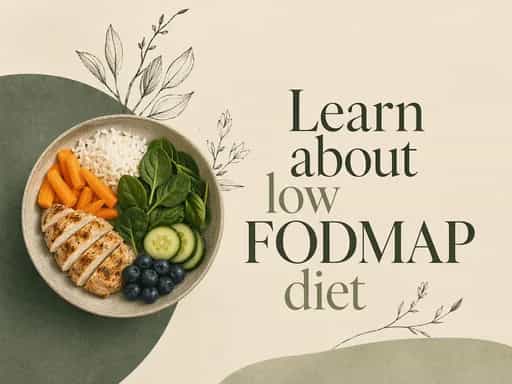
FODMAPs (fermentable oligosaccharides, disaccharides, monosaccharides, and polyols) are short-chain carbohydrates in plant foods that can cause digestive distress in people with damaged gut microbiomes. While the low FODMAP diet can temporarily help those with IBS, it was never meant as a permanent solution. Permanent restriction can harm beneficial bacteria, reduce SCFA production, and lead to micronutrient deficiencies. The key is to temporarily restrict FODMAPs for 2-6 weeks, then systematically reintroduce them to identify specific sensitivities.
Chapter 10
The Power of Fermented Foods
Fermented foods are a secret weapon for unlocking nutritional value and expanding plant-based diversity. Every culture throughout history has celebrated fermented foods, from German sauerkraut to Korean kimchi to Ethiopian injera. The fermentation process mirrors what happens in our gut-millions of invisible microbes working in coordinated symphony, transforming food into something new and nutritionally enhanced.
Fermentation transforms food rather than destroying its microbes, making it one of the rare food processing methods that actually enhances nutritional value. The acids produced during fermentation have anti-inflammatory and antioxidant properties. Fermented foods contain billions of microorganisms per gram that remain metabolically active in our digestive system.
These microbial magicians synthesize vitamins K, B12, folate, riboflavin, melatonin, and GABA from non-vitamin precursors. They create supercharged fibers called exopolysaccharides that inhibit unhealthy microbes, regulate immunity, reduce inflammation, lower cholesterol, and protect against cancer. Fermentation also reduces anti-nutritional compounds like gluten, phytic acid, FODMAPs, and even removes 95% of lectins, making foods more digestible.
Sauerkraut, for example, enhances cabbage's already impressive nutritional profile. Cabbage is low in calories, high in vitamin C and prebiotic fiber, and packed with cancer-fighting glucosinolates. Fermentation produces enzymes that convert glucosinolates into their active cancer-fighting form as isothiocyanates. Similarly, kimchi-Korea's spicy fermented vegetables-produces multiple probiotic strains that survive stomach acid, lowers cholesterol, promotes weight loss, reduces inflammation, improves insulin sensitivity, and protects against cancer through multiple mechanisms.
Chapter 11
The Fiber Fueled Lifestyle: Beyond Food
The Fiber Fueled approach isn't a diet but a lifestyle transformation that restores health and builds confidence. Beyond food as medicine, the program emphasizes healthy lifestyle habits including sleep, exercise, social connection, and personal time. When you establish the "right routine," healing happens effortlessly as you live a life that naturally heals, restores, and strengthens.
Success with the Fiber Fueled lifestyle begins with adopting a "health mindset" based on the concept of a "growth mindset." This perspective recognizes that no one is born with fixed abilities; instead, we can develop new skills through dedication and effort. The author shares his personal journey from unhealthy eating habits-including daily two-liter sodas, Red Bull, and fast food-to gradually embracing healthier choices. Over time, his taste buds adapted, and he found himself craving salads instead of cheesesteaks.
The author recommends aiming for a diet that's 90% whole plant foods-things that grow in soil and don't come in packages with ingredient lists. This matches the eating patterns seen in Blue Zones populations with exceptional longevity. The remaining 10% is your "flex account" for processed plant foods, oils, meat, and dairy.
True healthcare isn't about pills or doctor visits but about the cumulative effect of our daily choices. While one good or bad choice makes little difference, consistent patterns amplify our decisions over time. By intentionally creating healthy habits, we can promote wellness effortlessly through our routine activities.
When eating whole plant foods, you can eat without restriction and still lose weight. The fiber and resistant starch in unprocessed plants naturally activate satiety hormones through SCFA production. The physical act of chewing takes time, allowing your body's natural fullness signals to work. Throughout human history, we consumed 100+ grams of fiber daily from whole foods grown in the soil. Modern processed foods strip away fiber, creating calorie-dense, fiber-poor options that encourage overeating.
Mindful eating means returning to properly enjoying food by sitting at a table with food on a plate rather than eating on the go. This means sitting at an actual table with food on a plate, turning off electronics, observing your food before starting, tasting your food mindfully, chewing thoroughly (25+ times per bite), practicing hara hachi bu (eating until 80% full), enjoying meals with others, scheduling regular mealtimes, and avoiding "toxic hunger" that leads to poor food choices.
Our bodies operate on a natural circadian rhythm that affects our gut microbes. Time-restricted eating (TRE) optimizes this pattern by restricting eating to 11 hours or less and resting the gut for at least 13 consecutive hours. The timing matters-dinner should be early with no food after, and at least 2-3 hours between eating and bedtime.
Chapter 12
The Fiber Fueled 4-Week Plan
The Fiber Fueled 4 Weeks program offers a structured approach to transitioning to a plant-based diet optimized for gut health. It includes over sixty-five plant-based recipes organized into a twenty-eight-day calendar, with each day featuring breakfast, lunch, and dinner recipes, plus weekly drinks, snacks, and desserts. The plan isn't about perfection but progress, allowing modifications based on individual needs.
The program is designed with a specific philosophy-Week 1 eases you into plant-based eating with gentle recipes that help detox from your old diet while gradually introducing fiber and FODMAPs. The following three weeks progressively train your gut through increasing FODMAP content and plant diversity. This isn't an arbitrary timeframe-research shows it takes exactly 28 days for the microbiome to adapt to dietary fiber, develop necessary digestive enzymes, and increase SCFA production.
Throughout the program, you'll try more than seventy recipes featuring flavors from around the world-Mexico, Italy, Greece, Turkey, India, Thailand, Korea, Japan, and American classics with a Fiber Fueled twist. The plan encourages keeping a journal to track your experience, rating each recipe from 0-10, and noting any digestive issues to help identify food sensitivities.
The program introduces the concept of "Plant Points" attached to every recipe, proportional to plant diversity. Tracking these points weekly helps gauge progress, from Rock Rookie (less than 150 points) to Rock God (more than 225 points). Each level represents significant health improvements-from just starting out, to experiencing better energy and sleep, to achieving optimal digestion and a thriving microbiome.
By the end of the four weeks, participants should have identified their favorite recipes, understood their personal food sensitivities, increased their tolerance for diverse plant foods, and established sustainable habits for long-term gut health. The program isn't an end point but the beginning of a lifelong journey toward optimal health through plant diversity and gut microbiome nurturing.
The author concludes with a message of hope and empowerment: "I believe wholeheartedly in the power of the human spirit to overcome challenges. Nothing can stop someone with inner fire and the right attitude. Wherever you're starting from, if your mission is to heal your gut and recapture your health, I know you'll succeed."