The Winter Soldier: Cold Front by Mackenzi Lee Summary

Overview of The Winter Soldier
In "The Winter Soldier: Cold Front," Mackenzi Lee masterfully weaves dual timelines of Bucky Barnes - from 1941 London spy to brainwashed Soviet assassin. This NYT bestselling author's 8/10-rated thriller explores identity and trauma with descriptive brilliance that Forbes' 30 Under 30 honoree is known for.
- Mackenzi Lee's Winter Soldier explores Bucky Barnes across two tragic timelines
- The 1954 storyline follows brainwashed assassin Agent Vronsky questioning his identity
- Young Bucky Barnes joins Britain's Special Operations Executive in 1941
- Winter Soldier Cold Front blends Marvel storytelling with authentic WWII history
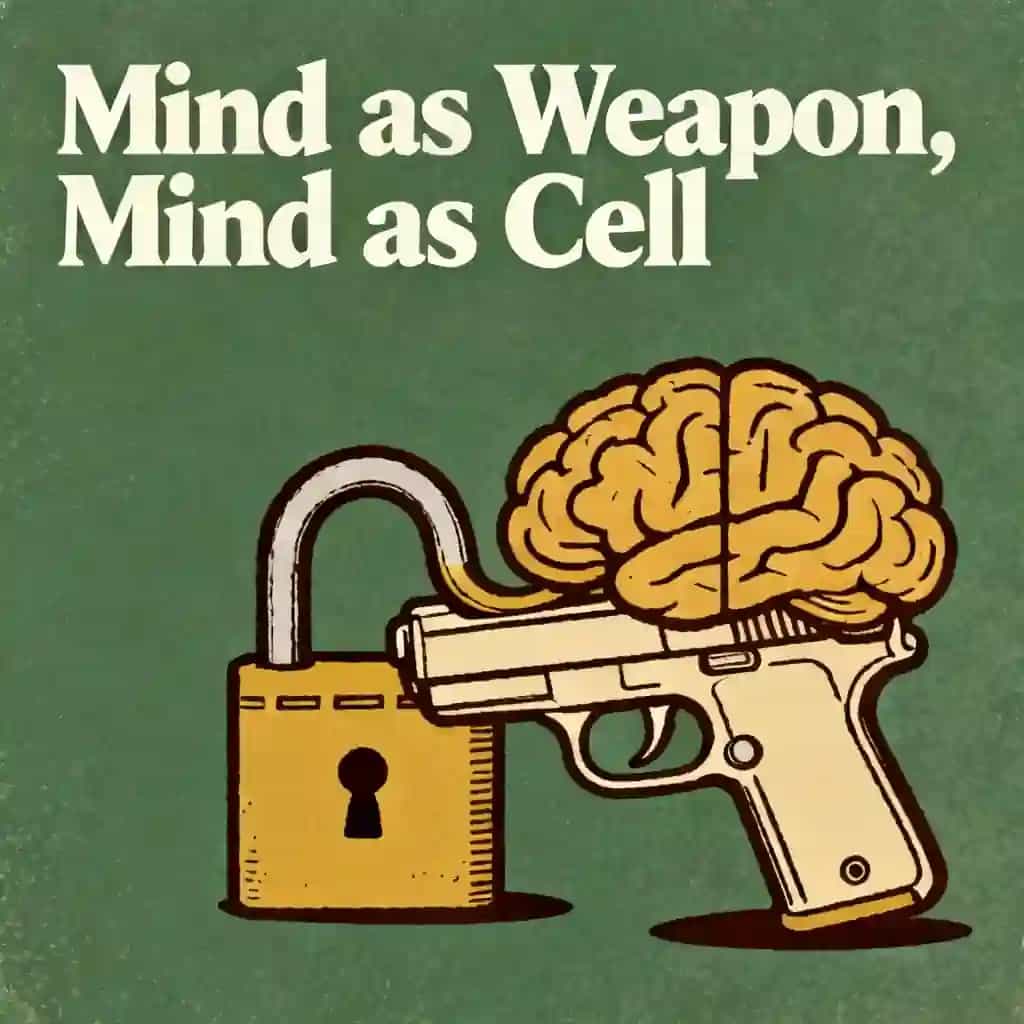
- Project Fugue represents the Soviet memory suppression controlling the Winter Soldier
- Lee creates tragic tension by revealing Bucky's inevitable transformation beforehand
- The dual narrative structure connects past innocence with future brainwashing
- Bucky's forgotten memories become his only path to reclaiming identity
- Winter Soldier's handler relationship evolves from control to complex emotional bonds
- Historical accuracy enriches this Marvel origin story with SOE spy operations
- Lee's novel shows transformation through trauma rather than heroic triumph
- The open ending leaves Winter Soldier's recovery uncertain and authentically unresolved
About the Author of The Winter Soldier
Mackenzi Lee is the author of The Winter Soldier: Cold Front and a New York Times bestselling writer known for blending historical fiction with LGBTQ+ representation in young adult literature. Born Mackenzie Van Engelenhoven, Lee holds a BA in history and an MFA from Simmons University, bringing scholarly depth to her reimagining of Marvel antiheroes through historically grounded, character-driven narratives.
Lee gained international acclaim for The Gentleman's Guide to Vice and Virtue, which earned a Stonewall Honor and the New England Book Award, launching the beloved Montague Siblings series. Her Marvel Rebels & Renegades collection includes Loki: Where Mischief Lies and Gamora & Nebula: Sisters in Arms, exploring the complex origins of iconic characters. Her nonfiction works, Bygone Badass Broads and The History of the World in Fifty Dogs, showcase her talent for making history accessible and entertaining. Lee has been featured in The Boston Globe, Teen Vogue, and Atlas Obscura, and was named to Forbes 30 Under 30 in media.
The Montague Siblings series has been translated into over twenty languages and optioned for HBO by producer Greg Berlanti.
FAQs About The Winter Soldier
What is The Winter Soldier: Cold Front by Mackenzi Lee about?
The Winter Soldier: Cold Front by Mackenzi Lee is a historical fiction novel featuring Marvel's Bucky Barnes across two timelines. In 1941, sixteen-year-old Bucky is recruited by Britain's Special Operations Executive and becomes entangled in a dangerous mystery. In 1954, the brainwashed Winter Soldier struggles with fragmented memories while pursuing a mission that connects to his past. The dual narratives converge to reveal how Bucky became the USSR's deadliest weapon.
Who is Mackenzi Lee and what else has she written?
Mackenzi Lee is a New York Times bestselling author with a BA in history and MFA in creative writing from Simmons University. She's best known for The Gentleman's Guide to Vice and Virtue, which won the Stonewall Book Award and New England Book Award. Lee has written multiple books for Marvel featuring antiheroes including Loki, Nebula, and Gamora. She also authored Bygone Badass Broads and The History of the World in 50 Dogs.
Who should read The Winter Soldier: Cold Front?
The Winter Soldier: Cold Front appeals to Marvel fans seeking deeper character backstory, historical fiction enthusiasts interested in WWII espionage, and readers who enjoy dual-timeline narratives. Young adult readers who appreciate complex characters facing moral dilemmas will find Bucky's transformation compelling. Fans of Mackenzi Lee's previous work and anyone interested in stories exploring identity, memory, and the cost of war should consider this book.
Is The Winter Soldier: Cold Front worth reading?
The Winter Soldier: Cold Front is worth reading for its sophisticated blend of Marvel lore and authentic historical fiction. Lee's dual-timeline structure creates suspense while deepening Bucky Barnes' tragic character arc. The novel succeeds as both superhero origin story and WWII spy thriller, featuring well-researched details about the British Special Operations Executive. However, readers should expect a bittersweet journey since the inevitable outcome—Bucky becoming the Winter Soldier—adds poignancy rather than traditional heroic resolution.
What is the dual timeline structure in The Winter Soldier: Cold Front?
The Winter Soldier: Cold Front alternates between 1941 and 1954, following Bucky Barnes at different life stages. The 1941 timeline shows sixteen-year-old Bucky's recruitment into British intelligence and his first encounter with a mysterious conspiracy. The 1954 sections follow Agent Vronsky (the Winter Soldier's codename) as he experiences memory glitches while on Soviet missions. This structure creates dramatic irony—readers know Bucky's fate while watching both versions race toward the same mystery.
What is Project Fugue in The Winter Soldier: Cold Front?
Project Fugue is the memory manipulation program referenced in The Winter Soldier: Cold Front that explains how the Soviets control Bucky Barnes. While the novel explores the mechanism through which Bucky's memories are suppressed and altered, it deliberately leaves ambiguous exactly how much of his original identity survives the process. This uncertainty adds tragedy to the Winter Soldier's moments of recognition, as he struggles to determine what's genuine memory versus implanted conditioning.
Who is Imogen Fleming in The Winter Soldier: Cold Front?
Imogen Fleming (also called Ginny) is a British chess champion and SOE operative who possesses a secret that multiple factions desperately want in The Winter Soldier: Cold Front. Her relationship with young Bucky evolves from antagonistic banter at a chess tournament to forced alliance and unexpected intimacy as they flee danger together. Lee leaves Imogen's ultimate fate open-ended after she escapes and parts ways with Bucky, creating one of the novel's unresolved storylines.
How does The Winter Soldier: Cold Front handle Bucky Barnes' memory loss?
The Winter Soldier: Cold Front portrays memory loss as both weapon and weakness in Bucky Barnes' transformation. When 1954 Winter Soldier sees a photograph that triggers recognition, it marks the first crack in his conditioning—he begins questioning why he can't remember anything beyond missions. Lee uses this fragmented consciousness to explore identity and agency, showing how the Soviets weaponize amnesia. The parallel 1941 storyline reveals what memories the Winter Soldier has lost, making his confusion more heartbreaking.
What role does Rostova play in The Winter Soldier: Cold Front?
Rostova serves as the Winter Soldier's handler in The Winter Soldier: Cold Front, and her relationship with Vronsky/James Barnes evolves beyond simple controller-asset dynamics. She knows his true identity and manipulates him while displaying underlying care and loyalty. When Vronsky disobeys orders to pursue his own investigation into the mysterious mark, Rostova's response reveals the complexity of their bond. Lee portrays their connection as simultaneously protective and destructive—defined by sacrifice, betrayal, and the tragedy of conditional attachment.
How does The Winter Soldier: Cold Front incorporate real WWII history?
The Winter Soldier: Cold Front authentically integrates the British Special Operations Executive, a real WWII spy organization, into its Marvel storyline. Lee's historical research grounds the 1941 narrative in accurate period details about pre-Pearl Harbor America and wartime London. The novel captures the geopolitical tensions as the US debates entering the European conflict while Britain fights alone. The 1954 sections similarly reflect post-war realities and rising Cold War tensions, making The Winter Soldier: Cold Front function as legitimate historical fiction beyond its superhero elements.
What makes The Winter Soldier: Cold Front different from other Marvel novels?
The Winter Soldier: Cold Front distinguishes itself through Mackenzi Lee's historical fiction expertise and literary approach to superhero storytelling. Unlike action-focused Marvel tales, this novel emphasizes psychological complexity, exploring how trauma and memory manipulation destroy identity. The dual-timeline structure creates a puzzle-box narrative where readers connect dots alongside the protagonist. Lee's background in historical writing elevates the WWII espionage elements beyond typical genre conventions, making the book appeal to literary fiction readers and Marvel fans equally.
How does The Winter Soldier: Cold Front end?
The Winter Soldier: Cold Front concludes with Vronsky/James Barnes escaping the bunker after his memories partially restore, but his future remains deliberately uncertain. Lee ends the novel with him injured, alone, and on the run—embracing his real name yet facing an unknown path forward. This open-ended conclusion reflects the character's ongoing Marvel storyline while acknowledging the tragedy: readers know Bucky remains the Winter Soldier for decades more. The ending offers hope through self-awareness while accepting the inevitable darkness ahead.
Feel the book through the author's voice
Turn knowledge into engaging, example-rich insights
Capture key ideas in a flash for fast learning
Enjoy the book in a fun and engaging way
Key Themes in The Winter Soldier
Quotes from The Winter Soldier
"I've always hoped to be the sort of person who never stops fighting."
The deliberate erasure of self [creates] the perfect weapon.
That's perfect.
The most dangerous weapon isn't created through physical enhancement.
Every technological advancement grafted onto his body further strips away his humanity.
Characters in The Winter Soldier
Quick Summary Mode - Read or listen to The Winter Soldier Summary in 8 Minutes

Break down key ideas from The Winter Soldier into bite-sized takeaways to understand how innovative teams create, collaborate, and grow.

Flash Card Mode - Top 10 Insights from The Winter Soldier in a Nutshell

Distill The Winter Soldier into rapid-fire memory cues that highlight key principles of candor, teamwork, and creative resilience.

Fun Mode - The Winter Soldier Lessons Told Through 20-Min Stories

Experience The Winter Soldier through vivid storytelling that turns innovation lessons into moments you'll remember and apply.
Personalize Mode - Read or listen to The Winter Soldier Summary in 0 Minutes

Ask anything, pick the voice, and co-create insights that truly resonate with you.

From Columbia University alumni built in San Francisco
"Instead of endless scrolling, I just hit play on BeFreed. It saves me so much time."


"I never knew where to start with nonfiction—BeFreed’s book lists turned into podcasts gave me a clear path."


"Perfect balance between learning and entertainment. Finished ‘Thinking, Fast and Slow’ on my commute this week."
"Crazy how much I learned while walking the dog. BeFreed = small habits → big gains."
"Reading used to feel like a chore. Now it’s just part of my lifestyle."

"Feels effortless compared to reading. I’ve finished 6 books this month already."
"BeFreed turned my guilty doomscrolling into something that feels productive and inspiring."

"BeFreed turned my commute into learning time. 20-min podcasts are perfect for finishing books I never had time for."
"BeFreed replaced my podcast queue. Imagine Spotify for books — that’s it. 🙌"

"It is great for me to learn something from the book without reading it."
"The themed book list podcasts help me connect ideas across authors—like a guided audio journey."
"Makes me feel smarter every time before going to work"
From Columbia University alumni built in San Francisco
"Instead of endless scrolling, I just hit play on BeFreed. It saves me so much time."
"I never knew where to start with nonfiction—BeFreed’s book lists turned into podcasts gave me a clear path."
"Perfect balance between learning and entertainment. Finished ‘Thinking, Fast and Slow’ on my commute this week."
"Crazy how much I learned while walking the dog. BeFreed = small habits → big gains."
"Reading used to feel like a chore. Now it’s just part of my lifestyle."
"Feels effortless compared to reading. I’ve finished 6 books this month already."
"BeFreed turned my guilty doomscrolling into something that feels productive and inspiring."
"BeFreed turned my commute into learning time. 20-min podcasts are perfect for finishing books I never had time for."
"BeFreed replaced my podcast queue. Imagine Spotify for books — that’s it. 🙌"
"It is great for me to learn something from the book without reading it."
"The themed book list podcasts help me connect ideas across authors—like a guided audio journey."
"Makes me feel smarter every time before going to work"
"Instead of endless scrolling, I just hit play on BeFreed. It saves me so much time."
"I never knew where to start with nonfiction—BeFreed’s book lists turned into podcasts gave me a clear path."
"Perfect balance between learning and entertainment. Finished ‘Thinking, Fast and Slow’ on my commute this week."
"Crazy how much I learned while walking the dog. BeFreed = small habits → big gains."
"Reading used to feel like a chore. Now it’s just part of my lifestyle."
"Feels effortless compared to reading. I’ve finished 6 books this month already."
"BeFreed turned my guilty doomscrolling into something that feels productive and inspiring."
"BeFreed turned my commute into learning time. 20-min podcasts are perfect for finishing books I never had time for."
"BeFreed replaced my podcast queue. Imagine Spotify for books — that’s it. 🙌"
"It is great for me to learn something from the book without reading it."
"The themed book list podcasts help me connect ideas across authors—like a guided audio journey."
"Makes me feel smarter every time before going to work"
"Instead of endless scrolling, I just hit play on BeFreed. It saves me so much time."
"I never knew where to start with nonfiction—BeFreed’s book lists turned into podcasts gave me a clear path."
"Perfect balance between learning and entertainment. Finished ‘Thinking, Fast and Slow’ on my commute this week."
"Crazy how much I learned while walking the dog. BeFreed = small habits → big gains."
"Reading used to feel like a chore. Now it’s just part of my lifestyle."
"Feels effortless compared to reading. I’ve finished 6 books this month already."
"BeFreed turned my guilty doomscrolling into something that feels productive and inspiring."
"BeFreed turned my commute into learning time. 20-min podcasts are perfect for finishing books I never had time for."
"BeFreed replaced my podcast queue. Imagine Spotify for books — that’s it. 🙌"
"It is great for me to learn something from the book without reading it."
"The themed book list podcasts help me connect ideas across authors—like a guided audio journey."
"Makes me feel smarter every time before going to work"

Get the The Winter Soldier summary as a free PDF or EPUB. Print it or read offline anytime.