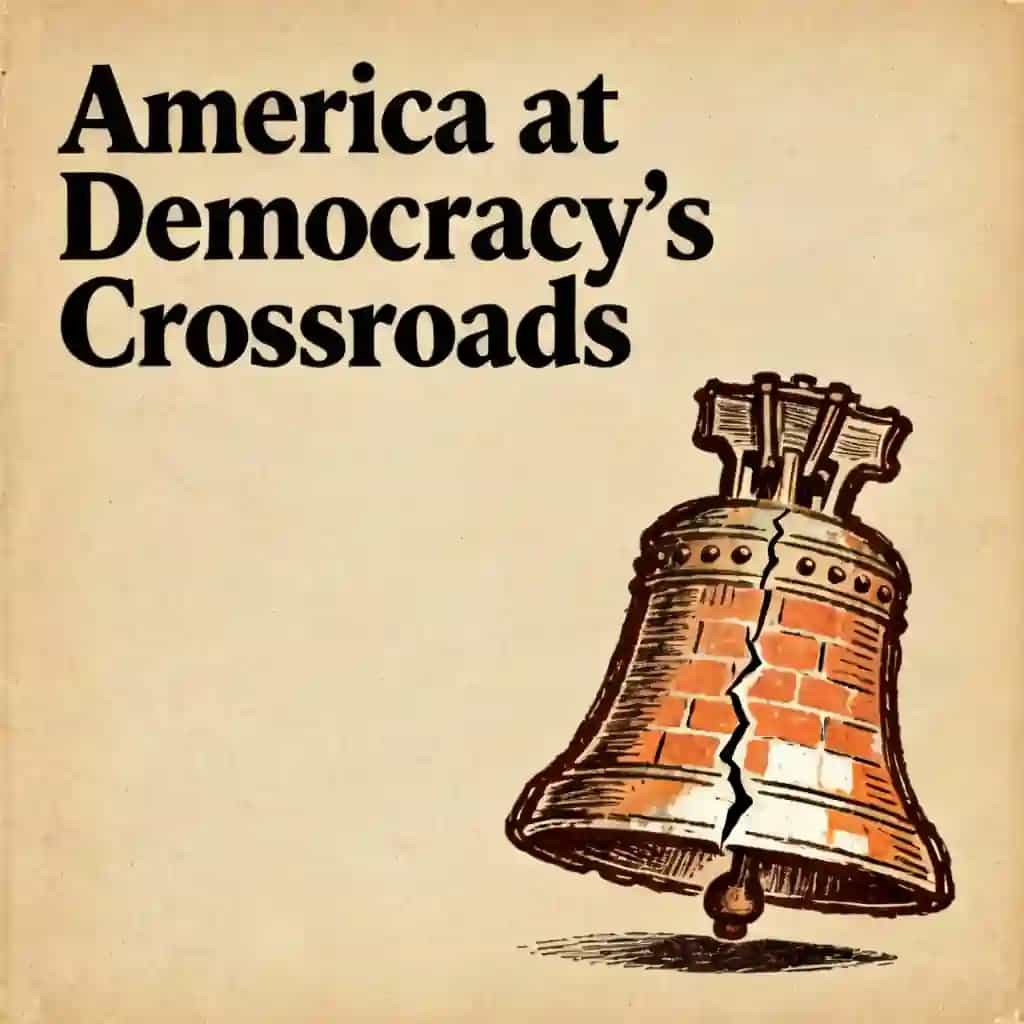
Overview of Dying Citizen
Victor Davis Hanson's bestselling "The Dying Citizen" reveals how progressive elites, globalization, and unchecked immigration threaten American democracy. Praised by Mark Levin as "essential reading," this controversial analysis has sparked fierce debates about what happens when citizenship erodes and the middle class disappears.
- Victor Davis Hanson traces citizenship decline to globalization, tribalism, and progressive policy overreach
- Eroding middle-class autonomy creates state dependency, weakening citizen sovereignty and constitutional fidelity
- Open borders dismantle civic cohesion by prioritizing global residency over national allegiance
- Administrative state expansion bypasses electoral accountability, threatening individual liberties and local governance
- Identity politics fragment collective civic identity into competing tribal allegiances
- Constitutional erosion enables unelected bureaucrats to supplant citizen-driven democratic processes
- Historical precedents show citizenship requires protected borders and shared civic values
- Globalization's wealth concentration creates financial castes that undermine democratic participation
- Civic renewal demands rebuilding middle-class economic independence and constitutional literacy
- Tribal polarization and state overreach mirror pre-collapse patterns of ancient republics
- Citizenship survival requires rejecting transnational identities for constitutional patriotism
- Hanson prescribes border enforcement, middle-class revival, and administrative state rollback as remedies
About the Author of Dying Citizen
Victor Davis Hanson, author of The Dying Citizen, is an acclaimed historian, political commentator, and classicist renowned for his examinations of Western civilization and democratic institutions.
A senior fellow at Stanford University’s Hoover Institution and professor emeritus at California State University, Fresno, Hanson holds a Ph.D. in classics from Stanford, grounding his analysis of contemporary issues in ancient and military history. His works, including The Case for Trump, Carnage and Culture, and The Western Way of War, blend scholarly rigor with accessible prose, exploring themes of citizenship, conflict, and cultural preservation.
A syndicated columnist for National Review Online and Tribune Media Services, Hanson’s insights have been featured in The New York Times, Wall Street Journal, and major media outlets.
Recipient of the National Humanities Medal and the Bradley Prize, his writing is informed by decades of academic leadership and firsthand experience as a fifth-generation farmer. The Dying Citizen continues his tradition of probing societal shifts through historical parallels, cementing his reputation as a pivotal voice in modern political discourse.
FAQs About Dying Citizen
What is The Dying Citizen by Victor Davis Hanson about?
The Dying Citizen analyzes the decline of American citizenship, arguing that progressive elites, globalization, and identity politics undermine traditional civic rights and responsibilities. Hanson contends that citizenship is being replaced by tribal allegiances and bureaucratic control, eroding national sovereignty and individual autonomy. The book blends historical analysis with contemporary political critique.
Who should read The Dying Citizen?
This book appeals to conservatives, political science students, and readers interested in U.S. governance trends. It’s particularly relevant for those concerned about nationalism vs. globalism, immigration policy, or the role of citizenship in modern democracies. Critics of progressive ideology may find Hanson’s arguments validating.
Is The Dying Citizen worth reading?
The book polarizes readers: supporters praise its incisive critique of elitism and globalization, while critics call it overly pessimistic and lacking constructive solutions. Its value depends on alignment with Hanson’s conservative perspective and interest in provocative cultural commentary.
What are the main themes in The Dying Citizen?
Key themes include:
- Erosion of citizenship: How bureaucratic overreach and globalization diminish individual rights.
- Tribalism: The rise of identity politics over shared national identity.
- Elitism: Progressive elites’ disconnect from middle-class values. Hanson frames these issues as existential threats to American democracy.
What arguments does Hanson make about globalization?
Hanson argues globalization weakens national sovereignty by prioritizing international institutions and corporate interests over citizens. He claims this creates a “rootless elite” detached from local communities, accelerating the decline of civic participation.
How does The Dying Citizen critique progressive policies?
The book condemns progressive initiatives like open borders, affirmative action, and climate agreements as tools to centralize power away from citizens. Hanson alleges these policies fuel dependency on government and erode constitutional principles.
What historical influences shape Hanson’s analysis?
Hanson draws parallels between modern America and ancient Rome/Greece, citing classical precedents for citizenship erosion. His military history expertise informs critiques of defense policy and national identity.
What is a notable quote from The Dying Citizen?
“Citizenship is not a passport or a check from the government but a shared commitment to a common culture and mutual responsibility.”
This line encapsulates Hanson’s view of citizenship as active participation, not passive entitlement.
What criticisms has the book faced?
Critics argue Hanson oversimplifies complex issues, dismisses systemic inequality, and offers few actionable solutions. Some reviewers call the tone “embittered” and overly partisan.
How does The Dying Citizen compare to Hanson’s earlier works?
Unlike his military histories (Carnage and Culture), this book focuses on contemporary socio-political decay. It shares themes with Mexifornia (2003), which critiques immigration policy’s impact on California.
Why is The Dying Citizen relevant in 2025?
Ongoing debates about nationalism, populism, and institutional trust keep Hanson’s arguments pertinent. The 2024 U.S. election cycle and global tensions amplify its themes.
What books are similar to The Dying Citizen?
For readers interested in citizenship critiques:
- Why Liberalism Failed by Patrick Deneen
- The Once and Future Worker by Oren Cass
- Political Tribes by Amy Chua These works explore overlapping themes of cultural fragmentation and governance.
Feel the book through the author's voice
Turn knowledge into engaging, example-rich insights
Capture key ideas in a flash for fast learning
Enjoy the book in a fun and engaging way
Key Themes in Dying Citizen
Quotes from Dying Citizen
Republics can collapse within a single generation if citizens fail to preserve them.
Citizens who depend on government for basic needs cannot exercise independent judgment.
American citizenship faces a dual threat-from below through ignorance and from above through elite manipulation.
What's most concerning is that many Americans increasingly blame their founders.
Characters in Dying Citizen
Quick Summary Mode - Read or listen to Dying Citizen Summary in 10 Minutes

Break down key ideas from Dying Citizen into bite-sized takeaways to understand how innovative teams create, collaborate, and grow.

Flash Card Mode - Top 10 Insights from Dying Citizen in a Nutshell

Distill Dying Citizen into rapid-fire memory cues that highlight key principles of candor, teamwork, and creative resilience.

Fun Mode - Dying Citizen Lessons Told Through 23-Min Stories

Experience Dying Citizen through vivid storytelling that turns innovation lessons into moments you'll remember and apply.
Personalize Mode - Read or listen to Dying Citizen Summary in 0 Minutes

Ask anything, pick the voice, and co-create insights that truly resonate with you.

From Columbia University alumni built in San Francisco
"Instead of endless scrolling, I just hit play on BeFreed. It saves me so much time."


"I never knew where to start with nonfiction—BeFreed’s book lists turned into podcasts gave me a clear path."


"Perfect balance between learning and entertainment. Finished ‘Thinking, Fast and Slow’ on my commute this week."
"Crazy how much I learned while walking the dog. BeFreed = small habits → big gains."
"Reading used to feel like a chore. Now it’s just part of my lifestyle."

"Feels effortless compared to reading. I’ve finished 6 books this month already."
"BeFreed turned my guilty doomscrolling into something that feels productive and inspiring."

"BeFreed turned my commute into learning time. 20-min podcasts are perfect for finishing books I never had time for."
"BeFreed replaced my podcast queue. Imagine Spotify for books — that’s it. 🙌"

"It is great for me to learn something from the book without reading it."
"The themed book list podcasts help me connect ideas across authors—like a guided audio journey."
"Makes me feel smarter every time before going to work"
From Columbia University alumni built in San Francisco
"Instead of endless scrolling, I just hit play on BeFreed. It saves me so much time."
"I never knew where to start with nonfiction—BeFreed’s book lists turned into podcasts gave me a clear path."
"Perfect balance between learning and entertainment. Finished ‘Thinking, Fast and Slow’ on my commute this week."
"Crazy how much I learned while walking the dog. BeFreed = small habits → big gains."
"Reading used to feel like a chore. Now it’s just part of my lifestyle."
"Feels effortless compared to reading. I’ve finished 6 books this month already."
"BeFreed turned my guilty doomscrolling into something that feels productive and inspiring."
"BeFreed turned my commute into learning time. 20-min podcasts are perfect for finishing books I never had time for."
"BeFreed replaced my podcast queue. Imagine Spotify for books — that’s it. 🙌"
"It is great for me to learn something from the book without reading it."
"The themed book list podcasts help me connect ideas across authors—like a guided audio journey."
"Makes me feel smarter every time before going to work"
"Instead of endless scrolling, I just hit play on BeFreed. It saves me so much time."
"I never knew where to start with nonfiction—BeFreed’s book lists turned into podcasts gave me a clear path."
"Perfect balance between learning and entertainment. Finished ‘Thinking, Fast and Slow’ on my commute this week."
"Crazy how much I learned while walking the dog. BeFreed = small habits → big gains."
"Reading used to feel like a chore. Now it’s just part of my lifestyle."
"Feels effortless compared to reading. I’ve finished 6 books this month already."
"BeFreed turned my guilty doomscrolling into something that feels productive and inspiring."
"BeFreed turned my commute into learning time. 20-min podcasts are perfect for finishing books I never had time for."
"BeFreed replaced my podcast queue. Imagine Spotify for books — that’s it. 🙌"
"It is great for me to learn something from the book without reading it."
"The themed book list podcasts help me connect ideas across authors—like a guided audio journey."
"Makes me feel smarter every time before going to work"
"Instead of endless scrolling, I just hit play on BeFreed. It saves me so much time."
"I never knew where to start with nonfiction—BeFreed’s book lists turned into podcasts gave me a clear path."
"Perfect balance between learning and entertainment. Finished ‘Thinking, Fast and Slow’ on my commute this week."
"Crazy how much I learned while walking the dog. BeFreed = small habits → big gains."
"Reading used to feel like a chore. Now it’s just part of my lifestyle."
"Feels effortless compared to reading. I’ve finished 6 books this month already."
"BeFreed turned my guilty doomscrolling into something that feels productive and inspiring."
"BeFreed turned my commute into learning time. 20-min podcasts are perfect for finishing books I never had time for."
"BeFreed replaced my podcast queue. Imagine Spotify for books — that’s it. 🙌"
"It is great for me to learn something from the book without reading it."
"The themed book list podcasts help me connect ideas across authors—like a guided audio journey."
"Makes me feel smarter every time before going to work"

Get the Dying Citizen summary as a free PDF or EPUB. Print it or read offline anytime.