Overview of Мы
Before Orwell's "1984," Zamyatin's "We" birthed modern dystopian fiction - banned by Soviet censors until 1988. This chilling vision of surveillance and dehumanization so threatened authorities that Zamyatin's name was erased from literary history. What terrifying truths did he foresee?
- The One State’s mathematical utopia crumbles when human desire defies logic.
- Glass cities symbolize surveillance’s illusion of transparency and control.
- Zamyatin’s Mephi rebels prove collective conformity cannot erase individual longing.
- D-503’s diary reveals the soul’s irreconcilable conflict with mechanized existence.
- The Green Wall separates sterile order from nature’s chaotic creativity.
- Totalitarianism fails because emotion dissolves even perfectly engineered societies.
- Zamyatin’s Benefactor myth exposes how dictators weaponize “paradise” narratives.
- Revolutionary love versus state loyalty drives dystopian tension in We.
- The novel’s numbered characters mirror modern identity loss in systems.
- Human imagination cannot be contained by utopian blueprints or equations.
- We inspired 1984 but critiques industrialization over specific regimes.
- Zamyatin equates forced happiness with spiritual death under total control.
About the Author of Мы
Yevgeny Ivanovich Zamyatin (1884–1937) was a Russian novelist and satirist, best known for his groundbreaking dystopian novel We, a seminal work of speculative fiction that critiques totalitarianism and explores themes of individualism versus state control. A trained naval engineer with a background in mathematics, Zamyatin channeled his technical precision into avant-garde prose, earning recognition as a pioneer of anti-utopian literature.
His experiences during the Russian Revolution and subsequent disillusionment with Soviet censorship directly informed We’s chilling depiction of a hyper-rationalized society, later influencing classics like Orwell’s 1984 and Huxley’s Brave New World.
Beyond We, Zamyatin authored politically charged plays like The Flea and short stories such as The Cave, which combine grotesque imagery with existential themes. After years of persecution for his criticism of authoritarianism, he emigrated to Paris in 1931 with Stalin’s reluctant permission, where he continued writing until his death. Banned in the Soviet Union until 1988, We has been translated into over 30 languages and remains a cornerstone of dystopian discourse, acclaimed for its prescient warnings about dehumanization and technological tyranny.
FAQs About Мы
What is We by Yevgeny Zamyatin about?
We is a pioneering dystopian novel set in the One State, a totalitarian society where citizens are assigned numbers and live under strict surveillance. The protagonist, D-503, a mathematician, grapples with awakening emotions and rebellion after meeting the revolutionary I-330. The story explores themes of individuality, freedom, and the dehumanizing effects of utopian logic, influencing classics like Orwell’s 1984 and Huxley’s Brave New World.
Who should read We by Yevgeny Zamyatin?
Fans of dystopian literature, readers interested in philosophical critiques of totalitarianism, and those exploring the origins of sci-fi classics will find We compelling. Its themes of rebellion, surveillance, and human emotion resonate with audiences analyzing societal control or the tension between logic and creativity.
Is We by Yevgeny Zamyatin worth reading?
Yes—We is a cornerstone of dystopian fiction, notable for its banned status in Soviet Russia and its influence on later works. Its exploration of state control, glass-walled surveillance, and the fragility of utopian ideals remains culturally and politically relevant, offering a provocative lens to examine modern societal structures.
What are the main themes in We?
Key themes include:
- Individuality vs. collectivism: The One State suppresses personal identity for societal harmony.
- Freedom vs. control: The cost of safety under authoritarian rule.
- Emotion vs. logic: Human feelings challenge the state’s rigid rationality.
- Surveillance: Glass architecture symbolizes constant monitoring.
How does We compare to 1984 by George Orwell?
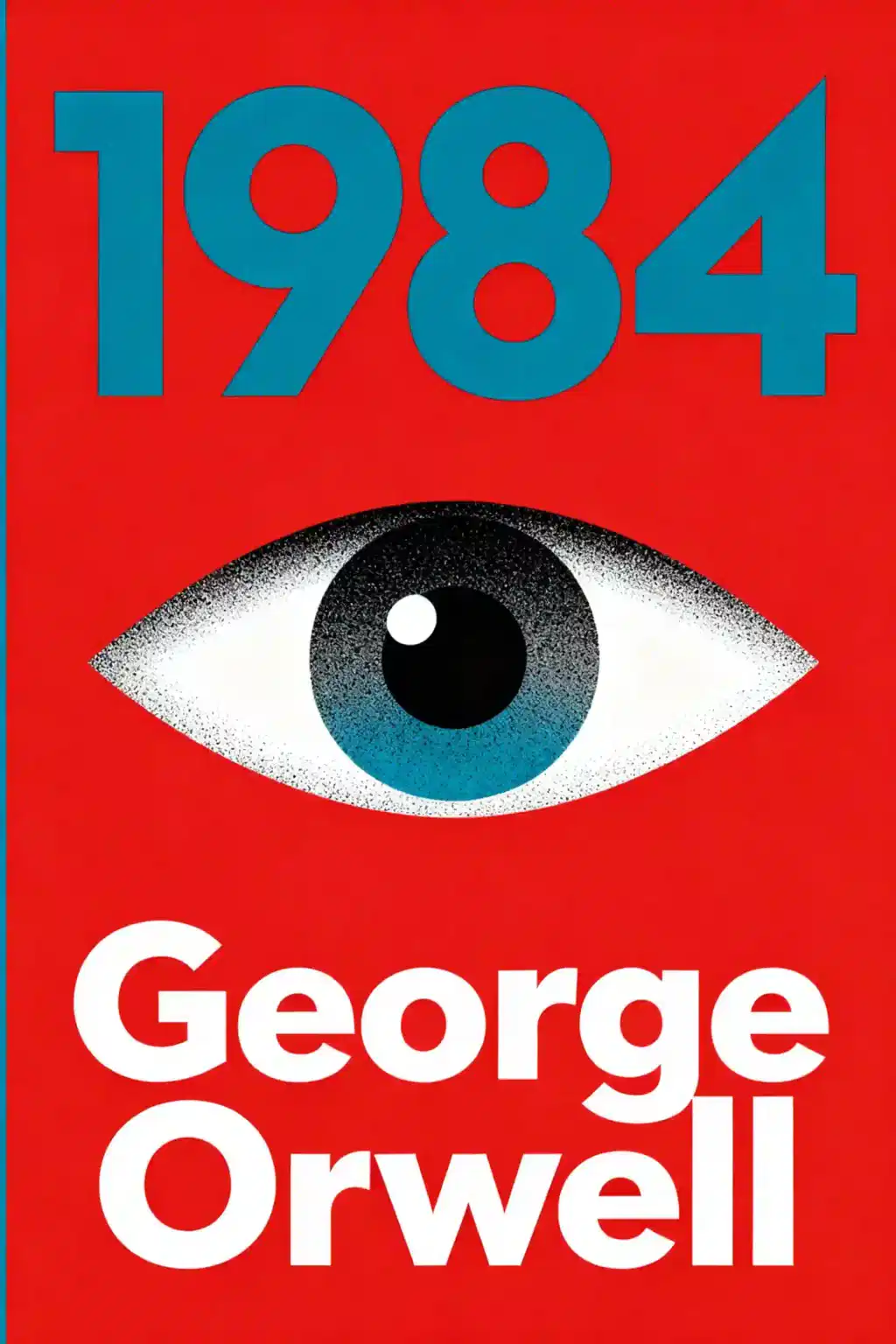
Both novels critique totalitarianism, but We predates 1984 and inspired Orwell’s work. While 1984 focuses on language manipulation and propaganda, We emphasizes mathematical conformity and the tension between reason and human instinct. Zamyatin’s use of surreal symbolism contrasts with Orwell’s grim realism.
Who is the protagonist in We?
D-503, a spacecraft engineer, serves as the conflicted narrator. Initially loyal to the One State, his diary entries reveal a transformation as he confronts forbidden emotions and joins a rebellion led by I-330, symbolizing the struggle between compliance and self-discovery.
What is the One State in We?
The One State is a hyper-regulated society governed by the Benefactor, where citizens live in glass buildings under strict schedules. Personal freedoms are abolished, and individuality is replaced with numerical designations, reflecting Zamyatin’s critique of scientific management and dehumanization.
How does We use symbolism?
- The Green Wall: Represents the artificial separation between “civilized” society and untamed nature.
- Glass structures: Symbolize transparency and invasive surveillance.
- Mathematical language: Mirrors the state’s obsession with cold rationality over human complexity.
What is the Green Wall in We?
The Green Wall is a barrier enclosing the One State’s city, isolating it from the natural world. Its eventual breach by rebels signifies the inevitability of human desire for freedom and connection to primal instincts.
Who is I-330 in We?
I-330 is a subversive leader who seduces D-503 into joining the Mephi, a resistance group. Her defiance of the One State’s rules—smoking, drinking, and advocating rebellion—embodies the novel’s critique of oppressive conformity.
What criticisms exist about We?
Critics note its heavy allegorical tone and fragmented narrative, which some find challenging. However, its historical significance as a banned work and its prescient themes of surveillance and state control are widely praised.
How does We explore freedom vs. control?
The One State enforces control through rigid schedules and surveillance, while rebels like I-330 seek freedom through emotional expression and defiance. D-503’s internal conflict highlights the human cost of sacrificing autonomy for perceived stability.
What is the writing style of We?
Written as D-503’s diary, the novel blends poetic introspection with clinical precision. Zamyatin uses fragmented sentences, mathematical metaphors, and surreal imagery to mirror the protagonist’s unraveling psyche.
Feel the book through the author's voice
Turn knowledge into engaging, example-rich insights
Capture key ideas in a flash for fast learning
Enjoy the book in a fun and engaging way
Key Themes in Мы
Quotes from Мы
There is no final one; revolutions are infinite.
Freedom and happiness are incompatible.
The only means of ridding man of crime is ridding him of freedom.
Happiness and freedom are incompatible.
We have established that happiness and freedom are incompatible.
Characters in Мы
Quick Summary Mode - Read or listen to Мы Summary in 9 Minutes

Break down key ideas from Мы into bite-sized takeaways to understand how innovative teams create, collaborate, and grow.

Flash Card Mode - Top 8 Insights from Мы in a Nutshell

Distill Мы into rapid-fire memory cues that highlight key principles of candor, teamwork, and creative resilience.

Fun Mode - Мы Lessons Told Through 21-Min Stories

Experience Мы through vivid storytelling that turns innovation lessons into moments you'll remember and apply.
Personalize Mode - Read or listen to Мы Summary in 0 Minutes

Ask anything, pick the voice, and co-create insights that truly resonate with you.

From Columbia University alumni built in San Francisco
"Instead of endless scrolling, I just hit play on BeFreed. It saves me so much time."


"I never knew where to start with nonfiction—BeFreed’s book lists turned into podcasts gave me a clear path."


"Perfect balance between learning and entertainment. Finished ‘Thinking, Fast and Slow’ on my commute this week."
"Crazy how much I learned while walking the dog. BeFreed = small habits → big gains."
"Reading used to feel like a chore. Now it’s just part of my lifestyle."

"Feels effortless compared to reading. I’ve finished 6 books this month already."
"BeFreed turned my guilty doomscrolling into something that feels productive and inspiring."

"BeFreed turned my commute into learning time. 20-min podcasts are perfect for finishing books I never had time for."
"BeFreed replaced my podcast queue. Imagine Spotify for books — that’s it. 🙌"

"It is great for me to learn something from the book without reading it."
"The themed book list podcasts help me connect ideas across authors—like a guided audio journey."
"Makes me feel smarter every time before going to work"
From Columbia University alumni built in San Francisco
"Instead of endless scrolling, I just hit play on BeFreed. It saves me so much time."
"I never knew where to start with nonfiction—BeFreed’s book lists turned into podcasts gave me a clear path."
"Perfect balance between learning and entertainment. Finished ‘Thinking, Fast and Slow’ on my commute this week."
"Crazy how much I learned while walking the dog. BeFreed = small habits → big gains."
"Reading used to feel like a chore. Now it’s just part of my lifestyle."
"Feels effortless compared to reading. I’ve finished 6 books this month already."
"BeFreed turned my guilty doomscrolling into something that feels productive and inspiring."
"BeFreed turned my commute into learning time. 20-min podcasts are perfect for finishing books I never had time for."
"BeFreed replaced my podcast queue. Imagine Spotify for books — that’s it. 🙌"
"It is great for me to learn something from the book without reading it."
"The themed book list podcasts help me connect ideas across authors—like a guided audio journey."
"Makes me feel smarter every time before going to work"
"Instead of endless scrolling, I just hit play on BeFreed. It saves me so much time."
"I never knew where to start with nonfiction—BeFreed’s book lists turned into podcasts gave me a clear path."
"Perfect balance between learning and entertainment. Finished ‘Thinking, Fast and Slow’ on my commute this week."
"Crazy how much I learned while walking the dog. BeFreed = small habits → big gains."
"Reading used to feel like a chore. Now it’s just part of my lifestyle."
"Feels effortless compared to reading. I’ve finished 6 books this month already."
"BeFreed turned my guilty doomscrolling into something that feels productive and inspiring."
"BeFreed turned my commute into learning time. 20-min podcasts are perfect for finishing books I never had time for."
"BeFreed replaced my podcast queue. Imagine Spotify for books — that’s it. 🙌"
"It is great for me to learn something from the book without reading it."
"The themed book list podcasts help me connect ideas across authors—like a guided audio journey."
"Makes me feel smarter every time before going to work"
"Instead of endless scrolling, I just hit play on BeFreed. It saves me so much time."
"I never knew where to start with nonfiction—BeFreed’s book lists turned into podcasts gave me a clear path."
"Perfect balance between learning and entertainment. Finished ‘Thinking, Fast and Slow’ on my commute this week."
"Crazy how much I learned while walking the dog. BeFreed = small habits → big gains."
"Reading used to feel like a chore. Now it’s just part of my lifestyle."
"Feels effortless compared to reading. I’ve finished 6 books this month already."
"BeFreed turned my guilty doomscrolling into something that feels productive and inspiring."
"BeFreed turned my commute into learning time. 20-min podcasts are perfect for finishing books I never had time for."
"BeFreed replaced my podcast queue. Imagine Spotify for books — that’s it. 🙌"
"It is great for me to learn something from the book without reading it."
"The themed book list podcasts help me connect ideas across authors—like a guided audio journey."
"Makes me feel smarter every time before going to work"

Get the Мы summary as a free PDF or EPUB. Print it or read offline anytime.