Twenty Lessons from the Twentieth Century by Timothy Snyder Summary

Overview of Twenty Lessons from the Twentieth Century
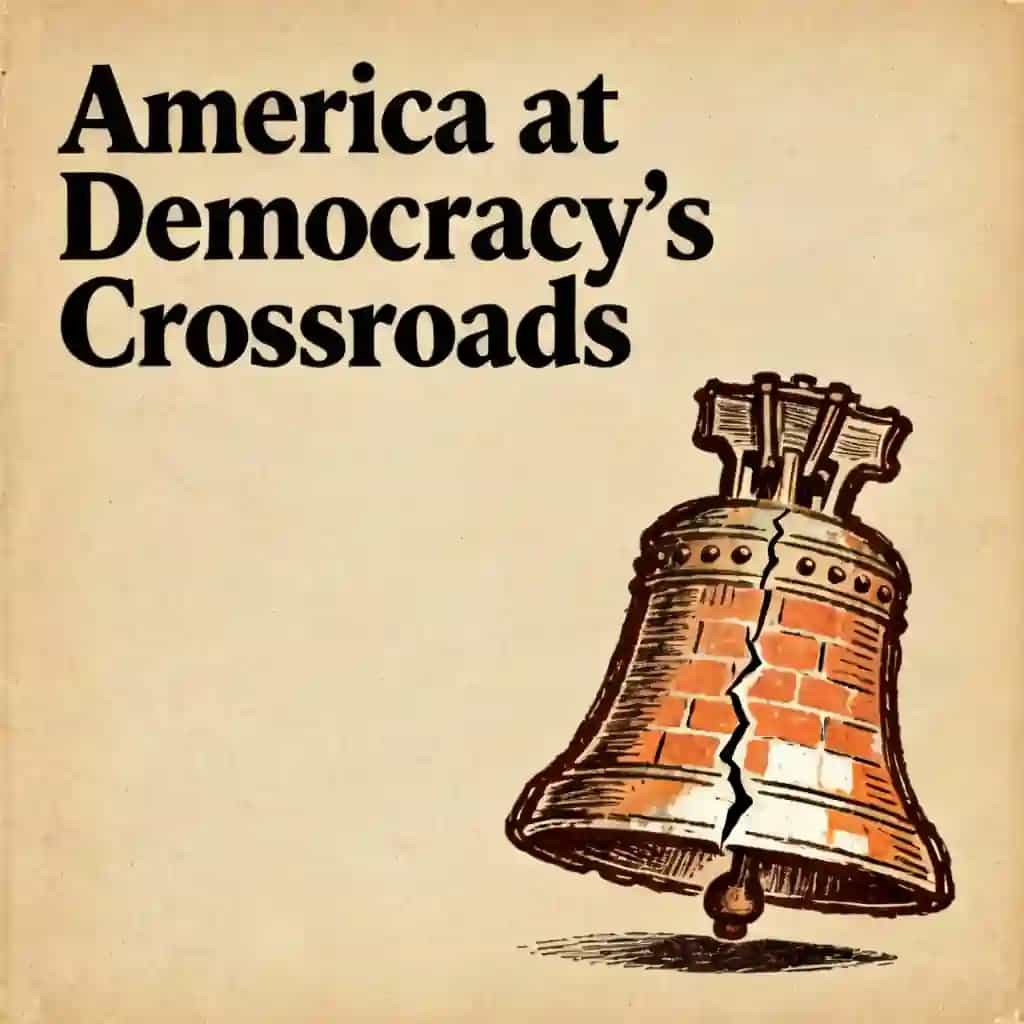
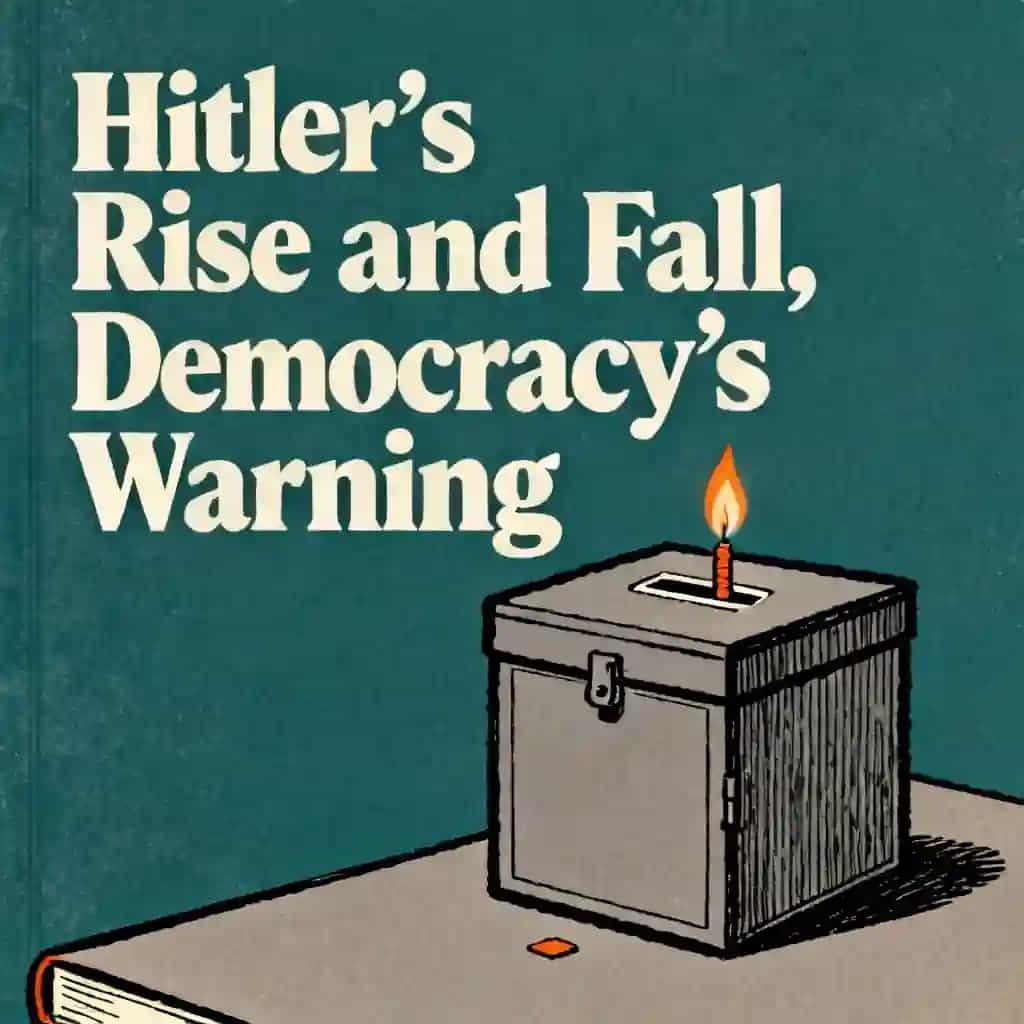
In this urgent 126-page bestseller, historian Timothy Snyder offers twenty lessons to defend democracy against authoritarianism. Topping charts after Trump's inauguration, this "how-to guide for resisting tyranny" became required reading in classrooms nationwide - a stark warning The Washington Post called "clarifying and unnerving."
- Resist anticipatory obedience by refusing to preemptively comply with authoritarian demands
- Defend democratic institutions like courts, media, and unions to prevent authoritarian consolidation
- Believe in truth as a collective good to counter authoritarian reality distortion
- Recognize dangerous words like “emergency” or “extremism” used to justify rights suspension
- Build a mental armory through reading to resist propaganda and historical ignorance
- Avoid normalizing authoritarian rhetoric disguised as political entertainment or partisan loyalty
- Practice small acts of resistance like supporting local journalism to sustain democracy
- Learn from 20th-century Europe’s mistakes to avoid repeating authoritarian patterns today
- Prioritize personal courage in dissent over silent complicity with authoritarian policies
- Reject the four modes of truth erosion: hostility to facts, shamanistic repetition, magical thinking, and misplaced faith
- Strengthen community bonds through intentional conversations to counteract isolation under tyranny
- Timothy Snyder’s On Tyranny warns against treating democracy’s collapse as someone else’s problem
About the Author of Twenty Lessons from the Twentieth Century
Timothy David Snyder, renowned historian and bestselling author of On Tyranny: Twenty Lessons from the Twentieth Century, is the Richard C. Levin Professor of History at Yale University and a permanent fellow at the Institute for Human Sciences in Vienna.
A leading authority on Central and Eastern European history, the Holocaust, and modern authoritarianism, Snyder’s work bridges academic rigor with urgent public discourse. On Tyranny, a political manifesto grounded in 20th-century historical analysis, reflects his decades of research into totalitarian regimes and democratic resilience.
His seminal work Bloodlands: Europe Between Hitler and Stalin, a New York Times bestseller translated into over 40 languages, redefined understanding of mass violence in modern Europe. Snyder’s other notable books, including The Road to Unfreedom and Black Earth, examine ideological manipulation and the erosion of truth in politics.
A frequent commentator in global media and documentaries, he serves on the United States Holocaust Memorial Museum’s Committee on Conscience and holds honors from multiple European nations. On Tyranny has become a cultural touchstone, cited in legislative debates and adapted into graphic editions, solidifying Snyder’s influence as a vital voice for democratic vigilance.
FAQs About Twenty Lessons from the Twentieth Century
What is On Tyranny by Timothy Snyder about?
On Tyranny outlines 20 historical lessons from 20th-century authoritarian regimes like Nazi Germany and Stalinist Russia, offering actionable strategies to safeguard democracy. Snyder emphasizes resisting complacency, defending institutions, and recognizing manipulative tactics used by tyrannical leaders. The book blends political philosophy with urgent warnings about modern threats to freedom.
Who should read On Tyranny?
This book is essential for politically engaged citizens, activists, and students of history or political science. Its concise format (126 pages) makes it accessible to general readers concerned about democratic erosion. Snyder’s insights resonate with those seeking to understand authoritarian playbooks and counter disinformation tactics.
Is On Tyranny worth reading in 2025?
Yes. Despite being written in 2017, its lessons on media literacy, institutional defense, and civic courage remain critical amid rising global authoritarianism. The short, direct chapters provide timeless guidance, though some critiques note its brevity limits depth.
What are the main ideas in On Tyranny?
Key concepts include:
- Anticipatory obedience: Tyrants exploit preemptive compliance to consolidate power.
- Defend institutions: Independent courts, media, and NGOs guard against overreach.
- Truth matters: Reject disinformation and cultivate critical thinking.
- Practice physical civic engagement: Move beyond online activism to real-world solidarity.
What are notable quotes from On Tyranny?
- “Do not obey in advance”: Highlights how preemptive submission enables tyranny.
- “Believe in truth”: Urges resisting lies that erode shared reality.
- “The quicker you let go of old cheese, the sooner you find new cheese”: A metaphor for adapting to change (via J.K. Rowling reference).
How does On Tyranny critique modern politics?
Snyder warns against normalized corruption, distorted language (e.g., “fake news”), and exploitation of crises to suspend rights. He parallels Trump-era rhetoric with historical authoritarian tactics, though some argue this focus risks dating the book.
How does On Tyranny compare to Snyder’s other works?
Unlike his dense historical texts (Bloodlands), On Tyranny is a pragmatic guide. It echoes themes from The Road to Unfreedom but prioritizes brevity over academic rigor, aiming for broad public impact.
What historical examples does Snyder use?
- 1938 Austrian annexation: Illustrates how “anticipatory obedience” enabled Nazi dominance.
- Holocaust and Holodomor: Show institutional collapse’s consequences.
- Soviet propaganda: Demonstrates language manipulation to control narratives.
Why is On Tyranny relevant in 2025?
With AI-driven disinformation and democratic backsliding, Snyder’s call to “investigate” facts, support journalism, and foster community ties remains urgent. Updated editions address post-2020 challenges, reinforcing its applicability.
Who is Timothy Snyder?
A Yale history professor specializing in 20th-century European totalitarianism. His expertise on the Holocaust and Eastern Europe underpins On Tyranny’s historical rigor. Snyder is also a vocal commentator on modern U.S. and global politics.
What criticisms exist about On Tyranny?
Some argue its Trump-era references may age poorly, and its concise format oversimplifies complex issues. However, supporters praise its accessibility and actionable advice for non-academic audiences.
How can On Tyranny’s lessons be applied daily?
- Verify information before sharing.
- Engage locally: Build trust through face-to-face interactions.
- Support independent media: Counteract authoritarian control of narratives.
Feel the book through the author's voice
Turn knowledge into engaging, example-rich insights
Capture key ideas in a flash for fast learning
Enjoy the book in a fun and engaging way
Key Themes in Twenty Lessons from the Twentieth Century
Quotes from Twenty Lessons from the Twentieth Century
Democracy is not a given-it's a fragile achievement.
Wait to be asked.
Institutions don't defend themselves-they need us to defend them.
The warning signs are rarely subtle.
The tragedy is that each small step seemed reasonable at the time.
Characters in Twenty Lessons from the Twentieth Century
Quick Summary Mode - Read or listen to Twenty Lessons from the Twentieth Century Summary in 9 Minutes

Break down key ideas from Twenty Lessons from the Twentieth Century into bite-sized takeaways to understand how innovative teams create, collaborate, and grow.

Flash Card Mode - Top 10 Insights from Twenty Lessons from the Twentieth Century in a Nutshell

Distill Twenty Lessons from the Twentieth Century into rapid-fire memory cues that highlight key principles of candor, teamwork, and creative resilience.

Fun Mode - Twenty Lessons from the Twentieth Century Lessons Told Through 24-Min Stories

Experience Twenty Lessons from the Twentieth Century through vivid storytelling that turns innovation lessons into moments you'll remember and apply.
Personalize Mode - Read or listen to Twenty Lessons from the Twentieth Century Summary in 0 Minutes

Ask anything, pick the voice, and co-create insights that truly resonate with you.

From Columbia University alumni built in San Francisco
"Instead of endless scrolling, I just hit play on BeFreed. It saves me so much time."


"I never knew where to start with nonfiction—BeFreed’s book lists turned into podcasts gave me a clear path."


"Perfect balance between learning and entertainment. Finished ‘Thinking, Fast and Slow’ on my commute this week."
"Crazy how much I learned while walking the dog. BeFreed = small habits → big gains."
"Reading used to feel like a chore. Now it’s just part of my lifestyle."

"Feels effortless compared to reading. I’ve finished 6 books this month already."
"BeFreed turned my guilty doomscrolling into something that feels productive and inspiring."

"BeFreed turned my commute into learning time. 20-min podcasts are perfect for finishing books I never had time for."
"BeFreed replaced my podcast queue. Imagine Spotify for books — that’s it. 🙌"

"It is great for me to learn something from the book without reading it."
"The themed book list podcasts help me connect ideas across authors—like a guided audio journey."
"Makes me feel smarter every time before going to work"
From Columbia University alumni built in San Francisco
"Instead of endless scrolling, I just hit play on BeFreed. It saves me so much time."
"I never knew where to start with nonfiction—BeFreed’s book lists turned into podcasts gave me a clear path."
"Perfect balance between learning and entertainment. Finished ‘Thinking, Fast and Slow’ on my commute this week."
"Crazy how much I learned while walking the dog. BeFreed = small habits → big gains."
"Reading used to feel like a chore. Now it’s just part of my lifestyle."
"Feels effortless compared to reading. I’ve finished 6 books this month already."
"BeFreed turned my guilty doomscrolling into something that feels productive and inspiring."
"BeFreed turned my commute into learning time. 20-min podcasts are perfect for finishing books I never had time for."
"BeFreed replaced my podcast queue. Imagine Spotify for books — that’s it. 🙌"
"It is great for me to learn something from the book without reading it."
"The themed book list podcasts help me connect ideas across authors—like a guided audio journey."
"Makes me feel smarter every time before going to work"
"Instead of endless scrolling, I just hit play on BeFreed. It saves me so much time."
"I never knew where to start with nonfiction—BeFreed’s book lists turned into podcasts gave me a clear path."
"Perfect balance between learning and entertainment. Finished ‘Thinking, Fast and Slow’ on my commute this week."
"Crazy how much I learned while walking the dog. BeFreed = small habits → big gains."
"Reading used to feel like a chore. Now it’s just part of my lifestyle."
"Feels effortless compared to reading. I’ve finished 6 books this month already."
"BeFreed turned my guilty doomscrolling into something that feels productive and inspiring."
"BeFreed turned my commute into learning time. 20-min podcasts are perfect for finishing books I never had time for."
"BeFreed replaced my podcast queue. Imagine Spotify for books — that’s it. 🙌"
"It is great for me to learn something from the book without reading it."
"The themed book list podcasts help me connect ideas across authors—like a guided audio journey."
"Makes me feel smarter every time before going to work"
"Instead of endless scrolling, I just hit play on BeFreed. It saves me so much time."
"I never knew where to start with nonfiction—BeFreed’s book lists turned into podcasts gave me a clear path."
"Perfect balance between learning and entertainment. Finished ‘Thinking, Fast and Slow’ on my commute this week."
"Crazy how much I learned while walking the dog. BeFreed = small habits → big gains."
"Reading used to feel like a chore. Now it’s just part of my lifestyle."
"Feels effortless compared to reading. I’ve finished 6 books this month already."
"BeFreed turned my guilty doomscrolling into something that feels productive and inspiring."
"BeFreed turned my commute into learning time. 20-min podcasts are perfect for finishing books I never had time for."
"BeFreed replaced my podcast queue. Imagine Spotify for books — that’s it. 🙌"
"It is great for me to learn something from the book without reading it."
"The themed book list podcasts help me connect ideas across authors—like a guided audio journey."
"Makes me feel smarter every time before going to work"

Get the Twenty Lessons from the Twentieth Century summary as a free PDF or EPUB. Print it or read offline anytime.