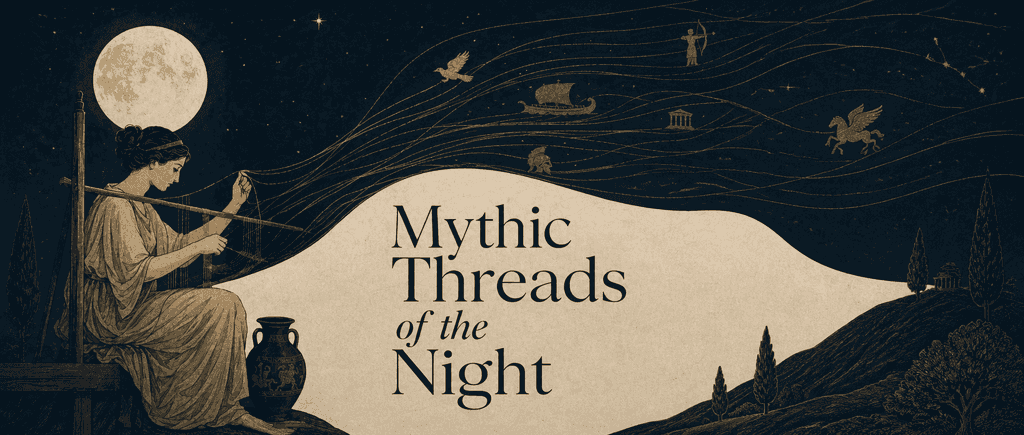
Overview of The Rules of Magic
Hoffman's enchanting prequel to "Practical Magic" explores forbidden love and family curses. Reese Witherspoon's book club pick that USA TODAY awarded 4/4 stars. What ancestral secrets await in this spellbinding tale that Jodi Picoult called "a dream where senses heighten and love reigns"?
- The Rules of Magic explores a family curse born from forbidden love
- Franny Jet and Vincent Owens each possess unique magical abilities
- Alice Hoffman weaves 1960s counterculture into a coming-of-age witch story
- Witches in the Owens family cannot drown in water by nature
- Vincent Owens discovers his power by accepting his love for men
- Aunt Isabelle teaches the siblings to choose courage over caution always
- The prequel to Practical Magic reveals the origins of family magic
- Hoffman shows that self-acceptance is the path to unlocking true power
- The book asks whether love is worth risking a family curse
- Maria Owens's 1620 curse dictates that falling in love brings tragedy
- The Rules of Magic proves magical realism thrives in historical settings
- Franny emerges as the strongest witch despite resisting her magical heritage
About the Author of The Rules of Magic
Alice Hoffman is the bestselling author of The Rules of Magic and one of America's most celebrated novelists, known for blending magical realism with contemporary fiction. Born in New York City in 1952, Hoffman has published over thirty works exploring themes of family, love, identity, and the supernatural.
Her signature style weaves ordinary lives with elements of magic and folklore, creating deeply emotional narratives about women discovering their power and place in the world.
The Rules of Magic is a prequel to her beloved novel Practical Magic, which was adapted into a major film starring Sandra Bullock and Nicole Kidman. Hoffman's expertise in magical realism stems from her lifelong fascination with fairy tales and fantasy, combined with her Stanford MFA in creative writing. Her other acclaimed works include The Dovekeepers, The Marriage of Opposites, and Here on Earth, an Oprah's Book Club selection.
Hoffman's books have been translated into more than twenty languages and published in over one hundred foreign editions worldwide, establishing her as a master of contemporary magical fiction.
FAQs About The Rules of Magic
What is The Rules of Magic by Alice Hoffman about?
The Rules of Magic is a prequel to Practical Magic that tells the coming-of-age story of Frances, Jet, and Vincent Owens—three siblings growing up in 1950s-1960s New York who discover they are witches. The book follows their journey as they learn to embrace their magical heritage while navigating a centuries-old family curse: any man who falls in love with an Owens woman will die. Set against the backdrop of the 1960s counterculture, the novel explores how the siblings grapple with their identities, forbidden love, and the weight of their family legacy.
Who should read The Rules of Magic?
The Rules of Magic is ideal for readers who love magical realism, family sagas, and historical fiction set in the 1960s. Fans of Practical Magic will appreciate this prequel's deeper exploration of the Owens family origins, while newcomers can enjoy it as a standalone novel. The book appeals to those interested in coming-of-age stories about self-acceptance, witchcraft folklore, and complex sibling relationships. Readers who enjoy atmospheric writing that blends the ordinary with the supernatural will find Alice Hoffman's prose particularly captivating.
Is The Rules of Magic by Alice Hoffman worth reading?
The Rules of Magic is widely praised for its rich character development, evocative 1960s setting, and emotional depth. Alice Hoffman expertly weaves themes of identity, family legacy, and the courage to embrace one's true self into a compelling narrative about three witches finding their place in the world. The prequel expands the Practical Magic universe while standing on its own merits, offering both magical elements and profound insights about love, loss, and self-acceptance. Readers consistently praise Hoffman's lyrical prose and the book's ability to blend fantasy with genuine human emotion.
Who is Alice Hoffman and what is her writing style?
Alice Hoffman, born March 16, 1952, is an acclaimed American novelist known for blending realism with magical elements. She has written over thirty works of fiction, including the bestselling Practical Magic, which was adapted into a film. Hoffman's writing style is characterized by lyrical prose, richly drawn characters, and themes exploring women's identities, family dynamics, and the intersection of the ordinary and extraordinary. Her novels often incorporate elements of folklore, magical realism, and historical settings, creating atmospheric stories that resonate with both literary and commercial audiences.
What is the Owens family curse in The Rules of Magic?
The Owens family curse originated in 1620 when their ancestor Maria Owens was charged with witchery for loving the wrong man—John Hathorne, a witch-hunter who abandoned her. The curse decrees that any man who falls in love with an Owens woman will meet his death. This dark legacy haunts the Owens siblings throughout The Rules of Magic as they witness firsthand the fatal consequences when boys fall for Frances and Jet. The curse represents both a supernatural punishment and a metaphor for the cost of denying one's true self, as Aunt Isabelle reveals that forgiveness between the Owens and Hathorne families could begin breaking it.
Do you need to read Practical Magic before The Rules of Magic?
You do not need to read Practical Magic before The Rules of Magic, as the prequel stands alone as a complete story. The Rules of Magic actually takes place decades earlier, following the aunts from Practical Magic—Frances and Jet—during their youth in the 1950s-1960s. However, reading Practical Magic first adds deeper appreciation for references and character connections, while reading The Rules of Magic first provides richer context for the original novel. Both reading orders offer rewarding experiences, depending on whether you prefer chronological storytelling or discovering the family's origins after meeting the modern-day characters.
Who are the main characters in The Rules of Magic?
The three Owens siblings are the heart of The Rules of Magic:
- Frances (Franny), the eldest, who can levitate and becomes the family's guardian
- Bridget (Jet), the beautiful middle child who attracts dangerous love and eventually finds solace with Rafael
- Vincent, the rebellious youngest who can predict the future and grapples with his identity and addictive nature
Their Aunt Isabelle, a formidable witch skilled in herbology, serves as their mentor in Massachusetts, teaching them to embrace their powers. April Owens, their sophisticated cousin, and Haylin Walker, Frances's forbidden love interest, also play pivotal roles in the siblings' magical awakening.
What are the main themes in The Rules of Magic by Alice Hoffman?
The Rules of Magic explores:
- Self-acceptance as its central theme—the siblings must learn to embrace their witch identity rather than deny it.
- Love and sacrifice permeate the narrative as characters navigate the family curse and forbidden relationships.
- Family legacy and how ancestral choices shape present lives, connecting the Owens lineage back to Maria Owens and John Hathorne.
- Coming-of-age unfolds against the 1960s counterculture as the siblings discover their powers and true selves.
Additional themes include the consequences of hatred versus forgiveness, the price of using dark magic, and finding one's place in a world that fears difference.
When and where does The Rules of Magic take place?
The Rules of Magic begins in 1950s New York City, where the Owens siblings grow up under their mother Susanna's strict rules designed to suppress their magical heritage. The story spans from the late 1950s through the 1960s, with pivotal scenes set in Massachusetts at Aunt Isabelle's ancestral home on Magnolia Street in a town where locals fear the Owens family. The siblings later settle in Greenwich Village, opening a shop selling plant-based cures during the counterculture movement. The 1960s setting provides a rich historical backdrop—including references to LSD, the Vietnam War draft, and the era's social upheaval—that mirrors the characters' internal struggles for freedom and authenticity.
What magical abilities do the Owens siblings have in The Rules of Magic?
Each Owens sibling possesses unique magical gifts in The Rules of Magic:
- Frances can levitate, making herself float through the air
- Vincent can predict the future, seeing visions of what's to come in mirrors and dreams
- Jet can hear people's thoughts, though her self-hatred initially blocks this ability
All three are bloodline witches with inherent powers rather than learned magic. They also share general witch abilities like affinity with animals—Frances bonds with a crow, Vincent with a German shepherd named Harry, and Jet with various creatures. Under Aunt Isabelle's guidance, they learn practical magic including creating love potions, hexes, protection charms, and plant-based remedies.
What role does Aunt Isabelle play in The Rules of Magic?
Aunt Isabelle serves as the siblings' magical mentor and the keeper of Owens family wisdom in The Rules of Magic. Despite her diminutive size, she possesses imposing presence and deep knowledge of herbology, providing plant-based cures to local women after midnight from her Massachusetts home. Isabelle teaches the children to embrace rather than deny their witch heritage, using cautionary tales like cousin Maggie's transformation into a rabbit to illustrate the dangers of self-loathing. She guides them through their first magical experiences, helps Vincent understand his addictive nature, shows Frances the family grimoire full of spells, and ultimately reveals the truth about their ancestry connecting them to both witch Maria Owens and witch-hunter John Hathorne.
How does The Rules of Magic explore the cost of denying your true self?
The Rules of Magic powerfully illustrates that denying one's true nature causes more harm than embracing it. Susanna Owens attempts to protect her children by suppressing their magic with strict rules against wearing black, keeping cats, or walking in moonlight, but this denial only leads to their unprepared confrontation with the family curse. Aunt Isabelle reveals that the curse itself stems from self-denial and hatred, explaining how cousin Maggie's self-loathing literally transformed her into a rabbit. The novel shows that when the siblings try to hide their powers or resist their identities—whether Frances avoiding Haylin or Jet attempting suicide—they suffer deeply. Only by accepting their witch heritage and authentic selves can they find peace and potentially break the curse through forgiveness rather than continued denial.
Feel the book through the author's voice
Turn knowledge into engaging, example-rich insights
Capture key ideas in a flash for fast learning
Enjoy the book in a fun and engaging way
Characters in The Rules of Magic
- Franny OwensThe eldest sibling who chooses courage over caution
- Jet OwensA beautiful sister haunted by a deadly love curse
- Vincent OwensThe rebellious brother who warns of heartaches
- Aunt IsabelleThe relative who teaches the siblings about magic
- Levi WillardThe reverend's son who falls in love with Jet
Key Themes in The Rules of Magic
- generational curses
- magical realism
- forbidden love
- sisterhood bonds
- sixties counterculture
Quotes from The Rules of Magic
You can't make me if I don't want to.
That's one you have to discover for yourself.
Explore Your Way of Learning
 Quick Summary Mode
Read or listen to The Rules of Magic Summary in 8 Minutes
Break down key ideas from The Rules of Magic into bite-sized takeaways to understand how innovative teams create, collaborate, and grow.

 Fun Mode
The Rules of Magic Lessons Told Through 22-Min Stories
Experience The Rules of Magic through vivid storytelling that turns innovation lessons into moments you'll remember and apply.
 Personalize Mode
Experience The Rules of Magic in your own learning style
Ask anything, choose your learning style, and co-create insights that truly resonate with you.
From Columbia University alumni built in San Francisco
"Instead of endless scrolling, I just hit play on BeFreed. It saves me so much time."


"I never knew where to start with nonfiction—BeFreed’s book lists turned into podcasts gave me a clear path."


"Perfect balance between learning and entertainment. Finished ‘Thinking, Fast and Slow’ on my commute this week."
"Crazy how much I learned while walking the dog. BeFreed = small habits → big gains."
"Reading used to feel like a chore. Now it’s just part of my lifestyle."

"Feels effortless compared to reading. I’ve finished 6 books this month already."
"BeFreed turned my guilty doomscrolling into something that feels productive and inspiring."

"BeFreed turned my commute into learning time. 20-min podcasts are perfect for finishing books I never had time for."
"BeFreed replaced my podcast queue. Imagine Spotify for books — that’s it. 🙌"

"It is great for me to learn something from the book without reading it."
"The themed book list podcasts help me connect ideas across authors—like a guided audio journey."
"Makes me feel smarter every time before going to work"
From Columbia University alumni built in San Francisco
"Instead of endless scrolling, I just hit play on BeFreed. It saves me so much time."
"I never knew where to start with nonfiction—BeFreed’s book lists turned into podcasts gave me a clear path."
"Perfect balance between learning and entertainment. Finished ‘Thinking, Fast and Slow’ on my commute this week."
"Crazy how much I learned while walking the dog. BeFreed = small habits → big gains."
"Reading used to feel like a chore. Now it’s just part of my lifestyle."
"Feels effortless compared to reading. I’ve finished 6 books this month already."
"BeFreed turned my guilty doomscrolling into something that feels productive and inspiring."
"BeFreed turned my commute into learning time. 20-min podcasts are perfect for finishing books I never had time for."
"BeFreed replaced my podcast queue. Imagine Spotify for books — that’s it. 🙌"
"It is great for me to learn something from the book without reading it."
"The themed book list podcasts help me connect ideas across authors—like a guided audio journey."
"Makes me feel smarter every time before going to work"
"Instead of endless scrolling, I just hit play on BeFreed. It saves me so much time."
"I never knew where to start with nonfiction—BeFreed’s book lists turned into podcasts gave me a clear path."
"Perfect balance between learning and entertainment. Finished ‘Thinking, Fast and Slow’ on my commute this week."
"Crazy how much I learned while walking the dog. BeFreed = small habits → big gains."
"Reading used to feel like a chore. Now it’s just part of my lifestyle."
"Feels effortless compared to reading. I’ve finished 6 books this month already."
"BeFreed turned my guilty doomscrolling into something that feels productive and inspiring."
"BeFreed turned my commute into learning time. 20-min podcasts are perfect for finishing books I never had time for."
"BeFreed replaced my podcast queue. Imagine Spotify for books — that’s it. 🙌"
"It is great for me to learn something from the book without reading it."
"The themed book list podcasts help me connect ideas across authors—like a guided audio journey."
"Makes me feel smarter every time before going to work"
"Instead of endless scrolling, I just hit play on BeFreed. It saves me so much time."
"I never knew where to start with nonfiction—BeFreed’s book lists turned into podcasts gave me a clear path."
"Perfect balance between learning and entertainment. Finished ‘Thinking, Fast and Slow’ on my commute this week."
"Crazy how much I learned while walking the dog. BeFreed = small habits → big gains."
"Reading used to feel like a chore. Now it’s just part of my lifestyle."
"Feels effortless compared to reading. I’ve finished 6 books this month already."
"BeFreed turned my guilty doomscrolling into something that feels productive and inspiring."
"BeFreed turned my commute into learning time. 20-min podcasts are perfect for finishing books I never had time for."
"BeFreed replaced my podcast queue. Imagine Spotify for books — that’s it. 🙌"
"It is great for me to learn something from the book without reading it."
"The themed book list podcasts help me connect ideas across authors—like a guided audio journey."
"Makes me feel smarter every time before going to work"

Download Summary of The Rules of Magic
Get the The Rules of Magic summary as a free PDF or EPUB. Print it or read offline anytime.