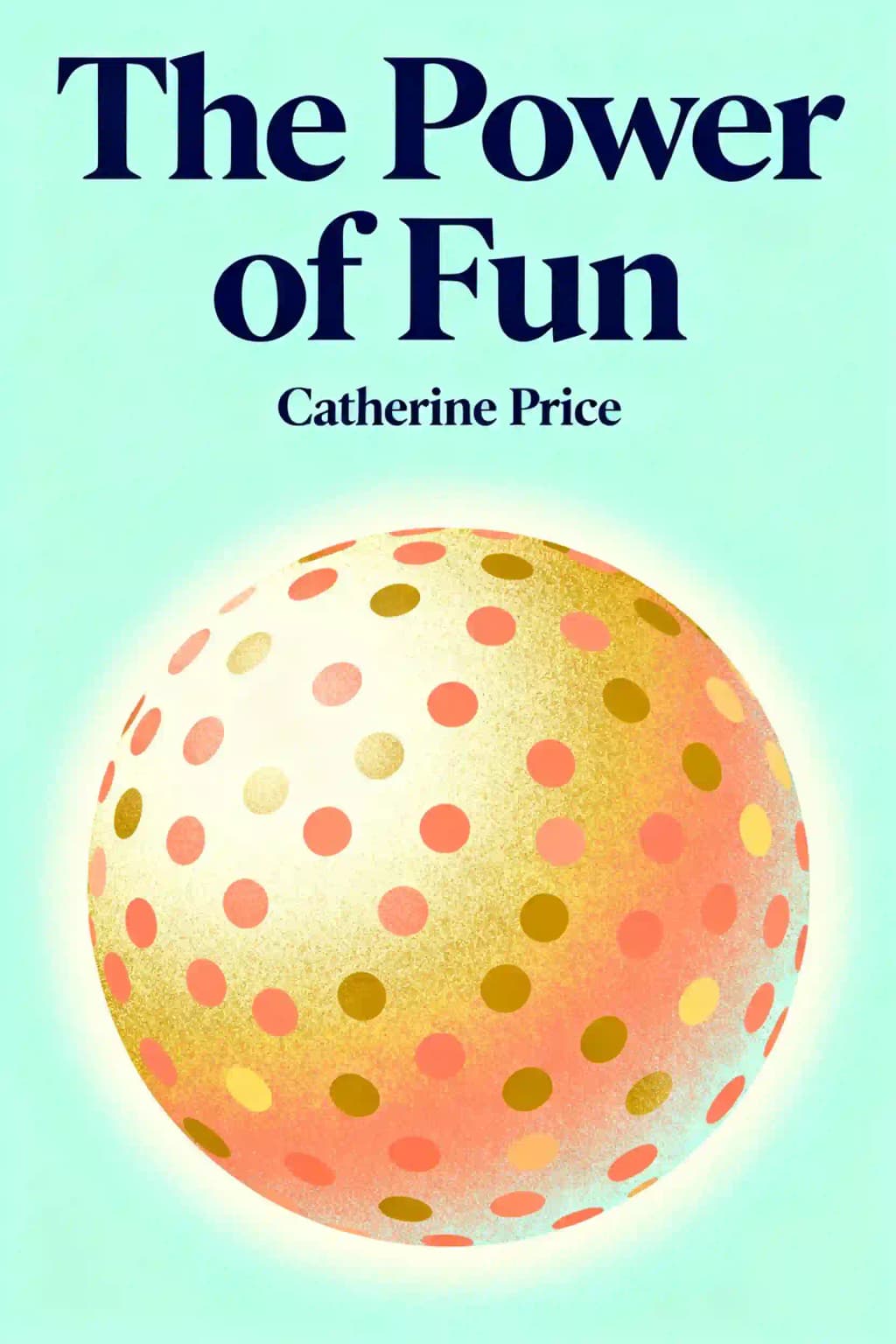
Power of Fun
Why Fun Is the Key to a Happy and Healthy Life
Overview of Power of Fun
In "The Power of Fun," science journalist Catherine Price reveals how "True Fun" - the intersection of playfulness, connection, and flow - can rescue us from screen addiction and languishing. Amazon Editor's Pick that's transforming work-life balance conversations nationwide. What's your fun deficit costing you?

Key Themes in Power of Fun
- digital minimalism
- playfulness and flow
- screen addiction recovery
- intentional leisure
- social connection
Quotes from Power of Fun
True Fun exists exclusively in the present tense.
Judgment also kills fun.
Our attention determines what we experience and remember.
Our phones function like pocket slot machines.
True Fun isn't just enjoyable-it's transformative.
Characters in Power of Fun
- Catherine PriceAuthor and subject exploring the science of fun
- Johan HuizingaScholar who defined fun as a primary category
- The Fun SquadGlobal group of 1,500 people sharing experiences
About the Author
About the Author of Power of Fun
Catherine Price is the bestselling author of The Power of Fun: How to Feel Alive Again and an award-winning science journalist renowned for her expertise in digital wellness and mindful living. A former contributor to The New York Times and Popular Science, she merges scientific research with accessible self-help strategies, specializing in screen/life balance and the psychology of joy. Her prior book, How to Break Up with Your Phone, became an international phenomenon, published in 30 countries and endorsed by NPR and BBC World News.
Dubbed “the Marie Kondo of brains” by The New York Times, Price founded ScreenLifeBalance.com and hosts workshops for organizations seeking healthier tech habits.
Her Substack newsletter offers practical guidance on smartphones, social media, and cultivating genuine fulfillment. A sought-after speaker featured in TEDx talks and corporate leadership programs, Price combines humor with evidence-based insights. The Power of Fun has been celebrated as “the book everyone needs to read” by The Independent, solidifying her status as a leading voice in modern well-being. Her viral 30-day phone detox program attracted over 2 million readers within a week of its 2022 Times feature.
Download Summary of Power of Fun
Get the Power of Fun summary as a free PDF or EPUB. Print it or read offline anytime.
FAQs About This Book
The Power of Fun explores how prioritizing "True Fun"—defined by playfulness, connection, and flow—can enhance well-being, reduce stress, and combat modern dissatisfaction. Price critiques passive distractions ("Fake Fun") and offers the SPARK framework to intentionally cultivate joy through mindset shifts and practical strategies.
This book suits anyone feeling stuck in routines, overwhelmed by screens, or seeking more fulfillment. It’s particularly relevant for mindfulness enthusiasts, productivity hackers, and those wanting to balance technology use with authentic experiences.
Yes—the book blends science, anecdotes, and actionable steps to help readers rediscover joy. It’s praised for its research-backed approach and practical tools like the Fun Audit, making it valuable for personal growth and screen-life balance.
The SPARK framework provides steps to cultivate True Fun:
- Make Space (clear distractions)
- Pursue Passions (prioritize meaningful activities)
- Attract Fun (seek environments/people that spark joy)
- Rebel (reject societal stigma around fun)
- Keep at It (maintain consistency)
True Fun combines playfulness (lighthearted engagement), connection (shared experiences), and flow (immersive focus). Unlike Fake Fun (e.g., passive scrolling), it leaves you energized and fulfilled.
- True Fun: Active, socially engaging, and immersive (e.g., game nights, creative hobbies).
- Fake Fun: Passive, isolating, and draining (e.g., binge-watching, mindless scrolling). Price argues Fake Fun exacerbates stress, while True Fun revitalizes.
The Fun Audit involves tracking daily activities to identify what generates True Fun versus draining habits. Readers then eliminate "Fun-Sucking" tasks and prioritize activities that align with playfulness, connection, and flow.
- Schedule “playgrounds” (time/space for spontaneity).
- Embrace imperfection to combat perfectionism.
- Pair chores with fun (e.g., listening to music while cleaning).
- Limit screen time to create mental space for joy.
Flow—a state of deep immersion—is central to True Fun. Price suggests choosing challenges that match skill levels (e.g., puzzles, sports) and minimizing distractions to achieve flow, which boosts happiness and creativity.
- “Fun is not frivolous; it’s a biological necessity.”
- “Perfectionism kills playfulness.”
- “Your phone is not the enemy—your relationship with it is.”
As screen dependency grows, Price’s strategies help readers reclaim attention and combat digital overload. Her emphasis on intentional joy aligns with rising trends in mental health and workplace well-being.
Some argue the focus on “maximizing fun” could overlook life’s responsibilities. However, Price clarifies her approach integrates fun into existing routines rather than replacing purpose-driven goals.