

Overview of Who stole the American dream? Can we get it back?
Pulitzer winner Hedrick Smith exposes who hijacked America's middle-class prosperity in this bestseller that shocked Washington insiders. Tracing how trillions transferred from homeowners to banks, Smith reveals the policy shifts that dismantled the American Dream - and how we might reclaim it.
- Corporate tax loopholes incentivize offshoring jobs over strengthening U.S. employment.
- The 2008 crisis exposed systemic political failures favoring Wall Street over Main Street.
- Wealth disparity created "Two Americas" with the top 1% controlling 2/3 of U.S. wealth.
- Reviving manufacturing requires a Domestic Marshall Plan for infrastructure and innovation.
- Grassroots movements like Occupy Wall Street redefined economic inequality as the 99% vs. 1%.
- Post-1970s policies dismantled middle-class prosperity through union erosion and wage stagnation.
- Reforming corporate tax codes could recover trillions lost to offshore profit shelters.
- Hedrick Smith links congressional gridlock to corporate lobbying and campaign finance influence.
- Restoring the American Dream demands buy-American campaigns and fair trade enforcement.
- The 1960s middle class thrived before Reaganomics shifted wealth upward via tax cuts.
- Homeowner bailouts could unlock economic growth by boosting consumer spending power.
- Collective action, not partisan politics, is key to reversing four decades of decline.
About the Author of Who stole the American dream? Can we get it back?
Hedrick Smith, Pulitzer Prize-winning journalist and bestselling author of Who Stole the American Dream?, is renowned for his incisive analyses of American politics and economics. A former New York Times correspondent and bureau chief in Moscow and Washington, Smith brings decades of frontline reporting experience to his exploration of systemic inequality and corporate power in modern America. His expertise spans global affairs, investigative journalism, and documentary filmmaking, with prior works like The Russians and The Power Game: How Washington Works establishing him as a leading voice in political commentary.
Beyond his Pulitzer-winning coverage of the Pentagon Papers and Soviet politics, Smith has produced over 50 PBS documentaries, including Emmy-winning investigations into Wall Street practices and grassroots reform movements. As executive editor of ReclaimTheAmericanDream.org, he continues to advocate for economic justice through nonpartisan analysis. Smith’s 1974 international reporting Pulitzer and two duPont-Columbia Awards underscore his journalistic authority.
Who Stole the American Dream? became a national bestseller, translated into 16 languages, and remains pivotal in debates about wealth disparity. His PBS specials on economic themes have reached millions, cementing his role as a trusted explainer of complex societal shifts.
FAQs About Who stole the American dream? Can we get it back?
What is Who Stole the American Dream? about?
Who Stole the American Dream? by Hedrick Smith examines the systemic dismantling of middle-class prosperity since the 1970s, tracing how corporate lobbying, shifting political policies, and financial deregulation concentrated wealth among the top 1%. Smith highlights pivotal moments like the 1971 Powell Memo and tax reforms favoring corporations, arguing these actions eroded economic equality and democratic stability.
Who should read Who Stole the American Dream?
This book is essential for readers interested in economic inequality, political science, or modern U.S. history. Policymakers, educators, and activists will find its analysis of corporate influence on democracy and actionable solutions like a "Domestic Marshall Plan" particularly valuable.
Is Who Stole the American Dream? worth reading?
Yes. Pulitzer Prize-winning journalist Hedrick Smith combines rigorous research with accessible storytelling, offering a compelling critique of wealth disparity. The Seattle Times praised its "precision, detail, and accessibility," while Kirkus Reviews called it "brilliant" for linking historical policies to today’s economic challenges.
What caused the decline of the American middle class according to Smith?
Smith identifies corporate lobbying, tax policies favoring the wealthy, offshoring of jobs, and financial deregulation as key drivers. He argues that initiatives like the 1971 Powell Memo—a corporate blueprint to influence politics—redirected economic gains upward, stagnating wages and shrinking middle-class opportunities.
What solutions does Who Stole the American Dream? propose?
Smith advocates for a New Deal-style "Domestic Marshall Plan" to revive manufacturing, invest in infrastructure, and prioritize middle-class needs. This includes public-private job creation, fairer tax laws, and challenging unfair trade practices like China’s currency manipulation.
How does Smith view the role of government in the economy?
He contends that government has historically been central to economic growth, citing the New Deal and interstate highway system. Smith urges a proactive industrial policy to counterbalance corporate power and rebuild equitable growth, rejecting laissez-faire approaches.
What quotes highlight the book’s key themes?
- “The Power Shift”: “Business leaders realized they could rewrite the rules of politics to favor their interests”.
- On Inequality: “The top 1% captured two-thirds of America’s wealth gains between 2002 and 2012”.
These underscore Smith’s focus on systemic inequity and collective action.
How does Who Stole the American Dream? compare to other economic critiques?
Unlike purely theoretical analyses, Smith blends data with human stories—e.g., factory closures—to show policy impacts on everyday Americans. While Thomas Piketty’s Capital focuses on wealth trends, Smith emphasizes actionable reforms and historical turning points.
What criticisms exist about the book?
Some argue Smith’s call for grassroots activism understates entrenched corporate power. Critics also note his solutions—like infrastructure investment—require political unity, which remains elusive in polarized climates.
Why is Who Stole the American Dream? relevant today?
With rising income inequality and debates over tax reforms, Smith’s analysis of corporate lobbying and wage stagnation remains urgent. The book’s 2023 resurgence reflects ongoing concerns about automation, globalization, and fair wages.
What role does corporate lobbying play in Smith’s analysis?
Smith identifies lobbying as a primary tool for reshaping laws to benefit corporations, such as tax breaks and deregulation. The U.S. Chamber of Commerce and Walmart are cited as key players in undermining labor rights and outsourcing jobs.
How does Smith connect economic policies to democracy?
He argues that a thriving middle class is vital for democracy, as economic stability fosters civic engagement. Concentrated wealth, however, distorts political representation, privileging corporate donors over ordinary voters.
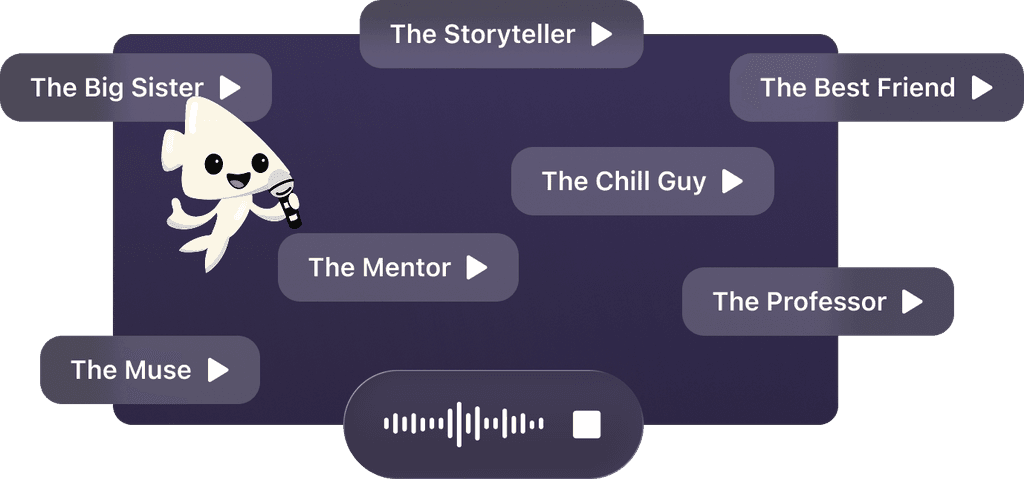
Feel the book through the author's voice
Turn knowledge into engaging, example-rich insights
Capture key ideas in a flash for fast learning
Enjoy the book in a fun and engaging way
Characters in Who stole the American dream? Can we get it back?
- Hedrick SmithAuthor and Pulitzer Prize-winning journalist
- Lewis PowellCorporate attorney and author of a pivotal memo
- Charles MurraySociologist who warned of class divisions
- Ralph NaderConsumer advocate whose agency bill was defeated
Key Themes in Who stole the American dream? Can we get it back?
- middle class erosion
- corporate lobbying power
- wealth inequality gap
- pension system collapse
- political plutocracy
Quotes from Who stole the American dream? Can we get it back?
Constant conflict has replaced common purpose.
America is "coming apart at the seams".
Concentrated wealth actually works against economic growth.
We've lost our status as "the land of opportunity".
"Money is color-blind," he reasoned.
Explore Your Way of Learning
 Quick Summary Mode
Read or listen to Who stole the American dream? Can we get it back? Summary in 9 Minutes
Break down key ideas from Who stole the American dream? Can we get it back? into bite-sized takeaways to understand how innovative teams create, collaborate, and grow.

 Fun Mode
Who stole the American dream? Can we get it back? Lessons Told Through 26-Min Stories
Experience Who stole the American dream? Can we get it back? through vivid storytelling that turns innovation lessons into moments you'll remember and apply.
 Personalize Mode
Experience Who stole the American dream? Can we get it back? in your own learning style
Ask anything, choose your learning style, and co-create insights that truly resonate with you.
From Columbia University alumni built in San Francisco
"Instead of endless scrolling, I just hit play on BeFreed. It saves me so much time."


"I never knew where to start with nonfiction—BeFreed’s book lists turned into podcasts gave me a clear path."


"Perfect balance between learning and entertainment. Finished ‘Thinking, Fast and Slow’ on my commute this week."
"Crazy how much I learned while walking the dog. BeFreed = small habits → big gains."
"Reading used to feel like a chore. Now it’s just part of my lifestyle."

"Feels effortless compared to reading. I’ve finished 6 books this month already."
"BeFreed turned my guilty doomscrolling into something that feels productive and inspiring."

"BeFreed turned my commute into learning time. 20-min podcasts are perfect for finishing books I never had time for."
"BeFreed replaced my podcast queue. Imagine Spotify for books — that’s it. 🙌"

"It is great for me to learn something from the book without reading it."
"The themed book list podcasts help me connect ideas across authors—like a guided audio journey."
"Makes me feel smarter every time before going to work"
From Columbia University alumni built in San Francisco
"Instead of endless scrolling, I just hit play on BeFreed. It saves me so much time."
"I never knew where to start with nonfiction—BeFreed’s book lists turned into podcasts gave me a clear path."
"Perfect balance between learning and entertainment. Finished ‘Thinking, Fast and Slow’ on my commute this week."
"Crazy how much I learned while walking the dog. BeFreed = small habits → big gains."
"Reading used to feel like a chore. Now it’s just part of my lifestyle."
"Feels effortless compared to reading. I’ve finished 6 books this month already."
"BeFreed turned my guilty doomscrolling into something that feels productive and inspiring."
"BeFreed turned my commute into learning time. 20-min podcasts are perfect for finishing books I never had time for."
"BeFreed replaced my podcast queue. Imagine Spotify for books — that’s it. 🙌"
"It is great for me to learn something from the book without reading it."
"The themed book list podcasts help me connect ideas across authors—like a guided audio journey."
"Makes me feel smarter every time before going to work"
"Instead of endless scrolling, I just hit play on BeFreed. It saves me so much time."
"I never knew where to start with nonfiction—BeFreed’s book lists turned into podcasts gave me a clear path."
"Perfect balance between learning and entertainment. Finished ‘Thinking, Fast and Slow’ on my commute this week."
"Crazy how much I learned while walking the dog. BeFreed = small habits → big gains."
"Reading used to feel like a chore. Now it’s just part of my lifestyle."
"Feels effortless compared to reading. I’ve finished 6 books this month already."
"BeFreed turned my guilty doomscrolling into something that feels productive and inspiring."
"BeFreed turned my commute into learning time. 20-min podcasts are perfect for finishing books I never had time for."
"BeFreed replaced my podcast queue. Imagine Spotify for books — that’s it. 🙌"
"It is great for me to learn something from the book without reading it."
"The themed book list podcasts help me connect ideas across authors—like a guided audio journey."
"Makes me feel smarter every time before going to work"
"Instead of endless scrolling, I just hit play on BeFreed. It saves me so much time."
"I never knew where to start with nonfiction—BeFreed’s book lists turned into podcasts gave me a clear path."
"Perfect balance between learning and entertainment. Finished ‘Thinking, Fast and Slow’ on my commute this week."
"Crazy how much I learned while walking the dog. BeFreed = small habits → big gains."
"Reading used to feel like a chore. Now it’s just part of my lifestyle."
"Feels effortless compared to reading. I’ve finished 6 books this month already."
"BeFreed turned my guilty doomscrolling into something that feels productive and inspiring."
"BeFreed turned my commute into learning time. 20-min podcasts are perfect for finishing books I never had time for."
"BeFreed replaced my podcast queue. Imagine Spotify for books — that’s it. 🙌"
"It is great for me to learn something from the book without reading it."
"The themed book list podcasts help me connect ideas across authors—like a guided audio journey."
"Makes me feel smarter every time before going to work"

Download Summary of Who stole the American dream? Can we get it back?
Get the Who stole the American dream? Can we get it back? summary as a free PDF or EPUB. Print it or read offline anytime.


