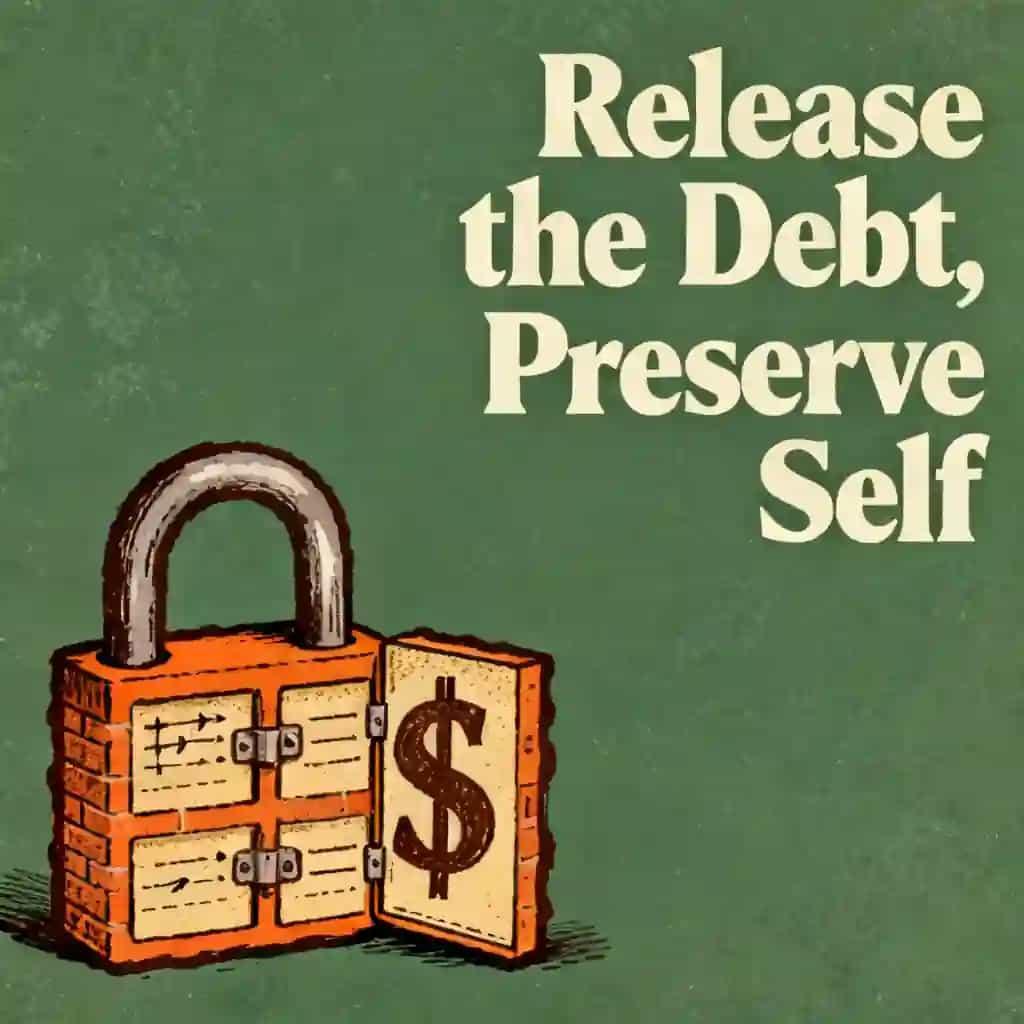
The Book of Forgiving: The Fourfold Path for Healing Ourselves and Our World by Desmond Tutu & Mpho Tutu Summary

Overview of The Book of Forgiving
Nobel laureate Desmond Tutu's transformative guide to healing through forgiveness. Drawing from South Africa's Truth and Reconciliation Commission, this four-step path has influenced global conflict resolution. Tony Robbins champions its wisdom - can you forgive the unforgivable and find freedom?
- Forgiveness is a conscious choice that frees you from resentment's weight.
- Desmond and Mpho Tutu's Fourfold Path transforms victims into heroes through structured healing.
- Telling your story reclaims dignity while naming hurts initiates emotional liberation.
- Granting forgiveness dismantles bitterness without absolving perpetrators of accountability.
- Renewing or releasing relationships completes healing by choosing closure or reconciliation.
- Shared humanity recognition dissolves "us vs them" mentalities fueling cycles of harm.
- Unconditional forgiveness untethers victims from their perpetrators' control over happiness.
- Healing requires carrying pain's weight consciously before releasing it through grace.
- Forgiveness flourishes through humility — "I could have been the perpetrator too."
- The Tutus frame forgiveness as radical self-care, not weakness or quick reconciliation.
- Justice and forgiveness coexist when accountability anchors transformative healing processes.
- Personal peace blooms by exchanging vengeance narratives for empathetic understanding.
About the Author of The Book of Forgiving
Desmond Mpilo Tutu and Mpho Andrea Tutu van Furth, Nobel Peace Laureate and Anglican priest respectively, co-authored The Book of Forgiving: The Fourfold Path for Healing Ourselves and Our World, a transformative guide rooted in their lifelong advocacy for reconciliation and human rights.
Desmond Tutu, renowned for his role as Chair of South Africa’s Truth and Reconciliation Commission, drew from his historic work dismantling apartheid, while Mpho Tutu—founder of the Desmond and Leah Tutu Legacy Foundation—contributed her expertise in theology and social justice.
Their collaborative work blends spiritual wisdom with practical steps, reflecting decades of activism and Desmond’s globally recognized books like No Future Without Forgiveness and The Book of Joy (co-written with the Dalai Lama). Mpho’s additional works, including Made for Goodness, further cement their authority in moral leadership.
Translated into over 20 languages, The Book of Forgiving is widely used in interfaith dialogues, therapeutic practices, and peacebuilding initiatives worldwide.
FAQs About The Book of Forgiving
What is The Book of Forgiving by Desmond Tutu about?
The Book of Forgiving outlines a four-step framework for healing through forgiveness, blending personal stories, spiritual wisdom, and practical exercises. Co-authored by Nobel laureate Desmond Tutu and his daughter Mpho Tutu, it emphasizes forgiveness as a transformative act for individuals and communities, addressing trauma, reconciliation, and self-healing.
Who should read The Book of Forgiving?
This book is ideal for individuals grappling with personal betrayal, societal injustice, or historical trauma. It’s also valuable for counselors, activists, and anyone seeking tools to navigate grief, repair relationships, or foster communal healing. The universal principles apply across cultural and religious contexts.
What is the "Fourfold Path" described in the book?
The Fourfold Path is a structured forgiveness process:
- Telling the Story (acknowledging harm).
- Naming the Hurt (identifying emotional impacts).
- Granting Forgiveness (releasing resentment).
- Renewing/Releasing the Relationship (deciding reconciliation or separation). This framework aims to break cycles of pain and empower healing.
What are key quotes from The Book of Forgiving?
- “To forgive is not just to be altruistic. It is the best form of self-interest.”
- “Without forgiveness, we remain tethered to the person who harmed us.” These quotes underscore forgiveness as liberation from bitterness, prioritizing inner peace over retribution.
How does the book address self-forgiveness?
It dedicates a chapter to self-forgiveness, arguing that self-compassion is essential for holistic healing. The authors provide reflective exercises to confront guilt, embrace accountability, and release self-condemnation, framing self-forgiveness as a step toward loving others.
What criticisms exist about The Book of Forgiving?
Some critics note the framework may oversimplify complex traumas, particularly systemic oppression or abuse. Others argue it places undue responsibility on victims to forgive without ensuring accountability. However, the Tutus stress forgiveness as a choice, not an obligation.
How does Desmond Tutu’s background influence the book?
Drawing from his leadership in South Africa’s Truth and Reconciliation Commission, Tutu integrates lessons from post-apartheid healing. His theological expertise and firsthand experience with injustice lend credibility to the book’s balance of moral urgency and practical compassion.
Can the book’s principles apply to societal conflicts?
Yes, the Tutus argue that collective forgiveness is vital for resolving conflicts like racism or war. Examples include South Africa’s reconciliation efforts and community dialogues, emphasizing restorative justice over punitive measures.
What distinguishes forgiveness from reconciliation in the book?
Forgiveness is an internal release of resentment, while reconciliation requires mutual repair and accountability. The authors clarify that reconciliation is optional—readers may forgive without restoring harmful relationships.
Why is The Book of Forgiving relevant in 2025?
Amid global tensions over inequality, climate crises, and political divides, its message of empathy and repair remains critical. The book offers a roadmap for personal resilience and collective healing in an increasingly fractured world.
How does the book compare to other forgiveness guides?
Unlike academic texts, it combines memoir, theology, and actionable steps. Its collaborative authorship (Desmond and Mpho Tutu) provides dual perspectives—historical wisdom and contemporary pastoral insights—making it accessible yet profound.
What exercises or rituals does the book recommend?
Practices include writing forgiveness letters, creating symbolic release rituals (e.g., burning grievance lists), and meditative reflections. These tools aim to make abstract concepts tangible, fostering emotional and spiritual catharsis.
Feel the book through the author's voice
Turn knowledge into engaging, example-rich insights
Capture key ideas in a flash for fast learning
Enjoy the book in a fun and engaging way
Key Themes in The Book of Forgiving
Quotes from The Book of Forgiving
Forgiveness says you are given another chance to make a new beginning.
We want to forgive, but we don't know who to forgive.
Forgiveness enables others to reclaim their dignity while freeing us from corrosive bitterness.
Forgiveness is not forgetting.
Characters in The Book of Forgiving
Quick Summary Mode - Read or listen to The Book of Forgiving Summary in 9 Minutes

Break down key ideas from The Book of Forgiving into bite-sized takeaways to understand how innovative teams create, collaborate, and grow.

Flash Card Mode - Top 10 Insights from The Book of Forgiving in a Nutshell

Distill The Book of Forgiving into rapid-fire memory cues that highlight key principles of candor, teamwork, and creative resilience.

Fun Mode - The Book of Forgiving Lessons Told Through 20-Min Stories

Experience The Book of Forgiving through vivid storytelling that turns innovation lessons into moments you'll remember and apply.
Personalize Mode - Read or listen to The Book of Forgiving Summary in 0 Minutes

Ask anything, pick the voice, and co-create insights that truly resonate with you.

From Columbia University alumni built in San Francisco
"Instead of endless scrolling, I just hit play on BeFreed. It saves me so much time."


"I never knew where to start with nonfiction—BeFreed’s book lists turned into podcasts gave me a clear path."


"Perfect balance between learning and entertainment. Finished ‘Thinking, Fast and Slow’ on my commute this week."
"Crazy how much I learned while walking the dog. BeFreed = small habits → big gains."
"Reading used to feel like a chore. Now it’s just part of my lifestyle."

"Feels effortless compared to reading. I’ve finished 6 books this month already."
"BeFreed turned my guilty doomscrolling into something that feels productive and inspiring."

"BeFreed turned my commute into learning time. 20-min podcasts are perfect for finishing books I never had time for."
"BeFreed replaced my podcast queue. Imagine Spotify for books — that’s it. 🙌"

"It is great for me to learn something from the book without reading it."
"The themed book list podcasts help me connect ideas across authors—like a guided audio journey."
"Makes me feel smarter every time before going to work"
From Columbia University alumni built in San Francisco
"Instead of endless scrolling, I just hit play on BeFreed. It saves me so much time."
"I never knew where to start with nonfiction—BeFreed’s book lists turned into podcasts gave me a clear path."
"Perfect balance between learning and entertainment. Finished ‘Thinking, Fast and Slow’ on my commute this week."
"Crazy how much I learned while walking the dog. BeFreed = small habits → big gains."
"Reading used to feel like a chore. Now it’s just part of my lifestyle."
"Feels effortless compared to reading. I’ve finished 6 books this month already."
"BeFreed turned my guilty doomscrolling into something that feels productive and inspiring."
"BeFreed turned my commute into learning time. 20-min podcasts are perfect for finishing books I never had time for."
"BeFreed replaced my podcast queue. Imagine Spotify for books — that’s it. 🙌"
"It is great for me to learn something from the book without reading it."
"The themed book list podcasts help me connect ideas across authors—like a guided audio journey."
"Makes me feel smarter every time before going to work"
"Instead of endless scrolling, I just hit play on BeFreed. It saves me so much time."
"I never knew where to start with nonfiction—BeFreed’s book lists turned into podcasts gave me a clear path."
"Perfect balance between learning and entertainment. Finished ‘Thinking, Fast and Slow’ on my commute this week."
"Crazy how much I learned while walking the dog. BeFreed = small habits → big gains."
"Reading used to feel like a chore. Now it’s just part of my lifestyle."
"Feels effortless compared to reading. I’ve finished 6 books this month already."
"BeFreed turned my guilty doomscrolling into something that feels productive and inspiring."
"BeFreed turned my commute into learning time. 20-min podcasts are perfect for finishing books I never had time for."
"BeFreed replaced my podcast queue. Imagine Spotify for books — that’s it. 🙌"
"It is great for me to learn something from the book without reading it."
"The themed book list podcasts help me connect ideas across authors—like a guided audio journey."
"Makes me feel smarter every time before going to work"
"Instead of endless scrolling, I just hit play on BeFreed. It saves me so much time."
"I never knew where to start with nonfiction—BeFreed’s book lists turned into podcasts gave me a clear path."
"Perfect balance between learning and entertainment. Finished ‘Thinking, Fast and Slow’ on my commute this week."
"Crazy how much I learned while walking the dog. BeFreed = small habits → big gains."
"Reading used to feel like a chore. Now it’s just part of my lifestyle."
"Feels effortless compared to reading. I’ve finished 6 books this month already."
"BeFreed turned my guilty doomscrolling into something that feels productive and inspiring."
"BeFreed turned my commute into learning time. 20-min podcasts are perfect for finishing books I never had time for."
"BeFreed replaced my podcast queue. Imagine Spotify for books — that’s it. 🙌"
"It is great for me to learn something from the book without reading it."
"The themed book list podcasts help me connect ideas across authors—like a guided audio journey."
"Makes me feel smarter every time before going to work"

Get the The Book of Forgiving summary as a free PDF or EPUB. Print it or read offline anytime.