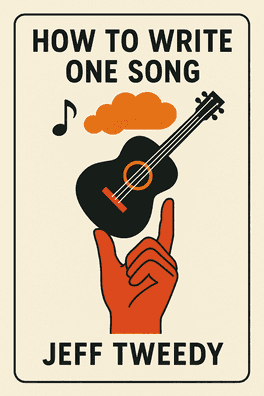
How to Write One Song by Jeff Tweedy Summary

Overview of How to Write One Song
Wilco frontman Jeff Tweedy's acclaimed guide demystifies songwriting through practical exercises that unlock creativity beyond music. His Word Ladder Method has inspired TikTok communities and creative professionals alike. Ever wondered why musicians call this "the permission slip" for artistic expression?
- Build lyrical foundations with Jeff Tweedy’s Word Ladder Method by pairing verbs and nouns for subconscious connections.
- Anchor songs with simple language to prioritize emotional resonance over complex vocabulary.
- Steal melodies and fragments ethically by transforming existing works into original compositions.
- Write one song daily to detach from perfectionism and embrace creative momentum.
- Mine books for lyrical raw material by scanning pages while humming melody ideas.
- Replace self-doubt with playful experimentation through timed writing sessions and analog tools.
- Use adjectives sparingly to avoid forced poeticism and maintain lyrical authenticity.
- Leverage “creative theft” as discipline by reworking influences into personal artistic statements.
- Craft songs around anchor words that evoke visceral imagery or emotional triggers.
- Treat songwriting as daily practice rather than relying on fleeting inspiration.
- Embrace imperfection in early drafts to bypass inner critics and unlock flow.
About the Author of How to Write One Song
Jeff Tweedy, Grammy Award-winning musician and bestselling author of How to Write One Song, is the creative force behind the iconic rock band Wilco and a respected authority on artistic expression.
Blending memoir and practical guidance, this hands-on manual distills his decades of experience as a songwriter into accessible strategies for unlocking creativity.
Tweedy’s expertise stems from crafting timeless albums with Wilco, penning solo works like Love Is the King, and authoring the New York Times bestseller Let’s Go (So We Can Get Back), a candid memoir of his musical journey. His insights have been featured in talks at institutions like the Chicago Humanities Festival and in publications such as The Atlantic, reinforcing his role as a trusted voice in art and process-driven creativity.
How to Write One Song has been adopted by aspiring musicians and writing workshops worldwide, cementing its status as a modern creative toolkit.
FAQs About How to Write One Song
What is How to Write One Song by Jeff Tweedy about?
How to Write One Song by Jeff Tweedy is a practical and inspirational guide to unlocking creativity through songwriting. The book emphasizes daily routines, exercises like the "Word Ladder Method," and strategies to overcome self-doubt. Tweedy blends personal anecdotes with actionable advice, framing songwriting as a joyful, accessible act rather than a mystifying talent. It’s less about fame and more about fostering a sustainable creative practice.
Who should read How to Write One Song?
This book is ideal for aspiring songwriters, musicians, poets, or anyone seeking to reignite their creativity. Tweedy’s relatable tone and exercises—such as using simple language or dissecting melodies—make it valuable for beginners and seasoned artists alike. It also resonates with non-musicians exploring self-expression, offering universal lessons on perseverance and embracing imperfection.
Is How to Write One Song worth reading?
Yes, How to Write One Song is worth reading for its blend of practicality and inspiration. Tweedy demystifies songwriting with exercises like “Have a Conversation” to spark lyrics and stresses the importance of daily practice. Critics praise its avoidance of clichés and focus on creativity as a life-enriching habit, making it a standout in art and self-help genres.
What are the key songwriting exercises in How to Write One Song?
Key exercises include:
- Word Ladder Method: Linking common words to craft lyrics by exploring their rhythm and hidden meanings.
- Verb-Noun Pairing: Combining unexpected verbs and nouns to create vivid imagery.
- Melody Deconstruction: Analyzing existing songs to understand emotional impact.
Tweedy also advocates recording ideas immediately and revising without self-judgment.
How does Jeff Tweedy address creative blocks in the book?
Tweedy tackles creative blocks by encouraging small, daily efforts—like writing for 10 minutes—and embracing “bad” ideas as part of the process. He shares personal tactics, such as napping or walking to reset the mind, and emphasizes “stealing” chord progressions ethically to spark originality. His mantra: creativity thrives through consistency, not perfection.
What is the “Word Ladder Method” in How to Write One Song?
The Word Ladder Method is a lyric-writing exercise where you physically link simple, unrelated words on paper to uncover subconscious connections. Tweedy argues that common words, when rearranged, hold musicality and depth. For example, pairing “light” with “shadow” might evolve into a metaphor for resilience, bypassing overcomplicated language.
How does How to Write One Song compare to other creativity books?
Unlike abstract self-help guides, How to Write One Song focuses on tangible, music-centric exercises while addressing universal creative struggles. It’s often compared to The Artist’s Way for its structured approach but stands out with Tweedy’s conversational tone and emphasis on songwriting as a gateway to broader artistic growth.
What are the main criticisms of How to Write One Song?
Some critics note the book’s brevity and desire for more personal anecdotes about Tweedy’s career. Others mention that non-musicians might find melody-specific advice less applicable. However, most agree its strengths—actionable frameworks and anti-perfectionism messaging—outweigh these gaps.
How does Jeff Tweedy’s How to Write One Song help non-musicians?
Tweedy’s exercises, like free-writing conversations or reimagining everyday phrases as poetry, apply to any creative field. He frames songwriting as a metaphor for lifelong learning, urging readers to prioritize curiosity over expertise. The book’s lessons on routine and fear resonate with writers, visual artists, and hobbyists alike.
What quotes define How to Write One Song’s philosophy?
Notable quotes include:
- “All words have their own music.”
- “The quickest way to kill creativity is to judge it before it exists.”
- “Songs teach us how to be human.”
These lines underscore Tweedy’s belief in creativity as a transformative, accessible force.
How does How to Write One Song approach collaboration?
Tweedy encourages sharing early drafts with trusted peers to refine ideas, arguing that feedback is vital. He also suggests “collaborating” with existing songs by reworking their structures, lyrics, or chords—a tool to bypass creative paralysis and discover unique voices.
Why is How to Write One Song relevant in 2025?
In an era of AI-generated content, Tweedy’s emphasis on human-driven imperfections and small creative acts feels timely. The book’s anti-algorithmic ethos—prioritizing personal fulfillment over virality—resonates with creators navigating digital overwhelm. Its exercises also counter burnout by making art feel achievable daily.
Feel the book through the author's voice
Turn knowledge into engaging, example-rich insights
Capture key ideas in a flash for fast learning
Enjoy the book in a fun and engaging way
Key Themes in How to Write One Song
Quotes from How to Write One Song
Songs remain mysterious even to those who've written hundreds of them.
Being something isn't as real as doing something.
Inspiration can come from demand rather than preceding it.
Inspiration doesn't just happen-it must be invited through regular, concentrated work.
Writing songs is hard work, but hard work isn't struggle-it's a noble pursuit.
Characters in How to Write One Song
Quick Summary Mode - Read or listen to How to Write One Song Summary in 8 Minutes

Break down key ideas from How to Write One Song into bite-sized takeaways to understand how innovative teams create, collaborate, and grow.

Flash Card Mode - Top 10 Insights from How to Write One Song in a Nutshell

Distill How to Write One Song into rapid-fire memory cues that highlight key principles of candor, teamwork, and creative resilience.

Fun Mode - How to Write One Song Lessons Told Through 18-Min Stories

Experience How to Write One Song through vivid storytelling that turns innovation lessons into moments you'll remember and apply.
Personalize Mode - Read or listen to How to Write One Song Summary in 0 Minutes

Ask anything, pick the voice, and co-create insights that truly resonate with you.

From Columbia University alumni built in San Francisco
"Instead of endless scrolling, I just hit play on BeFreed. It saves me so much time."


"I never knew where to start with nonfiction—BeFreed’s book lists turned into podcasts gave me a clear path."


"Perfect balance between learning and entertainment. Finished ‘Thinking, Fast and Slow’ on my commute this week."
"Crazy how much I learned while walking the dog. BeFreed = small habits → big gains."
"Reading used to feel like a chore. Now it’s just part of my lifestyle."

"Feels effortless compared to reading. I’ve finished 6 books this month already."
"BeFreed turned my guilty doomscrolling into something that feels productive and inspiring."

"BeFreed turned my commute into learning time. 20-min podcasts are perfect for finishing books I never had time for."
"BeFreed replaced my podcast queue. Imagine Spotify for books — that’s it. 🙌"

"It is great for me to learn something from the book without reading it."
"The themed book list podcasts help me connect ideas across authors—like a guided audio journey."
"Makes me feel smarter every time before going to work"
From Columbia University alumni built in San Francisco
"Instead of endless scrolling, I just hit play on BeFreed. It saves me so much time."
"I never knew where to start with nonfiction—BeFreed’s book lists turned into podcasts gave me a clear path."
"Perfect balance between learning and entertainment. Finished ‘Thinking, Fast and Slow’ on my commute this week."
"Crazy how much I learned while walking the dog. BeFreed = small habits → big gains."
"Reading used to feel like a chore. Now it’s just part of my lifestyle."
"Feels effortless compared to reading. I’ve finished 6 books this month already."
"BeFreed turned my guilty doomscrolling into something that feels productive and inspiring."
"BeFreed turned my commute into learning time. 20-min podcasts are perfect for finishing books I never had time for."
"BeFreed replaced my podcast queue. Imagine Spotify for books — that’s it. 🙌"
"It is great for me to learn something from the book without reading it."
"The themed book list podcasts help me connect ideas across authors—like a guided audio journey."
"Makes me feel smarter every time before going to work"
"Instead of endless scrolling, I just hit play on BeFreed. It saves me so much time."
"I never knew where to start with nonfiction—BeFreed’s book lists turned into podcasts gave me a clear path."
"Perfect balance between learning and entertainment. Finished ‘Thinking, Fast and Slow’ on my commute this week."
"Crazy how much I learned while walking the dog. BeFreed = small habits → big gains."
"Reading used to feel like a chore. Now it’s just part of my lifestyle."
"Feels effortless compared to reading. I’ve finished 6 books this month already."
"BeFreed turned my guilty doomscrolling into something that feels productive and inspiring."
"BeFreed turned my commute into learning time. 20-min podcasts are perfect for finishing books I never had time for."
"BeFreed replaced my podcast queue. Imagine Spotify for books — that’s it. 🙌"
"It is great for me to learn something from the book without reading it."
"The themed book list podcasts help me connect ideas across authors—like a guided audio journey."
"Makes me feel smarter every time before going to work"
"Instead of endless scrolling, I just hit play on BeFreed. It saves me so much time."
"I never knew where to start with nonfiction—BeFreed’s book lists turned into podcasts gave me a clear path."
"Perfect balance between learning and entertainment. Finished ‘Thinking, Fast and Slow’ on my commute this week."
"Crazy how much I learned while walking the dog. BeFreed = small habits → big gains."
"Reading used to feel like a chore. Now it’s just part of my lifestyle."
"Feels effortless compared to reading. I’ve finished 6 books this month already."
"BeFreed turned my guilty doomscrolling into something that feels productive and inspiring."
"BeFreed turned my commute into learning time. 20-min podcasts are perfect for finishing books I never had time for."
"BeFreed replaced my podcast queue. Imagine Spotify for books — that’s it. 🙌"
"It is great for me to learn something from the book without reading it."
"The themed book list podcasts help me connect ideas across authors—like a guided audio journey."
"Makes me feel smarter every time before going to work"

Get the How to Write One Song summary as a free PDF or EPUB. Print it or read offline anytime.