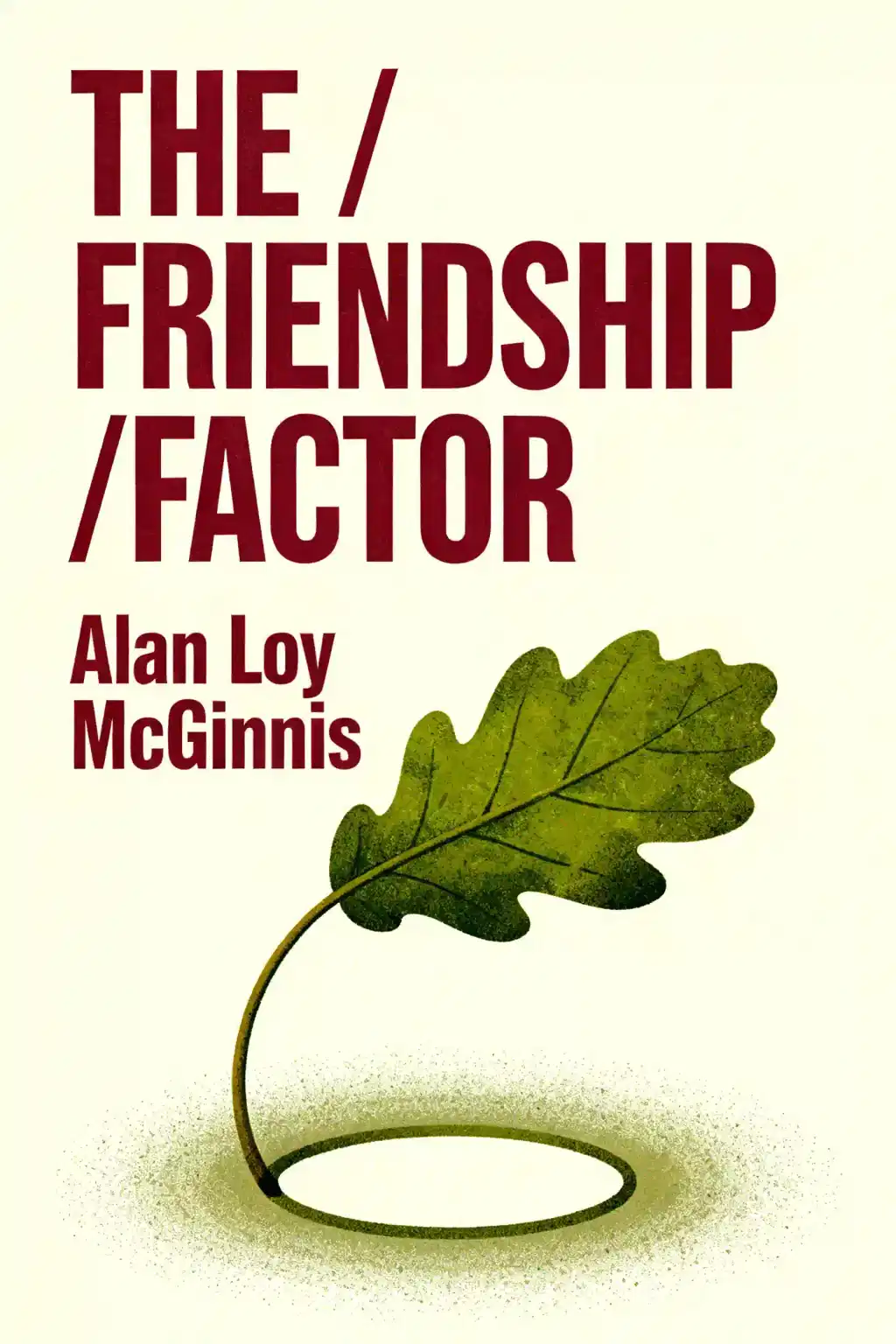
The Friendship Factor: How to Get Closer to the People You Care For by Alan Loy McGinnis Summary

Overview of The Friendship Factor
In "The Friendship Factor," psychotherapist Alan Loy McGinnis reveals the psychology behind meaningful connections. With over 2 million copies sold in 20+ languages, this international bestseller features insights from George Burns and C.S. Lewis. What's the one communication skill most relationships secretly lack?
- Self-disclosure builds trust and deepens connections faster than surface-level conversations.
- Loyalty remains the non-negotiable foundation for friendships that withstand conflict and time.
- Neglecting small acts of kindness causes friendships to fade despite good intentions.
- Creative forgiveness—addressing hurts directly—repairs bonds better than passive avoidance.
- Touch and affirmation activate emotional intimacy more effectively than verbal praise alone.
- The “coffee-cup concept” prioritizes daily relational effort over grand gestures in marriages.
- Subservience destroys relationships; healthy self-worth enables balanced give-and-take dynamics.
- Practical anger management techniques prevent resentment from poisoning long-term friendships.
- Alan Loy McGinnis redefines love as consistent action rather than fleeting emotion.
- Adapting communication styles unlocks deeper understanding across personality differences.
- Early conflict resolution stops minor irritations from becoming friendship-ending grudges.
- The Friendship Factor proves vulnerability fuels connection more than perfectionism ever could.
About the Author of The Friendship Factor
Alan Loy McGinnis (1933–2005) was a bestselling author, Christian psychotherapist, and relationship expert whose seminal work The Friendship Factor revolutionized self-help literature on interpersonal connections. A licensed therapist and ordained Presbyterian minister, McGinnis blended psychological research with faith-based principles, drawing from his clinical practice at the Valley Counseling Center and pastoral experience to address themes of love, trust, and emotional resilience.
His expertise in fostering meaningful relationships stemmed from both professional work and personal reflection following his divorce, which motivated his exploration of friendship dynamics.
McGinnis authored several influential books, including Bringing Out the Best in People and The Power of Optimism, which apply his actionable frameworks for personal growth and leadership. Known for his accessible writing style and practical advice, his works have collectively sold over 3 million copies worldwide. The Friendship Factor alone surpassed 1 million sales and has been translated into 14 languages, cementing its status as a timeless resource in psychology and spiritual development.
FAQs About The Friendship Factor
What is The Friendship Factor by Alan Loy McGinnis about?
The Friendship Factor explores the foundational elements of nurturing lasting relationships through practical strategies like active affirmation, effective communication, and loyalty. Alan Loy McGinnis combines psychological insights with real-life case studies (e.g., George Burns, C.S. Lewis) to emphasize warmth and intentionality as keys to meaningful connections.
Who should read The Friendship Factor?
This book is ideal for anyone seeking to strengthen personal or professional relationships, including couples, parents, or leaders. Its timeless principles appeal to readers interested in psychology, self-improvement, or Christian-based interpersonal dynamics.
Is The Friendship Factor worth reading?
Yes—its over 1 million copies sold and translations into 14 languages reflect its enduring relevance. The book offers actionable advice, such as crafting sincere apologies and fostering vulnerability, making it valuable for both struggling and thriving relationships.
What are the main principles taught in The Friendship Factor?
Key principles include:
- Affirmation: Regularly expressing appreciation.
- Transparency: Sharing vulnerabilities to build trust.
- Conflict resolution: Addressing disagreements with empathy.
- Loyalty: Prioritizing long-term commitment over temporary grievances.
How does The Friendship Factor recommend handling conflict?
McGinnis advocates for direct yet compassionate communication, emphasizing apologies that acknowledge harm and express care for restoring the relationship. He cites Norman Vincent Peale: “A true apology...is recognition that something you’ve done damaged a relationship”
What famous examples does Alan Loy McGinnis use in the book?
Case studies include:
- George Burns: His lifelong friendship with Jack Benny.
- Howard Hughes: Isolation due to poor relational skills.
- C.S. Lewis: Deep bonds with J.R.R. Tolkien and other intellectuals.
Does The Friendship Factor incorporate religious perspectives?
While grounded in psychological research, McGinnis—a former minister—weaves Christian values like selflessness and grace into his framework. The tone remains accessible to secular audiences but resonates strongly with faith-based readers.
What makes The Friendship Factor distinct from other self-help books?
Its blend of relatable anecdotes, concise advice, and interdisciplinary approach (psychology/theology) sets it apart. Unlike abstract theories, McGinnis provides step-by-step methods, such as “30-minute relationship audits”
Are there updated editions of The Friendship Factor?
A 25th-anniversary revised edition (2004) modernizes examples while retaining core concepts. It addresses digital communication challenges but maintains the original focus on face-to-face connection.
What critiques exist about The Friendship Factor?
Some argue its simplicity overlooks complex relational dynamics, and its faith-oriented examples may alienate non-Christian readers. However, most praise its practicality and empathetic tone.
How does McGinnis define a “true friendship” in the book?
He describes it as a bond marked by mutual investment, vulnerability, and joy in each other’s successes. Friendships thrive when both parties prioritize time, honesty, and shared growth.
What memorable quotes appear in The Friendship Factor?
Notable lines include:
- “The essence of love is spelling out another person’s worth.”
- “Sustained eye contact is the simplest way to build trust."
How does The Friendship Factor compare to McGinnis’ other works?
While Bringing Out the Best in People focuses on leadership, The Friendship Factor targets personal relationships. Both emphasize empathy but differ in scope—one organizational, the other intimate.
Feel the book through the author's voice
Turn knowledge into engaging, example-rich insights
Capture key ideas in a flash for fast learning
Enjoy the book in a fun and engaging way
Key Themes in The Friendship Factor
Quotes from The Friendship Factor
Friendship forms the foundation for all other loves.
Quality trumps quantity in relationships.
Lonely people live significantly shorter lives.
'Tis better to have loved and lost than never to have loved at all
Characters in The Friendship Factor
Quick Summary Mode - Read or listen to The Friendship Factor Summary in 10 Minutes

Break down key ideas from The Friendship Factor into bite-sized takeaways to understand how innovative teams create, collaborate, and grow.

Flash Card Mode - Top 10 Insights from The Friendship Factor in a Nutshell

Distill The Friendship Factor into rapid-fire memory cues that highlight key principles of candor, teamwork, and creative resilience.

Fun Mode - The Friendship Factor Lessons Told Through 22-Min Stories

Experience The Friendship Factor through vivid storytelling that turns innovation lessons into moments you'll remember and apply.
Personalize Mode - Read or listen to The Friendship Factor Summary in 0 Minutes

Ask anything, pick the voice, and co-create insights that truly resonate with you.

From Columbia University alumni built in San Francisco
"Instead of endless scrolling, I just hit play on BeFreed. It saves me so much time."


"I never knew where to start with nonfiction—BeFreed’s book lists turned into podcasts gave me a clear path."


"Perfect balance between learning and entertainment. Finished ‘Thinking, Fast and Slow’ on my commute this week."
"Crazy how much I learned while walking the dog. BeFreed = small habits → big gains."
"Reading used to feel like a chore. Now it’s just part of my lifestyle."

"Feels effortless compared to reading. I’ve finished 6 books this month already."
"BeFreed turned my guilty doomscrolling into something that feels productive and inspiring."

"BeFreed turned my commute into learning time. 20-min podcasts are perfect for finishing books I never had time for."
"BeFreed replaced my podcast queue. Imagine Spotify for books — that’s it. 🙌"

"It is great for me to learn something from the book without reading it."
"The themed book list podcasts help me connect ideas across authors—like a guided audio journey."
"Makes me feel smarter every time before going to work"
From Columbia University alumni built in San Francisco
"Instead of endless scrolling, I just hit play on BeFreed. It saves me so much time."
"I never knew where to start with nonfiction—BeFreed’s book lists turned into podcasts gave me a clear path."
"Perfect balance between learning and entertainment. Finished ‘Thinking, Fast and Slow’ on my commute this week."
"Crazy how much I learned while walking the dog. BeFreed = small habits → big gains."
"Reading used to feel like a chore. Now it’s just part of my lifestyle."
"Feels effortless compared to reading. I’ve finished 6 books this month already."
"BeFreed turned my guilty doomscrolling into something that feels productive and inspiring."
"BeFreed turned my commute into learning time. 20-min podcasts are perfect for finishing books I never had time for."
"BeFreed replaced my podcast queue. Imagine Spotify for books — that’s it. 🙌"
"It is great for me to learn something from the book without reading it."
"The themed book list podcasts help me connect ideas across authors—like a guided audio journey."
"Makes me feel smarter every time before going to work"
"Instead of endless scrolling, I just hit play on BeFreed. It saves me so much time."
"I never knew where to start with nonfiction—BeFreed’s book lists turned into podcasts gave me a clear path."
"Perfect balance between learning and entertainment. Finished ‘Thinking, Fast and Slow’ on my commute this week."
"Crazy how much I learned while walking the dog. BeFreed = small habits → big gains."
"Reading used to feel like a chore. Now it’s just part of my lifestyle."
"Feels effortless compared to reading. I’ve finished 6 books this month already."
"BeFreed turned my guilty doomscrolling into something that feels productive and inspiring."
"BeFreed turned my commute into learning time. 20-min podcasts are perfect for finishing books I never had time for."
"BeFreed replaced my podcast queue. Imagine Spotify for books — that’s it. 🙌"
"It is great for me to learn something from the book without reading it."
"The themed book list podcasts help me connect ideas across authors—like a guided audio journey."
"Makes me feel smarter every time before going to work"
"Instead of endless scrolling, I just hit play on BeFreed. It saves me so much time."
"I never knew where to start with nonfiction—BeFreed’s book lists turned into podcasts gave me a clear path."
"Perfect balance between learning and entertainment. Finished ‘Thinking, Fast and Slow’ on my commute this week."
"Crazy how much I learned while walking the dog. BeFreed = small habits → big gains."
"Reading used to feel like a chore. Now it’s just part of my lifestyle."
"Feels effortless compared to reading. I’ve finished 6 books this month already."
"BeFreed turned my guilty doomscrolling into something that feels productive and inspiring."
"BeFreed turned my commute into learning time. 20-min podcasts are perfect for finishing books I never had time for."
"BeFreed replaced my podcast queue. Imagine Spotify for books — that’s it. 🙌"
"It is great for me to learn something from the book without reading it."
"The themed book list podcasts help me connect ideas across authors—like a guided audio journey."
"Makes me feel smarter every time before going to work"

Get the The Friendship Factor summary as a free PDF or EPUB. Print it or read offline anytime.