说真的,我还没把这个 app 完全摸透,但用了这几天已经被惊艳到了… BeFreed 和我用过的任何学习类 app 都不在一个层级。它让人特别投入,还能实实在在地提升专注力,对刷手机停不下来的人来说太合适了!
@ladyInfinity
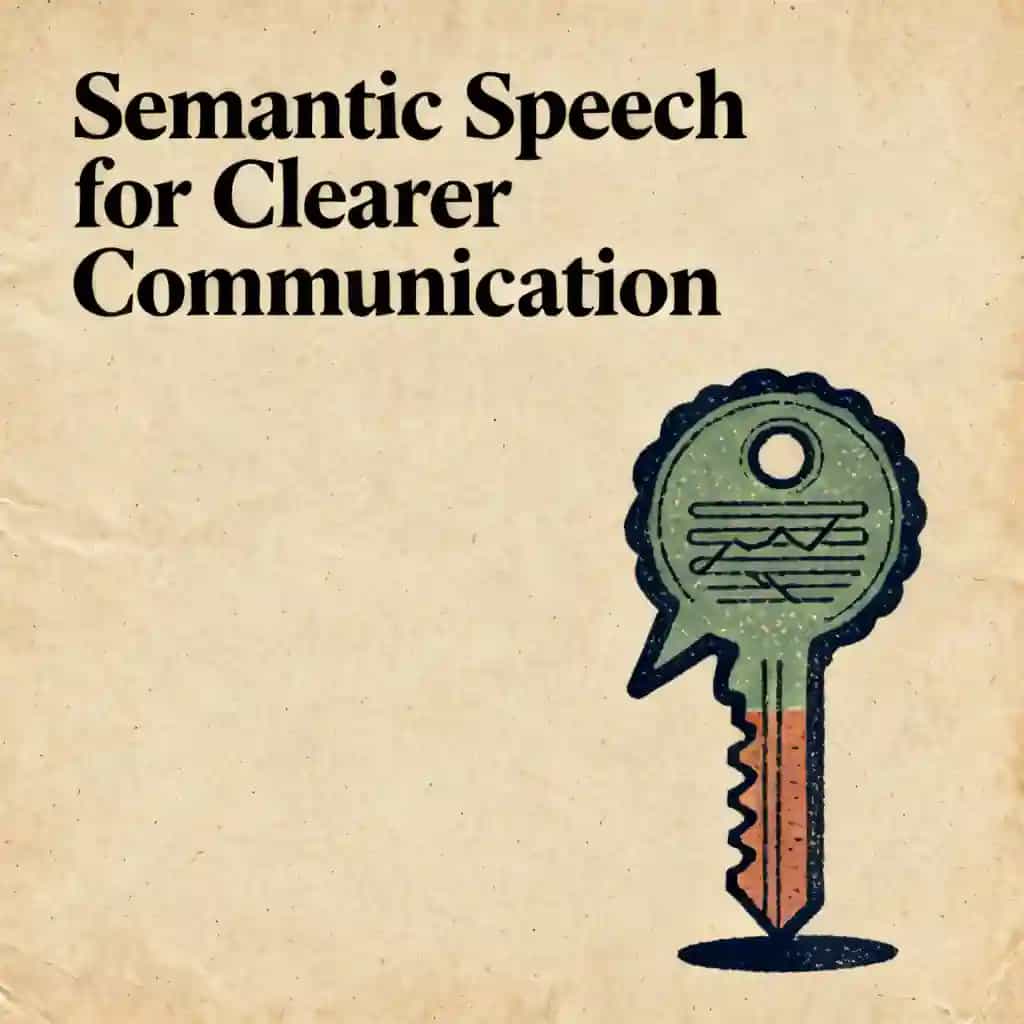
Struggling to be understood? Learn how to decode hidden meanings and assumptions in every conversation to turn confusing arguments into clear insights.

Most disagreements aren't about the world, but about which semantic analysis the other person is using. By moving beyond the word list, you start to see the 'sense'—the mode of presentation—versus the 'reference'—the actual thing in the world being pointed to.
Semantics how to explain it and use it in conversation

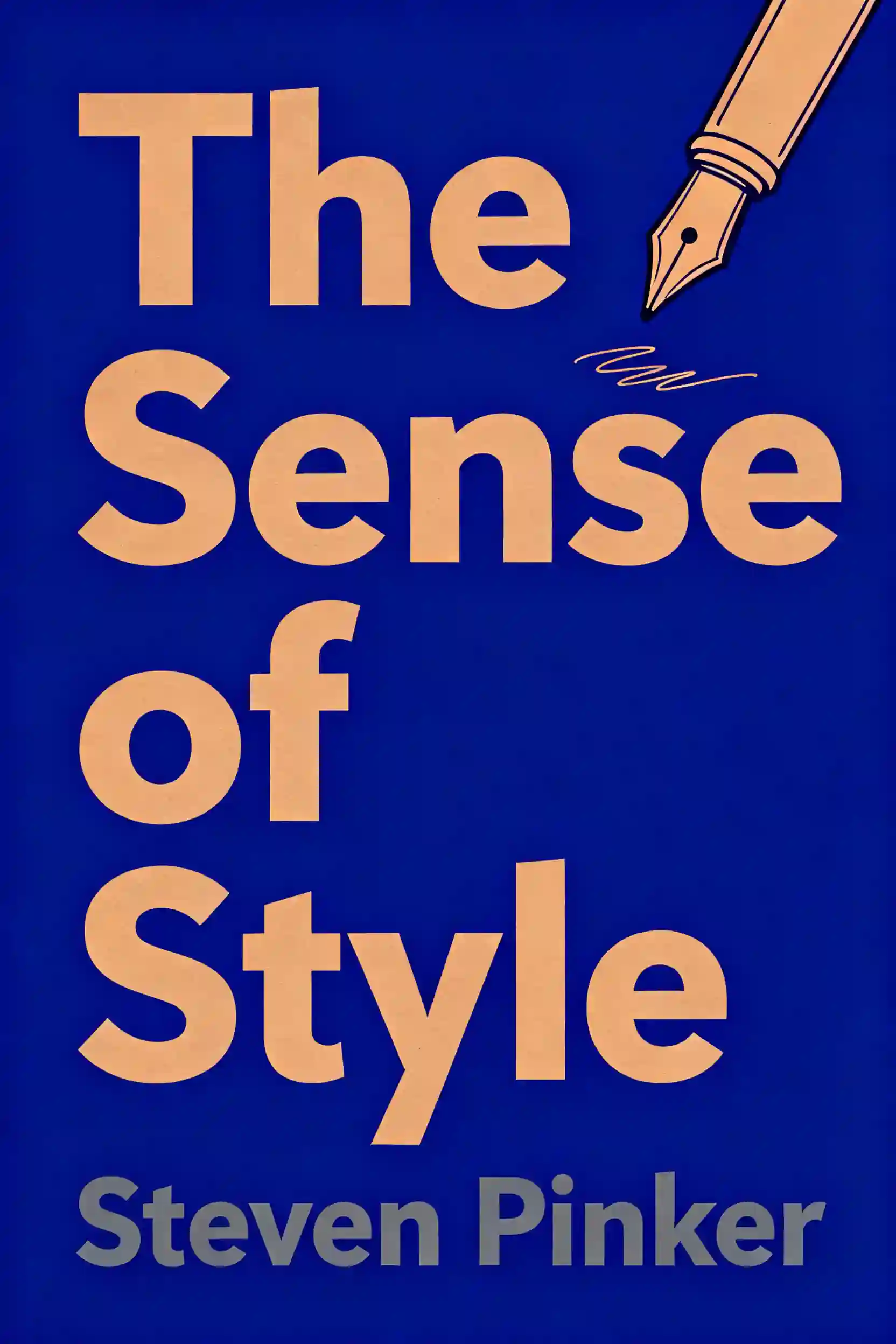
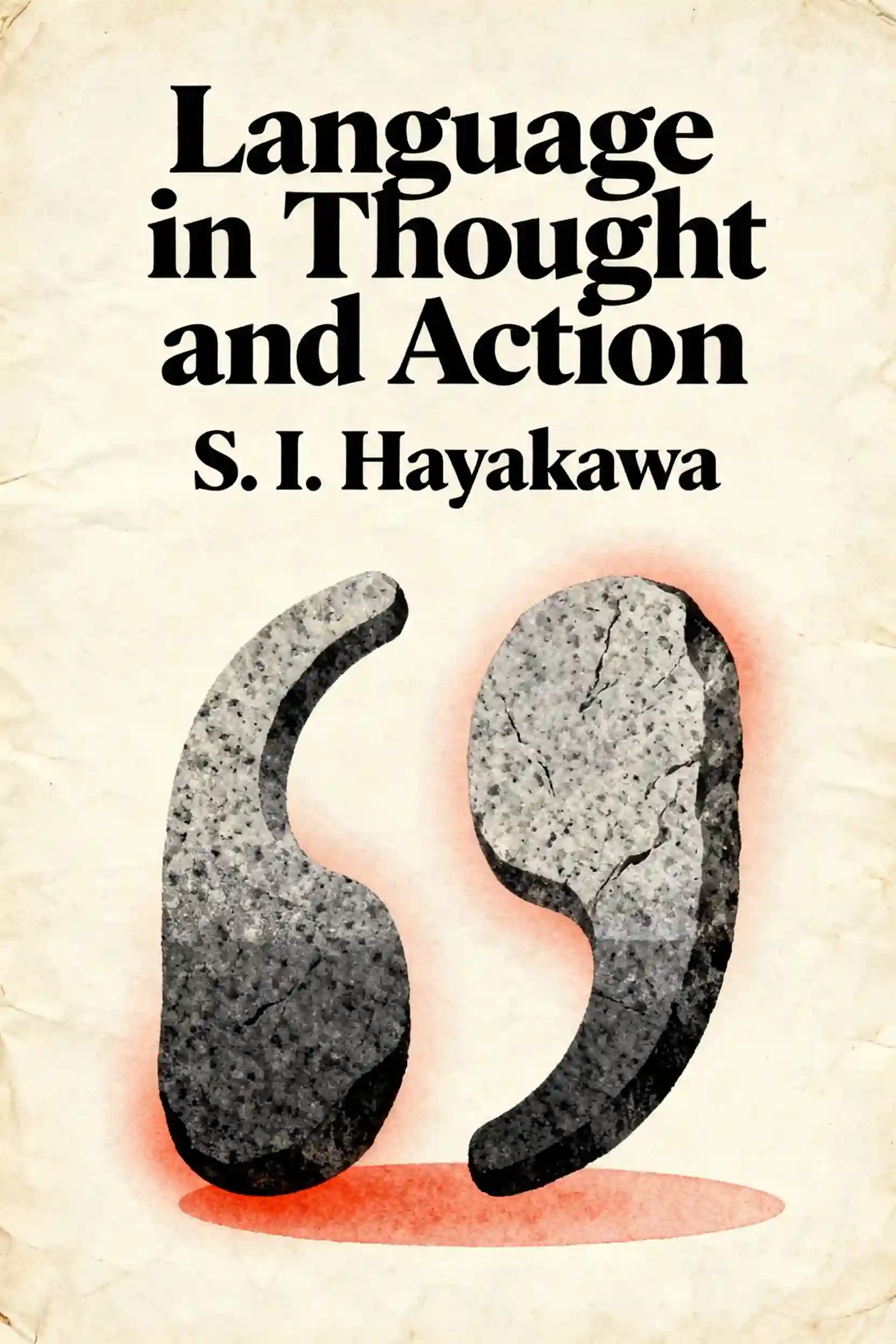
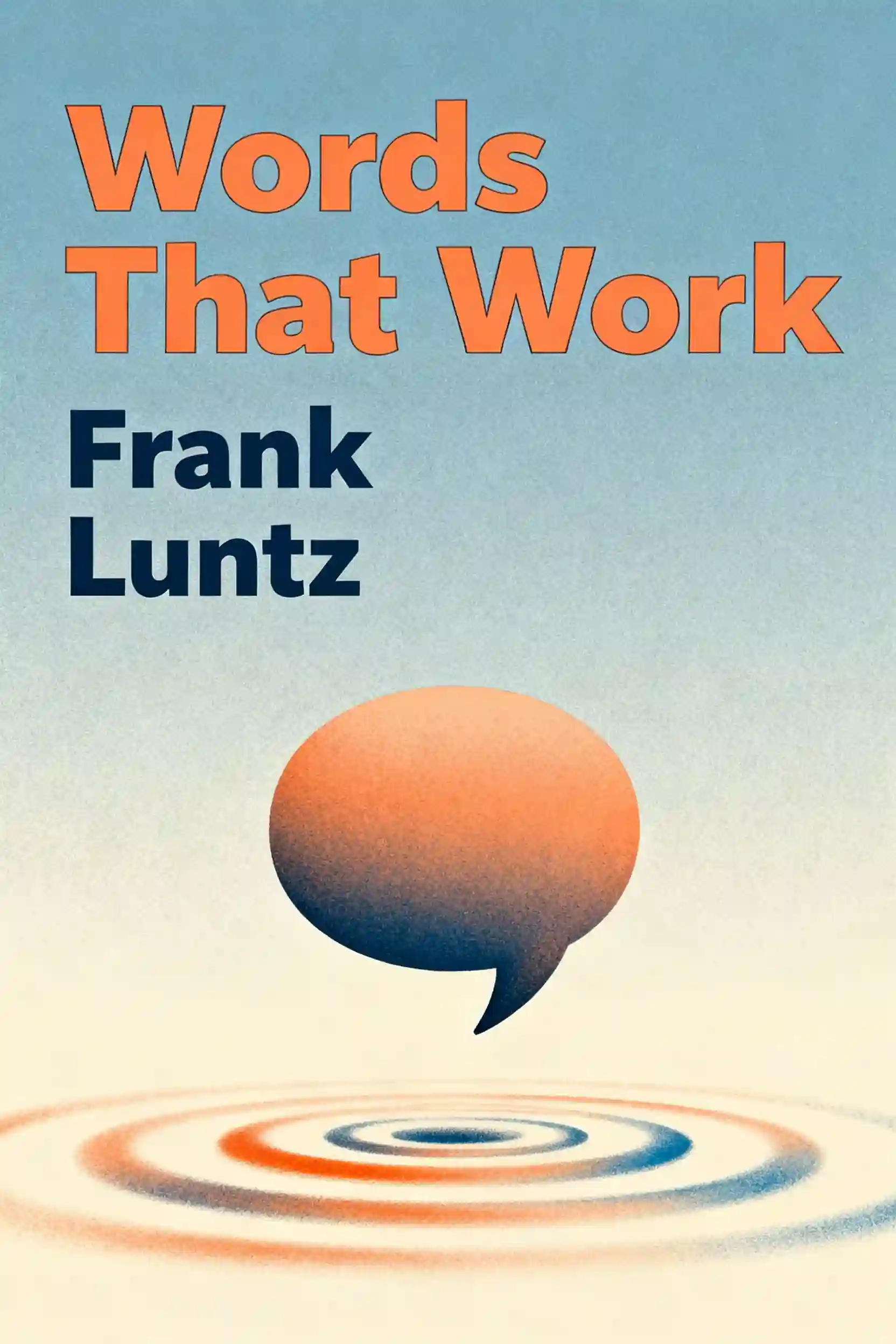

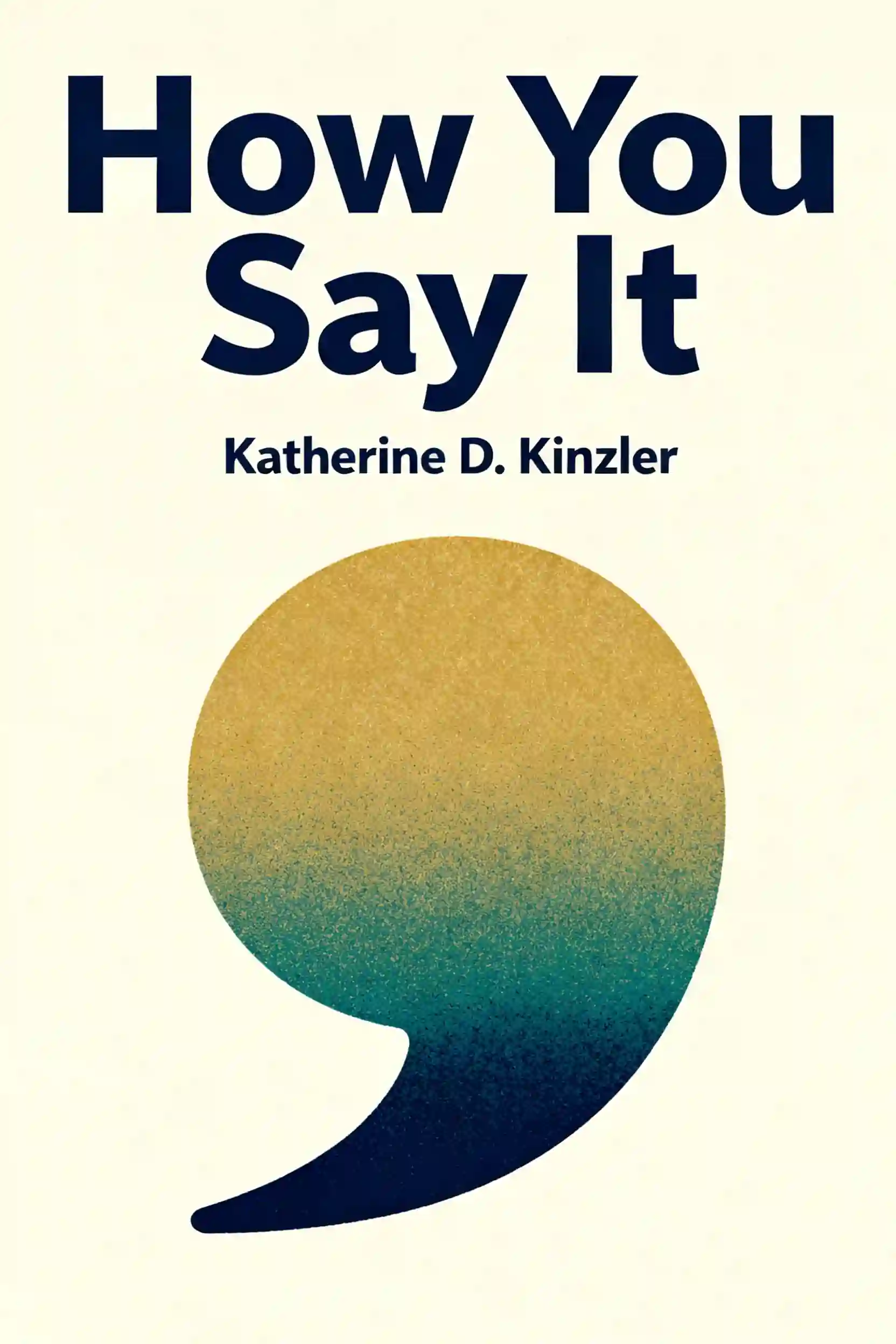
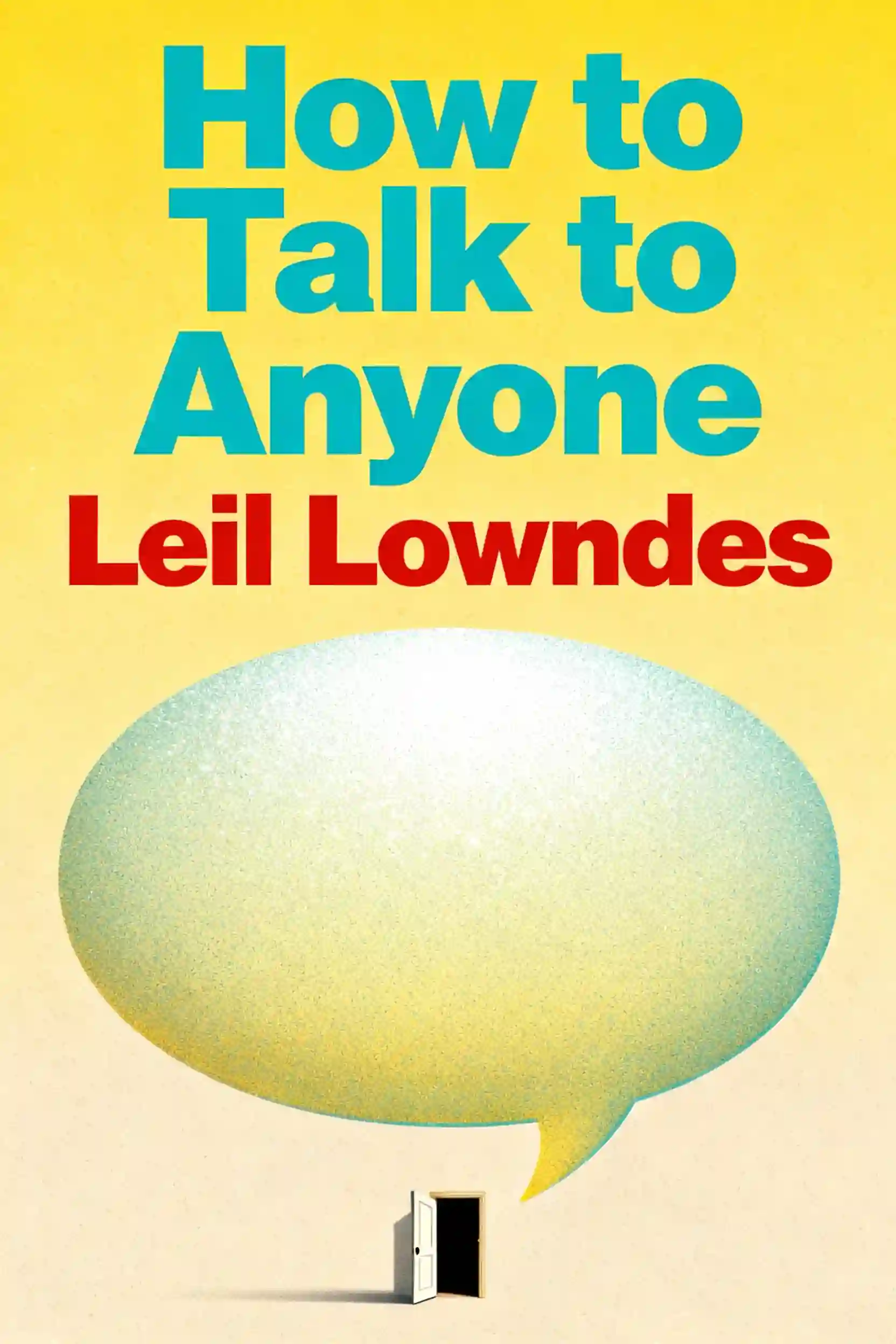
Reference is the actual object or entity in the physical world that a person is pointing to, while sense is the "mode of presentation" or the specific way that object is being described. For example, two people might argue over the terms "morning star" and "evening star" without realizing they both have the same reference: the planet Venus. In a professional setting, colleagues might argue over different "senses" or project labels even though they actually agree on the same "reference" or goal.
A presupposition is an underlying assumption that must be true for a sentence to make sense. In many arguments, people "smuggle in" these assumptions to put others on the defensive, such as asking "Why are you always so dismissive?" which presupposes that you are, in fact, habitually dismissive. A semantically savvy communicator identifies the hidden assumption and addresses it directly—questioning the premise of the statement—rather than falling into the trap of defending the surface-level "why" of the question.
These words are considered "vague predicates" because their boundaries are indeterminate and rely entirely on a comparison class. "Near" means something different when walking to a cafe versus driving to another city. To avoid confusion in high-stakes or legal situations, it is best to move from a vague predicate to a precise truth condition by defining the standard explicitly, such as saying "I will be there in ten minutes" instead of "I will be there soon."
Structural ambiguity occurs when the syntax of a sentence allows for more than one interpretation, even if the individual words are clear. An example is the phrase "old men and women," where it is unclear if the adjective "old" modifies only the men or both the men and the women. This happens because the meaning of a complex expression depends on the "principle of compositionality"—the specific way parts are combined—rather than just the dictionary definitions of the words themselves.
由哥伦比亚大学校友创建 | 源自旧金山
平均评分
7,840+ 条 App 评分
BeFreed 社区
说真的,我还没把这个 app 完全摸透,但用了这几天已经被惊艳到了… BeFreed 和我用过的任何学习类 app 都不在一个层级。它让人特别投入,还能实实在在地提升专注力,对刷手机停不下来的人来说太合适了!
@ladyInfinity
我买 BeFreed 正好 23 天,从那以后每天都在用。它已经完全融入了我的日常工作流和学习习惯。
@jayallen
说实话,这个 app 超出了我所有的预期。我可以让它就任何主题生成音频,无论是什么,效果都很惊艳。我的专业领域是心理治疗方向,而且是多学科交叉的,但它给出的内容非常准确。
@Raguipa
我最感激的是它大大减少了我刷手机的时间——花在搜索上的时间少了,吸收信息的时间多了。完整有声书、播客加上学习计划的组合,真的很出色。
@colonyofcreatorsNGO
我做 PhotoReading 快速学习讲师已经 24 年了… 书籍、阅读和学习就是我的本行,而 BeFreed 用一种创新的方式,把知识变得特别容易吸收,做得非常出色。
@BeFreed user
它不只是一个书籍摘要 app。我用过「有趣」这个阅读模式,比传统方式的摘要好得多,理解观点也更容易,光这一点就值回票价。
@austinakon
我爱这个 app。用了几天,完全停不下来。作为开始,再好不过了。
@jcrules328
我真的很喜欢这个产品;已经试用了大概一个月,感觉挖到宝了。它特别好用,因为我可以用 BeFreed 创建自己想学的主题,声音也很棒,旁白选择多到用不完。
@DanielCZ
我特别喜欢它能把有用的信息和想法浓缩成 8-15 分钟的播客式音频。我本来不太爱听播客,因为废话太多,但它把这些全都去掉了。
@BeFreed user
我正在读博士的最后阶段,需要读大量不熟悉的材料… 用 BeFreed,只要输入一个提示,app 就会帮你找到源材料并生成一期音频播客。我觉得 BeFreed 的流程比 NotebookLM 更顺畅。
@Brad
我经常在做早餐、散步、通勤的时候上 YouTube 找点东西听,而 BeFreed 提供了更有针对性的选择,没有广告,也没有废话!
@BeFreed user
这个平台最棒的地方是它的多面性。真的没有任何主题是它讲不了的,你丢给它什么它都能处理… 很少能找到一个毫无限制、又真正兑现承诺的学习工具。
@jayallen
BeFreed 太棒了。界面好用,让我花在找功能上的时间更少,花在学习上的时间更多。有声书、播客和学习计划的组合是天才设计,彻底改变了我的日常。
@BeFreed user
一开始我花了点时间才弄明白怎么生成意大利语的播客,然后就——哇!太棒了!我可以让它讲解任何一个话题,它讲得又好又聪明!
@matteo77
BeFreed 已经成了我每天都用的有声书 app… 我最喜欢的是,把自己的文字放进去,它就能生成随时随地都能听的音频。
@kotanzu1




In high-stakes professional and personal environments, the most critical information is often left unsaid. This plan is designed for leaders and collaborators who want to master the subtle art of social intelligence to influence outcomes and build trust.

In an era of digital noise, the ability to interpret subtle social signals is a critical competitive advantage. This plan is designed for leaders and collaborators who want to master non-verbal communication and the psychological mechanics of influence.

In an era of complex communication, understanding what remains unsaid is a critical competitive advantage. This plan is essential for leaders, negotiators, and recruiters who need to master behavioral baselines, facial analysis, and linguistic markers to navigate high-stakes interactions.

In an era where much is left unsaid, mastering nonverbal cues provides a significant competitive advantage in both personal and professional settings. This plan is ideal for leaders, negotiators, and anyone looking to enhance their emotional intelligence and detect hidden social dynamics.

Understanding the silent signals of human behavior is essential for effective leadership and personal growth. This plan is ideal for professionals and individuals looking to enhance their emotional intelligence, master social influence, and break unproductive behavioral patterns.

In an era of digital noise, the ability to interpret subtle non-verbal cues and navigate social dynamics is a critical competitive advantage. This plan is designed for leaders, negotiators, and professionals who want to master high-stakes interactions by understanding the science of human connection.

In today's interconnected world, the ability to articulate ideas and resolve conflict is a critical career differentiator. This plan is designed for professionals and leaders looking to bridge gaps in understanding and command authority in any room.

Effective communication is more than just starting a talk; it is about sustaining meaningful engagement. This plan is ideal for professionals and social learners who want to eliminate awkward silences and build lasting rapport through better conversational structure.