Universal Salvation and the Case for a Finite Hell
If hell is temporary, what happens to everyone? Explore the historical case for universalism and how it challenges traditional views of eternal torment.

Universal Salvation and the Case for a Finite Hell最佳语录
If God is all-powerful and God is Love, how does a permanent, never-ending torture chamber fit into the math? Universalism shifts the motivation from a fear of punishment to a love of the Good, viewing hell not as a final destination of destruction, but as a medicinal process of refinement.
Generated by Ezra
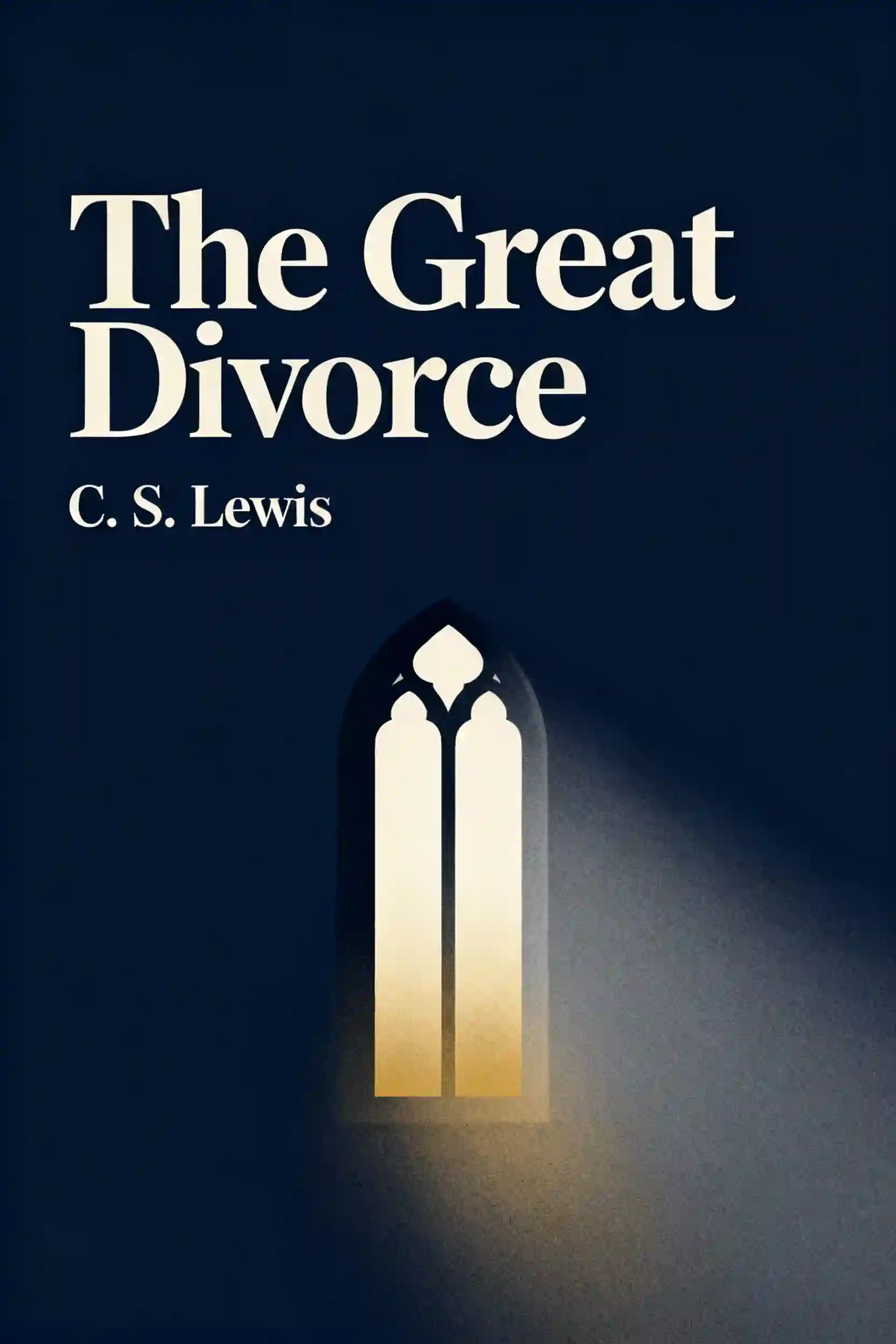
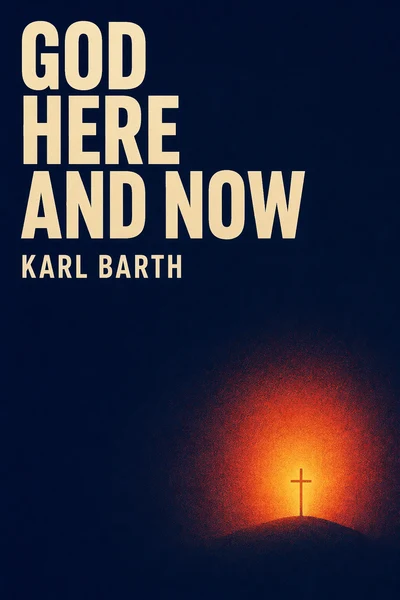
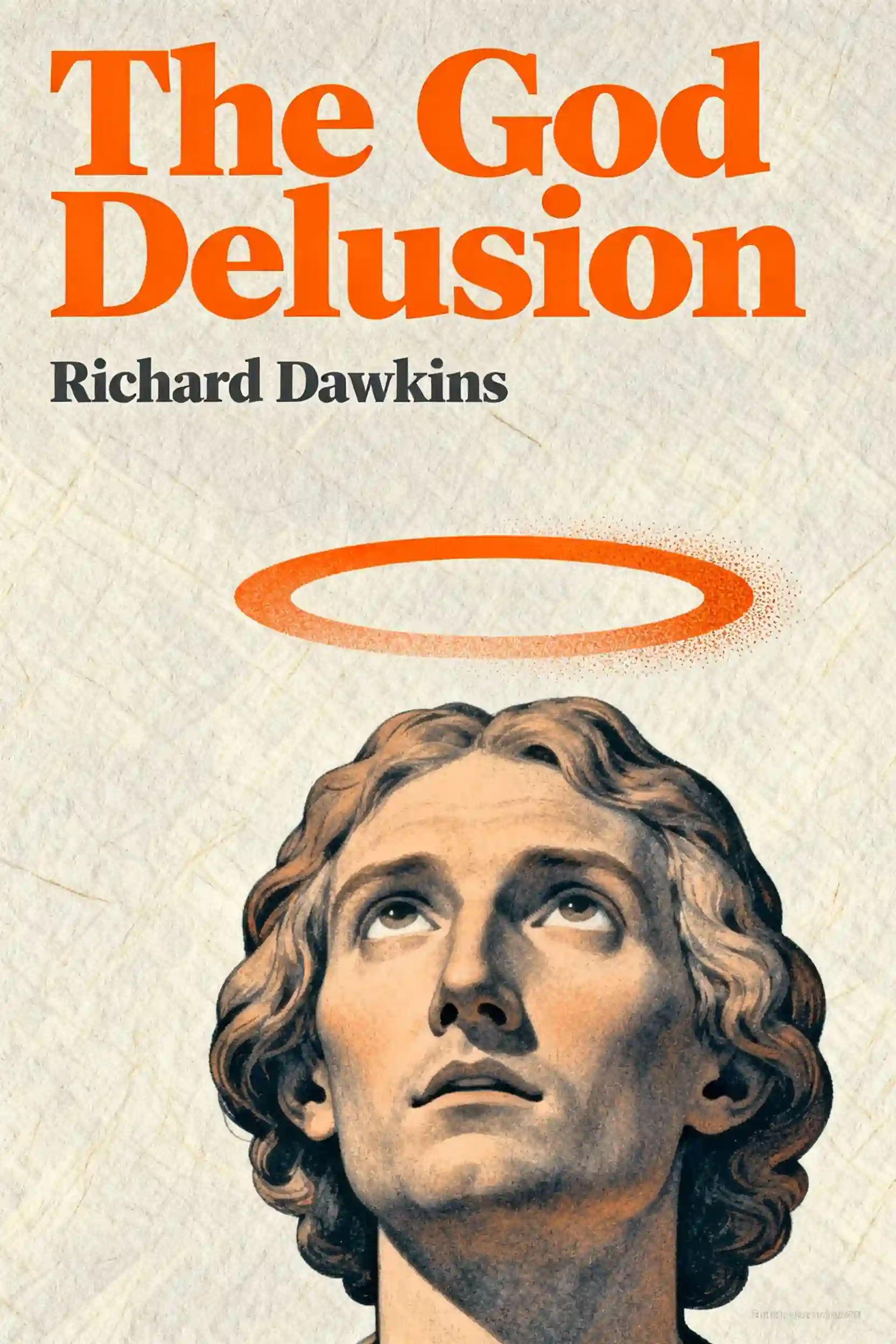
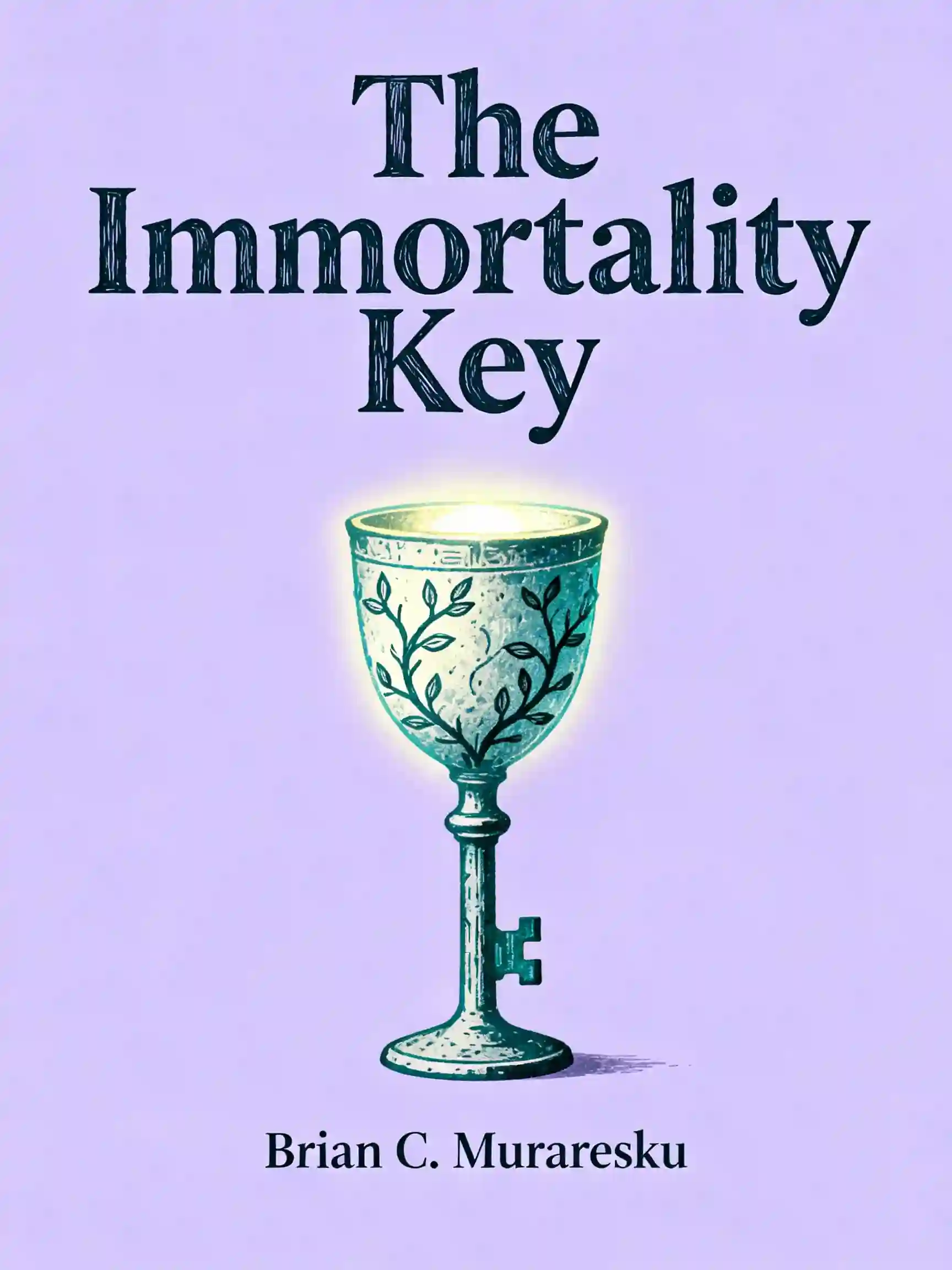
I want to learn about universalism from both a modern standpoint and historical. Opposed to Calvinism and Arminianism, and st. Augustine theology’s of damnation and eternal torment. What’s the real case for salvation for all. We can use Christian sources , but if there is some good Vedic or other sources that expand the case , let’s do it. I want the case from all sides so I can understand the case.

常见问题
Apokatastasis is a Greek term used by early Church Fathers, such as Origen and Gregory of Nyssa, to describe the eventual restoration of all creation to a state of unity with God. Unlike the "infernalist" view that sees hell as a final destination of eternal punishment, this framework views hell as a temporary, medicinal process of refinement. In this context, the "Lake of Fire" is not a trash incinerator for souls but a smelting furnace designed to purge evil and heal the individual, much like a physician administering a painful but necessary treatment.
Scholars like David Bentley Hart argue that influential figures like St. Augustine relied on defective Latin translations of the original Greek texts. A primary example is the word aionios, which is often translated as "eternal" or "endless" in English Bibles, but originally meant "pertaining to an age" or a "long, indefinite period." Similarly, the word kolasis, typically translated as "punishment," originally referred to the "pruning" of a tree to encourage growth. These distinctions suggest that the original biblical authors may have been describing corrective discipline belonging to a specific age rather than vindictive, never-ending retribution.
Universalists argue that their perspective actually builds a more authentic morality based on the "Love of the Good" rather than a "mercenary" fear of torture. While some "Ultra-Universalists" believe death acts as a total reset, "Restorationists" maintain that free will matters because there are still painful consequences for rejecting God. They suggest that choosing evil is not a truly "free" choice but a result of delusion or spiritual sickness. Therefore, the "deterrent" is not eternal torment but the realization that sin delays one's participation in their true divine nature and necessitates a more difficult refining process in the afterlife.
The historical record of the Fifth Ecumenical Council in 553 is complex and often misunderstood. While it was long assumed the Council condemned Apokatastasis, modern historians note that the official minutes do not include the specific anathemas against Origen. Those condemnations were likely issued by a local synod under the influence of Emperor Justinian for political reasons. Furthermore, the "heresy" being targeted was often a specific, cyclical version of Origenism involving the pre-existence of souls and "spherical" resurrected bodies, rather than the broader hope for the eventual salvation of all humanity.
The Vedic tradition offers a "cyclic" dimension to salvation that mirrors the Greek idea of Apokatastasis. In this framework, "hellish" states known as Narakas are temporary stations where the soul works through heavy karma. Because the material world is subject to change, no state—including punishment—can be permanent. Since the soul (Atman) is fundamentally one with the Divine (Brahman), it is considered a logical necessity that every soul will eventually wake up from the illusion of separation and achieve Moksha, or ultimate liberation.
"Instead of endless scrolling, I just hit play on BeFreed. It saves me so much time."


"I never knew where to start with nonfiction—BeFreed’s book lists turned into podcasts gave me a clear path."


"Perfect balance between learning and entertainment. Finished ‘Thinking, Fast and Slow’ on my commute this week."
"Crazy how much I learned while walking the dog. BeFreed = small habits → big gains."
"Reading used to feel like a chore. Now it’s just part of my lifestyle."

"Feels effortless compared to reading. I’ve finished 6 books this month already."
"BeFreed turned my guilty doomscrolling into something that feels productive and inspiring."

"BeFreed turned my commute into learning time. 20-min podcasts are perfect for finishing books I never had time for."
"BeFreed replaced my podcast queue. Imagine Spotify for books — that’s it. 🙌"

"It is great for me to learn something from the book without reading it."
"The themed book list podcasts help me connect ideas across authors—like a guided audio journey."
"Makes me feel smarter every time before going to work"
"Instead of endless scrolling, I just hit play on BeFreed. It saves me so much time."
"I never knew where to start with nonfiction—BeFreed’s book lists turned into podcasts gave me a clear path."
"Perfect balance between learning and entertainment. Finished ‘Thinking, Fast and Slow’ on my commute this week."
"Crazy how much I learned while walking the dog. BeFreed = small habits → big gains."
"Reading used to feel like a chore. Now it’s just part of my lifestyle."
"Feels effortless compared to reading. I’ve finished 6 books this month already."
"BeFreed turned my guilty doomscrolling into something that feels productive and inspiring."
"BeFreed turned my commute into learning time. 20-min podcasts are perfect for finishing books I never had time for."
"BeFreed replaced my podcast queue. Imagine Spotify for books — that’s it. 🙌"
"It is great for me to learn something from the book without reading it."
"The themed book list podcasts help me connect ideas across authors—like a guided audio journey."
"Makes me feel smarter every time before going to work"
"Instead of endless scrolling, I just hit play on BeFreed. It saves me so much time."
"I never knew where to start with nonfiction—BeFreed’s book lists turned into podcasts gave me a clear path."
"Perfect balance between learning and entertainment. Finished ‘Thinking, Fast and Slow’ on my commute this week."
"Crazy how much I learned while walking the dog. BeFreed = small habits → big gains."
"Reading used to feel like a chore. Now it’s just part of my lifestyle."
"Feels effortless compared to reading. I’ve finished 6 books this month already."
"BeFreed turned my guilty doomscrolling into something that feels productive and inspiring."
"BeFreed turned my commute into learning time. 20-min podcasts are perfect for finishing books I never had time for."
"BeFreed replaced my podcast queue. Imagine Spotify for books — that’s it. 🙌"
"It is great for me to learn something from the book without reading it."
"The themed book list podcasts help me connect ideas across authors—like a guided audio journey."
"Makes me feel smarter every time before going to work"
"Instead of endless scrolling, I just hit play on BeFreed. It saves me so much time."
"I never knew where to start with nonfiction—BeFreed’s book lists turned into podcasts gave me a clear path."
"Perfect balance between learning and entertainment. Finished ‘Thinking, Fast and Slow’ on my commute this week."
"Crazy how much I learned while walking the dog. BeFreed = small habits → big gains."
"Reading used to feel like a chore. Now it’s just part of my lifestyle."
"Feels effortless compared to reading. I’ve finished 6 books this month already."
"BeFreed turned my guilty doomscrolling into something that feels productive and inspiring."
"BeFreed turned my commute into learning time. 20-min podcasts are perfect for finishing books I never had time for."
"BeFreed replaced my podcast queue. Imagine Spotify for books — that’s it. 🙌"
"It is great for me to learn something from the book without reading it."
"The themed book list podcasts help me connect ideas across authors—like a guided audio journey."
"Makes me feel smarter every time before going to work"




![[8a0454c0-4a56-4487-8b98-8ccf04a71353:c0000] Google Drive PDF p1-1](/_next/image?url=https%3A%2F%2Fd1y2du6z1jfm9e.cloudfront.net%2Fassets%2Fpodcast%2Fyellow.png&w=1024&q=50)
![[8a0454c0-4a56-4487-8b98-8ccf04a71353:c0002] Google Drive PDF p1-1](/_next/image?url=https%3A%2F%2Fd1y2du6z1jfm9e.cloudfront.net%2Fassets%2Fpodcast%2Fgreen.png&w=1024&q=50)