The Daily Playbook for Lasting Relationship Connection
Discover the science-backed rituals and communication shifts that transform your relationship. Learn how small daily habits and active listening can rewire your connection for long-term intimacy.

The Daily Playbook for Lasting Relationship Connection最佳语录
Improving a relationship isn't about one big grand gesture or a fancy vacation; it’s about the 'Small Things Often' philosophy. You don't build a house in a day; you lay one brick at a time through daily rituals of connection.
Generated by Ian
How to improve relationships

常见问题
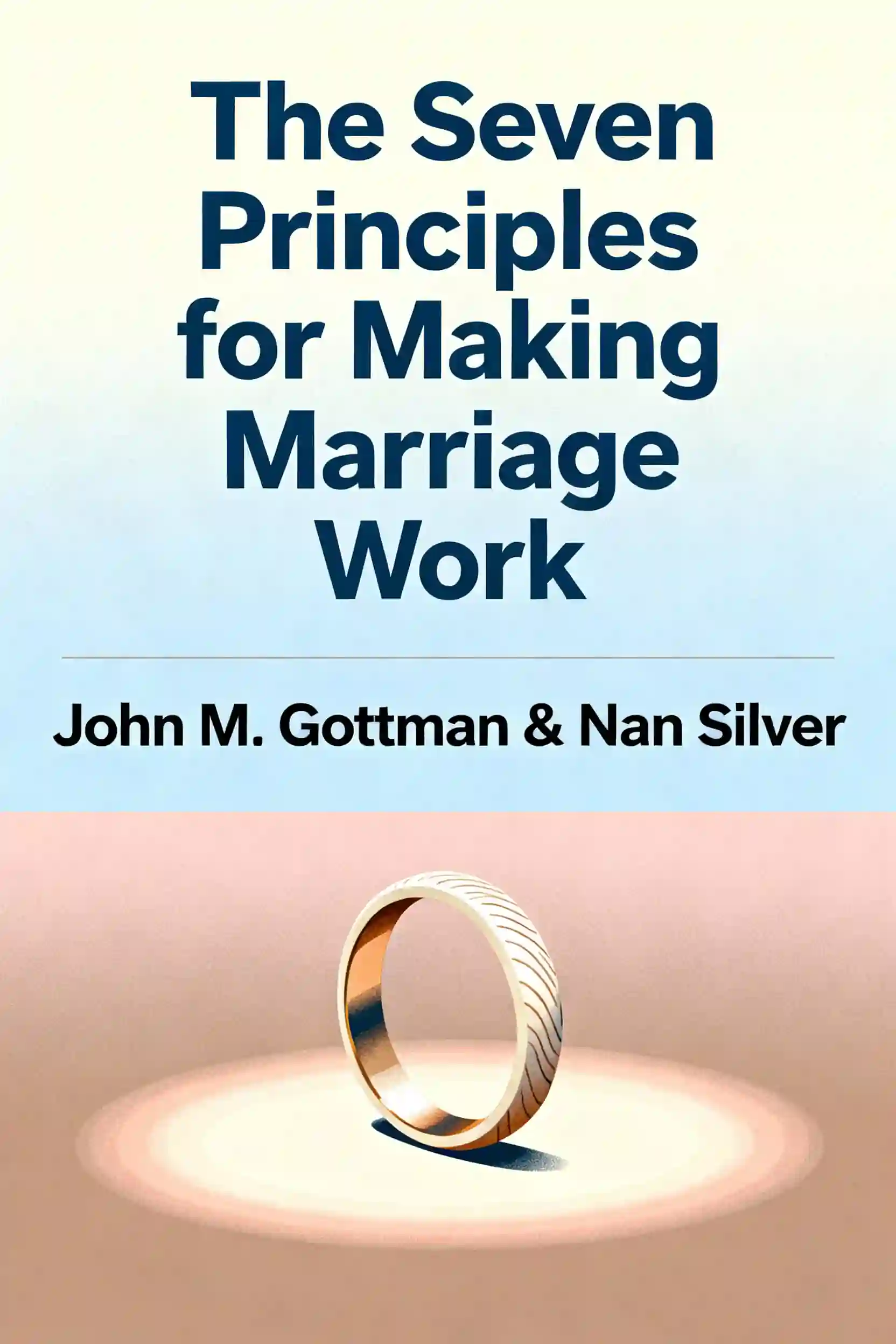
A Love Map is a research-based concept representing the detailed internal road map you have of your partner’s world. It involves staying up to date on their current stressors, joys, dreams, and even trivial details of their daily life. Maintaining an accurate Love Map is crucial because it builds a buffer of understanding; when you have context for your partner’s life, you are less likely to take their moods or mistakes as personal attacks, making the relationship more resilient during chaotic times.
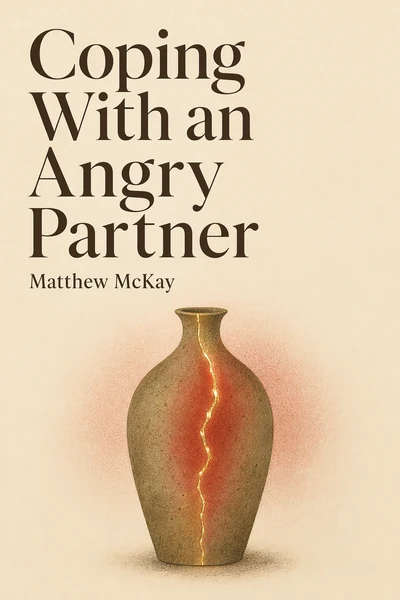
The Four Horsemen are destructive communication styles—Criticism, Contempt, Defensiveness, and Stonewalling—that can predict the end of a relationship with high accuracy. To counter them, couples should use their "antidotes": replace Criticism with a "Gentle Start-Up" using "I" statements; meet Defensiveness by taking responsibility for even a small part of the problem; combat Contempt by building a culture of appreciation; and manage Stonewalling by taking a twenty-minute break to physiologically calm down before returning to the conversation.
The primary goal of a Stress-Reducing Conversation is to manage external stress—such as work or traffic—rather than resolving internal relationship conflicts. The most important rule is that "understanding must precede advice," meaning the listener acts as an emotional ally or "hype person" rather than a consultant. By validating the partner's feelings and showing "we-ness" without trying to fix the problem, couples create a safe harbor that prevents outside stress from spilling over into their marriage.
A "bid" is any attempt by one partner for attention, affirmation, or affection, ranging from a deep emotional request to a simple comment about a bird outside. Research shows that the way a partner responds to these bids is a massive predictor of relationship success. Happy couples "turn toward" these bids about 86 percent of the time, whereas couples who eventually divorce do so only 33 percent of the time. Consistently ignoring these small moments acts as a "micro-rejection" that eventually empties the relationship's emotional bank account.
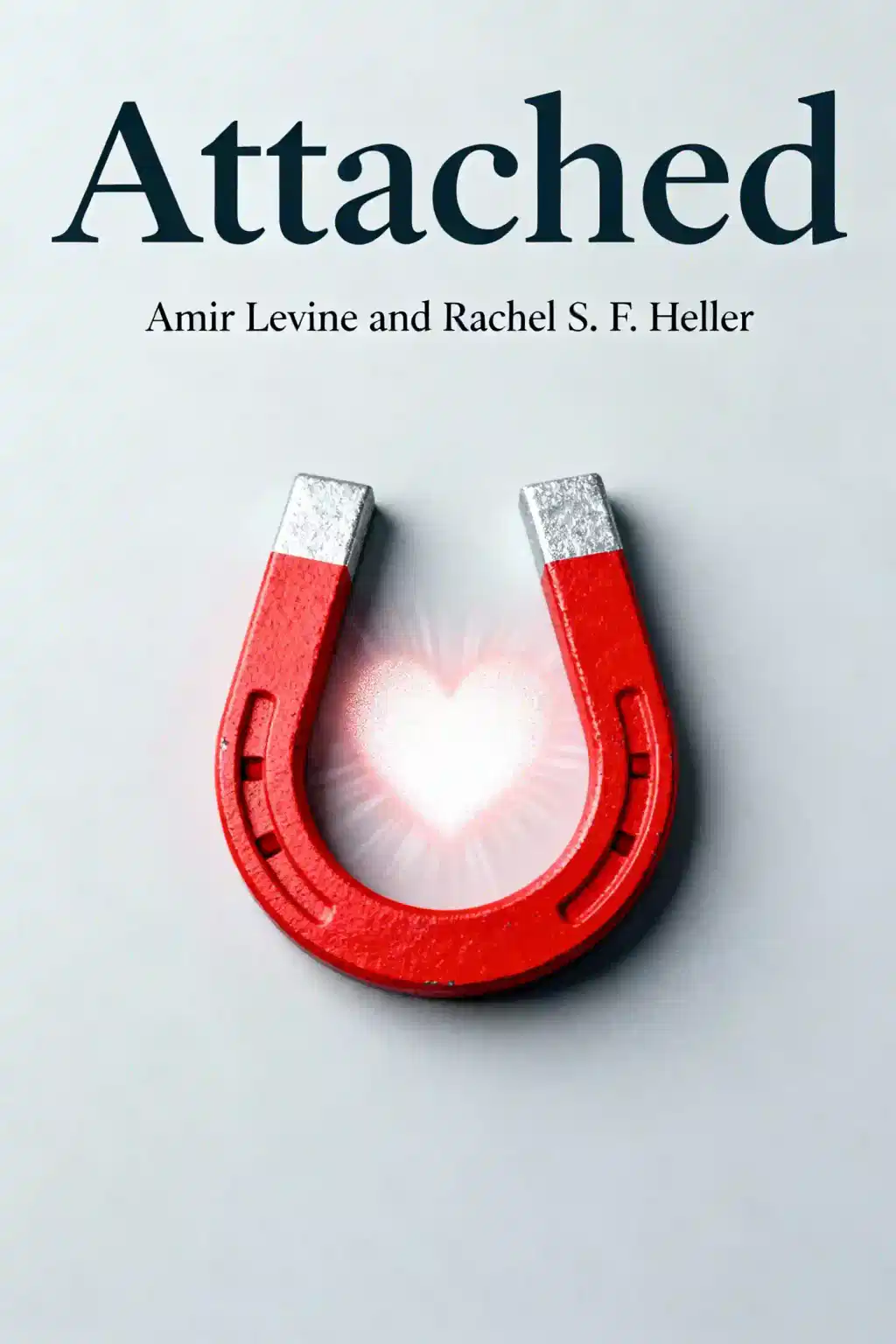
Yes, the script highlights the hopeful concept of "Earned Secure Attachment." Because the brain possesses plasticity, individuals with Anxious or Avoidant styles are not stuck with those blueprints forever. By developing self-awareness of their triggers and consistently practicing new skills—such as self-soothing for anxious types or "leaning in" for avoidant types—individuals can learn to become secure through corrective experiences and intentional work within their relationship.
由哥伦比亚大学校友在旧金山创建
"Instead of endless scrolling, I just hit play on BeFreed. It saves me so much time."


"I never knew where to start with nonfiction—BeFreed’s book lists turned into podcasts gave me a clear path."


"Perfect balance between learning and entertainment. Finished ‘Thinking, Fast and Slow’ on my commute this week."
"Crazy how much I learned while walking the dog. BeFreed = small habits → big gains."
"Reading used to feel like a chore. Now it’s just part of my lifestyle."

"Feels effortless compared to reading. I’ve finished 6 books this month already."
"BeFreed turned my guilty doomscrolling into something that feels productive and inspiring."

"BeFreed turned my commute into learning time. 20-min podcasts are perfect for finishing books I never had time for."
"BeFreed replaced my podcast queue. Imagine Spotify for books — that’s it. 🙌"

"It is great for me to learn something from the book without reading it."
"The themed book list podcasts help me connect ideas across authors—like a guided audio journey."
"Makes me feel smarter every time before going to work"
 Ask ChatGPT
 Ask Claude
由哥伦比亚大学校友在旧金山创建
"Instead of endless scrolling, I just hit play on BeFreed. It saves me so much time."
"I never knew where to start with nonfiction—BeFreed’s book lists turned into podcasts gave me a clear path."
"Perfect balance between learning and entertainment. Finished ‘Thinking, Fast and Slow’ on my commute this week."
"Crazy how much I learned while walking the dog. BeFreed = small habits → big gains."
"Reading used to feel like a chore. Now it’s just part of my lifestyle."
"Feels effortless compared to reading. I’ve finished 6 books this month already."
"BeFreed turned my guilty doomscrolling into something that feels productive and inspiring."
"BeFreed turned my commute into learning time. 20-min podcasts are perfect for finishing books I never had time for."
"BeFreed replaced my podcast queue. Imagine Spotify for books — that’s it. 🙌"
"It is great for me to learn something from the book without reading it."
"The themed book list podcasts help me connect ideas across authors—like a guided audio journey."
"Makes me feel smarter every time before going to work"
"Instead of endless scrolling, I just hit play on BeFreed. It saves me so much time."
"I never knew where to start with nonfiction—BeFreed’s book lists turned into podcasts gave me a clear path."
"Perfect balance between learning and entertainment. Finished ‘Thinking, Fast and Slow’ on my commute this week."
"Crazy how much I learned while walking the dog. BeFreed = small habits → big gains."
"Reading used to feel like a chore. Now it’s just part of my lifestyle."
"Feels effortless compared to reading. I’ve finished 6 books this month already."
"BeFreed turned my guilty doomscrolling into something that feels productive and inspiring."
"BeFreed turned my commute into learning time. 20-min podcasts are perfect for finishing books I never had time for."
"BeFreed replaced my podcast queue. Imagine Spotify for books — that’s it. 🙌"
"It is great for me to learn something from the book without reading it."
"The themed book list podcasts help me connect ideas across authors—like a guided audio journey."
"Makes me feel smarter every time before going to work"
"Instead of endless scrolling, I just hit play on BeFreed. It saves me so much time."
"I never knew where to start with nonfiction—BeFreed’s book lists turned into podcasts gave me a clear path."
"Perfect balance between learning and entertainment. Finished ‘Thinking, Fast and Slow’ on my commute this week."
"Crazy how much I learned while walking the dog. BeFreed = small habits → big gains."
"Reading used to feel like a chore. Now it’s just part of my lifestyle."
"Feels effortless compared to reading. I’ve finished 6 books this month already."
"BeFreed turned my guilty doomscrolling into something that feels productive and inspiring."
"BeFreed turned my commute into learning time. 20-min podcasts are perfect for finishing books I never had time for."
"BeFreed replaced my podcast queue. Imagine Spotify for books — that’s it. 🙌"
"It is great for me to learn something from the book without reading it."
"The themed book list podcasts help me connect ideas across authors—like a guided audio journey."
"Makes me feel smarter every time before going to work"