The 25-Minute Brain Boost
Discover how studying in 25-minute intervals works with your brain's natural rhythm to enhance focus, trigger dopamine rewards, and improve memory consolidation—turning procrastination into productive learning cycles.

The 25-Minute Brain Boost最佳语录
The break isn't just about relaxing—it's actually part of the learning process itself. During these short breaks, your brain activates the default mode network, which helps connect new information to existing knowledge and strengthens memory formation.

此音频课程由 BeFreed 社区成员创建
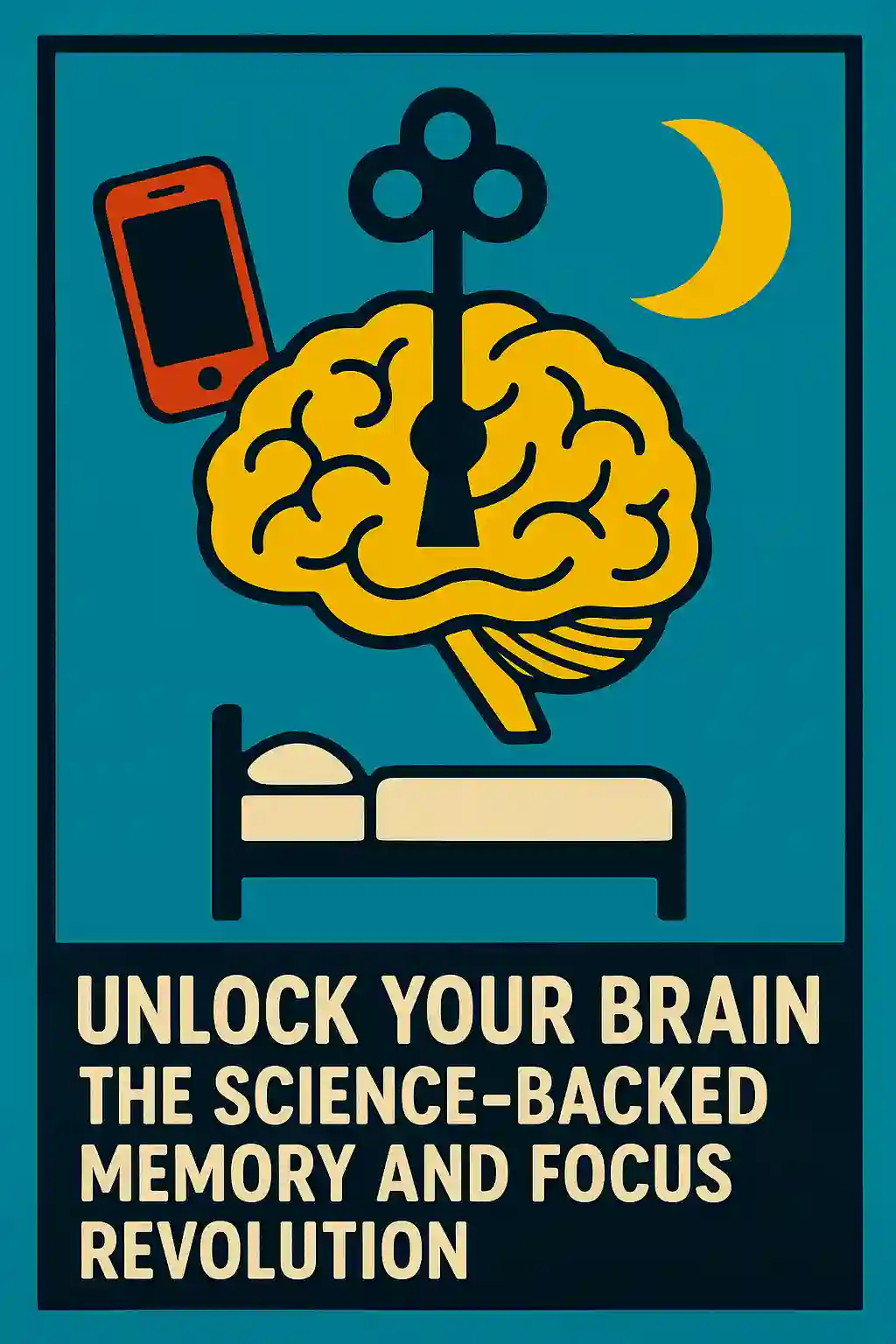
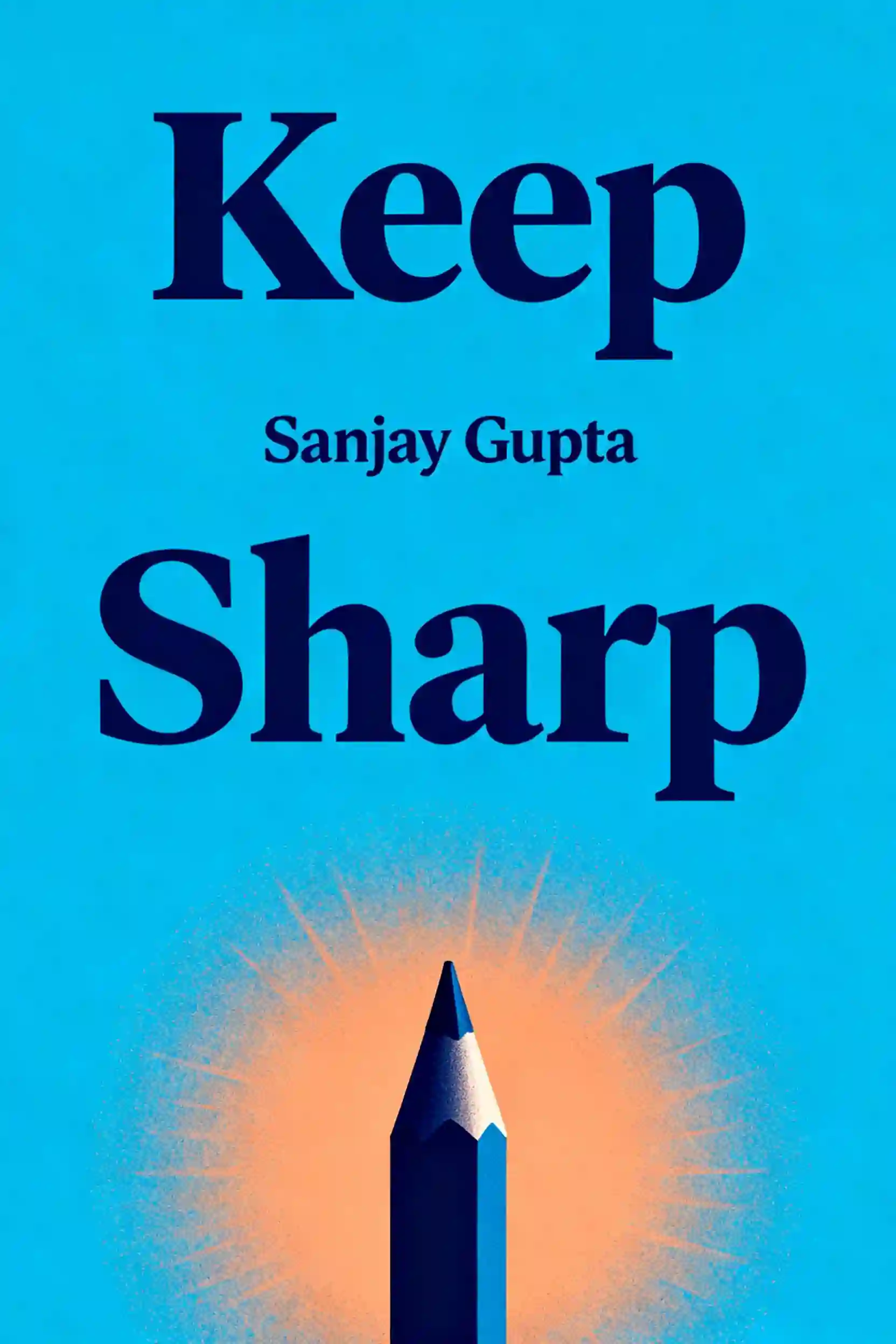
Studying for 25 min , how does it affect the brains

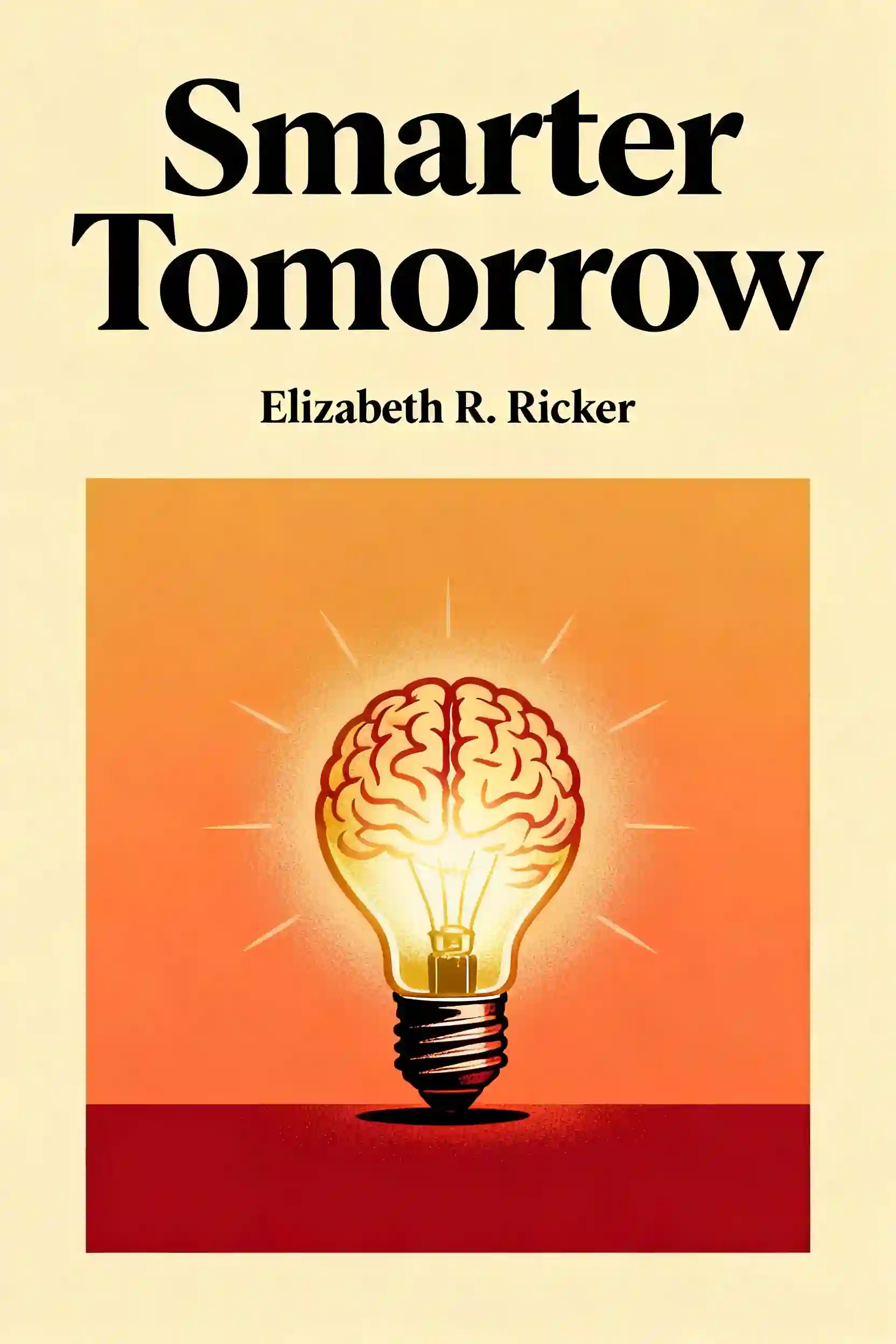
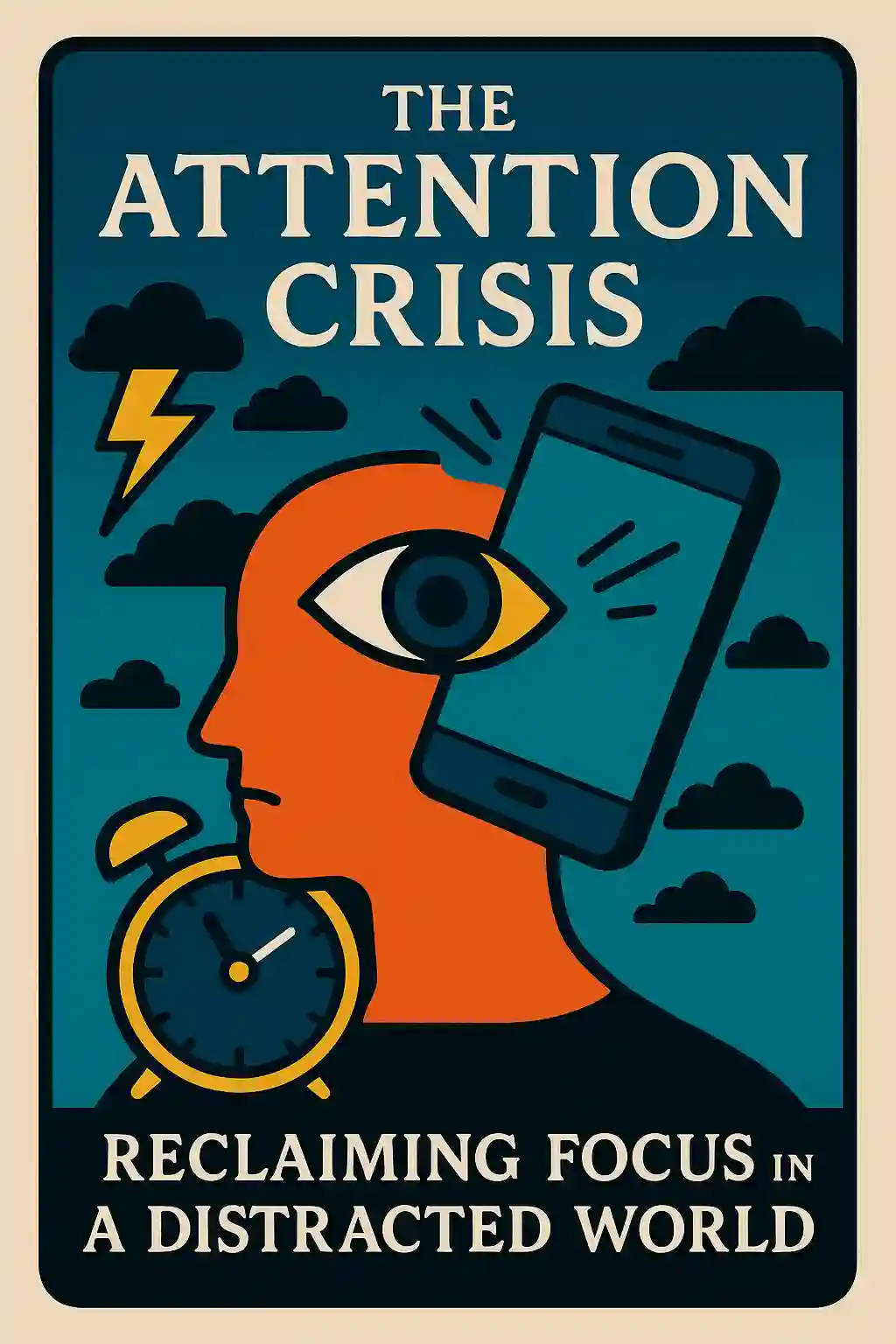
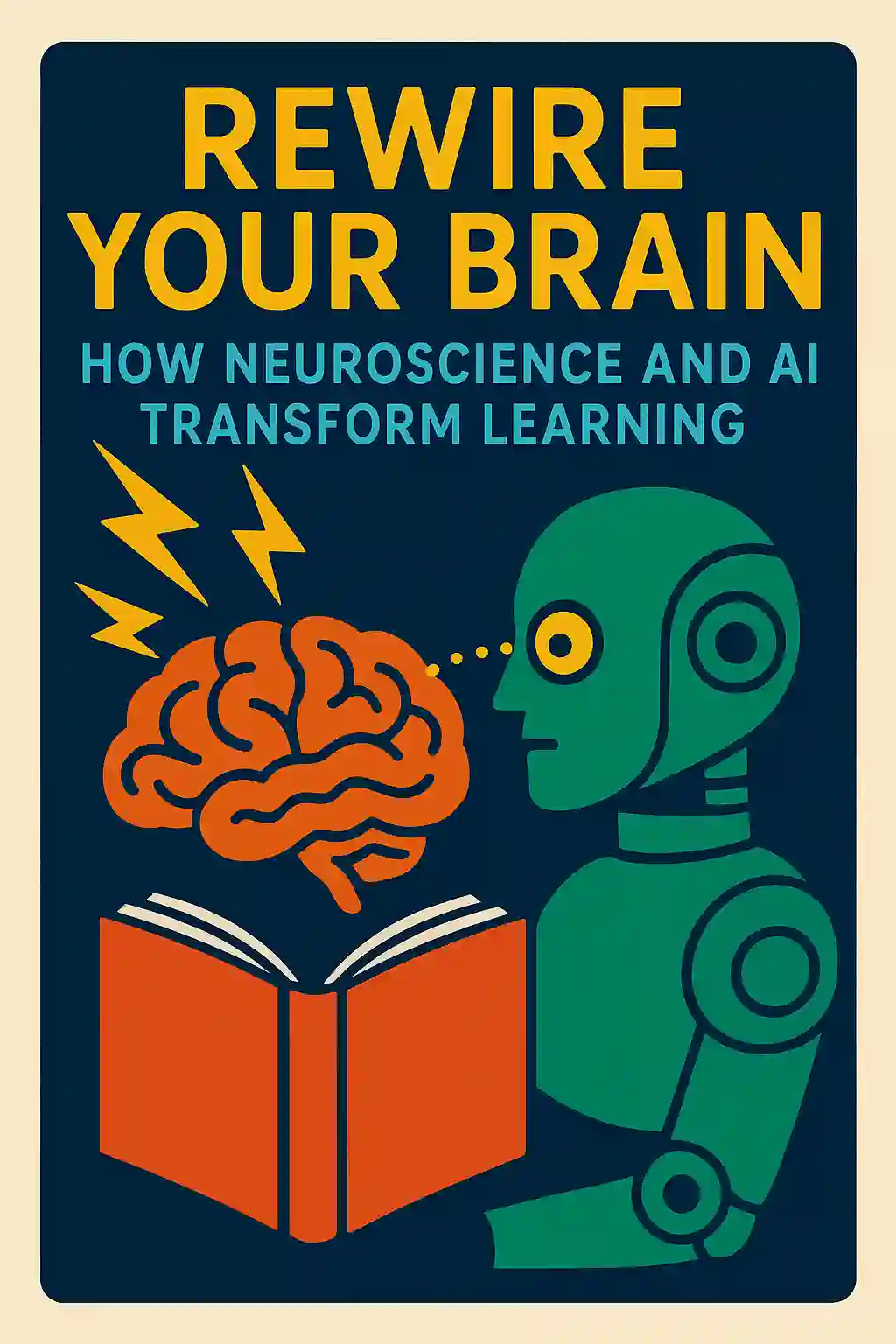
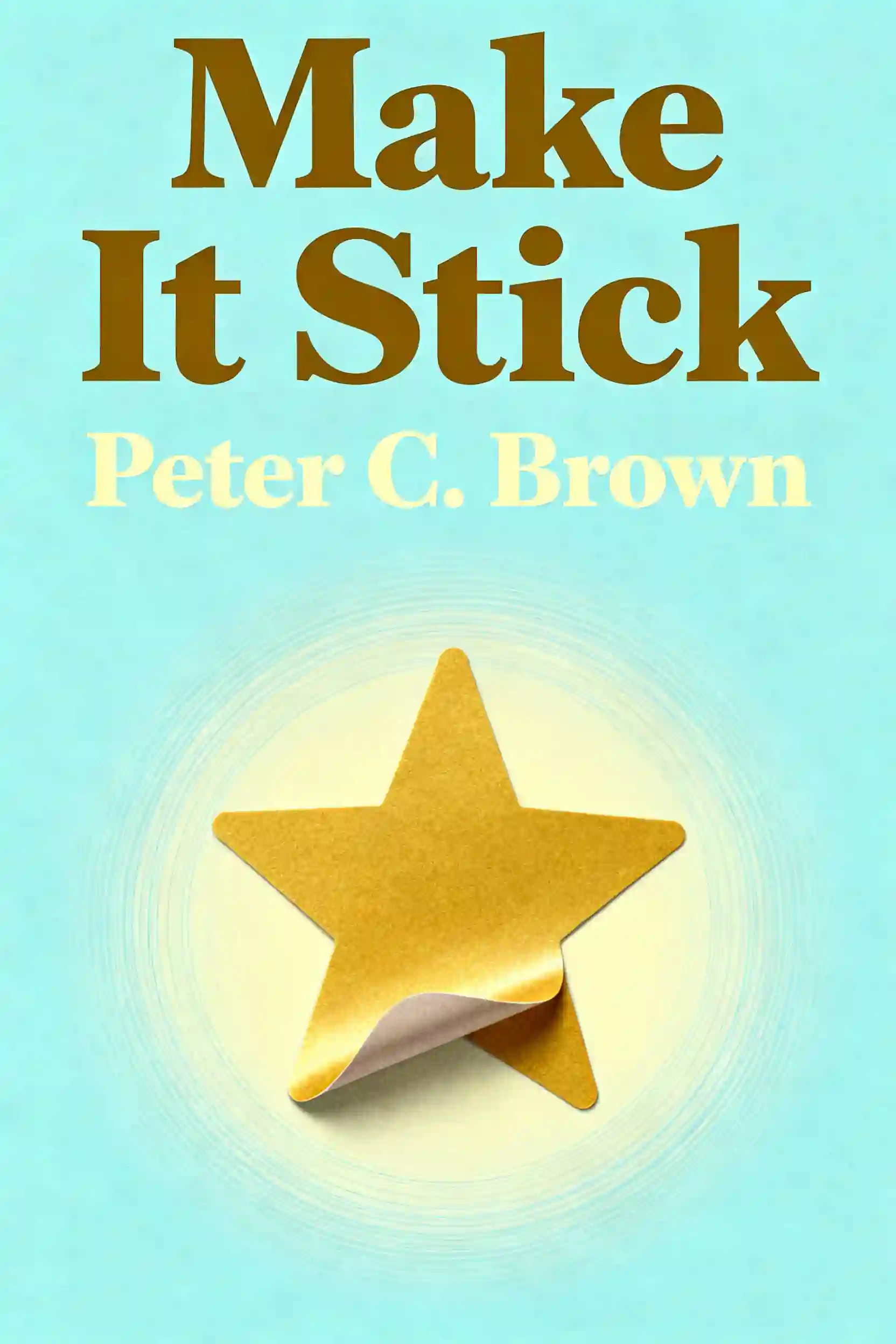
发现更多

Use Dopamine to Beat Procrastination
This learning plan is essential for anyone frustrated by chronic procrastination who wants to understand and leverage the brain science behind motivation. It's particularly valuable for knowledge workers, students, entrepreneurs, and creative professionals who struggle to start important tasks despite knowing their value, offering a neuroscience-based approach rather than willpower-dependent solutions.

How to study and learn
This plan bridges the gap between cognitive science and practical application for anyone looking to optimize their brain's potential. It is ideal for students, professionals, and lifelong learners who want to stop wasting time on ineffective habits and start mastering complex subjects faster.

Boost Productivity & Better Brain Habits
This learning plan is essential for professionals and students looking to transcend traditional time management by leveraging neuroscience. It is ideal for anyone seeking to overcome burnout and optimize their mental output through evidence-based cognitive habits.

Boost learning skills & eliminate time waste
This learning plan is essential for anyone frustrated with slow progress, wasted study time, or the feeling of spinning their wheels without real skill development. It combines neuroscience-backed learning strategies with practical productivity systems to help students, professionals, and lifelong learners achieve more in less time. Perfect for those ready to stop guessing about how to learn and start using evidence-based methods that actually work.

To read faster in a time limit of 10 minutes
In an age of information overload, the ability to process text quickly is a vital competitive advantage for professionals and students alike. This plan is designed for anyone looking to save hours of study or work time by mastering the mechanics of rapid comprehension and memory retention.

The Procrastination Cure for Students
This plan is essential for students struggling to bridge the gap between planning and action. It benefits anyone looking to replace last-minute cramming with sustainable focus and scientifically-backed study habits.
"Instead of endless scrolling, I just hit play on BeFreed. It saves me so much time."


"I never knew where to start with nonfiction—BeFreed’s book lists turned into podcasts gave me a clear path."


"Perfect balance between learning and entertainment. Finished ‘Thinking, Fast and Slow’ on my commute this week."
"Crazy how much I learned while walking the dog. BeFreed = small habits → big gains."
"Reading used to feel like a chore. Now it’s just part of my lifestyle."

"Feels effortless compared to reading. I’ve finished 6 books this month already."
"BeFreed turned my guilty doomscrolling into something that feels productive and inspiring."

"BeFreed turned my commute into learning time. 20-min podcasts are perfect for finishing books I never had time for."
"BeFreed replaced my podcast queue. Imagine Spotify for books — that’s it. 🙌"

"It is great for me to learn something from the book without reading it."
"The themed book list podcasts help me connect ideas across authors—like a guided audio journey."
"Makes me feel smarter every time before going to work"
"Instead of endless scrolling, I just hit play on BeFreed. It saves me so much time."
"I never knew where to start with nonfiction—BeFreed’s book lists turned into podcasts gave me a clear path."
"Perfect balance between learning and entertainment. Finished ‘Thinking, Fast and Slow’ on my commute this week."
"Crazy how much I learned while walking the dog. BeFreed = small habits → big gains."
"Reading used to feel like a chore. Now it’s just part of my lifestyle."
"Feels effortless compared to reading. I’ve finished 6 books this month already."
"BeFreed turned my guilty doomscrolling into something that feels productive and inspiring."
"BeFreed turned my commute into learning time. 20-min podcasts are perfect for finishing books I never had time for."
"BeFreed replaced my podcast queue. Imagine Spotify for books — that’s it. 🙌"
"It is great for me to learn something from the book without reading it."
"The themed book list podcasts help me connect ideas across authors—like a guided audio journey."
"Makes me feel smarter every time before going to work"
"Instead of endless scrolling, I just hit play on BeFreed. It saves me so much time."
"I never knew where to start with nonfiction—BeFreed’s book lists turned into podcasts gave me a clear path."
"Perfect balance between learning and entertainment. Finished ‘Thinking, Fast and Slow’ on my commute this week."
"Crazy how much I learned while walking the dog. BeFreed = small habits → big gains."
"Reading used to feel like a chore. Now it’s just part of my lifestyle."
"Feels effortless compared to reading. I’ve finished 6 books this month already."
"BeFreed turned my guilty doomscrolling into something that feels productive and inspiring."
"BeFreed turned my commute into learning time. 20-min podcasts are perfect for finishing books I never had time for."
"BeFreed replaced my podcast queue. Imagine Spotify for books — that’s it. 🙌"
"It is great for me to learn something from the book without reading it."
"The themed book list podcasts help me connect ideas across authors—like a guided audio journey."
"Makes me feel smarter every time before going to work"
"Instead of endless scrolling, I just hit play on BeFreed. It saves me so much time."
"I never knew where to start with nonfiction—BeFreed’s book lists turned into podcasts gave me a clear path."
"Perfect balance between learning and entertainment. Finished ‘Thinking, Fast and Slow’ on my commute this week."
"Crazy how much I learned while walking the dog. BeFreed = small habits → big gains."
"Reading used to feel like a chore. Now it’s just part of my lifestyle."
"Feels effortless compared to reading. I’ve finished 6 books this month already."
"BeFreed turned my guilty doomscrolling into something that feels productive and inspiring."
"BeFreed turned my commute into learning time. 20-min podcasts are perfect for finishing books I never had time for."
"BeFreed replaced my podcast queue. Imagine Spotify for books — that’s it. 🙌"
"It is great for me to learn something from the book without reading it."
"The themed book list podcasts help me connect ideas across authors—like a guided audio journey."
"Makes me feel smarter every time before going to work"