Focus better by working with your brain
Constant interruptions make staying focused feel impossible. Learn how to use 90-minute rhythms and neural warm-ups to reclaim your attention span.

Focus better by working with your brain最佳语录
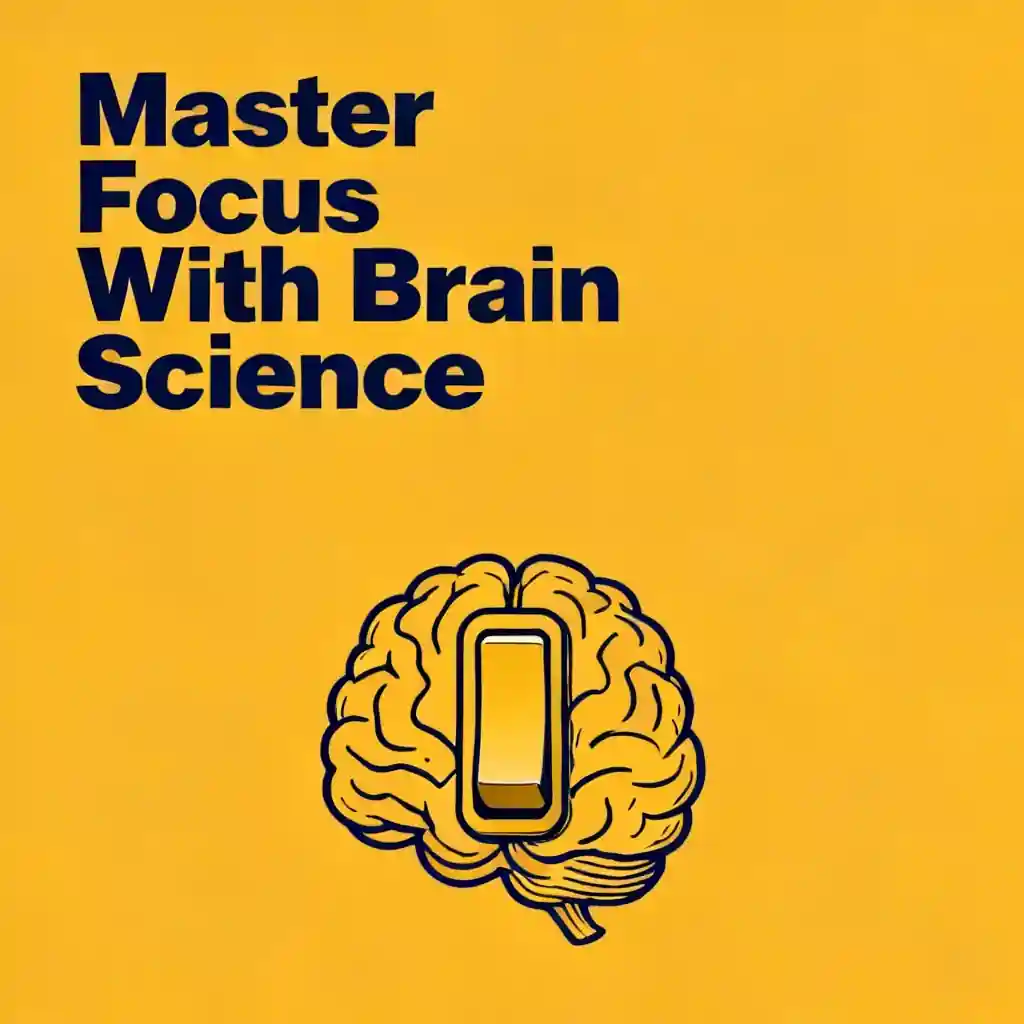
Focus isn't about having more willpower; it’s about understanding our natural biological cycles and treating focus as an act of self-care rather than just a way to grind harder.
Generated by Ayush
How to focus better

常见问题
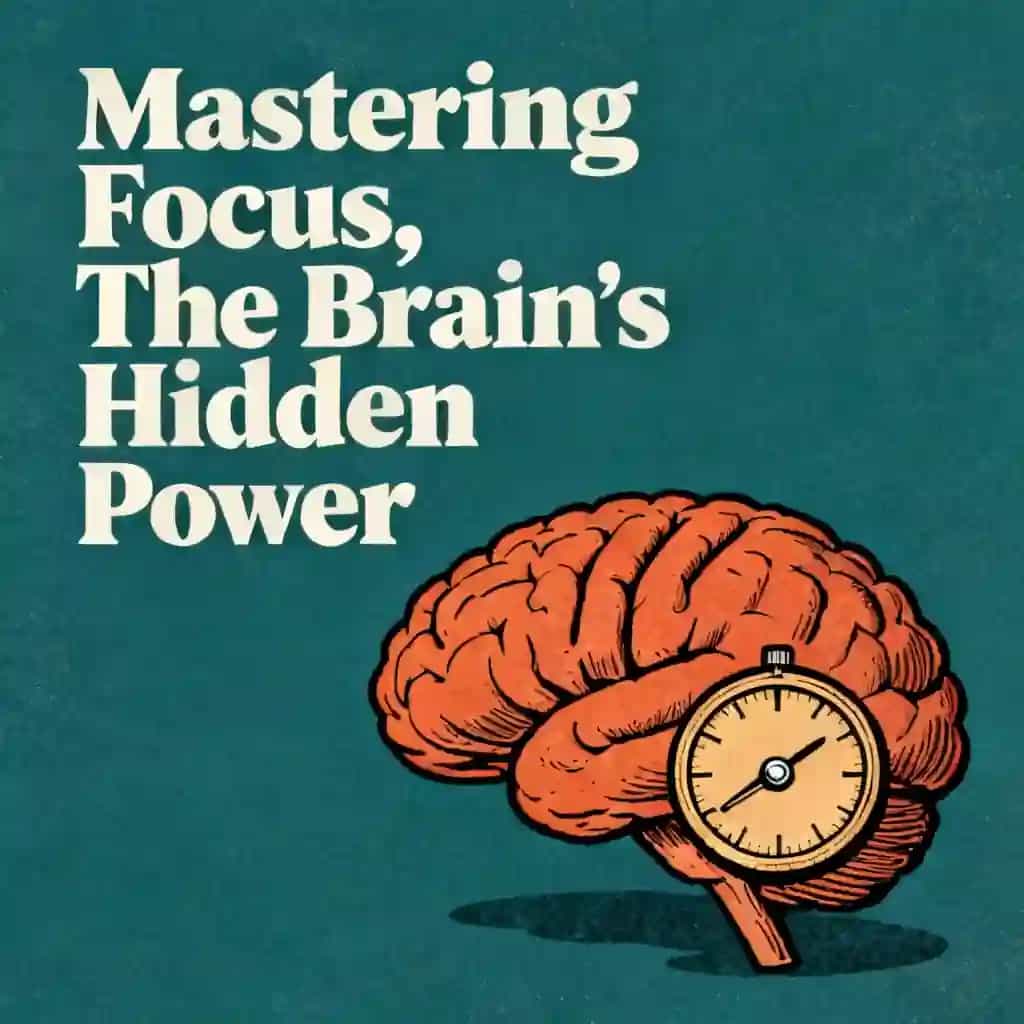
Ultradian rhythms are natural biological cycles where the brain moves through periods of high alertness and subsequent recovery phases roughly every 90 to 120 minutes. During the peak of this cycle, the prefrontal cortex handles high-level decision-making and planning but consumes significant amounts of glucose and neurotransmitters. If you attempt to "power through" the natural dip in this cycle instead of taking a 20-minute break to replenish, you invite mental fatigue and lower the quality of your next peak performance period.
This difficulty is driven by a neurological mechanism called "variable ratio reinforcement," which is the same principle that makes slot machines addictive. Because a notification or email might contain something exciting or important, the brain stays in a perpetual seeking loop driven by dopamine. In this context, dopamine acts as a "wanting" molecule that creates anticipation for a potential reward, leading to a habit of mining your own attention for small, unsatisfying hits of stimulation.
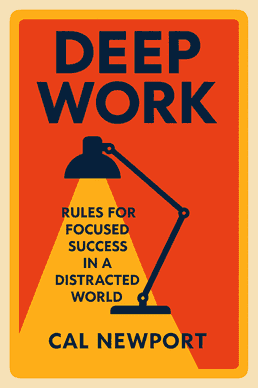
Research indicates that every object within your field of vision competes for neural resources, meaning that visual clutter like mail or empty mugs forces the brain to spend energy filtering them out. This constant processing drains your limited attentional bandwidth even if you aren't consciously looking at the mess. By creating a minimalist workspace or using environmental triggers—such as a specific lamp or noise-canceling headphones—you can signal to your brain that it is time to focus, thereby reducing the mental energy required to enter a productive state.
The Focus Loop is a three-phase framework consisting of Prime, Perform, and Recover. The Prime phase involves a five-minute neural warm-up, such as focused breathing or writing down a single intention, to activate the brain's filtering systems. The Perform phase requires ruthless single-tasking and "cognitive offloading," where distracting thoughts are written down on a separate notepad to clear working memory. Finally, the Recover phase treats rest as a biological requirement, allowing the brain to consolidate information and clear metabolic waste accumulated during intense work.
To combat the "attention extraction industry," you can practice digital minimalism by using devices with specific intentionality. One effective strategy is the "grayscale hack," which involves turning your phone screen to black and white to make addictive apps less visually rewarding. Another method is the "Bookend Strategy," where you protect the first and last hours of your day from screens to maintain autonomy over your focus. Additionally, simply removing your phone from your immediate workspace can increase cognitive capacity, as the brain spends energy monitoring for alerts even when a phone is face down.
"Instead of endless scrolling, I just hit play on BeFreed. It saves me so much time."


"I never knew where to start with nonfiction—BeFreed’s book lists turned into podcasts gave me a clear path."


"Perfect balance between learning and entertainment. Finished ‘Thinking, Fast and Slow’ on my commute this week."
"Crazy how much I learned while walking the dog. BeFreed = small habits → big gains."
"Reading used to feel like a chore. Now it’s just part of my lifestyle."

"Feels effortless compared to reading. I’ve finished 6 books this month already."
"BeFreed turned my guilty doomscrolling into something that feels productive and inspiring."

"BeFreed turned my commute into learning time. 20-min podcasts are perfect for finishing books I never had time for."
"BeFreed replaced my podcast queue. Imagine Spotify for books — that’s it. 🙌"

"It is great for me to learn something from the book without reading it."
"The themed book list podcasts help me connect ideas across authors—like a guided audio journey."
"Makes me feel smarter every time before going to work"
"Instead of endless scrolling, I just hit play on BeFreed. It saves me so much time."
"I never knew where to start with nonfiction—BeFreed’s book lists turned into podcasts gave me a clear path."
"Perfect balance between learning and entertainment. Finished ‘Thinking, Fast and Slow’ on my commute this week."
"Crazy how much I learned while walking the dog. BeFreed = small habits → big gains."
"Reading used to feel like a chore. Now it’s just part of my lifestyle."
"Feels effortless compared to reading. I’ve finished 6 books this month already."
"BeFreed turned my guilty doomscrolling into something that feels productive and inspiring."
"BeFreed turned my commute into learning time. 20-min podcasts are perfect for finishing books I never had time for."
"BeFreed replaced my podcast queue. Imagine Spotify for books — that’s it. 🙌"
"It is great for me to learn something from the book without reading it."
"The themed book list podcasts help me connect ideas across authors—like a guided audio journey."
"Makes me feel smarter every time before going to work"
"Instead of endless scrolling, I just hit play on BeFreed. It saves me so much time."
"I never knew where to start with nonfiction—BeFreed’s book lists turned into podcasts gave me a clear path."
"Perfect balance between learning and entertainment. Finished ‘Thinking, Fast and Slow’ on my commute this week."
"Crazy how much I learned while walking the dog. BeFreed = small habits → big gains."
"Reading used to feel like a chore. Now it’s just part of my lifestyle."
"Feels effortless compared to reading. I’ve finished 6 books this month already."
"BeFreed turned my guilty doomscrolling into something that feels productive and inspiring."
"BeFreed turned my commute into learning time. 20-min podcasts are perfect for finishing books I never had time for."
"BeFreed replaced my podcast queue. Imagine Spotify for books — that’s it. 🙌"
"It is great for me to learn something from the book without reading it."
"The themed book list podcasts help me connect ideas across authors—like a guided audio journey."
"Makes me feel smarter every time before going to work"
"Instead of endless scrolling, I just hit play on BeFreed. It saves me so much time."
"I never knew where to start with nonfiction—BeFreed’s book lists turned into podcasts gave me a clear path."
"Perfect balance between learning and entertainment. Finished ‘Thinking, Fast and Slow’ on my commute this week."
"Crazy how much I learned while walking the dog. BeFreed = small habits → big gains."
"Reading used to feel like a chore. Now it’s just part of my lifestyle."
"Feels effortless compared to reading. I’ve finished 6 books this month already."
"BeFreed turned my guilty doomscrolling into something that feels productive and inspiring."
"BeFreed turned my commute into learning time. 20-min podcasts are perfect for finishing books I never had time for."
"BeFreed replaced my podcast queue. Imagine Spotify for books — that’s it. 🙌"
"It is great for me to learn something from the book without reading it."
"The themed book list podcasts help me connect ideas across authors—like a guided audio journey."
"Makes me feel smarter every time before going to work"