






说真的,我还没把这个 app 完全摸透,但用了这几天已经被惊艳到了… BeFreed 和我用过的任何学习类 app 都不在一个层级。它让人特别投入,还能实实在在地提升专注力,对刷手机停不下来的人来说太合适了!
@ladyInfinity
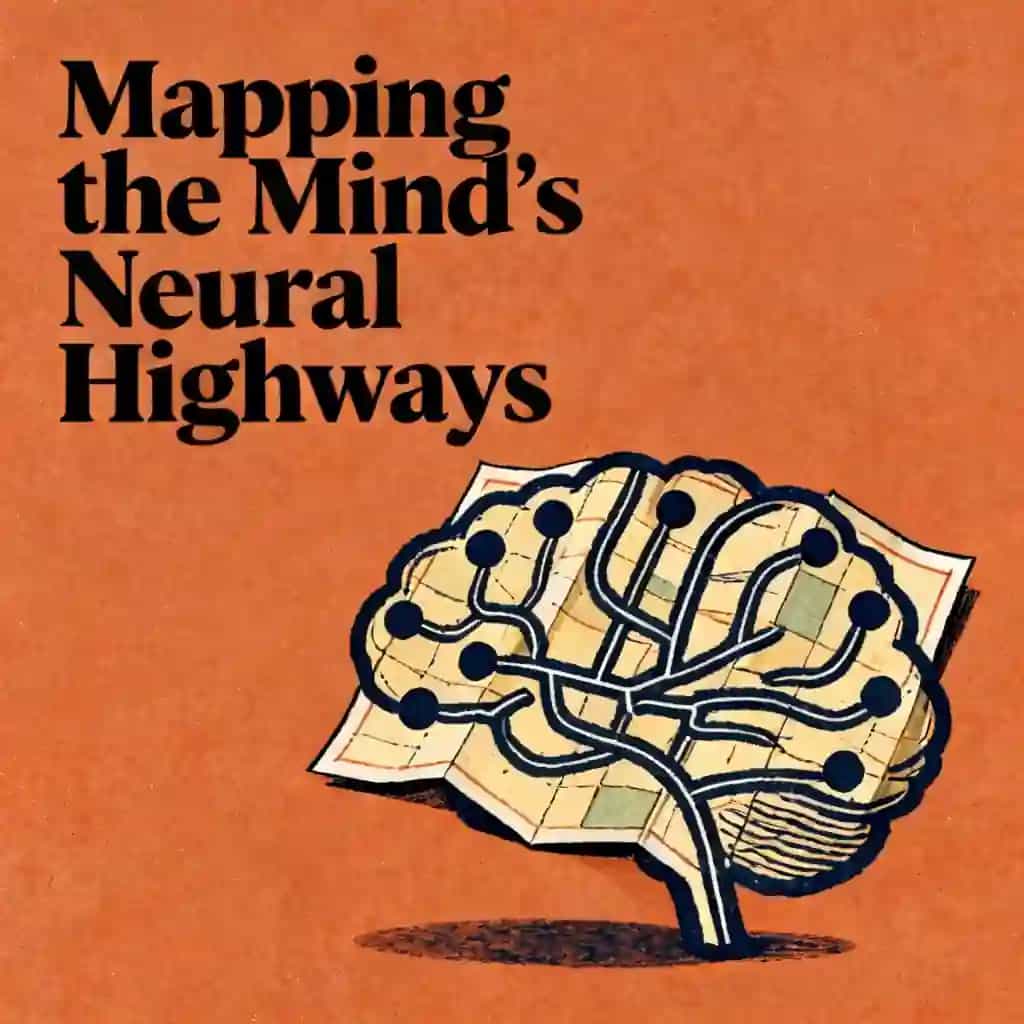
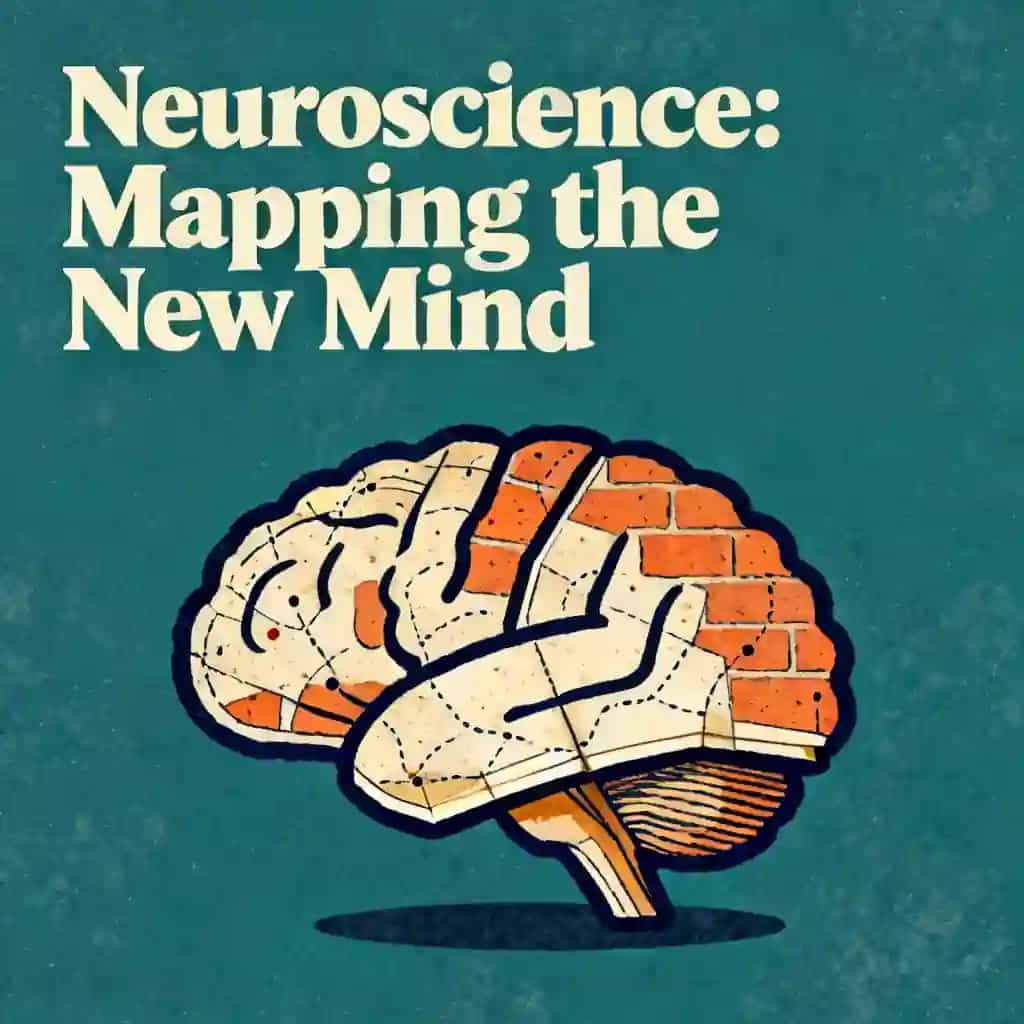
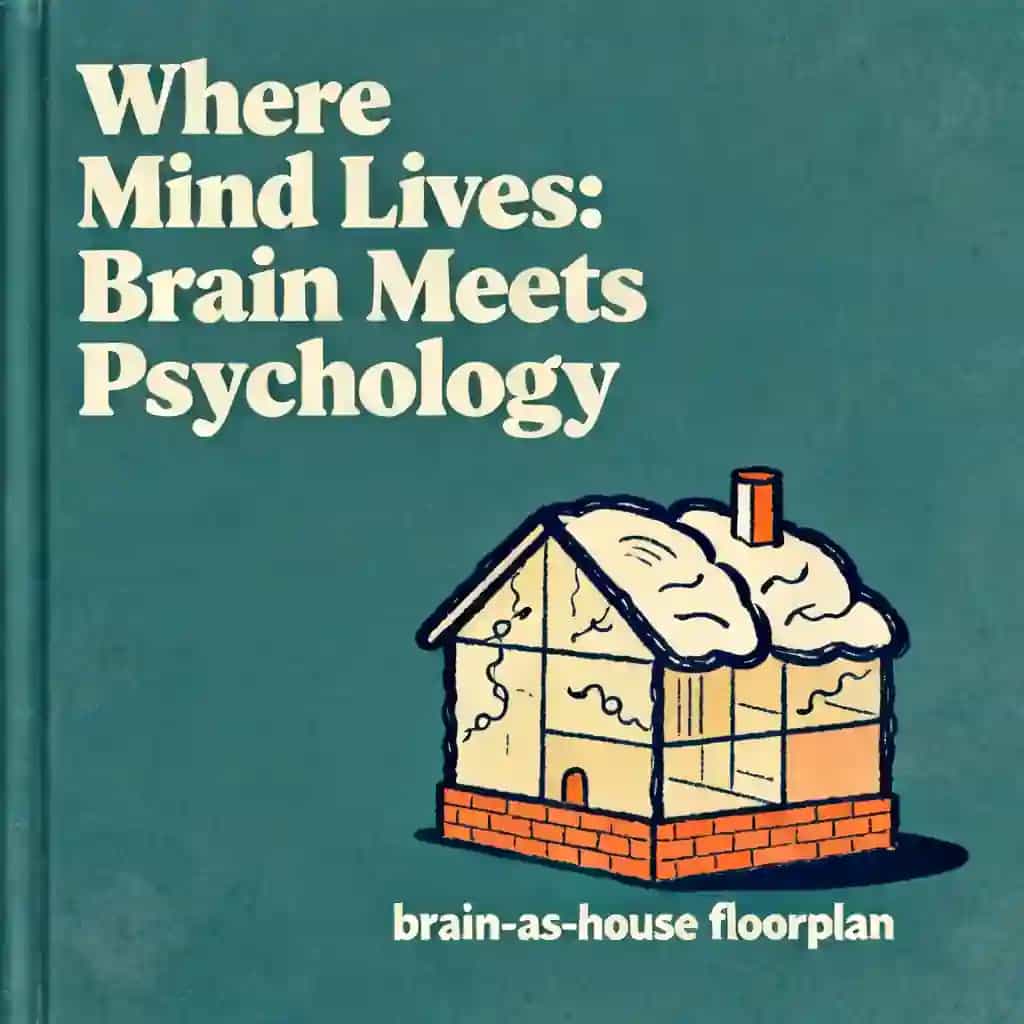
Discover how Nobel Prize-winning research revealed neurons that fire at specific locations, creating cognitive maps in your brain. From navigation to consciousness, explore the spatial intelligence that makes thinking possible.

Thinking is actually a form of movement through mental maps; when you solve problems or recall memories, your brain activates successive locations within these mental reference frames, just as it would when physically exploring an environment.
# Place cells: A quantitative guide for computational model validation Place cells are hippocampal pyramidal neurons that fire when an animal occupies specific locations in an environment, forming the neural basis of cognitive spatial maps. For computational model validation, cells should exhibit **spatial information ≥0.5 bits/spike**, **peak firing rates of 5-40 Hz** with baseline rates below 1 Hz, and **place field sizes of 30-50 cm** in standard environments. Verification requires permutation testing against shuffled controls, with genuine place cells exceeding the 95th percentile of null distributions across spatial information, coherence, and stability metrics. ## Discovery established the hippocampal cognitive map John O’Keefe and Jonathan Dostrovsky’s 1971 Brain Research paper documented the first evidence that hippocampal neurons encode spatial location. Recording from freely-moving rats, they discovered neurons that fired only “when the rat was situated in a particular part of the testing platform facing in a particular direction.” Controls eliminating auditory and olfactory cues ruled out simple sensory explanations, leading to their conclusion that the hippocampus provides “a spatial reference map.” O’Keefe and Nadel’s 1978 book *The Hippocampus as a Cognitive Map* formalized this theory, proposing place cells as basic units of an internal cognitive map— work that earned O’Keefe the 2014 Nobel Prize in Physiology or Medicine. Place cells are found throughout the hippocampal formation with distinct regional properties. **CA1** is the most extensively studied region, with approximately **25% of neurons** displaying place field firing in familiar environments. **CA3** shows more stable representations across trials and days, with fields emerging gradually but remaining consistent. The **dentate gyrus** contributes to pattern separation, differentiating similar spatial memories. A critical feature is the dorsoventral gradient: **dorsal hippocampus** place fields measure roughly **30-50 cm** on standard linear tracks, while **ventral hippocampus** fields can span **5-10 meters**, reflecting a tenfold difference in spatial resolution. ## Firing rates and field sizes define the core phenotype Place cell firing exhibits a stark contrast between in-field and out-of-field activity. **Baseline firing rates** outside the place field remain below **1 Hz** (typically 0.6 ± 0.2 Hz), while **in-field rates** average **4.7-7.3 Hz** with **peak rates reaching 20-40 Hz** during single passes and **80-100 Hz** during theta bursts. This firing rate differential produces the characteristic spatial selectivity used for classification. Place field dimensions scale with both brain region and environment size. In standard recording chambers, fields occupy approximately **13% of a 76 cm diameter cylinder**. On linear tracks, rat place fields measure **40 cm** median width (interquartile range: 33-48 cm), while mouse fields are smaller at **33 cm** median (IQR: 25-40 cm). The Kjelstrup et al. (2008) study on an 18-meter track demonstrated that ventral hippocampus fields average **5-6 meters** with maximum extent reaching **10 meters**—the gradient is approximately linear along the dorsoventral axis. In small environments (approximately 1 m²), **63-82% of place cells** exhibit single fields. However, in larger environments, multiple fields become prevalent: CA3 cells average **4.96 fields per cell** while dentate gyrus granule cells show **5.35 fields per cell** in expansive arenas. Stability is robust—place fields can persist **up to 153 days** in unchanging environments, though recent calcium imaging reveals that only **15-25%** of cells with fields on one day maintain them on subsequent days, reflecting representational drift. ## Spatial information metrics quantify place cell quality The Skaggs et al. (1993, 1996) spatial information metric is the standard for place cell identification. The formula calculates **bits per spike**: **SI = Σ pᵢ × (λᵢ/λ̄) × log₂(λᵢ/λ̄)** where pᵢ represents occupancy probability in spatial bin i, λᵢ is the mean firing rate in that bin, and λ̄ is the overall mean firing rate. **Values exceeding 0.5 bits/spike** typically indicate genuine place cells, with well-tuned cells reaching **1-4 bits/spike**. Statistical significance requires comparison against **500-1000 shuffled versions** where spike times are shifted by at least 5 seconds relative to position data. Cells must exceed the **95th or 99th percentile** of the shuffled distribution (equivalent to z-score >2.29, p<0.01). Complementary metrics strengthen classification. **Sparsity**, calculated as [E(λ)]²/E(λ²), measures firing concentration, with values of **0.22-0.24** indicating spatially confined activity (lower is more selective). **Spatial coherence**—the first-order autocorrelation of unsmoothed rate maps—should exceed **0.4-0.5** for genuine place fields. The **peak-to-mean firing rate ratio** typically requires values **≥4** for classification, with place field boundaries defined where firing exceeds **20% of peak rate**. Four primary classification methods exist: the **Peak method** (activity at one location statistically higher than elsewhere), **Information method** (Skaggs metric), **Stability method** (correlation between session halves), and **Combination method** (multiple thresholds including field width 20-120 cm, in-field/out-field ratio ≥4, activity in ≥20% of traversals). Critically, these methods identify **largely non-overlapping populations**— only approximately 1.1% of cells satisfy all four criteria simultaneously. ## Remapping, phase precession, and replay reveal computational mechanisms **Global remapping** occurs when animals move between distinct environments: the population of active cells and field locations become completely uncorrelated, producing statistically independent representations. **Rate remapping** preserves place field locations while varying firing rates—observed during subtle environmental changes like altered colors or odors. CA3 shows particularly dramatic rate remapping, with individual cells changing peak rates by an **order of magnitude**. **Phase precession** couples place cell firing to the **6-12 Hz theta rhythm**. As an animal traverses a place field, spike timing advances progressively earlier relative to theta phase. Spikes begin approximately **90-120° after** the population activity peak upon field entry and precess through **100-355°** total (typically ~180°) by field exit. This temporal code provides information beyond rate coding alone, with theta-scale compression ratios reaching **10:1**—behavioral sequences spanning seconds compress into single theta cycles. **Replay** during sleep and rest reactivates place cell sequences within **sharp-wave ripple** oscillations (**110-200 Hz**, lasting 40-100 ms). Approximately **5-20% of hippocampal neurons** fire within these brief windows. **Forward replay** precedes navigation and supports planning; **reverse replay** occurs at reward locations and correlates strongly with theta-scale compression during prior behavior (r=0.80). Replay compression factors reach 50-100 ms for sequences originally spanning seconds. **Behavioral timescale synaptic plasticity (BTSP)** enables one-shot place field formation. Unlike classical spike-timing-dependent plasticity, BTSP potentiates inputs arriving **seconds before and after** dendritic plateau potentials, with rise time ~4 seconds and decay ~3 seconds. This mechanism produces predictive place fields that anticipate behaviorally significant locations. ## Distinguishing place cells from other spatial cell types Place cells differ fundamentally from **grid cells**, which exhibit **hexagonal/triangular firing patterns** with multiple evenly-spaced fields spanning entire environments. Grid cells reside in medial entorhinal cortex (MEC) with spacing increasing along the dorsoventral axis (~50 cm dorsally to ~3 m ventrally). Grid scores—computed from rotational autocorrelation of rate maps—quantify hexagonal periodicity: **grid score = min(r₆₀, r₁₂₀) - max(r₃₀, r₉₀, r₁₅₀)**, with positive values indicating grid-like organization. **Head direction cells** fire when the animal’s head points in specific allocentric directions, independent of location—they fire throughout the environment. **Border/boundary cells** activate at fixed distances from environmental boundaries, providing geometric reference signals. **Speed cells** show firing rates proportional to movement velocity. Place cells are distinguished by their **single localized fields** (in standard environments), **allocentric coding** anchored to external landmarks rather than body-centered coordinates, and **environment-specific representations** that globally remap across distinct contexts. ## Validating artificial place cells requires multiple convergent analyses The DeepMind grid cells paper (Banino et al., Nature 2018) established methods for validating emergent spatial representations. For neural network hidden units: 1. **Rate map construction**: Record unit activations across positions, bin into N×N grid (typically 50×50), divide by occupancy, apply Gaussian smoothing (σ = 3-5 cm) 1. **Spatial information calculation**: Apply Skaggs formula to activations, require **≥0.5 bits/spike** 1. **Shuffling controls**: Time-shift activations relative to position (≥5 seconds), generate 500-1000 shuffles, require exceeding 95th/99th percentile 1. **Population decoding**: Train linear or Bayesian decoders to predict position from population activity; genuine spatial representations should support accurate position reconstruction 1. **Ablation experiments**: Silencing spatial units should impair navigation performance if representations are causally relevant Properties that models readily replicate include spatially localized fields, environment-spanning coverage, and basic path integration. However, several features remain challenging: **hexagonal grid symmetry** (many models produce environment-shaped patterns instead), **discrete multi-scale organization** (biological grid modules have discrete scales), **realistic remapping dynamics**, and **theta-coupled phase precession**. Common failure modes include sensitivity to regularization hyperparameters, overfitting to training environments, and missing the ~50% of hippocampal neurons with non-spatial responses. ## Conclusion For computational model validation, place cell identification requires spatial information **≥0.5 bits/spike** (exceeding shuffled controls at p<0.01), spatial coherence **>0.5**, peak firing rates **>1 Hz** with in-field/out-field ratios **≥4**, and place field widths between **20-120 cm**. Multiple complementary metrics provide robustness, as single criteria yield non-overlapping populations. Models should demonstrate decoding accuracy, remapping across environments, and ideally capture temporal phenomena like phase precession. The field increasingly recognizes that spatial representations may emerge as computational primitives in networks processing complex information—recent work shows place-like and grid-like patterns arising even in networks trained purely on visual perception, suggesting these representations may be fundamental features of spatial information processing rather than hippocampus-specific adaptations.

由哥伦比亚大学校友创建 | 源自旧金山
平均评分
7,840+ 条 App 评分
BeFreed 社区
说真的,我还没把这个 app 完全摸透,但用了这几天已经被惊艳到了… BeFreed 和我用过的任何学习类 app 都不在一个层级。它让人特别投入,还能实实在在地提升专注力,对刷手机停不下来的人来说太合适了!
@ladyInfinity
我买 BeFreed 正好 23 天,从那以后每天都在用。它已经完全融入了我的日常工作流和学习习惯。
@jayallen
说实话,这个 app 超出了我所有的预期。我可以让它就任何主题生成音频,无论是什么,效果都很惊艳。我的专业领域是心理治疗方向,而且是多学科交叉的,但它给出的内容非常准确。
@Raguipa
我最感激的是它大大减少了我刷手机的时间——花在搜索上的时间少了,吸收信息的时间多了。完整有声书、播客加上学习计划的组合,真的很出色。
@colonyofcreatorsNGO
我做 PhotoReading 快速学习讲师已经 24 年了… 书籍、阅读和学习就是我的本行,而 BeFreed 用一种创新的方式,把知识变得特别容易吸收,做得非常出色。
@BeFreed user
它不只是一个书籍摘要 app。我用过「有趣」这个阅读模式,比传统方式的摘要好得多,理解观点也更容易,光这一点就值回票价。
@austinakon
我爱这个 app。用了几天,完全停不下来。作为开始,再好不过了。
@jcrules328
我真的很喜欢这个产品;已经试用了大概一个月,感觉挖到宝了。它特别好用,因为我可以用 BeFreed 创建自己想学的主题,声音也很棒,旁白选择多到用不完。
@DanielCZ
我特别喜欢它能把有用的信息和想法浓缩成 8-15 分钟的播客式音频。我本来不太爱听播客,因为废话太多,但它把这些全都去掉了。
@BeFreed user
我正在读博士的最后阶段,需要读大量不熟悉的材料… 用 BeFreed,只要输入一个提示,app 就会帮你找到源材料并生成一期音频播客。我觉得 BeFreed 的流程比 NotebookLM 更顺畅。
@Brad
我经常在做早餐、散步、通勤的时候上 YouTube 找点东西听,而 BeFreed 提供了更有针对性的选择,没有广告,也没有废话!
@BeFreed user
这个平台最棒的地方是它的多面性。真的没有任何主题是它讲不了的,你丢给它什么它都能处理… 很少能找到一个毫无限制、又真正兑现承诺的学习工具。
@jayallen
BeFreed 太棒了。界面好用,让我花在找功能上的时间更少,花在学习上的时间更多。有声书、播客和学习计划的组合是天才设计,彻底改变了我的日常。
@BeFreed user
一开始我花了点时间才弄明白怎么生成意大利语的播客,然后就——哇!太棒了!我可以让它讲解任何一个话题,它讲得又好又聪明!
@matteo77
BeFreed 已经成了我每天都用的有声书 app… 我最喜欢的是,把自己的文字放进去,它就能生成随时随地都能听的音频。
@kotanzu1




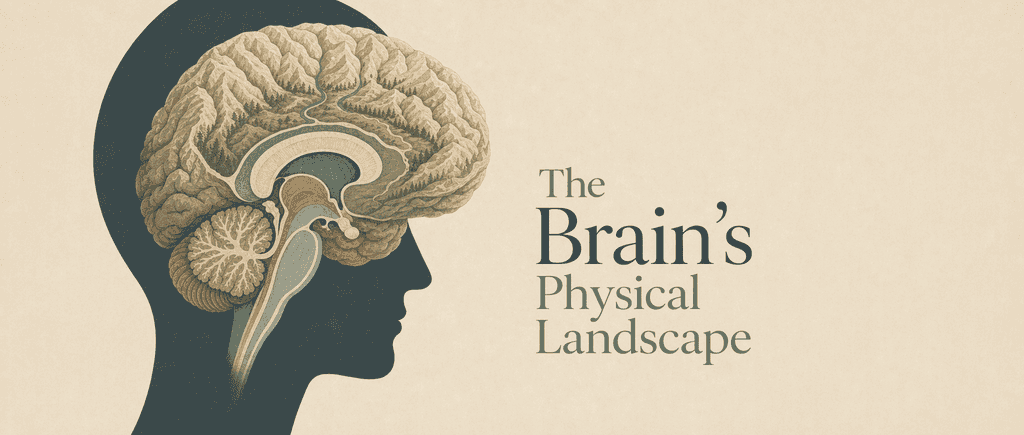
Understanding the brain's physical architecture is the foundation for mastering neuroscience and psychology. This plan is ideal for students or professionals seeking a clear, structural map of how neural biology translates into human behavior.

This learning plan is essential for students and professionals in medicine or neuroscience seeking to bridge the gap between cellular biology and functional anatomy. It provides a systematic approach to understanding how the body's wiring translates into complex physiological movement and sensation.

This plan is essential for neuroscience students and researchers interested in the cutting-edge intersection of cognitive mapping and synaptic plasticity. It provides a technical foundation for understanding how we navigate space, value information, and potentially reset neurological patterns.

This learning plan bridges the gap between biological architecture and complex human behavior. It is designed for students, researchers, or healthcare professionals seeking a comprehensive understanding of how modern technology and clinical case studies inform our knowledge of the mind.

This learning plan bridges the gap between biological neuroscience and practical psychology to reveal how our brains construct reality. It is ideal for curious minds, professionals, and students seeking to master their cognitive processes and understand the hidden drivers of human behavior.

This learning plan bridges neuroscience and philosophy to explain how our brains construct both our internal world and our external reality. It is ideal for thinkers, psychologists, and curious minds wanting to understand the biological roots of selfhood and perception.

This plan is essential for high-performers struggling with digital distraction and professional stagnation. It is designed for individuals looking to reclaim their cognitive sovereignty and transform their self-concept through evidence-based neurobiology.

This multidisciplinary framework is essential for thinkers who want to bridge the gap between biological evolution, historical narrative, and physical laws. It is designed for visionaries and problem-solvers looking to build a holistic understanding of how to reboot global systems.