Mapping Your Mind: Navigating the Neural Highways
Explore the internal GPS of your brain as we break down the biological, social, and cognitive pathways that shape our mental health and personal growth.

Mapping Your Mind: Navigating the Neural Highways最佳语录
Our psychological pathways are paved with very real biological materials, but because of neuroplasticity, the brain is always capable of reorganizing itself. We’re not just stuck on one road; we can actually build new ones.
Generated by Freedee_51BD0114
Psychological Path Ways

常见问题
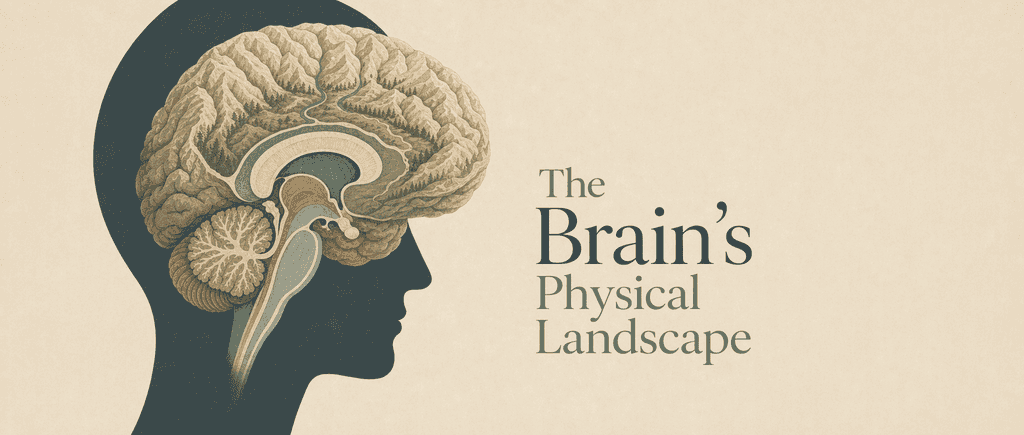
Neural highways are the specific biological pathways in the brain that shape our thoughts, emotions, and behaviors. These pathways consist of billions of specialized nerve cells called neurons that communicate through a nonstop electrical and chemical process. When an electrical signal reaches the end of a neuron's axon, it releases chemical messengers called neurotransmitters into a tiny gap known as the synapse. These chemicals then bind to receptors on neighboring neurons like a key in a lock, creating the foundation for every human behavior and emotional response.
The development of our psychological pathways is a result of both "nature" and "nurture" working together. While DNA provides the initial "city planning map" by instructing the body on how to build proteins and connect neurons, these instructions are not fixed. Through a process called epigenetics, environmental factors such as stress, diet, and early-life experiences can "flip the switch" on how genes are expressed without changing the DNA sequence itself. This means that while we are born with a certain biological foundation, our life experiences constantly reshape the physical structure and chemical function of our brains.
According to the research of Spanoudis and Demetriou, the mind develops through four distinct upgrades to its "operating system." The Episodic cycle (birth to age two) focuses on basic blueprints of action and sensory interaction. The Realistic cycle (ages two to six) introduces language, mental imagery, and the realization that one's thoughts are separate from the world. The Rule-based cycle (ages six to eleven) allows children to understand the rules and connections between concepts, facilitating formal learning like math. Finally, the Principle-based cycle (adolescence) marks the shift toward abstract ideas, formal logic, and a sophisticated awareness of one's own thinking processes.
Yes, the brain is an incredibly adaptive system capable of neuroplasticity, which is the ability to reorganize itself and build new neural pathways. While mental health conditions like depression or anxiety have biological signatures—such as overactive threat detectors or dimmed motivation circuits—they are not permanent destinies. By practicing "cognizance" (observing your own thoughts) and repeatedly engaging in new, adaptive cognitive patterns through therapy or habit change, you can physically strengthen new synaptic connections. This process, known as long-term potentiation, is essentially like carving and paving a new road through the woods; the more you "drive" the new route, the stronger and smoother it becomes.
"Instead of endless scrolling, I just hit play on BeFreed. It saves me so much time."


"I never knew where to start with nonfiction—BeFreed’s book lists turned into podcasts gave me a clear path."


"Perfect balance between learning and entertainment. Finished ‘Thinking, Fast and Slow’ on my commute this week."
"Crazy how much I learned while walking the dog. BeFreed = small habits → big gains."
"Reading used to feel like a chore. Now it’s just part of my lifestyle."

"Feels effortless compared to reading. I’ve finished 6 books this month already."
"BeFreed turned my guilty doomscrolling into something that feels productive and inspiring."

"BeFreed turned my commute into learning time. 20-min podcasts are perfect for finishing books I never had time for."
"BeFreed replaced my podcast queue. Imagine Spotify for books — that’s it. 🙌"

"It is great for me to learn something from the book without reading it."
"The themed book list podcasts help me connect ideas across authors—like a guided audio journey."
"Makes me feel smarter every time before going to work"
"Instead of endless scrolling, I just hit play on BeFreed. It saves me so much time."
"I never knew where to start with nonfiction—BeFreed’s book lists turned into podcasts gave me a clear path."
"Perfect balance between learning and entertainment. Finished ‘Thinking, Fast and Slow’ on my commute this week."
"Crazy how much I learned while walking the dog. BeFreed = small habits → big gains."
"Reading used to feel like a chore. Now it’s just part of my lifestyle."
"Feels effortless compared to reading. I’ve finished 6 books this month already."
"BeFreed turned my guilty doomscrolling into something that feels productive and inspiring."
"BeFreed turned my commute into learning time. 20-min podcasts are perfect for finishing books I never had time for."
"BeFreed replaced my podcast queue. Imagine Spotify for books — that’s it. 🙌"
"It is great for me to learn something from the book without reading it."
"The themed book list podcasts help me connect ideas across authors—like a guided audio journey."
"Makes me feel smarter every time before going to work"
"Instead of endless scrolling, I just hit play on BeFreed. It saves me so much time."
"I never knew where to start with nonfiction—BeFreed’s book lists turned into podcasts gave me a clear path."
"Perfect balance between learning and entertainment. Finished ‘Thinking, Fast and Slow’ on my commute this week."
"Crazy how much I learned while walking the dog. BeFreed = small habits → big gains."
"Reading used to feel like a chore. Now it’s just part of my lifestyle."
"Feels effortless compared to reading. I’ve finished 6 books this month already."
"BeFreed turned my guilty doomscrolling into something that feels productive and inspiring."
"BeFreed turned my commute into learning time. 20-min podcasts are perfect for finishing books I never had time for."
"BeFreed replaced my podcast queue. Imagine Spotify for books — that’s it. 🙌"
"It is great for me to learn something from the book without reading it."
"The themed book list podcasts help me connect ideas across authors—like a guided audio journey."
"Makes me feel smarter every time before going to work"
"Instead of endless scrolling, I just hit play on BeFreed. It saves me so much time."
"I never knew where to start with nonfiction—BeFreed’s book lists turned into podcasts gave me a clear path."
"Perfect balance between learning and entertainment. Finished ‘Thinking, Fast and Slow’ on my commute this week."
"Crazy how much I learned while walking the dog. BeFreed = small habits → big gains."
"Reading used to feel like a chore. Now it’s just part of my lifestyle."
"Feels effortless compared to reading. I’ve finished 6 books this month already."
"BeFreed turned my guilty doomscrolling into something that feels productive and inspiring."
"BeFreed turned my commute into learning time. 20-min podcasts are perfect for finishing books I never had time for."
"BeFreed replaced my podcast queue. Imagine Spotify for books — that’s it. 🙌"
"It is great for me to learn something from the book without reading it."
"The themed book list podcasts help me connect ideas across authors—like a guided audio journey."
"Makes me feel smarter every time before going to work"