Opening Your Heart Without Feeling Exposed
Struggling with emotional walls? Learn how your nervous system protects you and how to safely release blockages to build deeper, more honest connections.

Opening Your Heart Without Feeling Exposed最佳语录
The walls we built to stay safe are the very things keeping us lonely. Unblocking the heart is not about fixing yourself, but about negotiating with your nervous system to prove that vulnerability no longer equals a threat.
Generated by Virtuous
Opening my heart to love, remove blockages

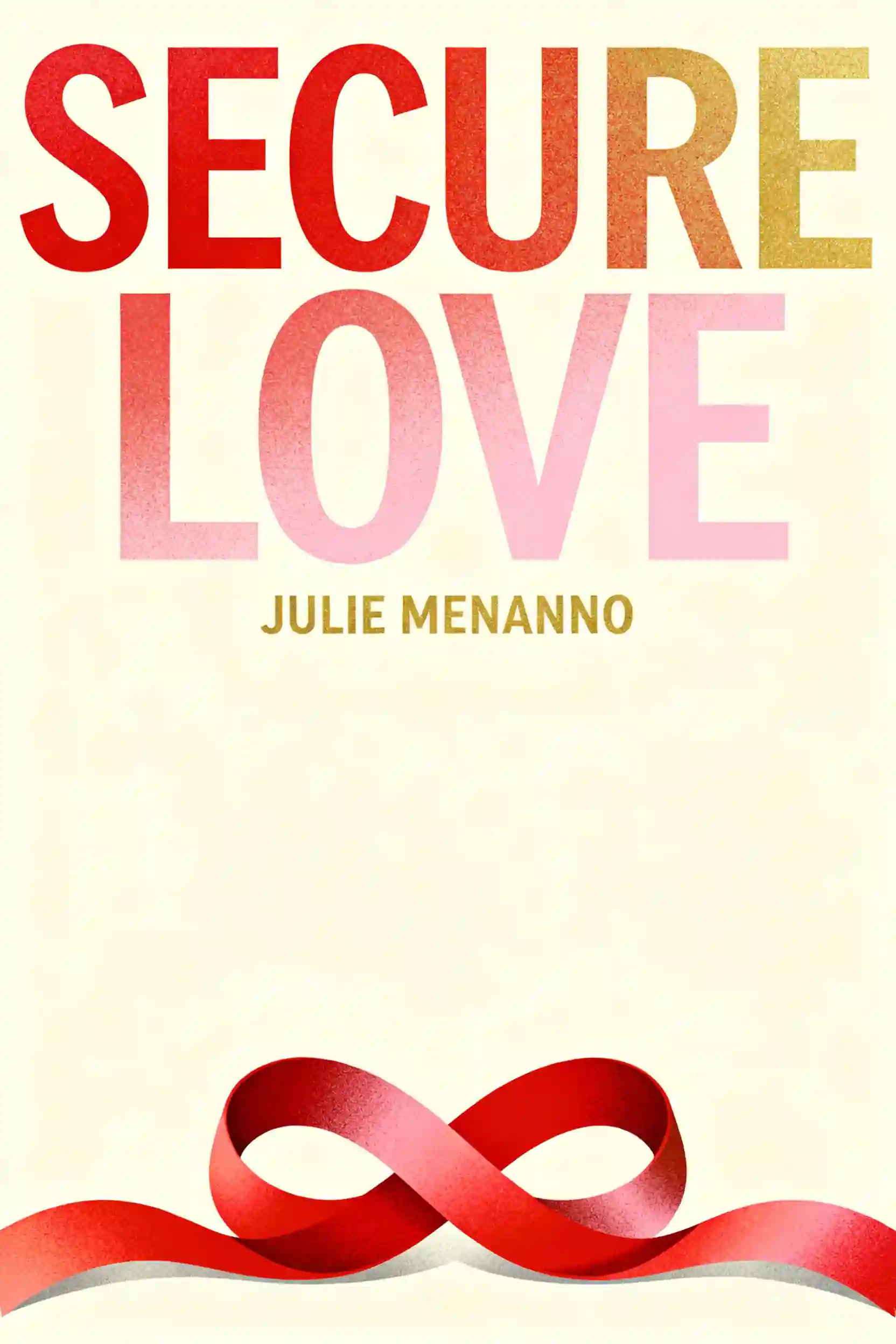
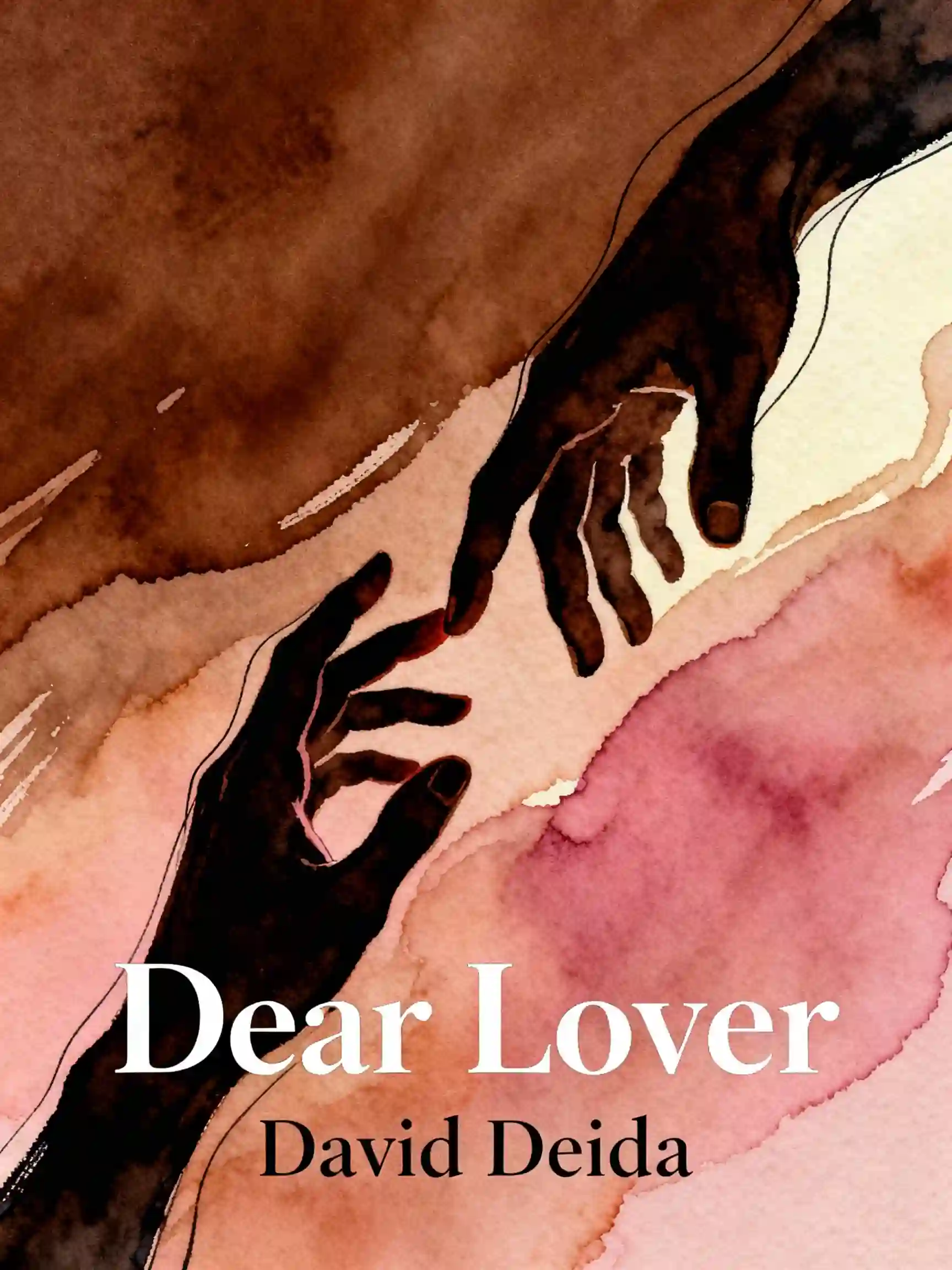
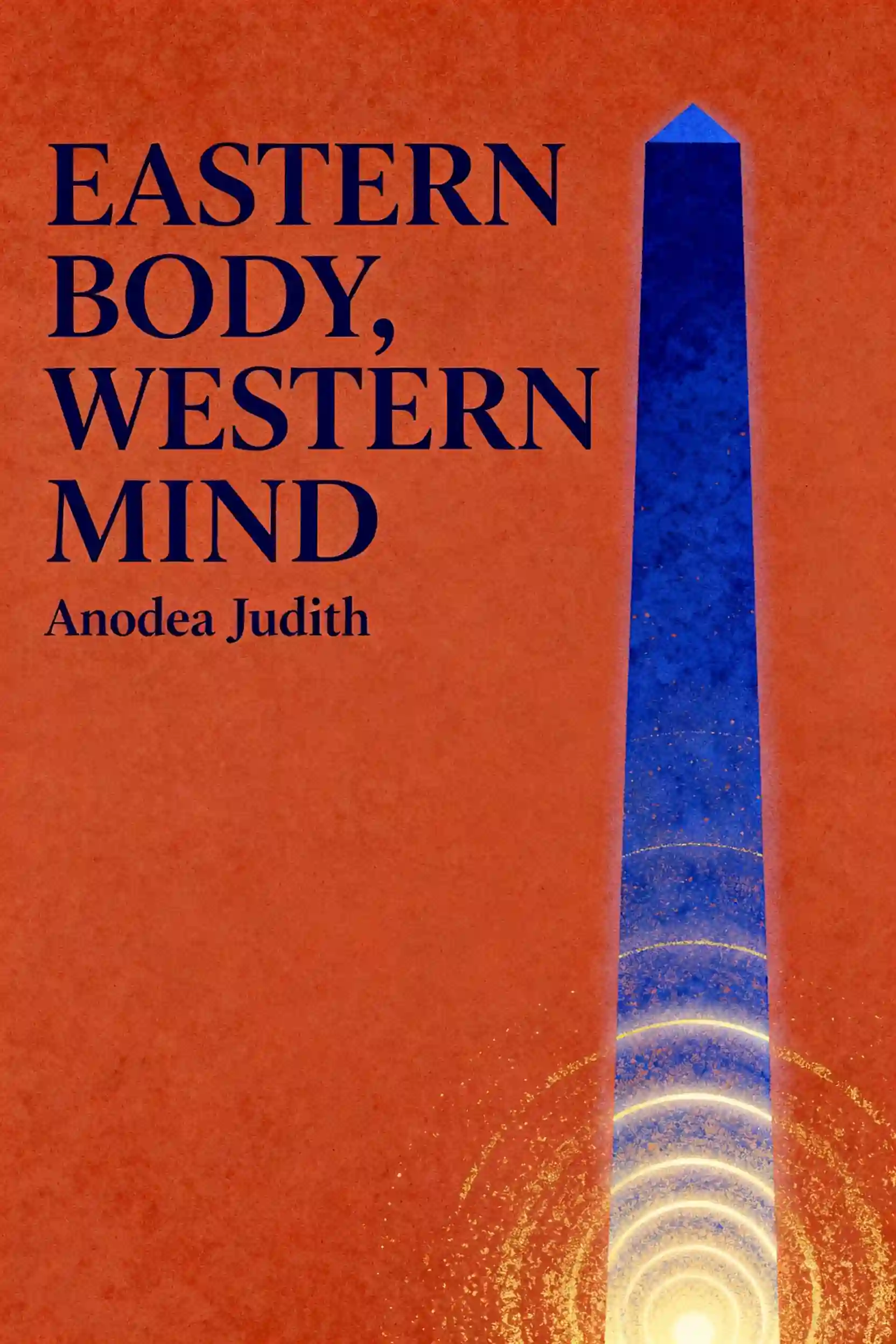
常见问题
This reaction is often a result of your neurobiology rather than a character flaw. When you experience inconsistency or neglect early in life, your amygdala—the brain's alarm system—becomes hyper-activated and learns to associate closeness with a threat. Even if you consciously feel ready for a relationship, your nervous system may still be operating on an old "security system" designed for a dangerous environment, causing you to instinctively shut down or "bolt" when someone gets too close.
Earned security is the process of redrawing a shaky internal attachment blueprint during adulthood to create a stable sense of safety. It is achieved through "corrective emotional experiences," such as sharing a fear with a partner who responds with support rather than judgment. By consistently practicing self-soothing and staying present during difficult conversations, you can rewire your brain to move from an anxious or avoidant state toward a secure one, proving to yourself that you are worthy of love and that others can be reliable.
A Heart Wall often manifests as physical symptoms like tightness in the chest, shallow breathing, or feeling "numb" and "spaced out" during intimate moments. To dismantle it without overwhelming your nervous system, experts suggest a process called "titration," which involves releasing small, manageable doses of trapped emotions rather than trying to force the wall down all at once. Practices like the "Long Exhale Reset" (inhaling for four counts and exhaling for eight) and "Name it to Tame it" (labeling your emotions to reduce amygdala activity) can help signal to your body that it is safe to open up.
Breaking this common relational pattern requires both partners to stop seeing each other as the enemy and instead view the cycle itself as the problem. Couples can use "soft startups" by beginning conversations with "I feel" statements and positive needs rather than accusations. It is also helpful to establish "rituals of connection," such as ten-minute daily check-ins or warm physical touch, which build trust over time. For the avoidant partner, the key is learning to communicate a need for space while promising to return, which helps soothe the anxious partner's fear of abandonment.
由哥伦比亚大学校友在旧金山创建
"Instead of endless scrolling, I just hit play on BeFreed. It saves me so much time."


"I never knew where to start with nonfiction—BeFreed’s book lists turned into podcasts gave me a clear path."


"Perfect balance between learning and entertainment. Finished ‘Thinking, Fast and Slow’ on my commute this week."
"Crazy how much I learned while walking the dog. BeFreed = small habits → big gains."
"Reading used to feel like a chore. Now it’s just part of my lifestyle."

"Feels effortless compared to reading. I’ve finished 6 books this month already."
"BeFreed turned my guilty doomscrolling into something that feels productive and inspiring."

"BeFreed turned my commute into learning time. 20-min podcasts are perfect for finishing books I never had time for."
"BeFreed replaced my podcast queue. Imagine Spotify for books — that’s it. 🙌"

"It is great for me to learn something from the book without reading it."
"The themed book list podcasts help me connect ideas across authors—like a guided audio journey."
"Makes me feel smarter every time before going to work"
 Ask ChatGPT
 Ask Claude
由哥伦比亚大学校友在旧金山创建
"Instead of endless scrolling, I just hit play on BeFreed. It saves me so much time."
"I never knew where to start with nonfiction—BeFreed’s book lists turned into podcasts gave me a clear path."
"Perfect balance between learning and entertainment. Finished ‘Thinking, Fast and Slow’ on my commute this week."
"Crazy how much I learned while walking the dog. BeFreed = small habits → big gains."
"Reading used to feel like a chore. Now it’s just part of my lifestyle."
"Feels effortless compared to reading. I’ve finished 6 books this month already."
"BeFreed turned my guilty doomscrolling into something that feels productive and inspiring."
"BeFreed turned my commute into learning time. 20-min podcasts are perfect for finishing books I never had time for."
"BeFreed replaced my podcast queue. Imagine Spotify for books — that’s it. 🙌"
"It is great for me to learn something from the book without reading it."
"The themed book list podcasts help me connect ideas across authors—like a guided audio journey."
"Makes me feel smarter every time before going to work"
"Instead of endless scrolling, I just hit play on BeFreed. It saves me so much time."
"I never knew where to start with nonfiction—BeFreed’s book lists turned into podcasts gave me a clear path."
"Perfect balance between learning and entertainment. Finished ‘Thinking, Fast and Slow’ on my commute this week."
"Crazy how much I learned while walking the dog. BeFreed = small habits → big gains."
"Reading used to feel like a chore. Now it’s just part of my lifestyle."
"Feels effortless compared to reading. I’ve finished 6 books this month already."
"BeFreed turned my guilty doomscrolling into something that feels productive and inspiring."
"BeFreed turned my commute into learning time. 20-min podcasts are perfect for finishing books I never had time for."
"BeFreed replaced my podcast queue. Imagine Spotify for books — that’s it. 🙌"
"It is great for me to learn something from the book without reading it."
"The themed book list podcasts help me connect ideas across authors—like a guided audio journey."
"Makes me feel smarter every time before going to work"
"Instead of endless scrolling, I just hit play on BeFreed. It saves me so much time."
"I never knew where to start with nonfiction—BeFreed’s book lists turned into podcasts gave me a clear path."
"Perfect balance between learning and entertainment. Finished ‘Thinking, Fast and Slow’ on my commute this week."
"Crazy how much I learned while walking the dog. BeFreed = small habits → big gains."
"Reading used to feel like a chore. Now it’s just part of my lifestyle."
"Feels effortless compared to reading. I’ve finished 6 books this month already."
"BeFreed turned my guilty doomscrolling into something that feels productive and inspiring."
"BeFreed turned my commute into learning time. 20-min podcasts are perfect for finishing books I never had time for."
"BeFreed replaced my podcast queue. Imagine Spotify for books — that’s it. 🙌"
"It is great for me to learn something from the book without reading it."
"The themed book list podcasts help me connect ideas across authors—like a guided audio journey."
"Makes me feel smarter every time before going to work"