Breaking Down Your Unconscious Emotional Walls
Explore why your protective barriers might be perceived as dismissiveness and learn practical strategies to signal openness and receptivity to others' opinions.

Breaking Down Your Unconscious Emotional Walls最佳语录
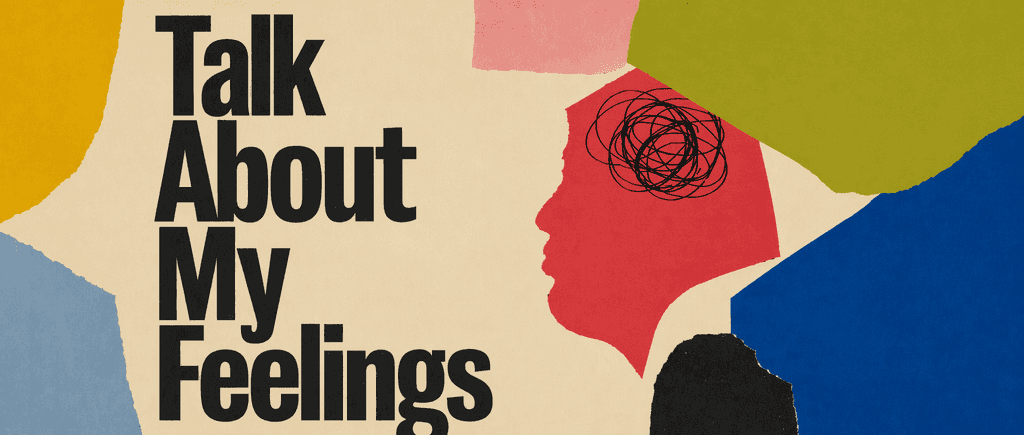
The very mechanisms we use to feel safe are often the ones that create barriers to intimacy; it’s like wearing a suit of armor to a pool party—you’re protected from getting hurt, but you’re also definitely going to sink.
Generated by Freedee_C80FE9AB
Closing the door for others opinion phycologically ppl seem to see me as I close the door

常见问题
This often stems from a gap between internal intentions and external perception. Many individuals use emotional walls, such as being private or maintaining strict professional boundaries, as a protective mechanism against past hurts or a fear of being misunderstood. While the person inside the "fortress" may want visitors, their defensive behaviors—like giving vague answers or avoiding social gatherings—are often interpreted by others as being aloof, uninterested, or untrusting rather than simply being shy or introverted.
Dismissive statements are verbal "grenades" like "Whatever," "That doesn't really matter," or "You're overreacting" that instantly shut down communication. Research indicates that over 65 percent of people have experienced this treatment from someone they care about. These responses act as a form of emotional invalidation, making the other person feel unimportant and causing them to doubt the validity of their own natural reactions. Repeated dismissiveness destroys trust, stops rapport, and can lead to a toxic cycle of withdrawal and conflict.
Body language often sends a louder signal than words, sometimes creating a "defensive crouch" that signals hostility even if the person is just cold or concentrating. Common "closed" cues include crossed arms and legs, leaning away, and "eye blocking" (covering eyes or fluttering eyelids). Even "blind mirroring," where you unconsciously copy someone else's crossed arms, can amplify a defensive loop. Conversely, "open" body language—such as uncrossed limbs, an exposed torso, and palms-up gestures—signals comfort, confidence, and a readiness to engage.
Intellectual humility is the nonthreatening awareness of one’s own intellectual fallibility, or the understanding that your own beliefs could be wrong. It is difficult to practice because of "Identity Triggers," where a challenge to an idea feels like a personal attack on one's ego. Many people fall into "confirmatory thought," where they only listen to others to prove their own point. True humility requires separating your ego from your intellect and adopting a "growth mindset" that views new information as an opportunity rather than a threat.
Opening the door begins with small, mindful shifts in both language and physicality. Practically, this includes uncrossing limbs, facing people directly with your torso, and using "ego-management tools" like adding the word "yet" to things you don't know. Building the "Empathy Circuit" through reading fiction or hearing others' emotional narratives can also help melt in-group/out-group biases. Finally, "closing the loop" by asking for specific feedback and demonstrating that you have acted on it shows others that you are coachable and value their perspective.
由哥伦比亚大学校友在旧金山创建
"Instead of endless scrolling, I just hit play on BeFreed. It saves me so much time."


"I never knew where to start with nonfiction—BeFreed’s book lists turned into podcasts gave me a clear path."


"Perfect balance between learning and entertainment. Finished ‘Thinking, Fast and Slow’ on my commute this week."
"Crazy how much I learned while walking the dog. BeFreed = small habits → big gains."
"Reading used to feel like a chore. Now it’s just part of my lifestyle."

"Feels effortless compared to reading. I’ve finished 6 books this month already."
"BeFreed turned my guilty doomscrolling into something that feels productive and inspiring."

"BeFreed turned my commute into learning time. 20-min podcasts are perfect for finishing books I never had time for."
"BeFreed replaced my podcast queue. Imagine Spotify for books — that’s it. 🙌"

"It is great for me to learn something from the book without reading it."
"The themed book list podcasts help me connect ideas across authors—like a guided audio journey."
"Makes me feel smarter every time before going to work"
 Ask ChatGPT
 Ask Claude
由哥伦比亚大学校友在旧金山创建
"Instead of endless scrolling, I just hit play on BeFreed. It saves me so much time."
"I never knew where to start with nonfiction—BeFreed’s book lists turned into podcasts gave me a clear path."
"Perfect balance between learning and entertainment. Finished ‘Thinking, Fast and Slow’ on my commute this week."
"Crazy how much I learned while walking the dog. BeFreed = small habits → big gains."
"Reading used to feel like a chore. Now it’s just part of my lifestyle."
"Feels effortless compared to reading. I’ve finished 6 books this month already."
"BeFreed turned my guilty doomscrolling into something that feels productive and inspiring."
"BeFreed turned my commute into learning time. 20-min podcasts are perfect for finishing books I never had time for."
"BeFreed replaced my podcast queue. Imagine Spotify for books — that’s it. 🙌"
"It is great for me to learn something from the book without reading it."
"The themed book list podcasts help me connect ideas across authors—like a guided audio journey."
"Makes me feel smarter every time before going to work"
"Instead of endless scrolling, I just hit play on BeFreed. It saves me so much time."
"I never knew where to start with nonfiction—BeFreed’s book lists turned into podcasts gave me a clear path."
"Perfect balance between learning and entertainment. Finished ‘Thinking, Fast and Slow’ on my commute this week."
"Crazy how much I learned while walking the dog. BeFreed = small habits → big gains."
"Reading used to feel like a chore. Now it’s just part of my lifestyle."
"Feels effortless compared to reading. I’ve finished 6 books this month already."
"BeFreed turned my guilty doomscrolling into something that feels productive and inspiring."
"BeFreed turned my commute into learning time. 20-min podcasts are perfect for finishing books I never had time for."
"BeFreed replaced my podcast queue. Imagine Spotify for books — that’s it. 🙌"
"It is great for me to learn something from the book without reading it."
"The themed book list podcasts help me connect ideas across authors—like a guided audio journey."
"Makes me feel smarter every time before going to work"
"Instead of endless scrolling, I just hit play on BeFreed. It saves me so much time."
"I never knew where to start with nonfiction—BeFreed’s book lists turned into podcasts gave me a clear path."
"Perfect balance between learning and entertainment. Finished ‘Thinking, Fast and Slow’ on my commute this week."
"Crazy how much I learned while walking the dog. BeFreed = small habits → big gains."
"Reading used to feel like a chore. Now it’s just part of my lifestyle."
"Feels effortless compared to reading. I’ve finished 6 books this month already."
"BeFreed turned my guilty doomscrolling into something that feels productive and inspiring."
"BeFreed turned my commute into learning time. 20-min podcasts are perfect for finishing books I never had time for."
"BeFreed replaced my podcast queue. Imagine Spotify for books — that’s it. 🙌"
"It is great for me to learn something from the book without reading it."
"The themed book list podcasts help me connect ideas across authors—like a guided audio journey."
"Makes me feel smarter every time before going to work"