Meditation is a skill you can train
If your mind won't stop racing, you aren't doing it wrong. Learn how to use the metacognitive loop to manage stress and build mental resilience.

Meditation is a skill you can train最佳语录
The goal of meditation isn't a silent mind; it's the 'metacognitive loop'—that moment where you notice your mind wandered and gently bring it back.
Generated by Shuang
meditation

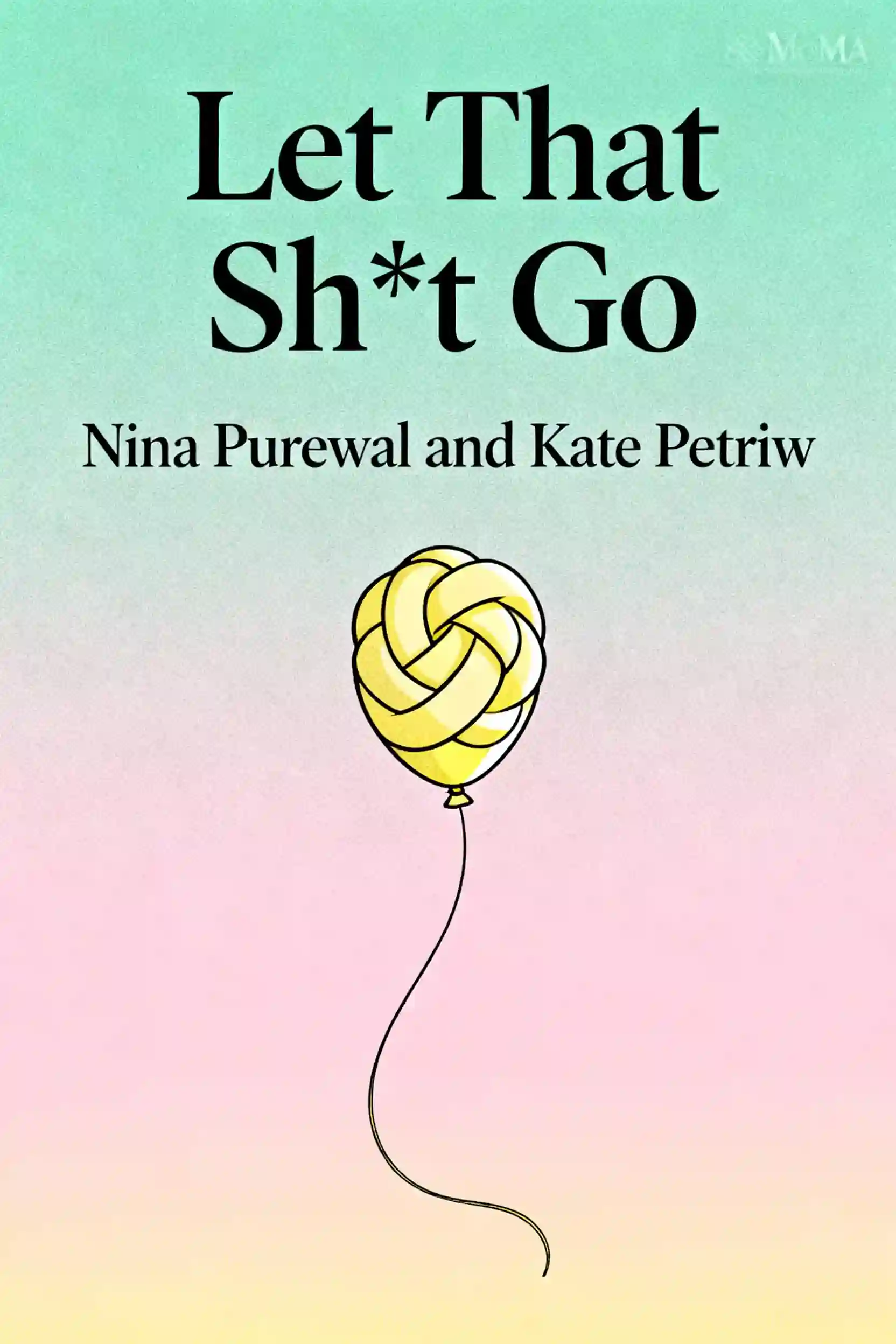
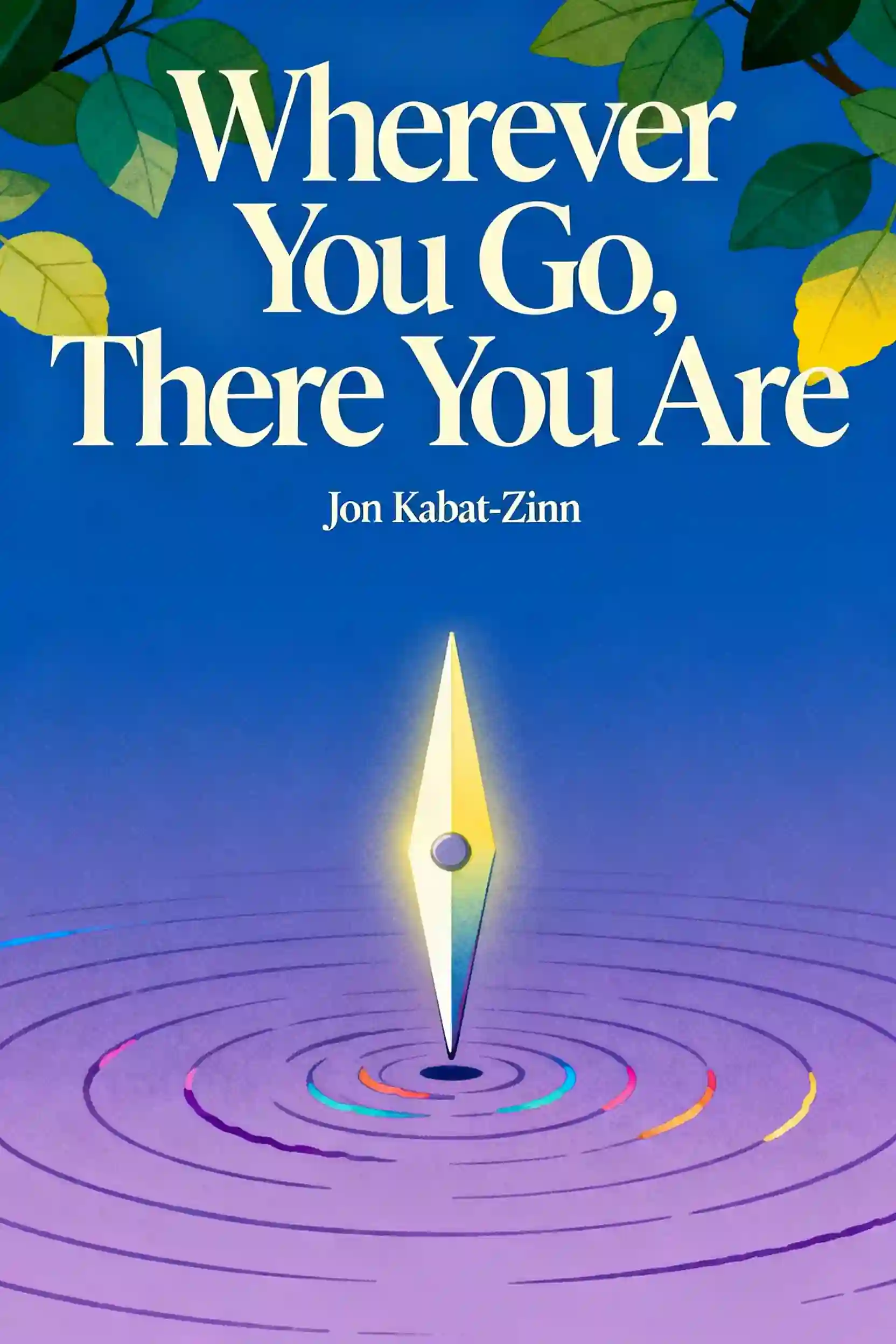
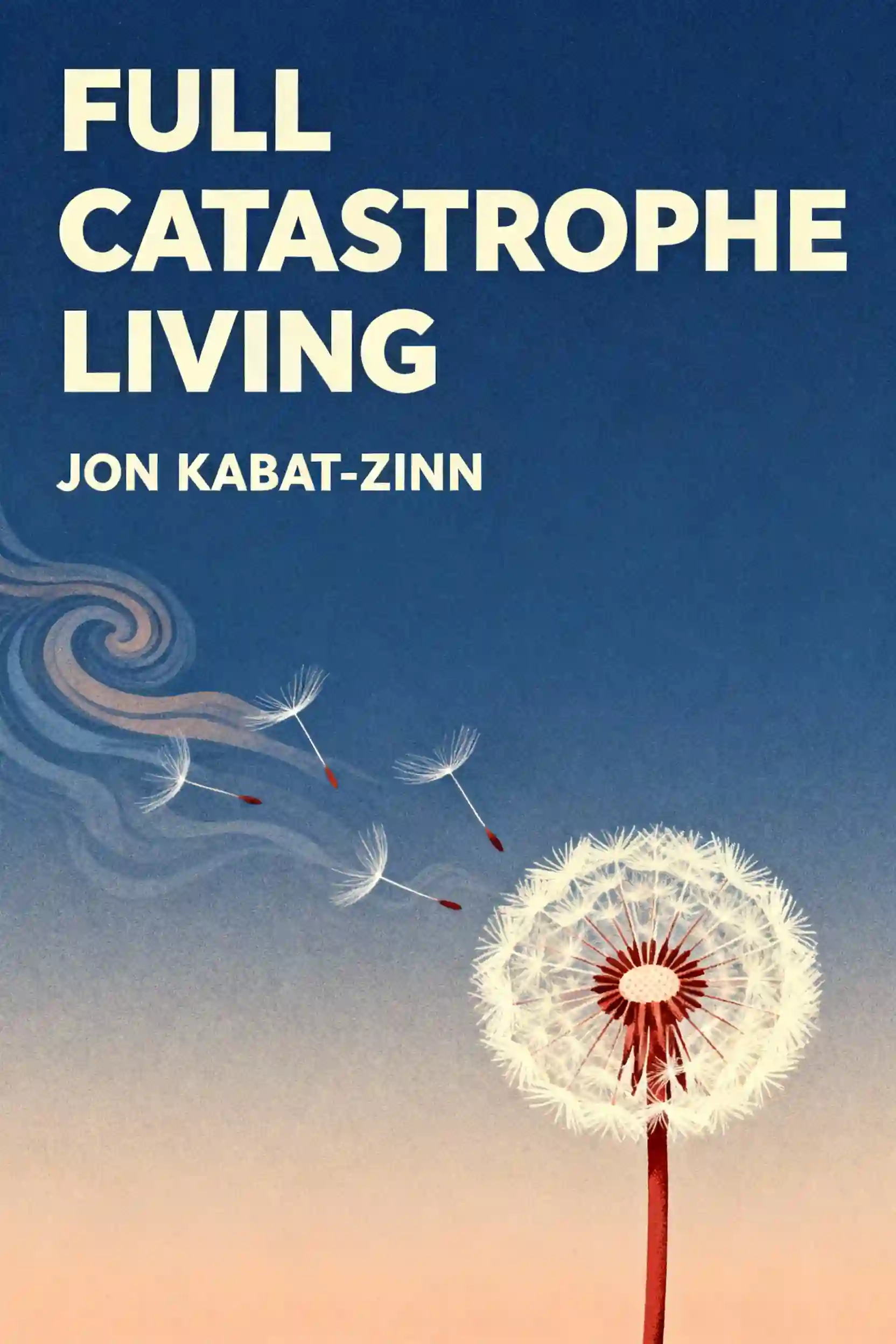
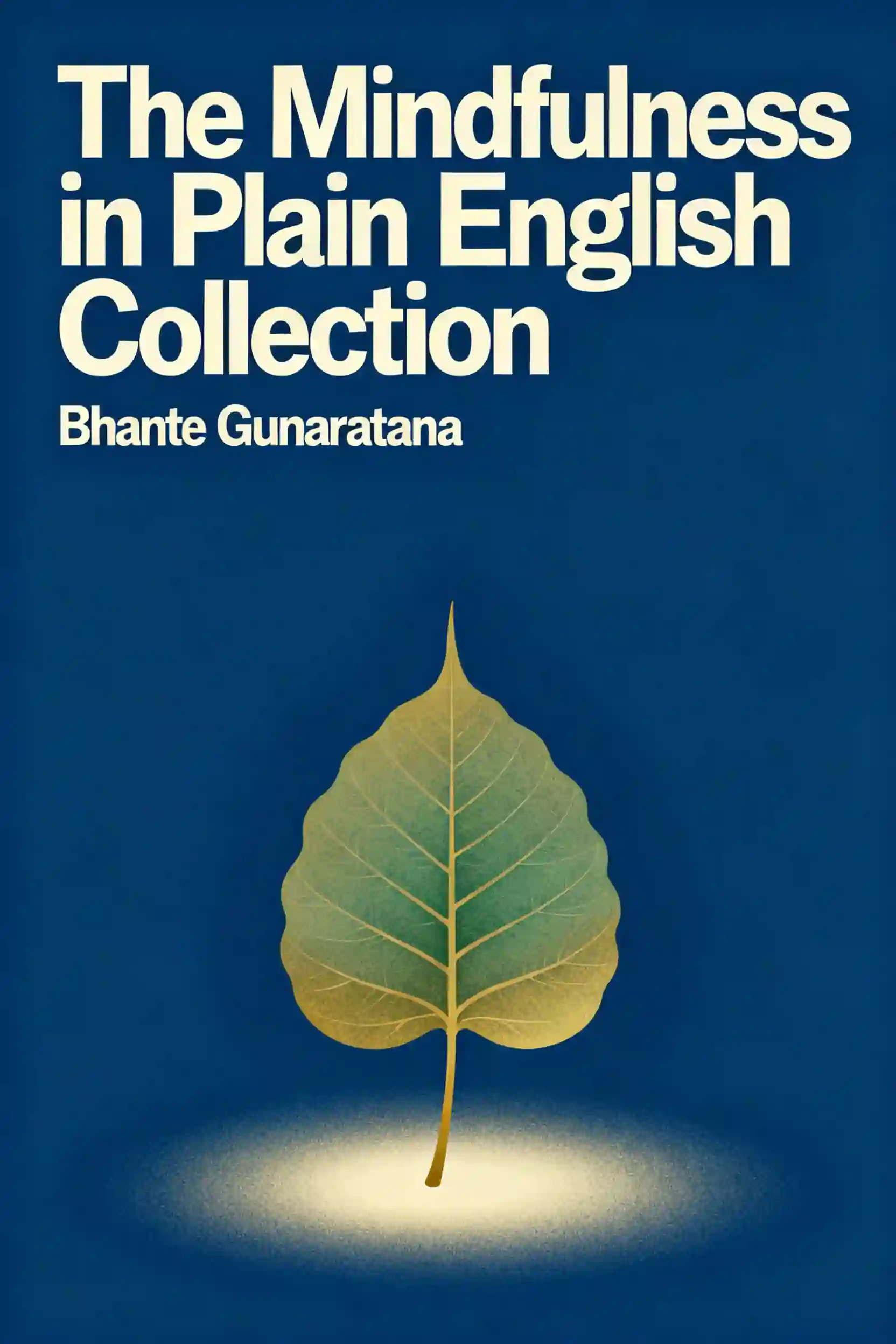
常见问题
The metacognitive loop is the process of noticing when your mind has wandered and gently bringing your focus back to your anchor, such as your breath. According to the script, the goal of meditation isn't to maintain a perfectly silent mind, but rather to practice this loop. This act functions like a "bicep curl" for the brain, strengthening the connection between the focusing and distracted parts of the mind and building overall cognitive flexibility.
Research indicates that chronic stress can lead to physical changes in the brain's structure, specifically by shrinking the prefrontal cortex (responsible for calming us down) and the hippocampus (responsible for memory and learning). Simultaneously, stress can make the amygdala—the brain's alarm system—larger and more reactive. Mindfulness practices can help reverse these trends by increasing gray matter density in the hippocampus and reducing the size and reactivity of the amygdala.
Yes, digital platforms can be highly effective and, in some cases, show larger "effect sizes" than in-person classes due to increased accessibility and consistency. While in-person groups offer a social component and shared experience, apps allow for "micro-dosing" mindfulness throughout the week. The script suggests that the best form of meditation is the one a person actually adheres to, and having a "teacher in your pocket" makes it easier to maintain a daily habit.
Using a variety of techniques, such as "box breathing," "bee breath," or "alternate nostril breathing," helps keep novices engaged and reduces the boredom that can lead people to quit. Different techniques also target different physiological needs; for example, "bee breath" stimulates the vagus nerve to promote calming, while "skull shining breath" is a high-frequency technique used to increase alertness and focus.
The script notes that about 33% to 50% of people may report adverse experiences, such as heightened alertness or difficulty sleeping, especially if they practice right before bed. This happens because certain focused-attention breathing techniques can stimulate the brainstem's arousal system. To manage this, listeners are encouraged to be "their own scientists" and adjust the timing of their practice, perhaps moving sessions to the morning if they feel too "wired" at night.
"Instead of endless scrolling, I just hit play on BeFreed. It saves me so much time."


"I never knew where to start with nonfiction—BeFreed’s book lists turned into podcasts gave me a clear path."


"Perfect balance between learning and entertainment. Finished ‘Thinking, Fast and Slow’ on my commute this week."
"Crazy how much I learned while walking the dog. BeFreed = small habits → big gains."
"Reading used to feel like a chore. Now it’s just part of my lifestyle."

"Feels effortless compared to reading. I’ve finished 6 books this month already."
"BeFreed turned my guilty doomscrolling into something that feels productive and inspiring."

"BeFreed turned my commute into learning time. 20-min podcasts are perfect for finishing books I never had time for."
"BeFreed replaced my podcast queue. Imagine Spotify for books — that’s it. 🙌"

"It is great for me to learn something from the book without reading it."
"The themed book list podcasts help me connect ideas across authors—like a guided audio journey."
"Makes me feel smarter every time before going to work"
"Instead of endless scrolling, I just hit play on BeFreed. It saves me so much time."
"I never knew where to start with nonfiction—BeFreed’s book lists turned into podcasts gave me a clear path."
"Perfect balance between learning and entertainment. Finished ‘Thinking, Fast and Slow’ on my commute this week."
"Crazy how much I learned while walking the dog. BeFreed = small habits → big gains."
"Reading used to feel like a chore. Now it’s just part of my lifestyle."
"Feels effortless compared to reading. I’ve finished 6 books this month already."
"BeFreed turned my guilty doomscrolling into something that feels productive and inspiring."
"BeFreed turned my commute into learning time. 20-min podcasts are perfect for finishing books I never had time for."
"BeFreed replaced my podcast queue. Imagine Spotify for books — that’s it. 🙌"
"It is great for me to learn something from the book without reading it."
"The themed book list podcasts help me connect ideas across authors—like a guided audio journey."
"Makes me feel smarter every time before going to work"
"Instead of endless scrolling, I just hit play on BeFreed. It saves me so much time."
"I never knew where to start with nonfiction—BeFreed’s book lists turned into podcasts gave me a clear path."
"Perfect balance between learning and entertainment. Finished ‘Thinking, Fast and Slow’ on my commute this week."
"Crazy how much I learned while walking the dog. BeFreed = small habits → big gains."
"Reading used to feel like a chore. Now it’s just part of my lifestyle."
"Feels effortless compared to reading. I’ve finished 6 books this month already."
"BeFreed turned my guilty doomscrolling into something that feels productive and inspiring."
"BeFreed turned my commute into learning time. 20-min podcasts are perfect for finishing books I never had time for."
"BeFreed replaced my podcast queue. Imagine Spotify for books — that’s it. 🙌"
"It is great for me to learn something from the book without reading it."
"The themed book list podcasts help me connect ideas across authors—like a guided audio journey."
"Makes me feel smarter every time before going to work"
"Instead of endless scrolling, I just hit play on BeFreed. It saves me so much time."
"I never knew where to start with nonfiction—BeFreed’s book lists turned into podcasts gave me a clear path."
"Perfect balance between learning and entertainment. Finished ‘Thinking, Fast and Slow’ on my commute this week."
"Crazy how much I learned while walking the dog. BeFreed = small habits → big gains."
"Reading used to feel like a chore. Now it’s just part of my lifestyle."
"Feels effortless compared to reading. I’ve finished 6 books this month already."
"BeFreed turned my guilty doomscrolling into something that feels productive and inspiring."
"BeFreed turned my commute into learning time. 20-min podcasts are perfect for finishing books I never had time for."
"BeFreed replaced my podcast queue. Imagine Spotify for books — that’s it. 🙌"
"It is great for me to learn something from the book without reading it."
"The themed book list podcasts help me connect ideas across authors—like a guided audio journey."
"Makes me feel smarter every time before going to work"