Section 1: The Invisible Trap of the Overused Edge
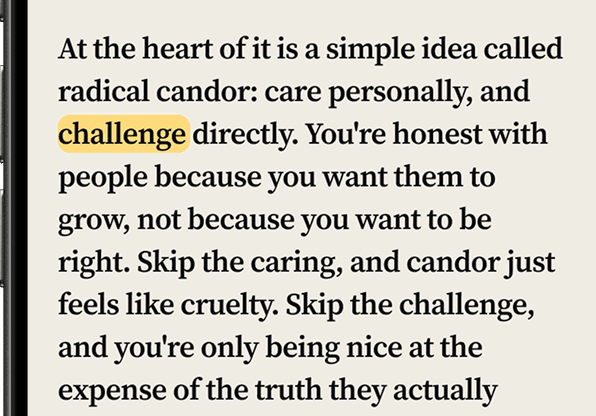
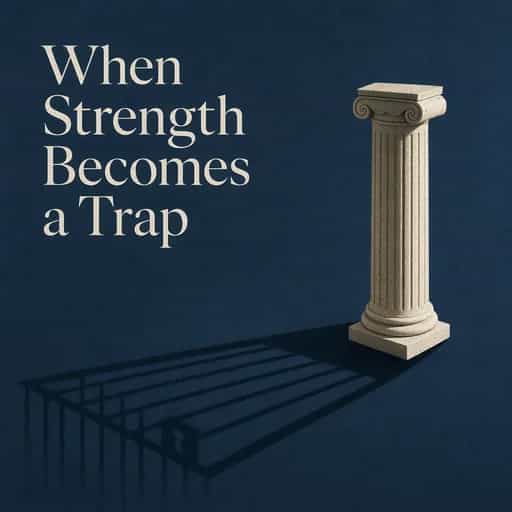
Joel: You know, Chase, I was thinking about the traditional image of a failing leader—you usually imagine someone incompetent, maybe someone a bit cruel, or just totally out of their depth. But I just came across this idea that the most dangerous thing in your leadership toolkit isn't your weakness, it’s actually your greatest strength.
Chase: That’s a bold starting line, Joel, and honestly, I’m not sure I’m ready to buy it. If I’m a great decisive leader, how is that a liability? That’s what got me the job. You’re essentially saying that being good at something is the "toxic trait" no one talks about. It feels like we’re penalizing excellence just for the sake of a clever paradox .
Joel: It’s not about penalizing excellence, but about the unexamined use of it. Think about Sarah, this Director of Operations who was a legendary problem-solver. Every time a system crashed or a client complained, she swooped in and fixed it. She was the hero. But six months into her leadership role, her team of twelve bright professionals just... stopped thinking. They became totally dependent on her because she was too good at her job .
Chase: But is that Sarah’s fault or the team’s? If I’m a specialist and I’m hired to lead, my expertise is my value. If the team "stops thinking," maybe they weren't the right hire to begin with. I worry that by labeling these strengths as "toxic," we’re encouraging leaders to be mediocre or to hide their best skills just to make others feel better.
Joel: It’s not about hiding the skill; it’s about noticing when that skill becomes a bottleneck. When your "decisiveness" turns into "control," or your "reliability" turns into "over-functioning," you aren't leading anymore—you’re just restricting the system around you . Research from the Center for Creative Leadership says that seventy-five percent of executives derail not because they lack competence, but because they overuse their core strengths .
Chase: Seventy-five percent? That is a staggering number if the methodology holds up. But I still struggle with the word "toxic." It implies malice. These leaders usually have the best intentions—they want the project to succeed, they want the quality to be high. They’re acting out of a sense of responsibility, not ego .
Joel: And that’s exactly why it’s so hard to spot. From the inside, you feel like you’re being responsible and helpful. From the outside, you’re becoming a restrictive force that prevents anyone else from growing. It’s a "strength trap" where your greatest asset becomes your team’s biggest liability . We need to look at how these traits—the ones that earned you trust and momentum—begin to distort the environment as you move up.