Leadership and the Trap of Firefighting
When leaders only react to crises, team growth stalls. Learn how to use agile principles and servant leadership to build a culture of ownership.

Leadership and the Trap of Firefighting最佳语录
True courage in leadership is less about individual heroics and more about building 'guardrails' so the rest of the team feels safe enough to actually move.
Generated by Stef
Leadership insights

常见问题
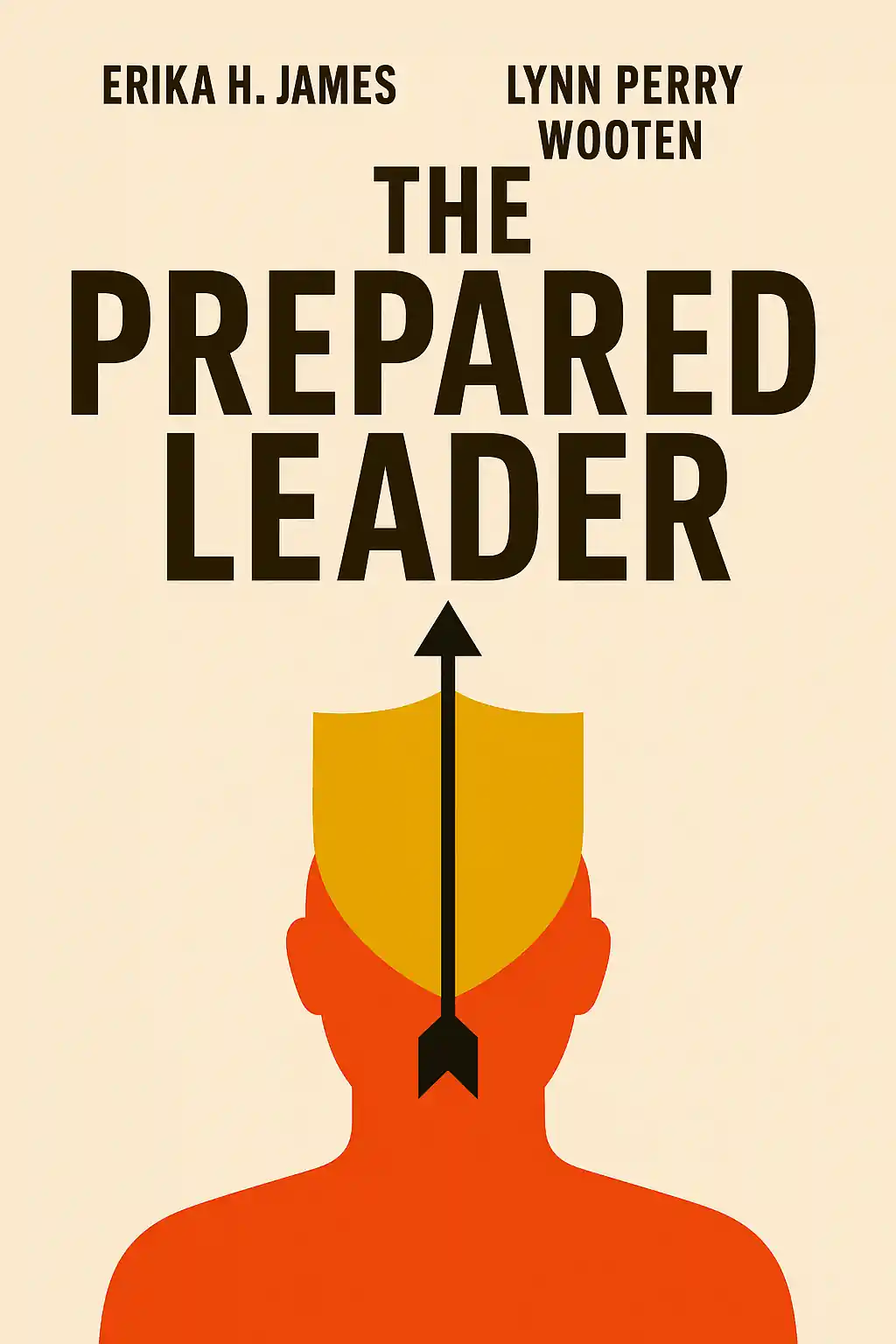
Based on research by J. Richard Hackman, team performance is predicted by six specific conditions rather than vague "chemistry." The first three are essentials: a real team with clear boundaries, a compelling direction or purpose, and an enabling structure with the right skills and norms. The final three are enabling conditions: a supportive organizational context, access to expert coaching, and adequate resources. Addressing these structural foundations accounts for about 80% of the difference between average and elite teams.
Most leadership development fails because it is treated as a one-time event, leading to an "offsite hangover" where inspiration fades once the leader returns to a heavy workload. Research shows that intentions only explain about 28% of behavior change. To bridge this "knowing-doing gap," the script suggests "spaced development," which involves small, weekly touchpoints over six to twelve months to fight the forgetting curve and turn intentions into lasting habits.
Flow is a peak performance state that follows a specific four-stage cycle: struggle, release, flow, and recovery. Many leaders make the mistake of keeping their teams in a constant state of struggle by pushing from one deadline to the next without allowing for the recovery phase. Because flow is metabolically expensive and drains mental batteries, leaders must practice "load management" by protecting white space on calendars and allowing for mental detachment to avoid energy debt and burnout.
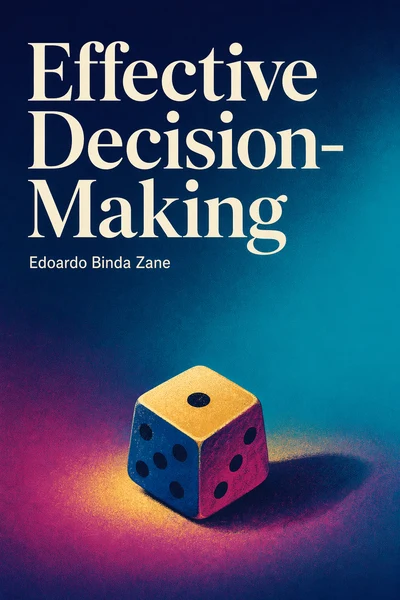
Failure fluency is the ability of an organization to treat mistakes as data and learning opportunities rather than sources of shame. High-performing teams often report more errors because they have the psychological safety to discuss them openly, which allows the organization to fix underlying systemic issues. By rewarding "intelligent failure" and conducting post-action reviews, leaders can overcome decision paralysis and foster a culture of grounded optimism.
According to Gallup research cited in the script, a staggering 70% of the variance in team engagement is determined by the manager. This suggests that a person's daily interaction with their immediate supervisor is more impactful than company perks, office environment, or high-level corporate strategy. Consequently, the most effective way to improve team performance is to focus on the development and emotional intelligence of the individual leader.
由哥伦比亚大学校友创建 源自旧金山
BeFreed 汇聚全球求知若渴的学习者


"Instead of endless scrolling, I just hit play on BeFreed. It saves me so much time."


"I never knew where to start with nonfiction—BeFreed’s book lists turned into podcasts gave me a clear path."


"Perfect balance between learning and entertainment. Finished ‘Thinking, Fast and Slow’ on my commute this week."
"Crazy how much I learned while walking the dog. BeFreed = small habits → big gains."
"Reading used to feel like a chore. Now it’s just part of my lifestyle."

"Feels effortless compared to reading. I’ve finished 6 books this month already."
"BeFreed turned my guilty doomscrolling into something that feels productive and inspiring."

"BeFreed turned my commute into learning time. 20-min podcasts are perfect for finishing books I never had time for."
"BeFreed replaced my podcast queue. Imagine Spotify for books — that’s it. 🙌"

"It is great for me to learn something from the book without reading it."
"The themed book list podcasts help me connect ideas across authors—like a guided audio journey."
"Makes me feel smarter every time before going to work"
由哥伦比亚大学校友创建 源自旧金山
BeFreed 汇聚全球求知若渴的学习者
"Instead of endless scrolling, I just hit play on BeFreed. It saves me so much time."
"I never knew where to start with nonfiction—BeFreed’s book lists turned into podcasts gave me a clear path."
"Perfect balance between learning and entertainment. Finished ‘Thinking, Fast and Slow’ on my commute this week."
"Crazy how much I learned while walking the dog. BeFreed = small habits → big gains."
"Reading used to feel like a chore. Now it’s just part of my lifestyle."
"Feels effortless compared to reading. I’ve finished 6 books this month already."
"BeFreed turned my guilty doomscrolling into something that feels productive and inspiring."
"BeFreed turned my commute into learning time. 20-min podcasts are perfect for finishing books I never had time for."
"BeFreed replaced my podcast queue. Imagine Spotify for books — that’s it. 🙌"
"It is great for me to learn something from the book without reading it."
"The themed book list podcasts help me connect ideas across authors—like a guided audio journey."
"Makes me feel smarter every time before going to work"
"Instead of endless scrolling, I just hit play on BeFreed. It saves me so much time."
"I never knew where to start with nonfiction—BeFreed’s book lists turned into podcasts gave me a clear path."
"Perfect balance between learning and entertainment. Finished ‘Thinking, Fast and Slow’ on my commute this week."
"Crazy how much I learned while walking the dog. BeFreed = small habits → big gains."
"Reading used to feel like a chore. Now it’s just part of my lifestyle."
"Feels effortless compared to reading. I’ve finished 6 books this month already."
"BeFreed turned my guilty doomscrolling into something that feels productive and inspiring."
"BeFreed turned my commute into learning time. 20-min podcasts are perfect for finishing books I never had time for."
"BeFreed replaced my podcast queue. Imagine Spotify for books — that’s it. 🙌"
"It is great for me to learn something from the book without reading it."
"The themed book list podcasts help me connect ideas across authors—like a guided audio journey."
"Makes me feel smarter every time before going to work"
"Instead of endless scrolling, I just hit play on BeFreed. It saves me so much time."
"I never knew where to start with nonfiction—BeFreed’s book lists turned into podcasts gave me a clear path."
"Perfect balance between learning and entertainment. Finished ‘Thinking, Fast and Slow’ on my commute this week."
"Crazy how much I learned while walking the dog. BeFreed = small habits → big gains."
"Reading used to feel like a chore. Now it’s just part of my lifestyle."
"Feels effortless compared to reading. I’ve finished 6 books this month already."
"BeFreed turned my guilty doomscrolling into something that feels productive and inspiring."
"BeFreed turned my commute into learning time. 20-min podcasts are perfect for finishing books I never had time for."
"BeFreed replaced my podcast queue. Imagine Spotify for books — that’s it. 🙌"
"It is great for me to learn something from the book without reading it."
"The themed book list podcasts help me connect ideas across authors—like a guided audio journey."
"Makes me feel smarter every time before going to work"