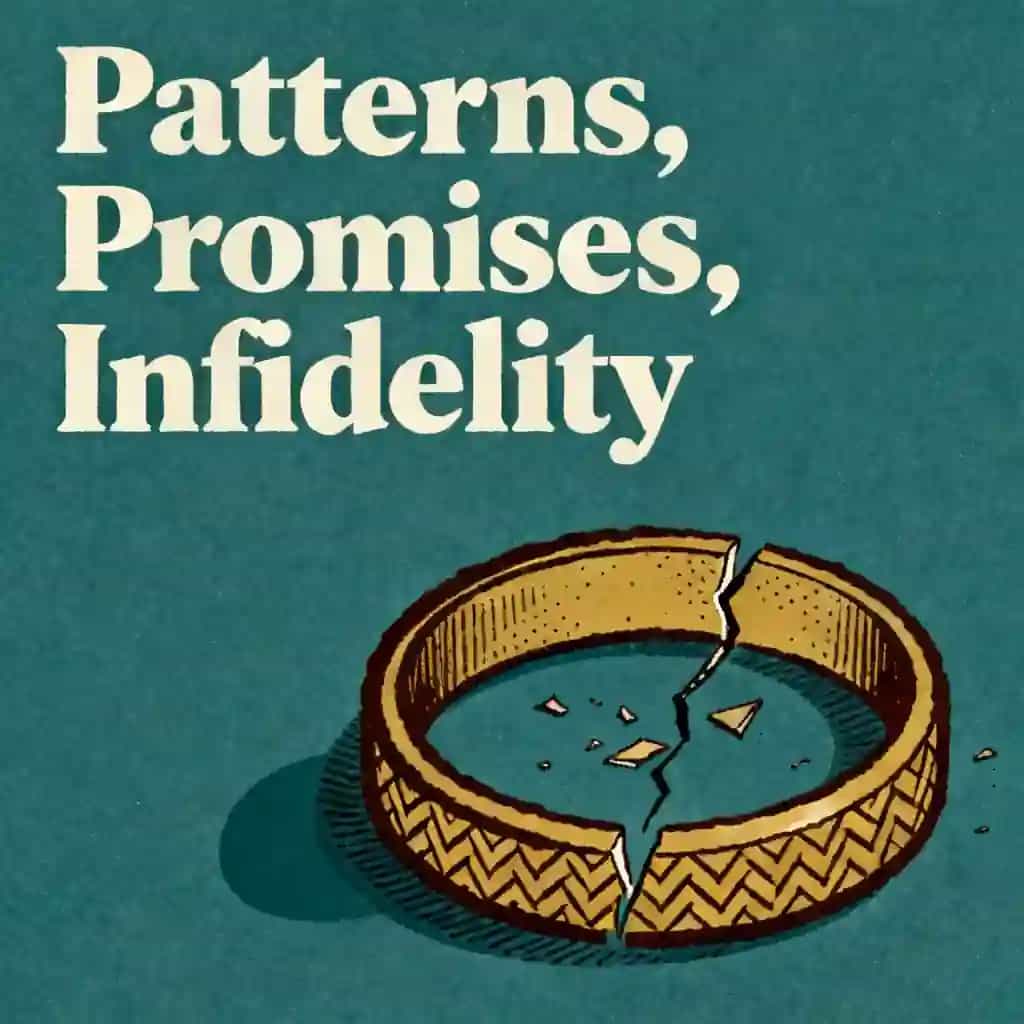
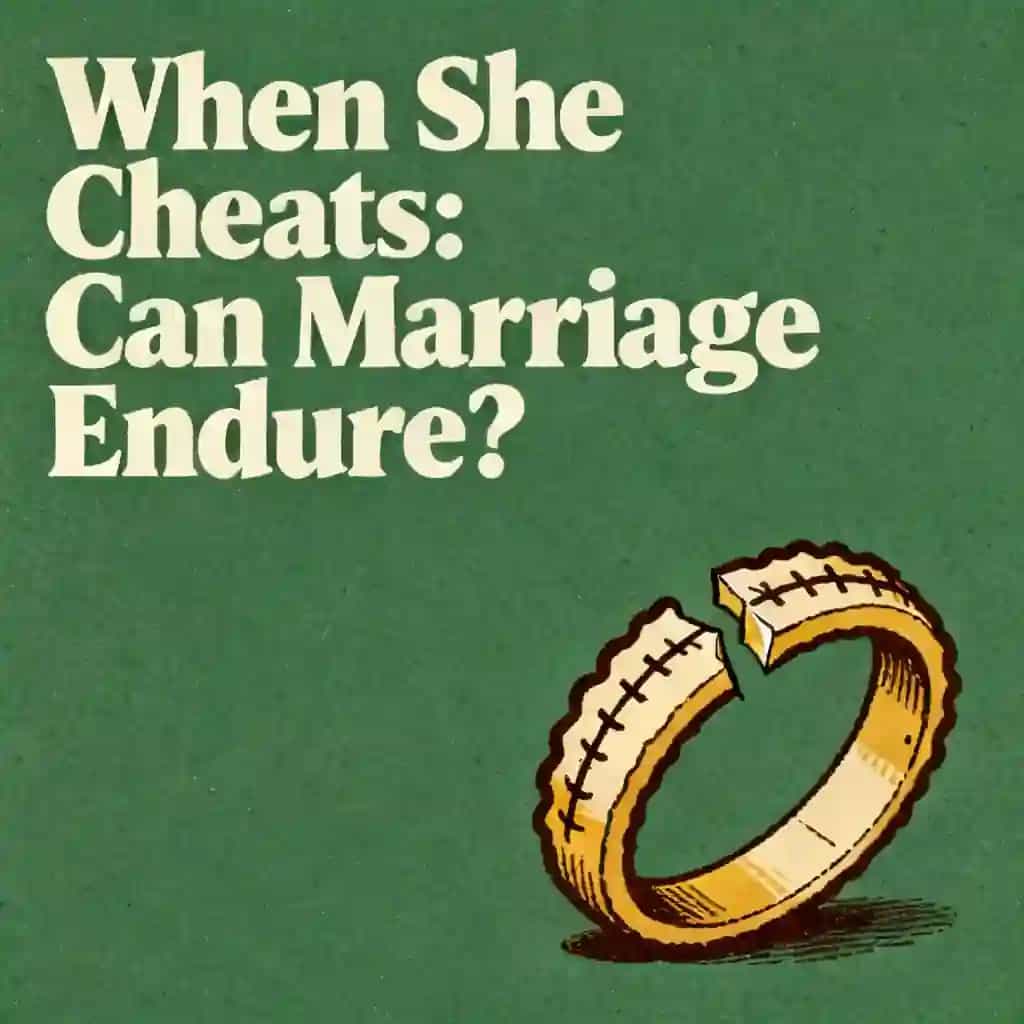
Is 'Once a Cheater, Always a Cheater' Actually True?
We look at the data behind repeat infidelity to see if people can really change. Learn how to spot serial patterns and when a relationship is worth saving.

Is 'Once a Cheater, Always a Cheater' Actually True?最佳语录
Fidelity is a choice made every single day, not a one-time promise made years ago. Until someone understands what 'problem' the cheating is trying to solve—whether it is a fear of intimacy or a desperate need for validation—the pattern stays on loop.

此音频课程由 BeFreed 社区成员创建
Once a chea always a cheat, how true is that

常见问题
While the phrase is a common cliché, research provides a more nuanced perspective. Data shows that individuals who have cheated in a previous relationship are three times more likely to repeat the behavior than those who haven't. However, this is not a guaranteed destiny, as approximately 55% of people with a history of infidelity do not cheat in their subsequent relationships. Whether someone repeats the pattern often depends on their underlying motivations and their willingness to address the root causes of their behavior.
Serial cheating is often driven by a combination of neurochemistry and personality traits. Some individuals become addicted to the "dopamine rush" of a new relationship and seek out affairs once the initial excitement fades. Additionally, traits from the "Dark Triad"—narcissism, Machiavellianism, and psychopathy—can lead to a sense of entitlement and a lack of empathy for the partner's pain. Attachment styles also play a role; for instance, those with avoidant attachment may cheat to create emotional distance, while those with anxious attachment may cheat to soothe feelings of loneliness or neglect.
Beyond the typical clichés of working late, serial cheaters often exhibit specific behavioral patterns like "selective transparency," where they provide excessive detail about mundane events to mask vagueness regarding significant activities. Other warning signs include "boundary testing," where they gradually push the limits of relationship rules, and "pattern deflection," which involves blaming ex-partners or circumstances for past infidelities rather than taking personal responsibility. They may also be high-risk takers in other areas of life, such as gambling or reckless financial decisions.
Situational infidelity is typically a one-time mistake triggered by specific external factors like high stress or intoxication, and it is usually followed by profound guilt and a genuine desire to repair the relationship. In contrast, serial cheating is a recurring cycle where the offender is often only sorry they were caught. Serial cheaters tend to wait less than six months between affairs and may go through a temporary "guilt cycle" without making any fundamental changes to their character or coping mechanisms.
Real change requires "radical honesty" and taking 100% responsibility for the choice to cheat without offering excuses. The offender must be willing to provide full transparency, including access to digital devices, and understand that rebuilding trust is a marathon that takes an average of two years. Lasting change usually requires professional therapy to address underlying issues like childhood trauma or low self-esteem. If the person becomes impatient with their partner's healing process or resorts to gaslighting, it is a sign they are not truly committed to the work required for recovery.
发现更多

Why people become obsessed with with someone
This course is essential for anyone struggling with repetitive, intense relationship cycles or those seeking to understand the biological roots of infatuation. It provides a roadmap for individuals looking to transition from anxious, obsessive attachments to secure and emotionally stable connections.
Rebuild Trust After Betrayal
Betrayal can shatter even the strongest relationships, leaving lasting emotional wounds that seem impossible to heal. This learning plan provides practical strategies for those committed to rebuilding trust and transforming their relationships after experiencing betrayal, whether in romantic partnerships, friendships, or family connections.

Keep attraction alive in my 12-year marriage
Long-term relationships naturally experience fluctuations in attraction and connection over time. This learning plan offers evidence-based strategies for couples seeking to revitalize their marriage, particularly beneficial for those in committed relationships of 10+ years who want to intentionally cultivate lasting desire and intimacy.
Improve trust: Discuss husband's past history
This plan is designed for couples struggling with the weight of past secrets or history that hinders their current connection. It provides a structured, science-based approach to navigating high-stakes conversations and transforming betrayal into a foundation for a more resilient marriage.

Break addiction cycles after 5 lost years
This plan is designed for individuals seeking to reclaim their lives after long-term struggle, moving beyond willpower to science-based recovery. It provides a holistic roadmap for those ready to address the neurological, emotional, and social roots of addiction to build a lasting new identity.

Break the Cycle of Unavailable Love
This plan is essential for anyone who feels stuck in a loop of chasing emotionally distant partners and mistaking instability for passion. It provides a roadmap for healing childhood wounds and shifting from anxious attachment toward secure, fulfilling relationships.

Reclaim Your Life After Heartbreak
Breakups can leave your nervous system in a state of shock and your mind trapped in endless loops. This plan is designed for anyone struggling to move past a split, offering a structured path from immediate emotional stabilization to long-term identity reconstruction.

Navigate being the other man unknowingly
This learning plan is designed for individuals who have discovered they were unknowingly involved with a committed partner and need to process the resulting deception. It provides a structured path for healing from betrayal while equipping learners with the tools to set healthy boundaries for the future.
"Instead of endless scrolling, I just hit play on BeFreed. It saves me so much time."


"I never knew where to start with nonfiction—BeFreed’s book lists turned into podcasts gave me a clear path."


"Perfect balance between learning and entertainment. Finished ‘Thinking, Fast and Slow’ on my commute this week."
"Crazy how much I learned while walking the dog. BeFreed = small habits → big gains."
"Reading used to feel like a chore. Now it’s just part of my lifestyle."

"Feels effortless compared to reading. I’ve finished 6 books this month already."
"BeFreed turned my guilty doomscrolling into something that feels productive and inspiring."

"BeFreed turned my commute into learning time. 20-min podcasts are perfect for finishing books I never had time for."
"BeFreed replaced my podcast queue. Imagine Spotify for books — that’s it. 🙌"

"It is great for me to learn something from the book without reading it."
"The themed book list podcasts help me connect ideas across authors—like a guided audio journey."
"Makes me feel smarter every time before going to work"
"Instead of endless scrolling, I just hit play on BeFreed. It saves me so much time."
"I never knew where to start with nonfiction—BeFreed’s book lists turned into podcasts gave me a clear path."
"Perfect balance between learning and entertainment. Finished ‘Thinking, Fast and Slow’ on my commute this week."
"Crazy how much I learned while walking the dog. BeFreed = small habits → big gains."
"Reading used to feel like a chore. Now it’s just part of my lifestyle."
"Feels effortless compared to reading. I’ve finished 6 books this month already."
"BeFreed turned my guilty doomscrolling into something that feels productive and inspiring."
"BeFreed turned my commute into learning time. 20-min podcasts are perfect for finishing books I never had time for."
"BeFreed replaced my podcast queue. Imagine Spotify for books — that’s it. 🙌"
"It is great for me to learn something from the book without reading it."
"The themed book list podcasts help me connect ideas across authors—like a guided audio journey."
"Makes me feel smarter every time before going to work"
"Instead of endless scrolling, I just hit play on BeFreed. It saves me so much time."
"I never knew where to start with nonfiction—BeFreed’s book lists turned into podcasts gave me a clear path."
"Perfect balance between learning and entertainment. Finished ‘Thinking, Fast and Slow’ on my commute this week."
"Crazy how much I learned while walking the dog. BeFreed = small habits → big gains."
"Reading used to feel like a chore. Now it’s just part of my lifestyle."
"Feels effortless compared to reading. I’ve finished 6 books this month already."
"BeFreed turned my guilty doomscrolling into something that feels productive and inspiring."
"BeFreed turned my commute into learning time. 20-min podcasts are perfect for finishing books I never had time for."
"BeFreed replaced my podcast queue. Imagine Spotify for books — that’s it. 🙌"
"It is great for me to learn something from the book without reading it."
"The themed book list podcasts help me connect ideas across authors—like a guided audio journey."
"Makes me feel smarter every time before going to work"
"Instead of endless scrolling, I just hit play on BeFreed. It saves me so much time."
"I never knew where to start with nonfiction—BeFreed’s book lists turned into podcasts gave me a clear path."
"Perfect balance between learning and entertainment. Finished ‘Thinking, Fast and Slow’ on my commute this week."
"Crazy how much I learned while walking the dog. BeFreed = small habits → big gains."
"Reading used to feel like a chore. Now it’s just part of my lifestyle."
"Feels effortless compared to reading. I’ve finished 6 books this month already."
"BeFreed turned my guilty doomscrolling into something that feels productive and inspiring."
"BeFreed turned my commute into learning time. 20-min podcasts are perfect for finishing books I never had time for."
"BeFreed replaced my podcast queue. Imagine Spotify for books — that’s it. 🙌"
"It is great for me to learn something from the book without reading it."
"The themed book list podcasts help me connect ideas across authors—like a guided audio journey."
"Makes me feel smarter every time before going to work"