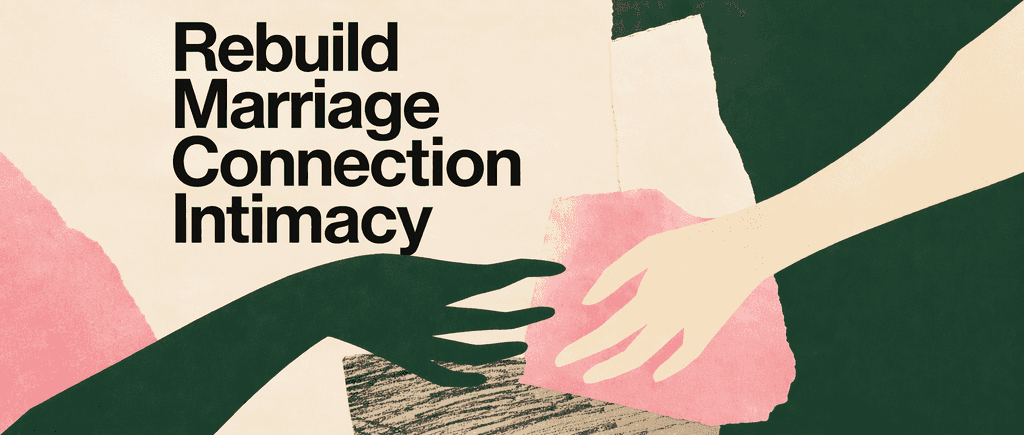
When a woman cheats: Can the marriage survive?
Moving past an affair requires more than just guilt. Learn why safety comes before trust and how to navigate the complex road to rebuilding intimacy.

When a woman cheats: Can the marriage survive?最佳语录
The old relationship—the one where that specific betrayal was even possible—is effectively gone, and reconciliation is about moving from that raw trauma into what experts call 'Marriage 2.0.'
Generated by Vishwanath
What goes through a women’s mind after she cheats and gets caught, if they reconcile the relationship, does it sustain

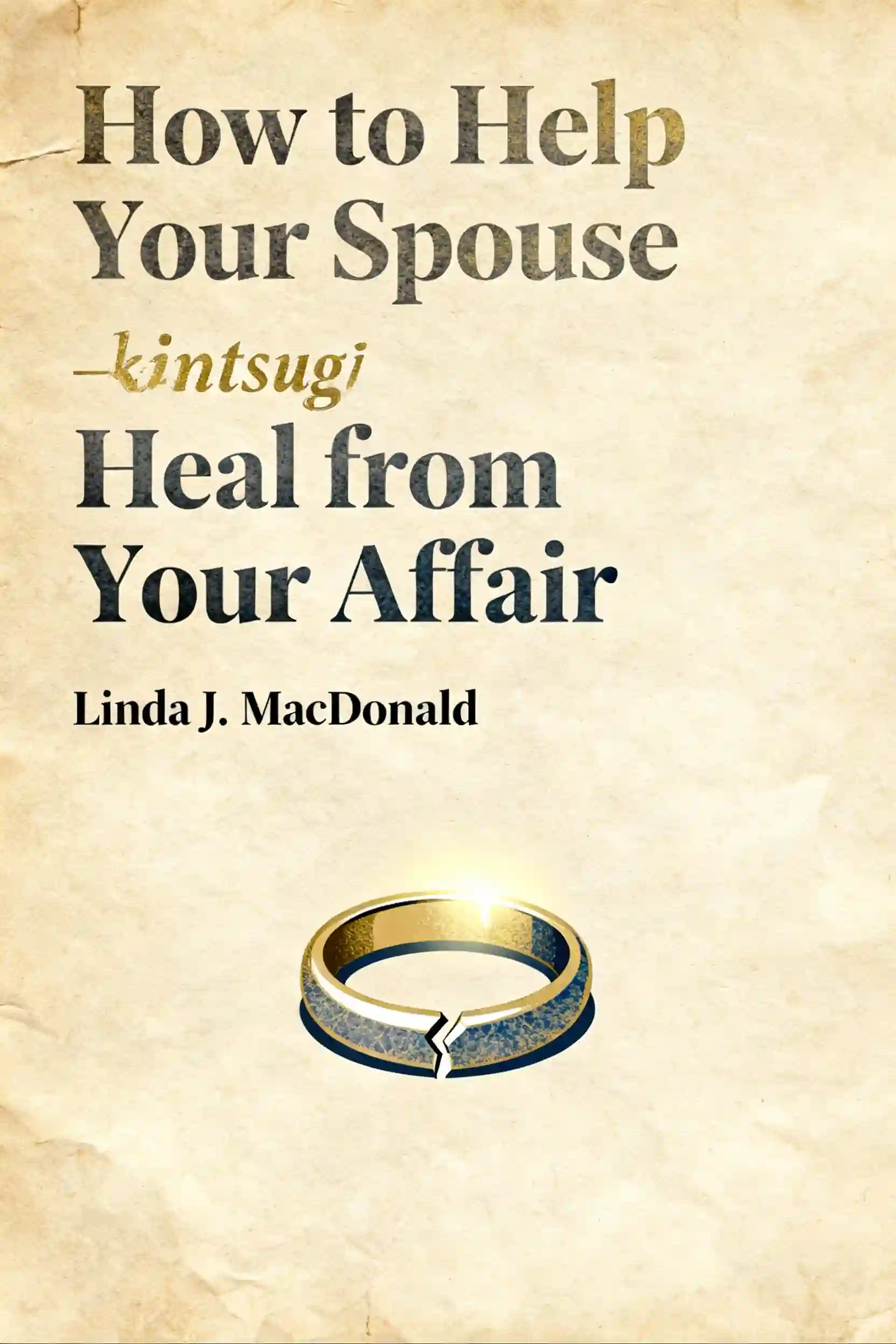
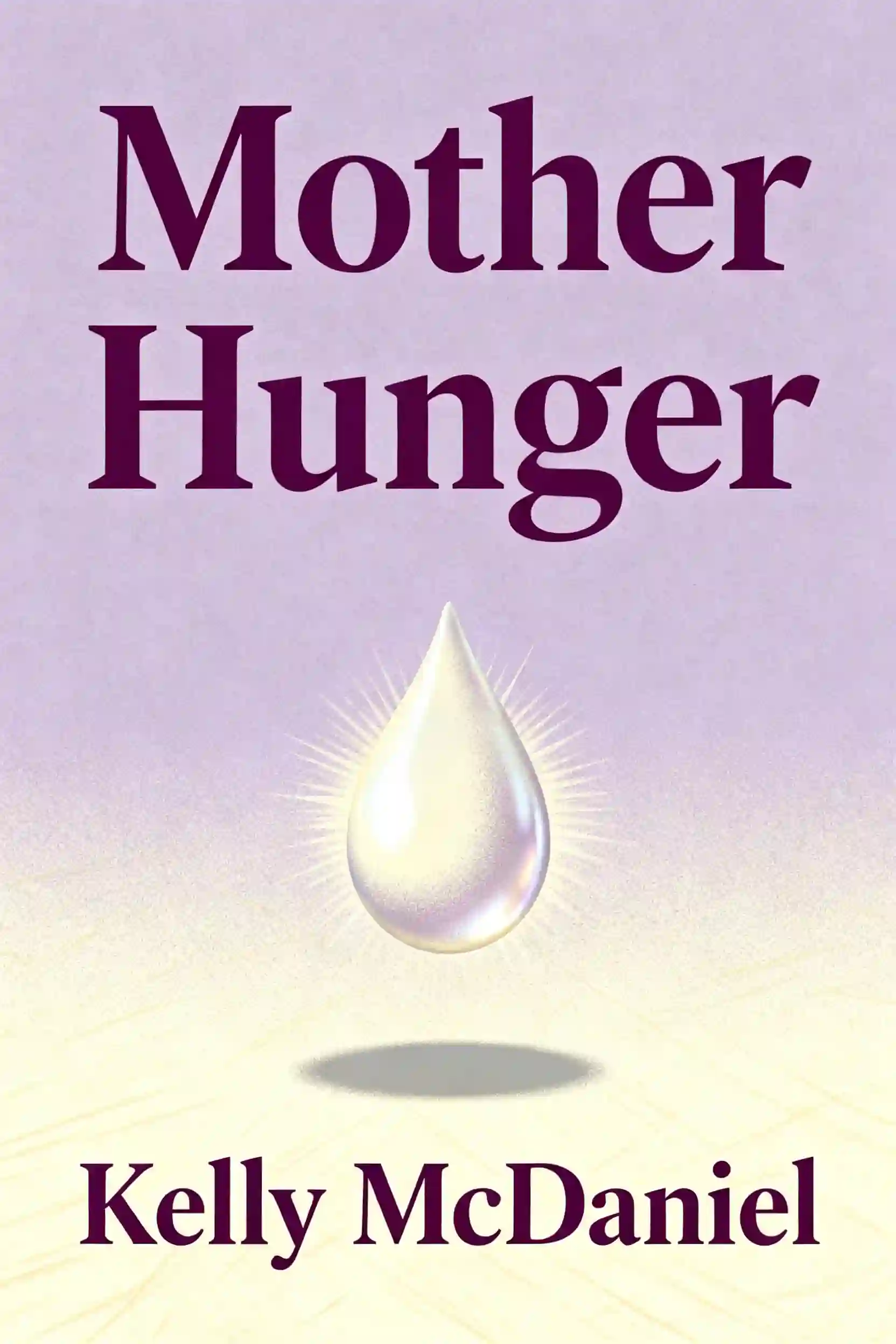
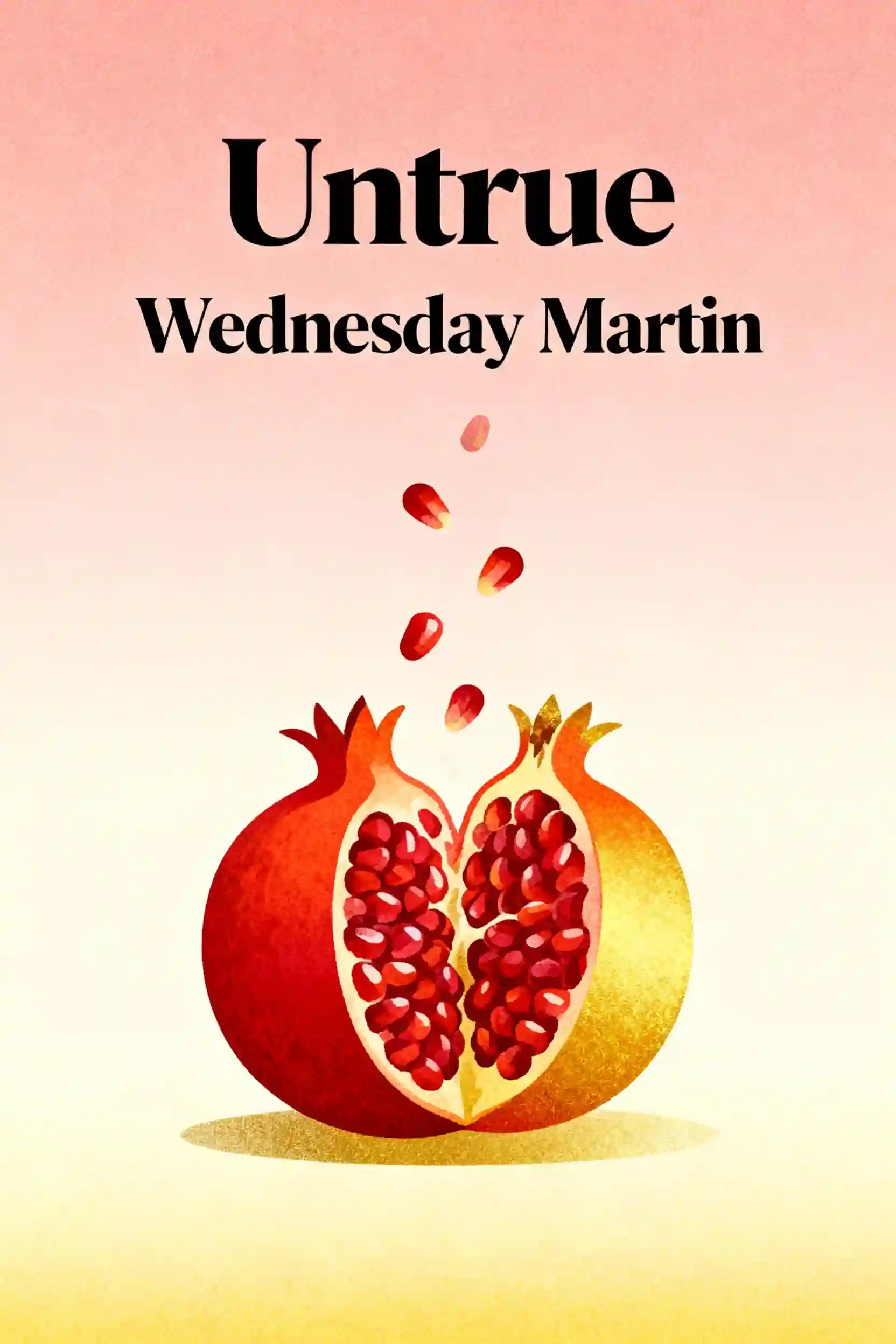
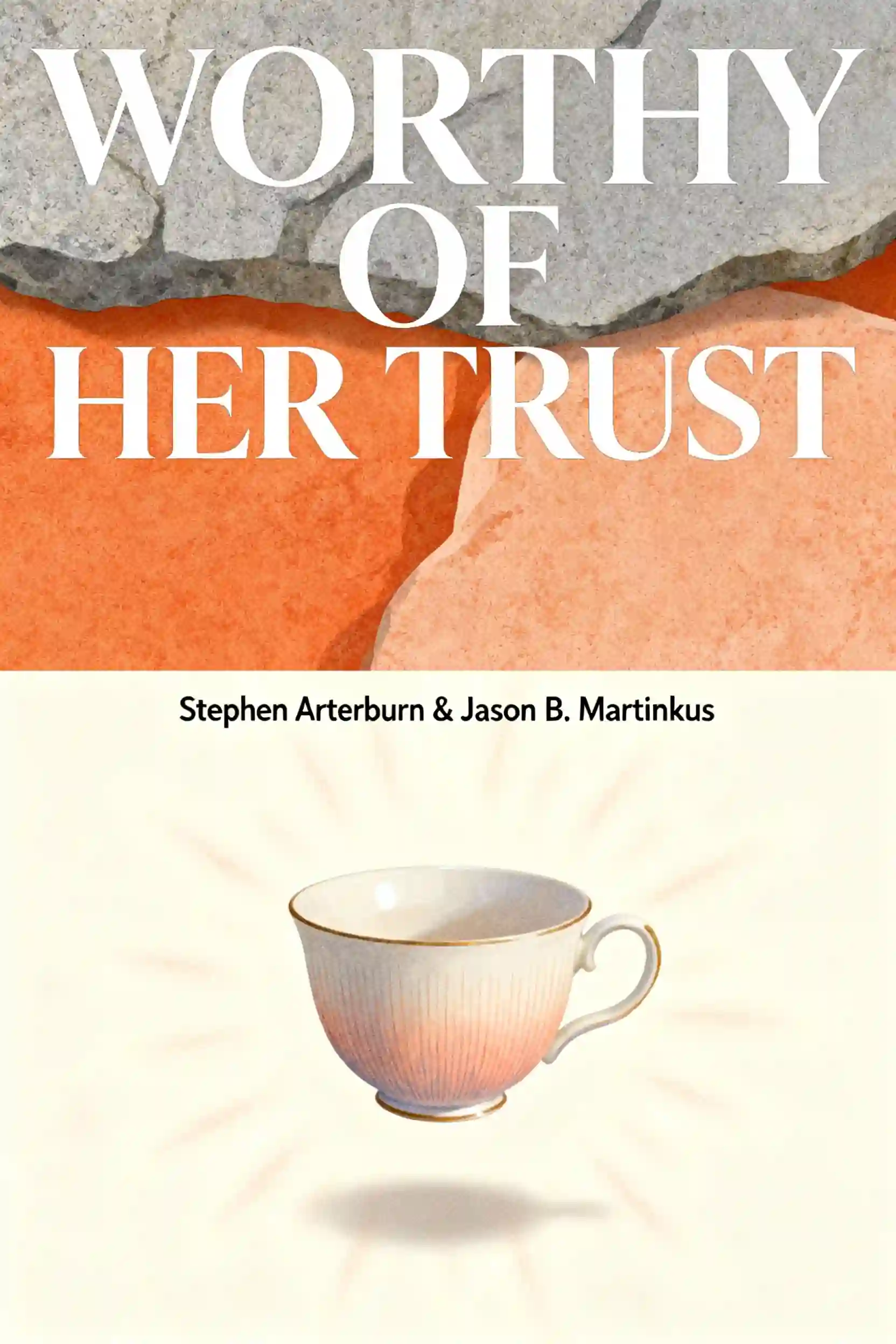

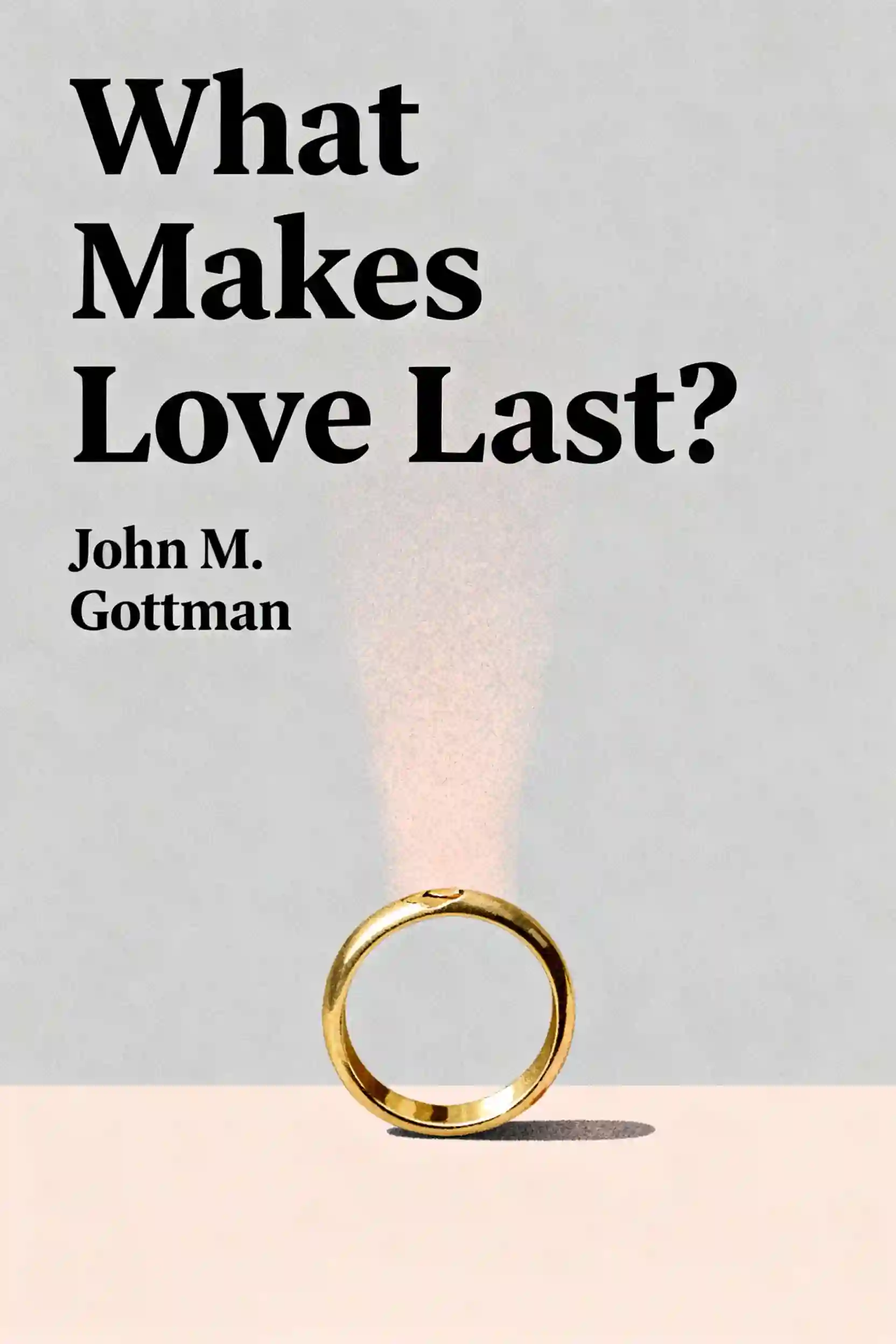
常见问题
Marriage 2.0 is a concept used by experts to acknowledge that the original relationship is effectively over once a betrayal occurs. Instead of trying to return to the "old normal" where the affair was possible, the couple works to build an entirely new foundation based on radical transparency and "accurate trust" rather than "blind trust." This new version of the marriage is often described as more "adult" and honest because it is built on the reality of having survived a crisis together rather than an illusion of perfection.
Trickle truth occurs when the person who strayed shares only small pieces of the story over time, often in an attempt to protect themselves or their partner from further pain. However, the script explains that this is actually a form of continued deception that "resets the trauma clock" every time a new detail emerges. For a relationship to stabilize, partial honesty must be replaced by radical transparency to create a "safety zone" where healing can actually begin.
The script reframes the recovery process by stating that trust is not the first building block; safety must come first. While trust is a complex emotional state that takes a long time to rebuild, safety is established through consistent, predictable, and measurable behaviors. This includes the unfaithful partner acting as a "safety officer" by providing transparency—such as leaving a phone face-up or checking in when late—to calm the betrayed partner's high-alert nervous system.
Affair fog refers to a dopamine-fueled, chemical pull toward the affair partner that can cloud a woman's judgment after the secret is revealed. During this phase, she may experience an identity crisis and use defense mechanisms like blame-shifting to avoid the crushing weight of guilt. To move toward true atonement, she must navigate the "Struggle Phase," where she separates the general context of the marriage's problems from her personal responsibility for the choice to betray.
Integration is the long-term phase where the affair becomes a part of the couple's history but is no longer the central focus of their identity. According to the script, it typically takes 12 to 24 months of sustained effort to reach a point of true stability. This stage is reached only after the woman has understood her internal "drivers" for the affair and both partners have committed to "evidence-based trust" and "nervous system repair" over a significant period of time.
"Instead of endless scrolling, I just hit play on BeFreed. It saves me so much time."


"I never knew where to start with nonfiction—BeFreed’s book lists turned into podcasts gave me a clear path."


"Perfect balance between learning and entertainment. Finished ‘Thinking, Fast and Slow’ on my commute this week."
"Crazy how much I learned while walking the dog. BeFreed = small habits → big gains."
"Reading used to feel like a chore. Now it’s just part of my lifestyle."

"Feels effortless compared to reading. I’ve finished 6 books this month already."
"BeFreed turned my guilty doomscrolling into something that feels productive and inspiring."

"BeFreed turned my commute into learning time. 20-min podcasts are perfect for finishing books I never had time for."
"BeFreed replaced my podcast queue. Imagine Spotify for books — that’s it. 🙌"

"It is great for me to learn something from the book without reading it."
"The themed book list podcasts help me connect ideas across authors—like a guided audio journey."
"Makes me feel smarter every time before going to work"
"Instead of endless scrolling, I just hit play on BeFreed. It saves me so much time."
"I never knew where to start with nonfiction—BeFreed’s book lists turned into podcasts gave me a clear path."
"Perfect balance between learning and entertainment. Finished ‘Thinking, Fast and Slow’ on my commute this week."
"Crazy how much I learned while walking the dog. BeFreed = small habits → big gains."
"Reading used to feel like a chore. Now it’s just part of my lifestyle."
"Feels effortless compared to reading. I’ve finished 6 books this month already."
"BeFreed turned my guilty doomscrolling into something that feels productive and inspiring."
"BeFreed turned my commute into learning time. 20-min podcasts are perfect for finishing books I never had time for."
"BeFreed replaced my podcast queue. Imagine Spotify for books — that’s it. 🙌"
"It is great for me to learn something from the book without reading it."
"The themed book list podcasts help me connect ideas across authors—like a guided audio journey."
"Makes me feel smarter every time before going to work"
"Instead of endless scrolling, I just hit play on BeFreed. It saves me so much time."
"I never knew where to start with nonfiction—BeFreed’s book lists turned into podcasts gave me a clear path."
"Perfect balance between learning and entertainment. Finished ‘Thinking, Fast and Slow’ on my commute this week."
"Crazy how much I learned while walking the dog. BeFreed = small habits → big gains."
"Reading used to feel like a chore. Now it’s just part of my lifestyle."
"Feels effortless compared to reading. I’ve finished 6 books this month already."
"BeFreed turned my guilty doomscrolling into something that feels productive and inspiring."
"BeFreed turned my commute into learning time. 20-min podcasts are perfect for finishing books I never had time for."
"BeFreed replaced my podcast queue. Imagine Spotify for books — that’s it. 🙌"
"It is great for me to learn something from the book without reading it."
"The themed book list podcasts help me connect ideas across authors—like a guided audio journey."
"Makes me feel smarter every time before going to work"
"Instead of endless scrolling, I just hit play on BeFreed. It saves me so much time."
"I never knew where to start with nonfiction—BeFreed’s book lists turned into podcasts gave me a clear path."
"Perfect balance between learning and entertainment. Finished ‘Thinking, Fast and Slow’ on my commute this week."
"Crazy how much I learned while walking the dog. BeFreed = small habits → big gains."
"Reading used to feel like a chore. Now it’s just part of my lifestyle."
"Feels effortless compared to reading. I’ve finished 6 books this month already."
"BeFreed turned my guilty doomscrolling into something that feels productive and inspiring."
"BeFreed turned my commute into learning time. 20-min podcasts are perfect for finishing books I never had time for."
"BeFreed replaced my podcast queue. Imagine Spotify for books — that’s it. 🙌"
"It is great for me to learn something from the book without reading it."
"The themed book list podcasts help me connect ideas across authors—like a guided audio journey."
"Makes me feel smarter every time before going to work"