BeFreed
    Categories>Creativity>How Tolkien Rewired Fantasy Forever

    How Tolkien Rewired Fantasy Forever

    34 分钟
    |
    |
    2026年2月19日
    CreativityMythologyPhilosophy

    A fun dive into how The Lord of the Rings transformed our imagination, created the blueprint for modern fantasy, and turned one hobbit's journey into the DNA of an entire genre.

    How Tolkien Rewired Fantasy Forever

    How Tolkien Rewired Fantasy Forever最佳语录

    “

    Tolkien took the ancient epic tradition and he democratized it. The real hero of the story is a three-foot-tall hobbit who just wants to tend his garden.

    ”

    此音频课程由 BeFreed 社区成员创建

    输入问题

    Please give a fun summary of the lord of the rings trilogy, its central themes, and how it has affected modern fantasy.

    主持声音
    Lenaplay
    Milesplay
    学习风格
    深度
    知识来源
    The Fellowship of the Ring
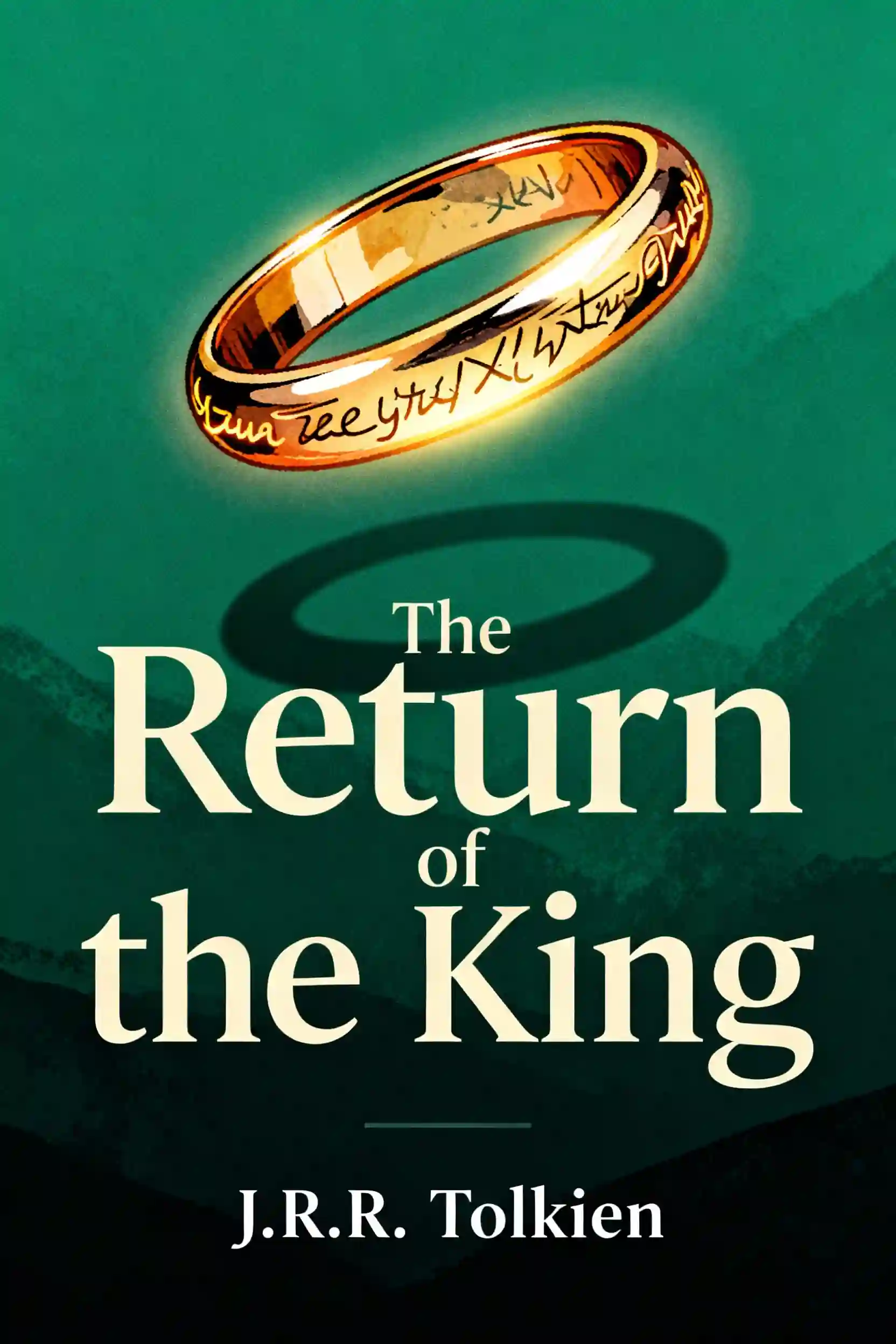
    The Return of the King
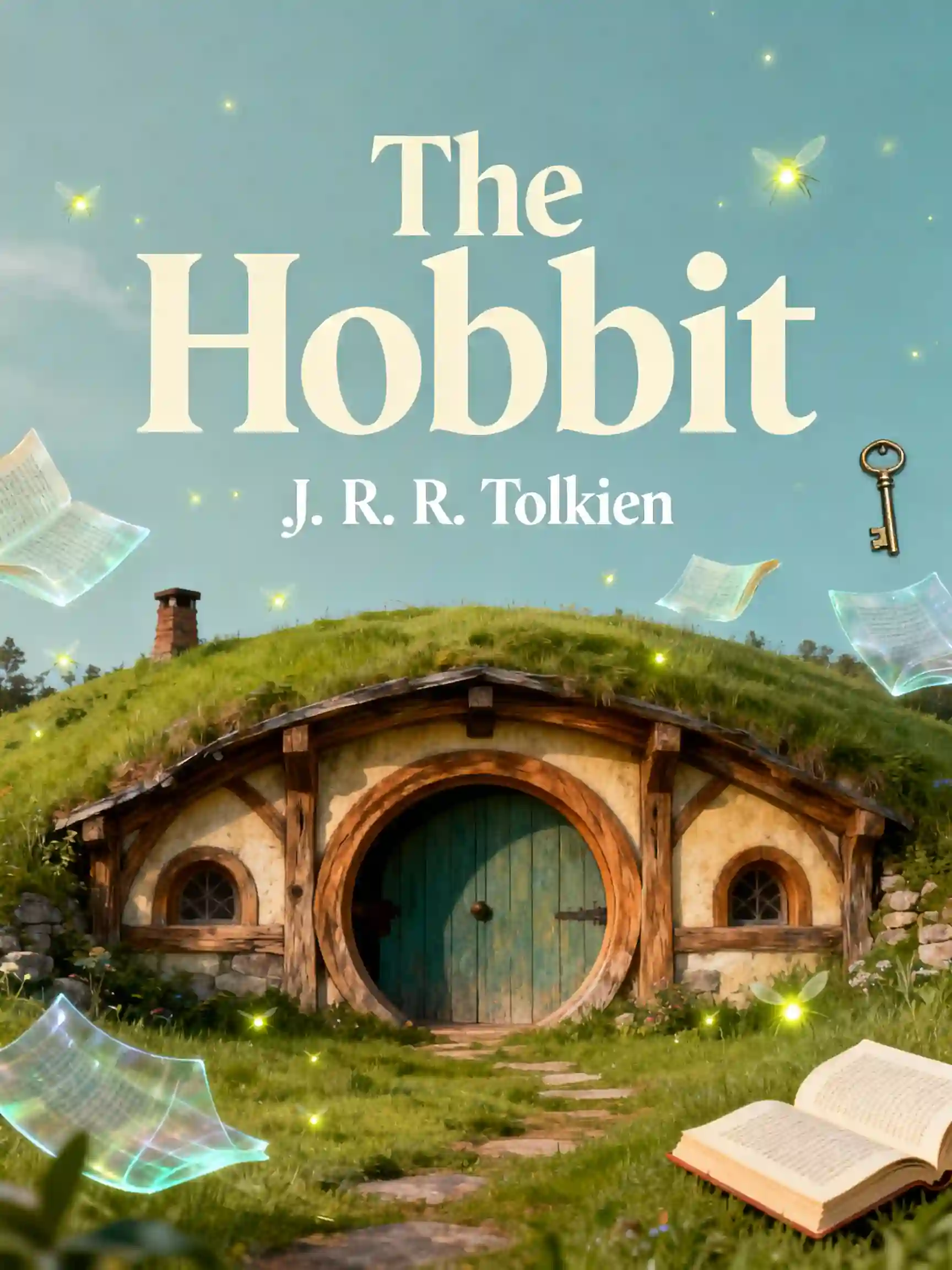
    The Hobbit
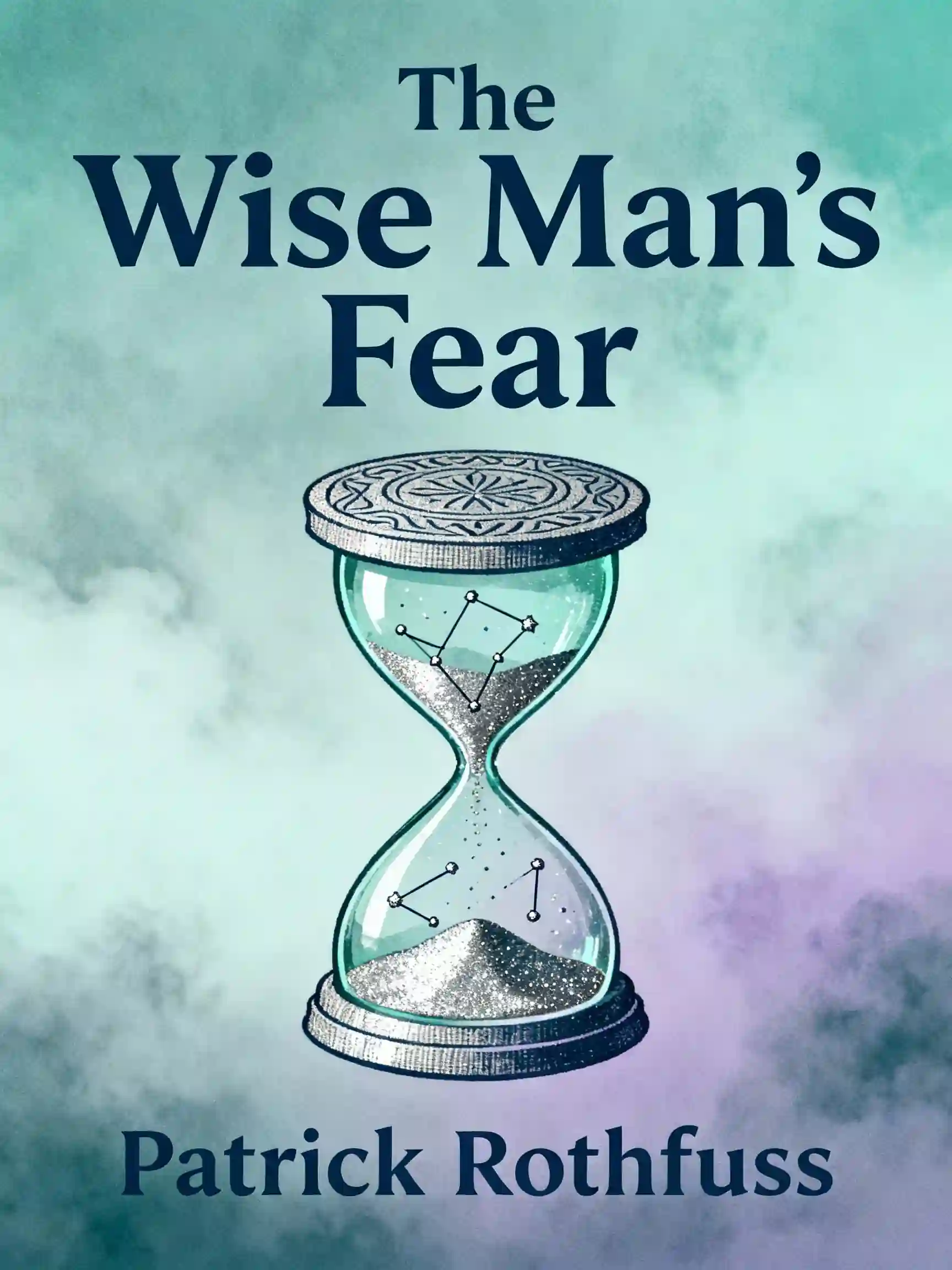
    The Wise Man's Fear
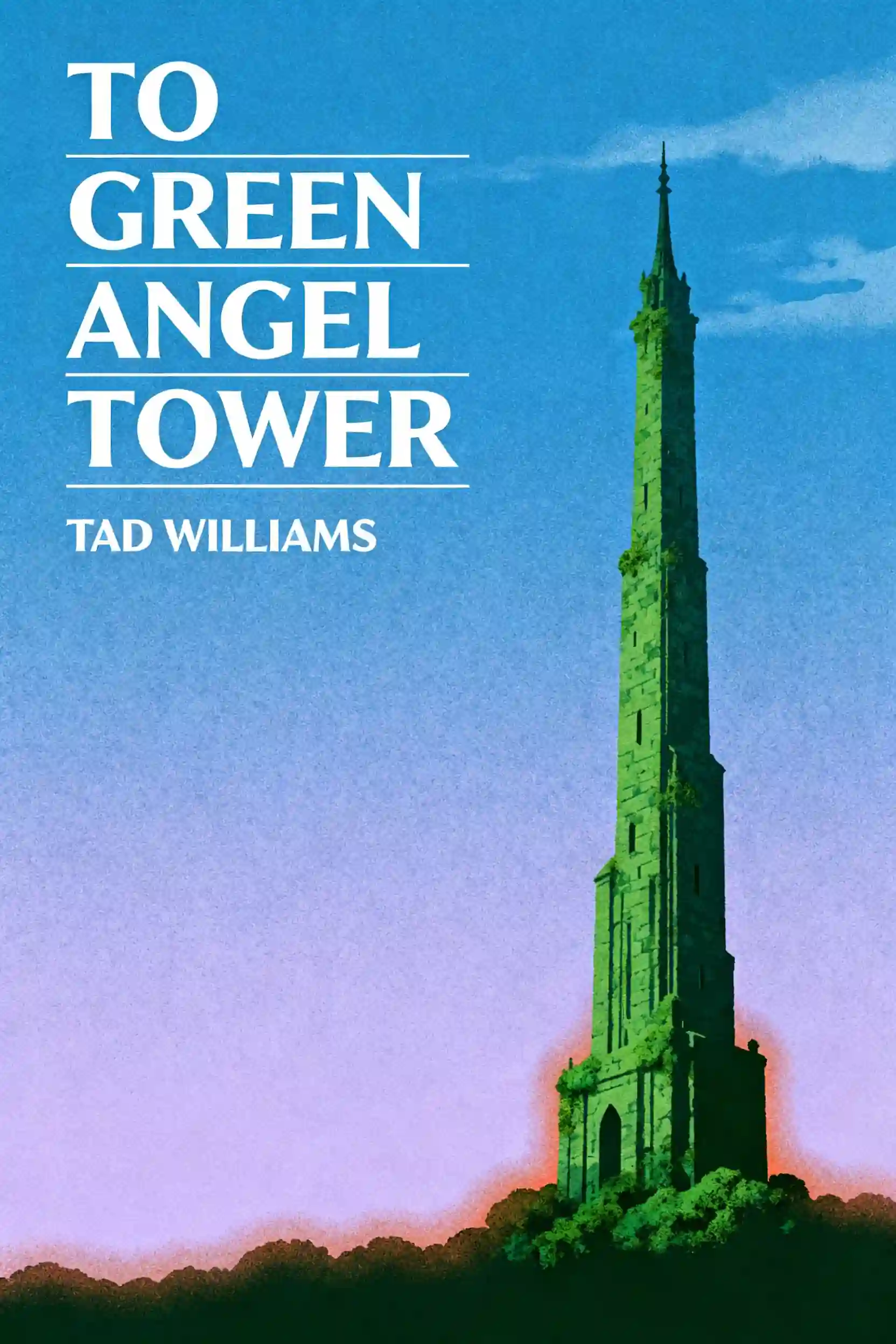
    To Green Angel Tower.
    Ultimate Harry Potter and Philosophy

    发现更多

    Escape into fantasy worlds through reading

    Escape into fantasy worlds through reading

    学习计划

    Escape into fantasy worlds through reading

    This learning plan is designed for fantasy enthusiasts who want to transform casual reading into a deeper, more fulfilling experience. Whether you're a longtime fan seeking to appreciate the craft behind your favorite stories or a newcomer eager to explore epic fantasy's rich landscapes, this journey will help you read with greater insight, discover new worlds, and fully immerse yourself in the genre you love.

    2 h 13 m•4 章节
    Fantasy

    Fantasy

    学习计划

    Fantasy

    This learning plan is essential for aspiring fantasy authors and creative writers who want to master the craft of fantasy storytelling from foundational concepts to advanced techniques. Whether you're writing your first fantasy novel or seeking to elevate your existing work, this structured progression guides you through the critical skills that distinguish published fantasy authors. The plan combines literary analysis of classics with practical craft elements, making it valuable for both beginners establishing their foundation and intermediate writers refining their technique.

    2 h 28 m•3 章节
    Read romance and fantasy

    Read romance and fantasy

    学习计划

    Read romance and fantasy

    This learning path serves readers seeking to explore two of the most popular and emotionally engaging literary genres, perfect for both newcomers wanting structured guidance and experienced readers looking to expand their horizons. By progressing from foundational works through hybrid and darker subgenres, learners gain both breadth and depth in understanding how romance and fantasy create powerful escapism, emotional resonance, and imaginative storytelling that has captivated millions of readers worldwide.

    2 h 14 m•4 章节
    Write and build fantasy worlds

    Write and build fantasy worlds

    学习计划

    Write and build fantasy worlds

    This learning plan bridges the gap between basic creative writing and the complex demands of high-concept genre fiction. It is ideal for aspiring novelists and storytellers who want to balance rigorous world-building with emotionally resonant character arcs.

    2 h 37 m•4 章节
    Study occult lore to spark creativity

    Study occult lore to spark creativity

    学习计划

    Study occult lore to spark creativity

    This plan bridges the gap between ancient mysticism and modern artistry, offering a unique toolkit for those feeling creatively stagnant. It is ideal for writers, artists, and designers looking to deepen their work through archetypal psychology and symbolic depth.

    3 h 20 m•5 章节
    Mythology

    Mythology

    学习计划

    Mythology

    This learning plan offers essential knowledge for anyone seeking to understand the stories that have shaped human civilization and continue to influence modern culture. It's ideal for students of literature, writers, creatives, psychologists, educators, and curious minds who want to decode the powerful patterns underlying both ancient tales and contemporary narratives. By connecting ancient wisdom to modern applications, learners gain tools for deeper cultural literacy, storytelling prowess, and personal insight.

    2 h 44 m•4 章节
    World war 2

    World war 2

    学习计划

    World war 2

    This plan provides a vital framework for understanding the most transformative conflict in human history and its lasting impact on global politics. It is ideal for students, history enthusiasts, or anyone seeking to understand the origins of the current world order.

    3 h 25 m•4 章节
    Classic literature

    Classic literature

    学习计划

    Classic literature

    Classic literature forms the foundation of Western cultural literacy and continues to influence modern storytelling, philosophy, and social discourse. This learning plan is ideal for anyone wanting to move beyond surface-level reading to deeply understand the works that have shaped our literary heritage, whether you're a student, educator, lifelong learner, or simply someone who wants to engage meaningfully with the books everyone references but few truly comprehend.

    1 h 51 m•4 章节

    由哥伦比亚大学校友在旧金山创建

    BeFreed 汇聚了全球超过 1,000,000 求知若渴的学习者
    查看更多网络上关于 BeFreed 的讨论

    "Instead of endless scrolling, I just hit play on BeFreed. It saves me so much time."

    @Moemenn
    platform
    star
    star
    star
    star
    star

    "I never knew where to start with nonfiction—BeFreed’s book lists turned into podcasts gave me a clear path."

    @Chloe, Solo founder, LA
    platform
    comments
    12
    likes
    117

    "Perfect balance between learning and entertainment. Finished ‘Thinking, Fast and Slow’ on my commute this week."

    @Raaaaaachelw
    platform
    star
    star
    star
    star
    star

    "Crazy how much I learned while walking the dog. BeFreed = small habits → big gains."

    @Matt, YC alum
    platform
    comments
    12
    likes
    108

    "Reading used to feel like a chore. Now it’s just part of my lifestyle."

    @Erin, Investment Banking Associate , NYC
    platform
    comments
    254
    likes
    17

    "Feels effortless compared to reading. I’ve finished 6 books this month already."

    @djmikemoore
    platform
    star
    star
    star
    star
    star

    "BeFreed turned my guilty doomscrolling into something that feels productive and inspiring."

    @Pitiful
    platform
    comments
    96
    likes
    4.5K

    "BeFreed turned my commute into learning time. 20-min podcasts are perfect for finishing books I never had time for."

    @SofiaP
    platform
    star
    star
    star
    star
    star

    "BeFreed replaced my podcast queue. Imagine Spotify for books — that’s it. 🙌"

    @Jaded_Falcon
    platform
    comments
    201
    thumbsUp
    16

    "It is great for me to learn something from the book without reading it."

    @OojasSalunke
    platform
    star
    star
    star
    star
    star

    "The themed book list podcasts help me connect ideas across authors—like a guided audio journey."

    @Leo, Law Student, UPenn
    platform
    comments
    37
    likes
    483

    "Makes me feel smarter every time before going to work"

    @Cashflowbubu
    platform
    star
    star
    star
    star
    star

    由哥伦比亚大学校友在旧金山创建

    BeFreed 汇聚了全球超过 1,000,000 求知若渴的学习者
    查看更多网络上关于 BeFreed 的讨论

    "Instead of endless scrolling, I just hit play on BeFreed. It saves me so much time."

    @Moemenn
    platform
    star
    star
    star
    star
    star

    "I never knew where to start with nonfiction—BeFreed’s book lists turned into podcasts gave me a clear path."

    @Chloe, Solo founder, LA
    platform
    comments
    12
    likes
    117

    "Perfect balance between learning and entertainment. Finished ‘Thinking, Fast and Slow’ on my commute this week."

    @Raaaaaachelw
    platform
    star
    star
    star
    star
    star

    "Crazy how much I learned while walking the dog. BeFreed = small habits → big gains."

    @Matt, YC alum
    platform
    comments
    12
    likes
    108

    "Reading used to feel like a chore. Now it’s just part of my lifestyle."

    @Erin, Investment Banking Associate , NYC
    platform
    comments
    254
    likes
    17

    "Feels effortless compared to reading. I’ve finished 6 books this month already."

    @djmikemoore
    platform
    star
    star
    star
    star
    star

    "BeFreed turned my guilty doomscrolling into something that feels productive and inspiring."

    @Pitiful
    platform
    comments
    96
    likes
    4.5K

    "BeFreed turned my commute into learning time. 20-min podcasts are perfect for finishing books I never had time for."

    @SofiaP
    platform
    star
    star
    star
    star
    star

    "BeFreed replaced my podcast queue. Imagine Spotify for books — that’s it. 🙌"

    @Jaded_Falcon
    platform
    comments
    201
    thumbsUp
    16

    "It is great for me to learn something from the book without reading it."

    @OojasSalunke
    platform
    star
    star
    star
    star
    star

    "The themed book list podcasts help me connect ideas across authors—like a guided audio journey."

    @Leo, Law Student, UPenn
    platform
    comments
    37
    likes
    483

    "Makes me feel smarter every time before going to work"

    @Cashflowbubu
    platform
    star
    star
    star
    star
    star

    "Instead of endless scrolling, I just hit play on BeFreed. It saves me so much time."

    @Moemenn
    platform
    star
    star
    star
    star
    star

    "I never knew where to start with nonfiction—BeFreed’s book lists turned into podcasts gave me a clear path."

    @Chloe, Solo founder, LA
    platform
    comments
    12
    likes
    117

    "Perfect balance between learning and entertainment. Finished ‘Thinking, Fast and Slow’ on my commute this week."

    @Raaaaaachelw
    platform
    star
    star
    star
    star
    star

    "Crazy how much I learned while walking the dog. BeFreed = small habits → big gains."

    @Matt, YC alum
    platform
    comments
    12
    likes
    108

    "Reading used to feel like a chore. Now it’s just part of my lifestyle."

    @Erin, Investment Banking Associate , NYC
    platform
    comments
    254
    likes
    17

    "Feels effortless compared to reading. I’ve finished 6 books this month already."

    @djmikemoore
    platform
    star
    star
    star
    star
    star

    "BeFreed turned my guilty doomscrolling into something that feels productive and inspiring."

    @Pitiful
    platform
    comments
    96
    likes
    4.5K

    "BeFreed turned my commute into learning time. 20-min podcasts are perfect for finishing books I never had time for."

    @SofiaP
    platform
    star
    star
    star
    star
    star

    "BeFreed replaced my podcast queue. Imagine Spotify for books — that’s it. 🙌"

    @Jaded_Falcon
    platform
    comments
    201
    thumbsUp
    16

    "It is great for me to learn something from the book without reading it."

    @OojasSalunke
    platform
    star
    star
    star
    star
    star

    "The themed book list podcasts help me connect ideas across authors—like a guided audio journey."

    @Leo, Law Student, UPenn
    platform
    comments
    37
    likes
    483

    "Makes me feel smarter every time before going to work"

    @Cashflowbubu
    platform
    star
    star
    star
    star
    star

    "Instead of endless scrolling, I just hit play on BeFreed. It saves me so much time."

    @Moemenn
    platform
    star
    star
    star
    star
    star

    "I never knew where to start with nonfiction—BeFreed’s book lists turned into podcasts gave me a clear path."

    @Chloe, Solo founder, LA
    platform
    comments
    12
    likes
    117

    "Perfect balance between learning and entertainment. Finished ‘Thinking, Fast and Slow’ on my commute this week."

    @Raaaaaachelw
    platform
    star
    star
    star
    star
    star

    "Crazy how much I learned while walking the dog. BeFreed = small habits → big gains."

    @Matt, YC alum
    platform
    comments
    12
    likes
    108

    "Reading used to feel like a chore. Now it’s just part of my lifestyle."

    @Erin, Investment Banking Associate , NYC
    platform
    comments
    254
    likes
    17

    "Feels effortless compared to reading. I’ve finished 6 books this month already."

    @djmikemoore
    platform
    star
    star
    star
    star
    star

    "BeFreed turned my guilty doomscrolling into something that feels productive and inspiring."

    @Pitiful
    platform
    comments
    96
    likes
    4.5K

    "BeFreed turned my commute into learning time. 20-min podcasts are perfect for finishing books I never had time for."

    @SofiaP
    platform
    star
    star
    star
    star
    star

    "BeFreed replaced my podcast queue. Imagine Spotify for books — that’s it. 🙌"

    @Jaded_Falcon
    platform
    comments
    201
    thumbsUp
    16

    "It is great for me to learn something from the book without reading it."

    @OojasSalunke
    platform
    star
    star
    star
    star
    star

    "The themed book list podcasts help me connect ideas across authors—like a guided audio journey."

    @Leo, Law Student, UPenn
    platform
    comments
    37
    likes
    483

    "Makes me feel smarter every time before going to work"

    @Cashflowbubu
    platform
    star
    star
    star
    star
    star
    1.5K Ratings4.7
    开启你的学习之旅,就是现在
    BeFreed App
    BeFreed

    个性化学习,无所不能

    DiscordLinkedIn
    精选书籍摘要
    Crucial ConversationsThe Perfect MarriageInto the WildNever Split the DifferenceAttachedGood to GreatSay Nothing
    热门分类
    Self HelpCommunication SkillRelationshipMindfulnessPhilosophyInspirationProductivity
    名人书单
    Elon MuskCharlie KirkBill GatesSteve JobsAndrew HubermanJoe RoganJordan Peterson
    获奖作品
    Pulitzer PrizeNational Book AwardGoodreads Choice AwardsNobel Prize in LiteratureNew York TimesCaldecott MedalNebula Award
    精选主题
    ManagementAmerican HistoryWarTradingStoicismAnxietySex
    年度最佳书籍
    2025 Best Non Fiction Books2024 Best Non Fiction Books2023 Best Non Fiction Books
    精选作者
    Chimamanda Ngozi AdichieGeorge OrwellO. J. SimpsonBarbara O'NeillWinston ChurchillCharlie Kirk
    BeFreed 与其他应用对比
    BeFreed vs. Other Book Summary AppsBeFreed vs. ElevenReaderBeFreed vs. ReadwiseBeFreed vs. Anki
    学习工具
    Knowledge VisualizerAI Podcast Generator
    更多信息
    关于我们arrow
    定价arrow
    常见问题arrow
    博客arrow
    招聘arrow
    合作伙伴arrow
    大使计划arrow
    目录arrow
    BeFreed
    Try now
    © 2026 BeFreed
    使用条款隐私政策
    BeFreed

    个性化学习,无所不能

    DiscordLinkedIn
    精选书籍摘要
    Crucial ConversationsThe Perfect MarriageInto the WildNever Split the DifferenceAttachedGood to GreatSay Nothing
    热门分类
    Self HelpCommunication SkillRelationshipMindfulnessPhilosophyInspirationProductivity
    名人书单
    Elon MuskCharlie KirkBill GatesSteve JobsAndrew HubermanJoe RoganJordan Peterson
    获奖作品
    Pulitzer PrizeNational Book AwardGoodreads Choice AwardsNobel Prize in LiteratureNew York TimesCaldecott MedalNebula Award
    精选主题
    ManagementAmerican HistoryWarTradingStoicismAnxietySex
    年度最佳书籍
    2025 Best Non Fiction Books2024 Best Non Fiction Books2023 Best Non Fiction Books
    学习工具
    Knowledge VisualizerAI Podcast Generator
    精选作者
    Chimamanda Ngozi AdichieGeorge OrwellO. J. SimpsonBarbara O'NeillWinston ChurchillCharlie Kirk
    BeFreed 与其他应用对比
    BeFreed vs. Other Book Summary AppsBeFreed vs. ElevenReaderBeFreed vs. ReadwiseBeFreed vs. Anki
    更多信息
    关于我们arrow
    定价arrow
    常见问题arrow
    博客arrow
    招聘arrow
    合作伙伴arrow
    大使计划arrow
    目录arrow
    BeFreed
    Try now
    © 2026 BeFreed
    使用条款隐私政策

    核心要点

    1

    How Tolkien Rewired Our Imagination

    0:00

    Lena: You know what's wild? I was just thinking about how we basically live in a world that Tolkien created without even realizing it. I mean, every time someone says "elf" or "dwarf," we're picturing his version, not some tiny Christmas helper or ancient mythology figure.

    0:17

    Miles: Right! It's like he reached into our collective imagination and just... rewired it. Before The Lord of the Rings, elves were these diminutive fairy creatures helping Santa. Now they're these tall, ethereal, immortal beings with pointy ears and incredible archery skills.

    0:35

    Lena: Exactly! And it's not just elves. The whole medieval fantasy setting, the idea of epic quests, even the way we think about good versus evil in stories - it all traces back to Middle-earth, doesn't it?

    0:48

    Miles: Absolutely. One scholar called The Lord of the Rings the "center" of fantasy - not just influential, but literally the thing that defines what fantasy even is. It's fascinating how one story about a hobbit and a ring became the blueprint for an entire genre.

    1:04

    Lena: That's incredible. So let's dive into this epic tale and see how three volumes changed storytelling forever.

    2

    The Fellowship's Blueprint for Modern Heroes

    1:22

    Miles: So let's start with something that might sound obvious but is actually revolutionary—the Fellowship itself. Before Tolkien, heroic stories usually followed one main character, maybe with a sidekick. But here's this motley crew of nine companions, each bringing something completely different to the table.

    1:47

    Lena: Oh, that's such a good point! You've got Aragorn, the reluctant king; Legolas and Gimli representing ancient enemies learning to be friends; Boromir with his tragic nobility; and then Gandalf as this mysterious wise mentor. It's like... a fantasy Avengers team before superheroes were even a thing.

    2:06

    Miles: Exactly! And what's brilliant is how Tolkien doesn't just throw them together randomly. Each character represents a different aspect of the human experience. Aragorn embodies duty and leadership, but he's terrified of his destiny. Gimli and Legolas show us how prejudice can be overcome through shared hardship. Boromir represents how even good people can be corrupted by power.

    2:31

    Lena: And then you have the hobbits—Sam, Merry, and Pippin alongside Frodo—who are basically us, right? They're not warriors or wizards. They're just regular folks thrust into extraordinary circumstances. That's such a powerful choice because it means any reader can see themselves in Middle-earth.

    2:48

    Miles: That's the genius of it! Tolkien took the ancient epic tradition—think Beowulf or The Odyssey—where heroes are these larger-than-life figures, and he democratized it. The real hero of the story is a three-foot-tall hobbit who just wants to tend his garden. Sam Gamgee, the gardener, becomes arguably the most heroic character in the entire saga.

    3:14

    Lena: It's interesting how this team dynamic has become the foundation for pretty much every fantasy story since. You look at modern fantasy—whether it's Brandon Sanderson's Stormlight Archive or even something like Dungeons & Dragons—and you see this same pattern: the diverse group where everyone has a role to play.

    0:17

    Miles: Right! And Tolkien understood something profound about human nature here. We don't face our greatest challenges alone. We need community, we need different perspectives, we need people who complement our weaknesses. The Fellowship works because they're stronger together than apart, even when—especially when—they disagree.

    3:54

    Lena: That's so true. And what really gets me is how Tolkien shows the cost of heroism through these characters. Frodo doesn't get to live happily ever after in the Shire. The burden of carrying the Ring changes him permanently. That's not your typical fairy tale ending.

    0:48

    Miles: Absolutely. This idea that heroism comes with real sacrifice, real psychological cost—that's become a cornerstone of modern fantasy. You see it everywhere now, from Game of Thrones to The Wheel of Time. Heroes don't just win and ride off into the sunset. They're fundamentally changed by their experiences, sometimes broken by them.

    3

    The Magic System That Started It All

    4:36

    Lena: Now, let's talk about something that might surprise people—Tolkien's approach to magic. Because when you really look at it, Middle-earth doesn't have a "magic system" the way modern fantasy does. There's no spell-casting school or detailed rules about how magic works.

    4:53

    Miles: That's such a crucial observation! Magic in Middle-earth is mysterious, almost divine. When Gandalf uses his power, it's not because he memorized the right incantation or has enough mana points. It's more like... he's channeling something ancient and cosmic that mere mortals can barely comprehend.

    0:35

    Lena: Exactly! Take the One Ring itself—it's not explained through some elaborate magical theory. It just is. It's this corrupting force that seems to have its own will, its own malevolent intelligence. That's terrifying in a way that a clearly defined magic system never could be.

    5:31

    Miles: And this has created this fascinating split in modern fantasy. On one side, you have authors like Brandon Sanderson who've gone the complete opposite direction—creating these incredibly detailed, almost scientific magic systems where every spell has rules and limitations. His First Law of Magic is literally "your ability to solve problems with magic is directly proportional to how well the reader understands said magic."

    5:55

    Lena: Which works brilliantly for those stories! But then you have authors who've stayed closer to Tolkien's mysterious approach. Think about Patrick Rothfuss in The Name of the Wind—yes, there's sympathy and naming, but the really powerful magic, like Kilvin's ever-burning lamp or Kvothe's calling of the wind, remains beautifully inexplicable.

    6:16

    Miles: What's fascinating is how Tolkien's approach reflects his deeper philosophy about the world. Magic in Middle-earth isn't just a tool—it's connected to the fundamental nature of reality. The Silmarils aren't magical because someone enchanted them; they contain the actual light of the Two Trees of Valinor. It's ontological, not mechanical.

    6:37

    Lena: That's such a beautiful way to put it. And I think this is why Tolkien's magic feels so... reverent? Like, when the elves sing to grow mallorn trees in Lothlórien, it doesn't feel like they're casting a spell. It feels like they're participating in the ongoing creation of the world.

    2:06

    Miles: Exactly! And this has influenced how modern fantasy thinks about power and responsibility. Even in stories with hard magic systems, the best ones understand that power should come with weight, with consequence. Look at how Terry Pratchett handles magic in Discworld—it's simultaneously systematic and mysterious, powerful and dangerous.

    7:16

    Lena: Or consider how J.K. Rowling handles magic in Harry Potter. Sure, there are spells and wands and rules, but the most powerful magic—love, sacrifice, the protection Harry's mother gave him—that's pure Tolkien. It's not something you can learn from a textbook.

    7:34

    Miles: And that brings us to something really important about Tolkien's influence. He showed that in fantasy, the most powerful forces shouldn't be the ones you can control or fully understand. They should be the ones that transform you in the encounter.

    4

    The Burden of the Ring: How Tolkien Invented Modern Moral Complexity

    7:49

    Lena: Let's dig into something that I think really sets Tolkien apart from his predecessors—the moral complexity of the One Ring. This isn't just a magical artifact; it's basically a character in its own right, and a deeply psychological one.

    8:05

    Miles: Oh, absolutely! The Ring is brilliant because it doesn't corrupt people through obvious temptation. It doesn't whisper "become evil." Instead, it amplifies your existing desires and convinces you that you can use its power for good. Boromir doesn't want the Ring to become a dark lord—he wants it to save Gondor.

    8:23

    Lena: That's so much more sophisticated than traditional fantasy evil! Think about fairy tales—the witch is obviously evil, the dragon is clearly the bad guy. But the Ring? The Ring offers you exactly what you think you want most. For Galadriel, it offers the power to preserve Lothlórien forever. For Sam, it offers the ability to turn all of Mordor into a giant garden.

    8:47

    Miles: And what's terrifying is that these aren't evil desires! Sam's vision of making Mordor bloom is genuinely beautiful. But the Ring corrupts even good intentions. This idea that power itself is corrupting, regardless of how you intend to use it—that's become fundamental to modern fantasy.

    9:04

    Lena: It really has. Look at how George R.R. Martin handles power in A Song of Ice and Fire. Even the "good" characters like Jon Snow or Daenerys face impossible choices where any decision causes harm. That moral ambiguity traces directly back to Tolkien's insight about the Ring.

    9:23

    Miles: What I find fascinating is how this reflects Tolkien's experience with World War I. He saw firsthand how good people could be shaped by terrible circumstances, how the tools of war could change the people who wielded them. The Ring isn't just fantasy—it's a meditation on how power transforms us.

    9:40

    Lena: And it's not just the Ring itself. Think about how Tolkien handles the relationship between Frodo and Gollum. Gollum is clearly the antagonist, but he's also pitiable. He's what Frodo could become if he held the Ring too long. That's psychologically complex in a way that fantasy had never really attempted before.

    0:17

    Miles: Right! Frodo's mercy toward Gollum isn't just morally right—it's what ultimately saves Middle-earth. When Frodo finally succumbs to the Ring's power at Mount Doom, it's Gollum's obsession that destroys the Ring. The hero fails, and the villain inadvertently saves the world. That's incredible storytelling.

    10:18

    Lena: This has become such a template for modern fantasy. Characters who aren't purely good or evil, but complex beings shaped by their circumstances. Think about Severus Snape in Harry Potter, or Jaime Lannister in Game of Thrones. These morally ambiguous characters who do terrible things for understandable reasons—that's pure Tolkien influence.

    10:41

    Miles: And it extends beyond individual characters to entire societies. Tolkien shows us that even the good guys—the men of Gondor, the elves—have flaws and limitations. Gondor is failing not because of external enemies but because of internal decay. The elves are leaving Middle-earth partly because they've become too detached from the struggles of mortals.

    11:03

    Lena: That's such a mature way to handle worldbuilding. Modern fantasy has really embraced this idea that no society is perfect, no cause is purely righteous. Even in high fantasy with clear good and evil, the best stories show how good people can make bad choices and how circumstances can push anyone toward darkness.

    5

    The Language of Legends: How Tolkien's Words Became Our Words

    11:24

    Miles: Here's something that absolutely blows my mind—Tolkien didn't just create a story; he created languages that became the foundation for how we think about fantasy speech. And I'm not just talking about Elvish, though that's incredible. I'm talking about how he established the entire linguistic landscape of fantasy.

    11:45

    Lena: Oh, this is so fascinating! Like, when we read fantasy now, we expect certain kinds of names, certain sounds. Aragorn, Legolas, Galadriel—these don't sound made-up anymore. They sound... right. They sound like what fantasy characters should be named.

    2:06

    Miles: Exactly! Tolkien was a philologist—a language scholar—so he approached naming with incredible sophistication. He didn't just make up cool-sounding words. He created entire language families with their own grammar, etymology, and evolution over time. Sindarin and Quenya aren't just collections of fantasy words; they're actual constructed languages with consistent rules.

    12:25

    Lena: And what's wild is how this has influenced everything that came after. You can trace linguistic patterns from Tolkien through decades of fantasy literature. Authors might not create full languages like he did, but they follow his principles—certain sounds for elvish names, different patterns for dwarven names, specific feels for different cultures.

    0:17

    Miles: Right! Think about how fantasy names work now. We intuitively know that names ending in "-iel" or "-wen" sound elvish because of Tolkien. Names with lots of consonants and hard sounds feel dwarven. This isn't accidental—it's because Tolkien established these patterns based on real linguistic principles.

    13:08

    Lena: And it goes beyond just names, doesn't it? The way characters speak in fantasy—the formal, slightly archaic tone that suggests depth and history—that comes from Tolkien too. When Aragorn says "I am Aragorn son of Arathorn, and am called Elessar, the Elfstone," that cadence has become the template for how fantasy heroes announce themselves.

    13:33

    Miles: Absolutely! Tolkien understood that language shapes how we perceive character and culture. The way the Ents speak—slow, deliberate, full of repetition—tells us everything we need to know about their nature as ancient, thoughtful beings. The harsh, guttural sounds of the Black Speech of Mordor make it feel inherently evil.

    13:56

    Lena: This is something modern fantasy writers really struggle with, isn't it? How do you create that sense of linguistic authenticity without just copying Tolkien? Some authors have done brilliant work—like N.K. Jemisin in The Fifth Season, where she creates entirely different linguistic patterns that feel just as authentic but completely original.

    14:17

    Miles: That's a perfect example! And what's interesting is how different media have handled this challenge. Video games like The Elder Scrolls series have created their own constructed languages. Even George R.R. Martin, who's not a linguist like Tolkien, still follows those established patterns—Valyrian names have a different feel from Westerosi ones, and both feel authentically fantasy-like.

    14:40

    Lena: What really gets me is how Tolkien's linguistic work has influenced our real-world understanding of fantasy. When someone says they're learning "Elvish," everyone knows what that means. Tolkien's languages have become cultural touchstones in a way that no constructed language before them ever achieved.

    14:58

    Miles: And this connects to something deeper about worldbuilding. Tolkien showed that language isn't just decoration—it's fundamental to how a culture thinks and expresses itself. The fact that hobbits have multiple words for different types of meals tells us about their values. The complexity of Elvish reflects their ancient, sophisticated civilization.

    6

    Death, Immortality, and the Bittersweet Victory

    15:20

    Lena: Now we need to talk about something that I think really sets Tolkien apart from most fantasy—his treatment of death and immortality. Because Middle-earth isn't a world where heroes just win and live happily ever after. There's this deep melancholy running through everything.

    15:38

    Miles: Oh, absolutely. Tolkien himself said that the core theme of The Lord of the Rings is "death and the desire for deathlessness." That's not your typical adventure story theme! And you see it everywhere—the elves are immortal but are leaving Middle-earth, men are mortal but crave longer life, and even victory comes with profound loss.

    15:59

    Lena: The elves are such a perfect example of this. They're immortal, which sounds amazing, but they're also bound to the world in a way that becomes a burden. They watch everything they love change and fade. Elrond has seen thousands of years of history, but that means he's also experienced thousands of years of loss.

    16:19

    Miles: And then there's the Gift of Men—mortality. Tolkien presents death not as a curse but as something that gives life meaning. Humans accomplish incredible things precisely because their time is limited. Aragorn chooses to die at the height of his powers rather than cling to life as his strength fades.

    16:38

    Lena: This is so different from how most fantasy handles death! Usually, death is the enemy to be defeated, or immortality is the ultimate prize. But Tolkien shows us that immortality can be its own kind of prison, and that accepting mortality might actually be wisdom.

    16:55

    Miles: What's really profound is how this plays out in the ending. Frodo saves the world, but he can't heal from the spiritual wounds the Ring left on him. He has to leave Middle-earth with the elves—not as a reward, but because he can no longer find peace in the world he saved.

    17:11

    Lena: That ending always gets to me. It's victorious but heartbreaking. Sam gets to return to the Shire and live a full life, but Frodo—the hero—has been too changed by his burden. There's real cost to heroism, real sacrifice that can't be undone.

    17:28

    Miles: This has become such an important element in modern fantasy. Think about how Harry Potter ends—Harry survives, but he's marked forever by his experiences. Or look at The Stormlight Archive, where Kaladin struggles with depression and trauma from his role as a soldier. These characters bear the psychological weight of their heroism.

    17:46

    Lena: And it's not just individual characters. Tolkien shows us that even victory changes the world in ways you can't control. The defeat of Sauron means the age of magic is ending. The elves are leaving, the Ents are dwindling, the time of wonder is passing into the age of men.

    18:06

    Miles: That's the "eucatastrophe" that Tolkien wrote about—the sudden happy turn, but one that comes with genuine loss. It's not a fairy tale ending where everything returns to how it was. It's an ending that acknowledges that growth and change require letting go of what came before.

    18:23

    Lena: This bittersweet approach to victory has become fundamental to sophisticated fantasy. Even in stories with happy endings, the best ones acknowledge that triumph comes with cost, that heroes are changed by their journeys, that saving the world doesn't mean returning to innocence.

    18:40

    Miles: And I think this reflects something true about real life, doesn't it? Our greatest achievements often require sacrifice. Growing up means losing childhood. Gaining wisdom often means losing innocence. Tolkien understood that the most meaningful victories are the ones that cost us something precious.

    7

    The Shire as Paradise Lost: How Tolkien Invented Fantasy Nostalgia

    18:59

    Lena: Let's talk about the Shire, because I think it represents something that's become absolutely central to fantasy literature—this idea of the idyllic home that heroes leave behind and can never quite return to unchanged.

    19:15

    Miles: The Shire is fascinating because it's both incredibly English and completely universal. It's based on the English countryside Tolkien knew as a child, but it represents something deeper—that sense of home as a place of innocence and simplicity that exists in contrast to the wider, more dangerous world.

    19:34

    Lena: What's brilliant is how Tolkien uses the Shire throughout the story. It starts as this almost comedic place where the biggest concern is whether Bilbo's birthday party will have enough cake. But by the time we return at the end, we understand what's at stake. The Shire represents everything worth protecting in Middle-earth.

    19:55

    Miles: And the Scouring of the Shire—that's such a crucial chapter that often gets overlooked. The hobbits return home to find it's been industrialized and polluted by Saruman's agents. Home isn't safe just because the great evil has been defeated. The corruption has spread everywhere, even to the most innocent places.

    20:14

    Lena: That's so prescient! Tolkien was writing this in the 1940s and '50s, watching industrialization transform the English countryside he loved. The Scouring of the Shire is basically an environmental warning wrapped in fantasy—the idea that progress without wisdom destroys what we hold most dear.

    20:34

    Miles: This concept of the threatened pastoral home has become absolutely fundamental to fantasy. Think about how many fantasy stories begin with the hero's peaceful village being destroyed or threatened. It's everywhere—from Star Wars to The Wheel of Time to countless video games. The hero's journey begins with the loss of innocence.

    20:55

    Lena: But what makes Tolkien's version so sophisticated is that the hobbits don't just flee the Shire—they come back and fight to reclaim it. They use the skills they've learned on their great adventure to save their home. It's not just nostalgia; it's about applying wisdom gained in the wider world to protect what matters most.

    21:12

    Miles: That's such an important distinction! A lot of fantasy gets stuck in pure nostalgia—longing for a golden age that never really existed. But Tolkien shows us that you can't go back to innocence, but you can fight to preserve what's worth saving. The Shire is restored, but it's different. The hobbits are different.

    21:32

    Lena: And this ties into something really important about Tolkien's environmental themes. He's not anti-technology or anti-progress. The problem isn't change itself—it's change without wisdom, progress without consideration for what's being lost. The Old Mill is fine when it's run by the Miller's family, but destructive when it's industrialized.

    21:53

    Miles: This has become such a powerful theme in modern fantasy. Look at Studio Ghibli films like Princess Mononoke or Nausicaä—they're directly influenced by Tolkien's environmental concerns. Or consider how Brandon Sanderson handles the tension between magic and technology in his cosmere novels.

    22:11

    Lena: What I find most moving about the Shire is how it represents the idea that ordinary life—gardening, cooking, celebrating with friends—is worth protecting. Sam's vision when he briefly holds the Ring isn't of power or glory; it's of making things grow. That's profound.

    2:06

    Miles: Exactly! The Shire teaches us that heroism isn't just about great deeds in far-off places. Sometimes the most heroic thing is tending your garden, caring for your neighbors, preserving the small daily kindnesses that make life worth living. That's a very different kind of fantasy than sword-and-sorcery adventures.

    8

    The Shadow of the Past: How Tolkien Made History Feel Real

    22:50

    Lena: One thing that absolutely sets Tolkien apart is how he created a sense of deep history for Middle-earth. When characters mention ancient battles or old kings, it doesn't feel like background decoration. It feels like these events really happened and still matter.

    23:05

    Miles: That's because Tolkien didn't just create a story—he created what he called a "mythology for England." He spent decades developing the history of Middle-earth, going back thousands of years before the events of The Lord of the Rings. The Silmarillion, all those appendices—they're not just trivia. They're the foundation that makes everything else feel real.

    23:26

    Lena: And you can feel that depth even if you never read The Silmarillion! When Aragorn sings about Gil-galad, or when the characters pass the ruins of ancient kingdoms, there's this weight to it. These aren't just mysterious ruins—they're the remnants of specific civilizations with their own stories of rise and fall.

    23:43

    Miles: What's brilliant is how Tolkien uses this history to create what scholars call "the impression of depth." Characters will make casual references to events that happened centuries ago, and you get the sense that there are entire stories there that could be told. It makes Middle-earth feel like a real place with a real past.

    24:01

    Lena: This has become absolutely fundamental to modern fantasy worldbuilding. Authors now understand that you need to create far more history than you'll ever actually use in your story. Brandon Sanderson talks about the "iceberg theory"—what readers see is just the tip, but there needs to be a massive foundation underneath.

    24:23

    Miles: And it's not just about having a lot of history—it's about how that history shapes the present. The reason Gondor is failing isn't just current politics; it's the weight of centuries of decline since the loss of the kings. The reason the elves are leaving isn't a whim; it's the culmination of ages of change and loss.

    24:42

    Lena: What I love is how Tolkien shows different characters having different relationships with this history. Elrond lived through much of it, so ancient events are personal memories for him. Denethor is obsessed with the glory days of Gondor. The hobbits barely know any history beyond their own local tales.

    25:01

    Miles: That's so realistic! People relate to history differently based on their culture, their education, their personal connection to events. And Tolkien uses this to develop character—Boromir's pride in Gondor's past both motivates his heroism and contributes to his fall.

    25:18

    Lena: Modern fantasy has really embraced this approach. Look at how George R.R. Martin uses the history of Westeros—Robert's Rebellion, the Targaryen conquest, the Long Night. These aren't just background; they're actively shaping current events. Characters make decisions based on historical precedents.

    25:36

    Miles: Or consider how Robin Hobb handles the Elderlings in her Realm of the Elderlings series. The ancient history of the Rain Wilds and the dragons isn't just worldbuilding flavor—it's central to understanding the magic system, the politics, and the character motivations throughout multiple series.

    25:54

    Lena: What's really sophisticated about Tolkien's approach is how he shows that history is both burden and inspiration. The weight of the past can crush you—like it nearly crushes Denethor—but it can also inspire you to greatness, like it does for Aragorn when he finally claims his throne.

    26:11

    Miles: And there's this beautiful theme about how the present generation has to decide what to preserve from the past and what to let go. The age of the elves is ending, but their wisdom and beauty don't have to disappear entirely. They can be preserved in memory, in art, in the choices people make going forward.

    9

    Practical Magic: Your Guide to Writing Tolkienesque Fantasy

    26:30

    Lena: So for all our listeners who are writers, or who just love thinking about storytelling craft, let's talk about what we can actually learn from Tolkien's approach. How do you capture that Middle-earth magic in your own work?

    26:43

    Miles: First thing—and this is crucial—start with language. You don't have to be a philologist like Tolkien, but you need to think seriously about how your different cultures would sound. Don't just randomly generate fantasy names. Consider what linguistic patterns would develop in different environments and societies.

    27:03

    Lena: That's such good advice! And it's not just about the names themselves. Think about how your characters speak. Tolkien gives different cultures different speech patterns—the formal, archaic style of Gondor versus the earthier dialect of the Rohirrim versus the simple, direct way hobbits talk.

    2:06

    Miles: Exactly! And here's something writers often miss—your magic system should reflect your themes. Tolkien's magic is mysterious and tied to the fundamental nature of reality because his story is about the relationship between power and corruption, between the eternal and the temporal.

    27:39

    Lena: Right! If you're writing a story about the importance of knowledge and learning, maybe your magic system should be based on understanding and study. If you're exploring themes of sacrifice and community, maybe magic requires multiple people working together, or comes at a personal cost.

    27:57

    Miles: Another crucial element is what we might call "earned complexity." Tolkien didn't start with The Lord of the Rings. He began with simple stories—The Hobbit, individual poems and songs—and built complexity over time. Don't try to create your own Silmarillion right out of the gate.

    28:15

    Lena: That's so important! Start with one story, one corner of your world, and really develop that. Let the larger world emerge naturally as you need it for your story. Some of the best fantasy series evolved organically as authors discovered more about their own worlds.

    28:31

    Miles: And please, please don't forget the emotional core. All of Tolkien's worldbuilding serves the story he's trying to tell about friendship, sacrifice, the cost of power, the relationship between civilization and nature. Your dragons and magic systems are cool, but they need to mean something.

    28:50

    Lena: Yes! Think about what your fantasy elements represent metaphorically. The One Ring isn't just a powerful artifact—it's a meditation on how power corrupts. Your magic sword or ancient prophecy or whatever should serve your story's deeper themes.

    29:08

    Miles: Here's something practical: create history that matters to your present story. Don't just make up random historical events. Think about how past events would logically lead to your current situation. Why is this kingdom failing? Why do these two peoples hate each other? What historical trauma explains this character's motivation?

    29:27

    Lena: And make your world feel lived-in. Tolkien fills Middle-earth with ruins, old roads, abandoned places that hint at stories we never fully hear. Your world should feel like it existed before your story started and will continue after it ends.

    29:43

    Miles: One more thing—and this might be controversial—don't be afraid of beauty and wonder. A lot of modern fantasy is very gritty and cynical, which can be powerful, but Tolkien reminds us that fantasy can also inspire awe and reverence. Sometimes the most radical thing you can do is create something genuinely beautiful.

    30:03

    Lena: That's such a beautiful point to end on. Fantasy at its best doesn't just entertain us—it reminds us that the world is full of wonder, that ordinary people can do extraordinary things, that there's always hope even in the darkest times.

    10

    The Eternal Return: Why Middle-earth Still Calls to Us

    30:21

    Miles: As we wrap up our journey through Tolkien's influence on modern fantasy, I keep coming back to this question: why does Middle-earth still feel so vital, so necessary, nearly seventy years after The Lord of the Rings was published?

    30:37

    Lena: I think it's because Tolkien tapped into something eternal about human nature. We all have our own Shires—the places and people we love that represent home and safety. We all face our own Mount Dooms—those impossible tasks that require us to sacrifice something precious. And we all need our own Fellowships—the communities that support us through our darkest moments.

    31:00

    Miles: That's beautifully put. And what's remarkable is how Tolkien's themes have only become more relevant over time. His environmental concerns about industrialization destroying natural beauty? We're living that crisis right now. His insights about how power corrupts even good intentions? Look at any news cycle.

    31:21

    Lena: The idea that small acts of kindness and mercy can change the world—that's something we desperately need to hear. In our age of global problems and social media cynicism, the story of Sam Gamgee the gardener helping save Middle-earth feels revolutionary.

    31:38

    Miles: What I find most inspiring about Tolkien's legacy is how it's given permission for fantasy to be serious literature that grapples with serious themes. Before Tolkien, fantasy was largely relegated to children's stories or pulp adventures. He showed that fantastical elements could be vehicles for exploring the deepest questions about human existence.

    32:00

    Lena: And look at what that's led to! We have fantasy novels winning major literary prizes, fantasy films that are cultural events, fantasy games that bring millions of people together. Tolkien didn't just create a genre—he created a new way for humanity to explore meaning through story.

    32:18

    Miles: The ripple effects keep expanding too. Environmental fantasy like Ursula K. Le Guin's Earthsea, diverse fantasy like N.K. Jemisin's Broken Earth trilogy, fantasy that grapples with trauma and healing like Robin Hobb's work—all of these exist because Tolkien proved that fantasy could be a serious artistic medium.

    32:37

    Lena: What moves me most is how Tolkien understood that the best fantasy isn't escapism from reality—it's a deeper engagement with reality. Middle-earth helps us see our own world more clearly, helps us understand what's worth fighting for and what's worth preserving.

    32:52

    Miles: And in our current moment, when so much feels uncertain and frightening, there's something profoundly comforting about stories that remind us that even the smallest person can make a difference, that good can triumph over evil, that there's always hope even when all seems lost.

    33:12

    Lena: The fact that people still gather to read The Lord of the Rings together, still learn Elvish, still debate the deeper meanings of Tolkien's work—that tells us something important about what stories can do. They can create communities across time and space, connecting us to something larger than ourselves.

    33:29

    Miles: So to everyone listening, whether you're a longtime Tolkien fan or someone just discovering Middle-earth, remember that you're part of this ongoing story. Every time you read fantasy, every time you create something fantastical, every time you choose hope over despair or community over isolation, you're carrying forward the flame that Tolkien lit.

    33:54

    Lena: Thank you so much for joining us on this exploration of how one Oxford professor's love of language and mythology helped create the fantasy genre as we know it. We'd love to hear your thoughts on Tolkien's influence, your favorite fantasy authors who've been shaped by Middle-earth, or your own experiences with worldbuilding and storytelling.

    34:14

    Miles: Keep reading, keep imagining, and remember—the road goes ever on and on. Until next time, may your stories be filled with wonder, your journeys be filled with friendship, and your endings be filled with hope.

    相似内容

    book cover
    The Hobbit
    J. R. R. Tolkien
    A reluctant hobbit embarks on an epic quest with dwarves to reclaim treasure from a fearsome dragon, discovering courage along the way.
    8 min
    book cover
    The Fellowship of the Ring
    J.R.R. Tolkien
    A hobbit embarks on an epic quest to destroy an all-powerful ring, joined by a diverse fellowship of companions.
    9 min
    book cover
    The Return of the King
    J.R.R. Tolkien
    Epic conclusion to Tolkien's fantasy saga as Frodo nears Mount Doom while Middle-earth faces its final battle against Sauron.
    8 min
    podcast cover
    source 1Worldbuilding for Writers: How to Create Story Worlds That Serve Your Narrative16.43: The Narrative Holy Trinity of World, Character, and Plot, with Fonda Leesource 4
    6 sources
    From Fantasy World to Compelling Story
    Transform your rich fantasy setting into a gripping narrative by understanding how world, character, and plot work as a unified system. Learn to identify story kernels, create organic conflicts, and reveal your world through action rather than exposition.
    8 min
    podcast cover
    source 1source 2source 3source 4
    6 sources
    Crafting Unforgettable Low Fantasy Romance Stories
    Master the art of creating compelling low fantasy tales with deep character development, surprising plot twists, and authentic romance. Learn from bestselling authors how to build believable magical worlds where love transforms hearts and heroes grow through crucible moments.
    25 min
    book cover
    Fantasyland
    Kurt Andersen
    A provocative exploration of America's history of magical thinking, from the Puritans to present-day conspiracy theories and political polarization.
    10 min
    book cover
    Farmer Giles of Ham
    J.R.R. Tolkien
    Humble farmer outwits dragons in Tolkien's forgotten medieval romp.
    9 min
    podcast cover
    Why Audition and Ring changed horror for good - Phil Hoad - MediumCultural Communication In Horror Genre: The Ring VS Ringu AnalysisHow The Ring Popularized and Perfected Asian Horror RemakesFilm Analysis: Ringu () vs The Ring - A Cross-Cultural Horror Comparison
    6 sources
    How The Ring Revolutionized Horror Cinema Forever
    A deep dive into how The Ring's 2002 remake didn't just terrify audiences-it completely rewrote horror's playbook, bridging Japanese and Western fear through cultural translation and launching the J-horror revolution.
    7 min