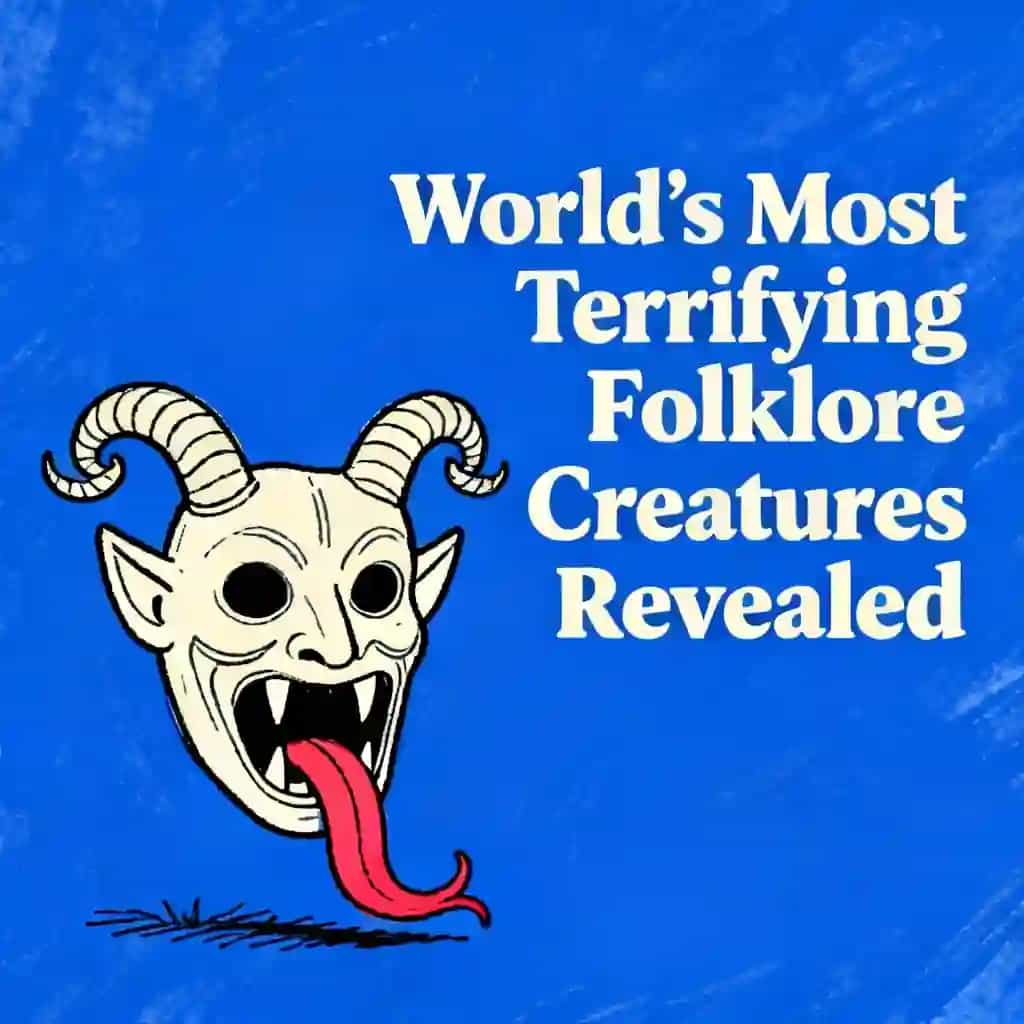
The Witcher's Literary Universe Explained
Discover the rich lore behind Netflix's adaptation, from Sapkowski's original short stories to the complex multiverse of The Continent, Elder Blood, and the Conjunction of the Spheres that shaped this fantasy world.

The Witcher's Literary Universe Explained最佳语录
Geralt often questions whether all monsters deserve to die, and whether all humans deserve to live. Some of the most dangerous creatures in his world aren't monsters at all—they're people.

此音频课程由 BeFreed 社区成员创建
Learn the Witcher lore (from the books)

发现更多

The Evolution of the Lovecraftian Mythos
This learning plan provides a comprehensive look at how cosmic horror transitioned from early 20th-century pulp fiction to a cornerstone of modern digital entertainment. It is ideal for literary students, game designers, and pop culture enthusiasts looking to understand the mechanics of world-building and legacy.

Wiccan magic
This learning plan provides a comprehensive path from foundational ethics to advanced spiritual mastery. It is ideal for seekers looking to integrate earth-based spirituality and feminine divinity into their personal growth and magical practice.

Write and build fantasy worlds
This learning plan bridges the gap between basic creative writing and the complex demands of high-concept genre fiction. It is ideal for aspiring novelists and storytellers who want to balance rigorous world-building with emotionally resonant character arcs.

The most important works of literature
This learning plan provides a comprehensive journey through the essential works that shaped Western literature, offering both historical context and deep textual analysis. It's ideal for serious readers seeking cultural literacy, students preparing for advanced literary study, educators building curriculum knowledge, or anyone wanting to understand the books that continue to influence modern storytelling and thought. By progressing chronologically through literary history, learners gain both breadth of knowledge and the critical tools to engage meaningfully with humanity's most celebrated narratives.

Read romance and fantasy
This learning path serves readers seeking to explore two of the most popular and emotionally engaging literary genres, perfect for both newcomers wanting structured guidance and experienced readers looking to expand their horizons. By progressing from foundational works through hybrid and darker subgenres, learners gain both breadth and depth in understanding how romance and fantasy create powerful escapism, emotional resonance, and imaginative storytelling that has captivated millions of readers worldwide.

Mythic Threads of the Night
This plan is essential for creatives and folklore enthusiasts seeking to understand the intersection of nature and mysticism. It provides a deep dive into the symbolic language of the night, perfect for writers, artists, or anyone fascinated by the darker side of mythology.

Mythology
This learning plan offers essential knowledge for anyone seeking to understand the stories that have shaped human civilization and continue to influence modern culture. It's ideal for students of literature, writers, creatives, psychologists, educators, and curious minds who want to decode the powerful patterns underlying both ancient tales and contemporary narratives. By connecting ancient wisdom to modern applications, learners gain tools for deeper cultural literacy, storytelling prowess, and personal insight.

Gothic Shadows and Psychological Depths
This learning plan offers a deep dive into the evolution of literary terror, tracing how horror transitioned from external threats to internal psychological struggles. It is ideal for literature students, creative writers, and fans of the macabre who want to understand the mechanics of fear and the complexity of the human soul.
"Instead of endless scrolling, I just hit play on BeFreed. It saves me so much time."


"I never knew where to start with nonfiction—BeFreed’s book lists turned into podcasts gave me a clear path."


"Perfect balance between learning and entertainment. Finished ‘Thinking, Fast and Slow’ on my commute this week."
"Crazy how much I learned while walking the dog. BeFreed = small habits → big gains."
"Reading used to feel like a chore. Now it’s just part of my lifestyle."

"Feels effortless compared to reading. I’ve finished 6 books this month already."
"BeFreed turned my guilty doomscrolling into something that feels productive and inspiring."

"BeFreed turned my commute into learning time. 20-min podcasts are perfect for finishing books I never had time for."
"BeFreed replaced my podcast queue. Imagine Spotify for books — that’s it. 🙌"

"It is great for me to learn something from the book without reading it."
"The themed book list podcasts help me connect ideas across authors—like a guided audio journey."
"Makes me feel smarter every time before going to work"
"Instead of endless scrolling, I just hit play on BeFreed. It saves me so much time."
"I never knew where to start with nonfiction—BeFreed’s book lists turned into podcasts gave me a clear path."
"Perfect balance between learning and entertainment. Finished ‘Thinking, Fast and Slow’ on my commute this week."
"Crazy how much I learned while walking the dog. BeFreed = small habits → big gains."
"Reading used to feel like a chore. Now it’s just part of my lifestyle."
"Feels effortless compared to reading. I’ve finished 6 books this month already."
"BeFreed turned my guilty doomscrolling into something that feels productive and inspiring."
"BeFreed turned my commute into learning time. 20-min podcasts are perfect for finishing books I never had time for."
"BeFreed replaced my podcast queue. Imagine Spotify for books — that’s it. 🙌"
"It is great for me to learn something from the book without reading it."
"The themed book list podcasts help me connect ideas across authors—like a guided audio journey."
"Makes me feel smarter every time before going to work"
"Instead of endless scrolling, I just hit play on BeFreed. It saves me so much time."
"I never knew where to start with nonfiction—BeFreed’s book lists turned into podcasts gave me a clear path."
"Perfect balance between learning and entertainment. Finished ‘Thinking, Fast and Slow’ on my commute this week."
"Crazy how much I learned while walking the dog. BeFreed = small habits → big gains."
"Reading used to feel like a chore. Now it’s just part of my lifestyle."
"Feels effortless compared to reading. I’ve finished 6 books this month already."
"BeFreed turned my guilty doomscrolling into something that feels productive and inspiring."
"BeFreed turned my commute into learning time. 20-min podcasts are perfect for finishing books I never had time for."
"BeFreed replaced my podcast queue. Imagine Spotify for books — that’s it. 🙌"
"It is great for me to learn something from the book without reading it."
"The themed book list podcasts help me connect ideas across authors—like a guided audio journey."
"Makes me feel smarter every time before going to work"
"Instead of endless scrolling, I just hit play on BeFreed. It saves me so much time."
"I never knew where to start with nonfiction—BeFreed’s book lists turned into podcasts gave me a clear path."
"Perfect balance between learning and entertainment. Finished ‘Thinking, Fast and Slow’ on my commute this week."
"Crazy how much I learned while walking the dog. BeFreed = small habits → big gains."
"Reading used to feel like a chore. Now it’s just part of my lifestyle."
"Feels effortless compared to reading. I’ve finished 6 books this month already."
"BeFreed turned my guilty doomscrolling into something that feels productive and inspiring."
"BeFreed turned my commute into learning time. 20-min podcasts are perfect for finishing books I never had time for."
"BeFreed replaced my podcast queue. Imagine Spotify for books — that’s it. 🙌"
"It is great for me to learn something from the book without reading it."
"The themed book list podcasts help me connect ideas across authors—like a guided audio journey."
"Makes me feel smarter every time before going to work"