BeFreed
    Categories>Psychology>Defense Against Manipulation: Spotting the Playbook

    Defense Against Manipulation: Spotting the Playbook

    25 分钟
    |
    |
    2026年2月10日
    PsychologySelf-GrowthRelationships

    Learn to recognize the specific tactics manipulators use to exploit kind, trusting people and build your own defensive strategies to protect yourself from emotional hijacking and control.

    Defense Against Manipulation: Spotting the Playbook
    选择讲述方式

    同一期节目,多种聆听方式。

    围绕《Defense Against Manipulation: Spotting the Playbook》的相同观点,选择适合你的声音、深度和节奏,随时切换。

    逐字稿与章节

    第 1 章

    When Kindness Becomes Your Weakness

    Lena: Miles, I just read something that completely flipped my perspective on manipulation. You know how we always think the best defense is just being nice and trusting people?

    Miles: Right, that's what most of us are taught growing up. Be kind, assume good intentions...

    Lena: Exactly! But here's the thing - that mindset actually makes us perfect targets. The research shows that manipulators specifically look for people who are eager to please, who make excuses for bad behavior, and who can't believe someone would intentionally harm them.

    Miles: That's fascinating and honestly a bit unsettling. So our natural instinct to be good people is actually being weaponized against us?

    Lena: That's exactly it! And what really got me was learning that there are specific, recognizable patterns these manipulators use - things like gaslighting, guilt-tripping, and something called DARVO where they flip themselves into the victim role.

    Miles: You know, I think I've experienced some of these without even realizing it was manipulation at the time. It's like they have a whole playbook.

    Lena: They absolutely do, and the good news is we can build our own defensive playbook once we know what to look for. So let's dive into the most common manipulation tactics and exactly how to spot them before they hook us.

    第 2 章

    The Master's Playbook: How Manipulators Choose Their Targets

    Miles: So you mentioned manipulators have this playbook, but what really strikes me is how calculated they are about choosing targets. It's not random at all, is it?

    Lena: Not even close. They're like predators scanning for the easiest prey. The research shows they specifically look for people with what psychologists call "high agreeableness" - basically folks who hate conflict and will bend over backwards to keep the peace.

    Miles: That makes total sense. If you're someone who immediately apologizes when someone else is upset, even if you did nothing wrong, you're basically sending up a flare saying "I'm manipulable."

    Lena: Exactly! And here's what's really insidious - they also target people going through transitions. New job, recent breakup, moving to a new city. When you're vulnerable and seeking connection, your normal defenses are down.

    Miles: I've seen this play out in workplaces. There's always that one person who swoops in on the new employee, offering to "show them the ropes," but really they're establishing control early.

    Lena: Right, and they're also drawn to what the experts call "emotional givers" - people who naturally take care of others. If you're the type who always checks on friends, remembers birthdays, offers help without being asked, you're signaling that you prioritize others' needs over your own.

    Miles: So essentially, all our best qualities as human beings make us targets. That's pretty dark.

    Lena: It is, but here's the key insight - once you understand their selection criteria, you can spot when someone is testing you. They'll throw out small boundary violations early on, just to see how you respond.

    Miles: Like what kind of tests?

    Lena: Oh, classic ones. They might "forget" to pay you back for coffee, show up late without apologizing, or make a slightly inappropriate joke and see if you laugh along. If you don't push back, they know they've found their mark.

    Miles: That's brilliant in the most horrible way. So the first defense is actually recognizing when someone is probing your boundaries?

    Lena: Absolutely. The moment someone tests a small boundary and you let it slide, you're essentially training them that you won't defend yourself. They'll file that information away and escalate from there.

    继续学习本期节目

    在 BeFreed 中把本期节目的观点带入更完整的引导式学习体验。

    第 3 章

    The Emotional Hijacking Techniques

    Lena: Now, once they've identified you as a target, manipulators move into what I call the "emotional hijacking" phase. They're essentially hacking your emotional operating system.

    Miles: How so?

    Lena: Well, think about guilt-tripping. This isn't just making you feel bad - it's actually rewiring how you think about your own needs. They'll say things like "After everything I've done for you" or "I guess I'm just not important to you."

    Miles: Oh man, I can feel my chest tightening just hearing those phrases. There's something about guilt that just bypasses rational thinking entirely.

    Lena: That's exactly what they're counting on! Guilt triggers what psychologists call "action urgency" - you feel compelled to do something immediately to make the bad feeling stop. And manipulators know this.

    Miles: So they're basically emotional drug dealers, creating a problem and then offering the solution?

    Lena: That's a perfect analogy. And here's where it gets really sophisticated - they use what researchers call "intermittent reinforcement." Sometimes they're wonderful, sometimes they're terrible, but you never know which version you're going to get.

    Miles: Like a slot machine.

    Lena: Exactly! This creates what's called a "trauma bond" - you become addicted to those rare moments when they're kind, because the contrast feels so good after the manipulation.

    Miles: I'm thinking about gaslighting now. How does that fit into this emotional hijacking?

    Lena: Gaslighting is probably their most insidious weapon because it attacks your fundamental ability to trust your own perceptions. They'll deny things that happened, claim you're "too sensitive," or insist you're "remembering wrong."

    Miles: The goal being to make you dependent on their version of reality?

    Lena: Precisely. Once you start doubting your own memory and judgment, you naturally turn to them for guidance. "Did this really happen? Am I overreacting?" And boom - they become your source of truth.

    Miles: That's terrifying. So how do we defend against emotional hijacking?

    Lena: The key is what I call "emotional fact-checking." When someone triggers a strong emotional response - guilt, shame, fear - pause and ask yourself: "Is this emotion proportional to what actually happened?" Often, you'll find they've artificially amplified your emotional response.

    Miles: So it's like building a mental firewall?

    Lena: Exactly. And document things. Keep a simple record of interactions. When someone gaslights you, you can refer back to your notes and trust your own documentation over their revisionist history.

    第 4 章

    The Language of Control

    Miles: You know what fascinates me about this whole topic? How manipulators use language as a weapon. It's not just what they say, but how they say it.

    Lena: Oh, they're linguistic ninjas. Take something as simple as the word "just." They'll say "I'm just trying to help" or "I just think you should consider..." That little word makes their demand seem smaller and more reasonable.

    Miles: And it puts you in a position where rejecting their "help" makes you seem ungrateful or stubborn.

    Lena: Right! Another classic is using absolutes - "You always do this" or "You never listen to me." This isn't just dramatic language; it's designed to make you feel like your entire character is flawed, not just your specific behavior in that moment.

    Miles: I've noticed they're also masters of the false dilemma. "If you really cared about me, you'd do this." Like there's only one way to show you care.

    Lena: Exactly! And they love conditional statements. "I'll only be happy if..." or "I can't trust you unless..." They're essentially holding their emotional state hostage to control your behavior.

    Miles: What about the way they twist your words back at you?

    Lena: Oh, that's a big one. You'll express a concern, and suddenly you're "attacking" them or being "unfair." They've flipped the script so now you're defending yourself instead of addressing the original issue.

    Miles: It's like verbal jujitsu - using your own momentum against you.

    Lena: That's a perfect description. And here's something really subtle - they often use what linguists call "presuppositions." They'll say something like "When you calm down, we can talk about this rationally." The presupposition is that you're currently irrational, even if you're speaking calmly.

    Miles: So they're programming assumptions into the conversation before you even realize it's happening.

    Lena: Exactly. The defense here is to slow down and parse their language. When someone says "You're being too sensitive," the real message is "Your feelings are inconvenient to me, so I'm going to label them as excessive."

    Miles: I love that reframe. So instead of accepting their characterization, you translate it into what they're actually communicating.

    Lena: Right. And call out the language patterns directly. "I notice you're using absolute language. Can we talk about the specific behavior that's bothering you?" This forces them to be concrete instead of manipulative.

    继续学习本期节目

    在 BeFreed 中把本期节目的观点带入更完整的引导式学习体验。

    第 5 章

    The Isolation Playbook

    Lena: Here's something that really chilled me when I was researching this - how systematically manipulators work to isolate their targets from support systems.

    Miles: How do they do that without it being obvious?

    Lena: It starts incredibly subtly. They might make little comments about your friends - "Sarah seems kind of negative lately" or "I don't think Mike really gets you." Nothing dramatic, just planting seeds of doubt.

    Miles: And over time, those seeds grow into full-blown suspicion of the people who actually care about you.

    Lena: Exactly. They also create scheduling conflicts. Every time you plan something with friends, suddenly they have a crisis that needs your attention. Or they plan something special for the exact same time.

    Miles: That's so calculated. And I bet they frame it as coincidence or as proof of how much they need you.

    Lena: Right! "I'm sorry, I know you had plans, but I really need your support right now." How do you say no to that without feeling like a terrible person?

    Miles: And meanwhile, your friends start to think you're flaky or that you don't prioritize them.

    Lena: Exactly, so the relationships naturally deteriorate. But here's the really insidious part - they also work to become your primary source of social validation. They love-bomb you with compliments and attention, so you start depending on them for your self-worth.

    Miles: So when they do criticize you, it hits twice as hard because they've made themselves the authority on your value.

    Lena: Precisely. And they often target your relationship with family too. They'll find ways to create conflict between you and your relatives, or they'll point out every family dysfunction until you start pulling away.

    Miles: I'm seeing the pattern - they systematically remove every outside perspective that might challenge their narrative about you.

    Lena: That's exactly it. In healthy relationships, your partner encourages your other relationships. They want you to have friends and maintain family connections because they know these relationships make you happier and more fulfilled.

    Miles: So a key warning sign is when someone seems threatened by your other relationships or always has a reason why you shouldn't see certain people.

    Lena: Absolutely. And the defense is to maintain what I call "relationship diversity." Don't let anyone become your sole source of emotional support or validation. Keep multiple perspectives in your life, even if someone is pressuring you not to.

    Miles: It's like emotional diversification - don't put all your eggs in one basket.

    第 6 章

    The Victim-Villain Reversal

    Miles: There's this manipulation tactic that I find particularly maddening - when the manipulator suddenly becomes the victim in every story.

    Lena: Oh, you're talking about DARVO - Deny, Attack, Reverse Victim and Offender. It's like their signature move. You confront them about their behavior, and somehow by the end of the conversation, you're apologizing to them.

    Miles: How does that even work? It seems so transparent when you describe it like that.

    Lena: It works because they're exploiting your empathy and your desire to be fair. They'll start by denying what happened - "I never said that" or "That's not what I meant." Then they attack your character - "You're being paranoid" or "You always twist my words."

    Miles: And then comes the reversal where suddenly they're the wounded party.

    Lena: Exactly! "I can't believe you would accuse me of something like that. I'm so hurt that you think I would manipulate you." Now you're comforting them instead of addressing your original concern.

    Miles: It's psychological aikido - they redirect all your energy back at you.

    Lena: And they often add what I call "historical grievances" - suddenly they're bringing up every time you've ever hurt them, real or imagined. So now instead of discussing their current behavior, you're defending your entire relationship history.

    Miles: I've seen this in workplace situations too. Someone gets called out for inappropriate behavior, and suddenly they're the victim of a "witch hunt" or they're being "persecuted."

    Lena: Right, and they're particularly skilled at finding an audience for their victimhood. They'll tell everyone who will listen how unfairly they're being treated, often leaving out key details that would change the story completely.

    Miles: So they're essentially crowd-sourcing validation for their victim narrative.

    Lena: Exactly. And here's what's really clever - they often preemptively play the victim. Before you even confront them about something, they're already telling people how you're "out to get them" or how you "have it in for them."

    Miles: So when you do address their behavior, it looks like confirmation of their story.

    Lena: Right. The defense here is what I call "staying in your lane." Don't let them drag you into defending your entire character or relationship history. Keep bringing the conversation back to the specific behavior you're addressing.

    Miles: And document everything, right? Because they'll definitely try to rewrite history later.

    Lena: Absolutely. And don't try to convince their audience - focus on protecting yourself and maintaining your own clarity about what actually happened.

    继续学习本期节目

    在 BeFreed 中把本期节目的观点带入更完整的引导式学习体验。

    第 7 章

    The Coercive Control Spectrum

    Lena: We need to talk about something really serious here - how manipulation can escalate into what experts call "coercive control." This isn't just annoying behavior; it's a systematic pattern that can be genuinely dangerous.

    Miles: What's the difference between regular manipulation and coercive control?

    Lena: Coercive control is about creating an environment where the victim feels they have no choice but to comply. It's not just one-off incidents - it's a persistent pattern designed to erode someone's autonomy and independence.

    Miles: So we're talking about someone who controls your finances, monitors your communications, dictates what you wear or where you go?

    Lena: Exactly. And it often starts with seemingly caring behavior. "I just want to keep you safe" or "I'm worried about you spending too much money." But gradually, that "protection" becomes imprisonment.

    Miles: The research you mentioned earlier about domestic violence - how does this connect?

    Lena: This is crucial - studies show that coercive control is present in 97% of domestic violence homicides. It's actually a stronger predictor of lethal violence than physical abuse itself.

    Miles: That's a staggering statistic. So this isn't just about hurt feelings - this can literally be life-threatening.

    Lena: Right. And it's not always obvious because there might not be physical violence initially. The control can be financial, emotional, social, or psychological. They might sabotage your job, turn your children against you, or threaten to harm themselves if you leave.

    Miles: And I imagine it's incredibly hard to recognize when you're in the middle of it.

    Lena: Absolutely. The manipulation creates what researchers call "learned helplessness." You've been trained to believe that resistance is futile, that you're incompetent, or that you deserve the treatment you're receiving.

    Miles: So how do you break out of that mindset?

    Lena: The first step is recognizing that constant fear of someone's reactions isn't normal. If you're walking on eggshells, constantly adjusting your behavior to avoid setting someone off, that's a red flag.

    Miles: And the isolation we talked about earlier makes it harder to get perspective on whether your situation is normal.

    Lena: Exactly. That's why maintaining connections with people outside the relationship is so crucial. They can serve as reality checks and remind you of your worth when you've been systematically torn down.

    Miles: For anyone listening who recognizes these patterns, what resources are available?

    Lena: The National Domestic Violence Hotline is available 24/7 - that's 1-800-799-7233. But even if you're not sure your situation qualifies as "domestic violence," they can help you assess what you're experiencing and create a safety plan.

    Lena: And remember - leaving a coercively controlling relationship can be the most dangerous time. Don't just walk out without a plan. Get professional help to do it safely.

    第 8 章

    Building Your Defense Arsenal

    Miles: Alright, so we've covered how manipulation works and how to recognize it. Now let's get practical - what does an effective defense strategy actually look like day-to-day?

    Lena: First thing - develop what I call "manipulation radar." This means trusting your gut when something feels off, even if you can't articulate exactly what's wrong. Your intuition often picks up on inconsistencies before your conscious mind does.

    Miles: So if someone's words don't match their actions, or if you feel confused and anxious after interacting with them, that's your internal alarm system going off.

    Lena: Exactly. And here's a practical exercise - after any interaction that leaves you feeling drained or confused, write down what actually happened versus what the other person claimed happened. You'll start to see patterns.

    Miles: That's like keeping an emotional audit trail.

    Lena: Right! And then there's the "24-hour rule." When someone pressures you to make a decision immediately, that's often a manipulation tactic. Always say "I need to think about it" and give yourself space to consider without their influence.

    Miles: I love that. "Let me get back to you" is such a simple phrase, but it's incredibly powerful.

    Lena: And practice saying no without justifying yourself. Manipulators love when you explain your reasoning because then they can argue with your reasons. "No, that doesn't work for me" is a complete sentence.

    Miles: What about when they keep pushing after you've said no?

    Lena: That's when you use what I call "broken record technique." Just keep repeating your boundary without getting drawn into debate. "As I said, that doesn't work for me." "Like I mentioned, that doesn't work for me."

    Miles: And if they escalate or get angry?

    Lena: Their anger is information - it's telling you that your boundary is effective and they don't like losing control. Don't let their emotional reaction make you doubt your decision.

    Lena: Another key defense is building what psychologists call "differentiation" - maintaining your sense of self even when someone is pressuring you to change. This means knowing your values, preferences, and limits independently of what others want from you.

    Miles: So it's like having a strong core identity that can't be easily shaken or manipulated.

    Lena: Exactly. And surround yourself with people who respect your boundaries. If someone consistently pushes back when you set limits, that tells you everything you need to know about their character.

    Miles: What about in professional settings where you can't just cut someone off?

    Lena: Great question. In workplace situations, document everything in writing. Follow up verbal conversations with emails: "Just to confirm our discussion..." This creates a paper trail and makes it harder for them to gaslight you later.

    Lena: And use what I call "professional gray rock" - be polite but boring. Don't share personal information that could be used against you, and keep interactions focused on work tasks.

    继续学习本期节目

    在 BeFreed 中把本期节目的观点带入更完整的引导式学习体验。

    第 9 章

    Your Emergency Response Plan

    Lena: Let's talk about crisis situations - what do you do when you're in the middle of a manipulation attempt and you need to respond in real-time?

    Miles: This is where it gets really practical, right? Because all the theory in the world doesn't help if you're caught off-guard and your emotions are hijacked.

    Lena: Exactly. First, learn to recognize your body's warning signals. Most people feel manipulation in their body before they understand it intellectually - tightness in the chest, stomach dropping, feeling suddenly exhausted or confused.

    Miles: So your physical sensations are like an early warning system.

    Lena: Right. When you notice those sensations, that's your cue to slow down the interaction. Say something like "I need a moment to process this" or "Let me think about what you're saying."

    Miles: And what if they won't let you have that moment? What if they keep pushing?

    Lena: That pushing is actually valuable information - it tells you they're more interested in controlling you than in genuine communication. In that case, you can say "I can see this is important to you, but I'm not able to give it proper consideration right now."

    Miles: I like how that acknowledges their concern without giving in to the pressure.

    Lena: And here's a crucial script for when someone is guilt-tripping you: "I understand you're disappointed, and I'm sorry you feel that way. My decision stands." Don't try to make them feel better about your boundary.

    Miles: What about when they start bringing up past favors or sacrifices they've made?

    Lena: That's emotional blackmail, and you can address it directly: "Our past interactions don't obligate me to do things I'm not comfortable with now." Or simply: "That's a separate issue."

    Lena: Here's another emergency script - when someone is gaslighting you, say: "I remember the situation differently, and I trust my memory." Don't argue about the details; just assert your right to your own perceptions.

    Miles: And what if they escalate to threats - either threatening to hurt themselves or to take some action that would harm you?

    Lena: Any threat of self-harm should be taken seriously, but not personally. Say "I'm concerned about what you're saying. I think you should talk to a professional" and then contact appropriate authorities if necessary. Don't let threats of self-harm control your decisions.

    Miles: That's so important. You can care about someone's wellbeing without being responsible for managing their emotions.

    Lena: Exactly. And for threats against you - whether it's "I'll tell everyone what you did" or "You'll regret this" - document them and take them seriously. Don't dismiss threats just because someone is emotional.

    Miles: What about the aftermath? How do you recover after a manipulation attempt?

    Lena: Give yourself time to decompress. Manipulation attempts are exhausting because they force you to defend your reality and your boundaries. It's normal to feel drained afterward.

    Lena: And do a quick self-check: "Did I maintain my boundary? Did I avoid getting drawn into arguments about my character or my past? Did I trust my instincts?" Celebrate the wins, even small ones.

    Miles: And probably most importantly - reach out to trusted people who can validate your experience and remind you of your worth.

    Lena: Absolutely. Don't process manipulation attempts alone. Get outside perspectives from people who have your best interests at heart.

    第 10 章

    Your Path to Emotional Freedom

    Miles: As we wrap up today's discussion, I want to leave our listeners with something hopeful. Learning about manipulation can feel overwhelming, but knowledge really is power here.

    Lena: Absolutely, Miles. And I think the most empowering realization is that you don't have to be perfect at spotting manipulation to protect yourself. You just need to trust your instincts and maintain your boundaries, even when someone is pressuring you not to.

    Miles: Right. It's not about becoming suspicious of everyone or closing yourself off from genuine connection. It's about developing discernment - the ability to distinguish between healthy influence and manipulative control.

    Lena: And remember, healthy relationships actually get stronger when you set boundaries. People who truly care about you will respect your limits, even if they're initially disappointed. It's the manipulators who have a problem with your boundaries.

    Miles: I love that distinction. Genuine care says "I'm disappointed but I respect your decision." Manipulation says "If you really cared about me, you'd change your mind."

    Lena: Exactly. And here's something crucial for our listeners to remember - if you've been manipulated in the past, that doesn't make you weak or gullible. Manipulators target kind, empathetic people precisely because those are wonderful qualities to have.

    Miles: The goal isn't to become cold or cynical. It's to be kind and trusting while also being wise and boundaried.

    Lena: Right. And healing from manipulation takes time. Be patient with yourself as you rebuild your trust in your own perceptions and learn to set boundaries consistently.

    Miles: For anyone who's recognizing themselves in these patterns - either as someone who's been manipulated or maybe someone who's used manipulative tactics - remember that awareness is the first step toward change.

    Lena: And there's no shame in seeking professional help. Therapists who specialize in emotional abuse and manipulation can provide invaluable support and guidance. You don't have to figure this out alone.

    Miles: We've covered a lot of ground today - from recognizing manipulation tactics to building your defense strategies. But the most important takeaway is this: you have the right to your own thoughts, feelings, and decisions. Anyone who tries to undermine that right is not acting in your best interest.

    Lena: And to everyone listening - thank you for taking the time to learn about this important topic. Your willingness to educate yourself about manipulation is already a form of protection. Keep trusting your instincts, keep setting those boundaries, and remember that you deserve relationships based on respect and genuine care.

    Miles: We'd love to hear how this information has been helpful to you, or if there are other aspects of manipulation and emotional abuse you'd like us to explore. Until next time, stay curious, stay boundaried, and keep learning.

    Lena: Take care, everyone.

    ★★★★★

    你已完成Defense Against Manipulation: Spotting the Playbook

    “坚持使用 23 天了,我每天都会打开它。它现在已经成为我的日常习惯。”

    jayallen

    Defense Against Manipulation: Spotting the Playbook最佳语录

    “

    Our natural instinct to be good people is actually being weaponized against us. Manipulators specifically look for people who are eager to please, who make excuses for bad behavior, and who can't believe someone would intentionally harm them.

    ”
    F

    Generated by Freedee_9ADBEE22

    输入问题

    Defence against power and manipulation

    主持声音
    Lenaplay
    Milesplay
    知识来源
    The Invisible Battlefield
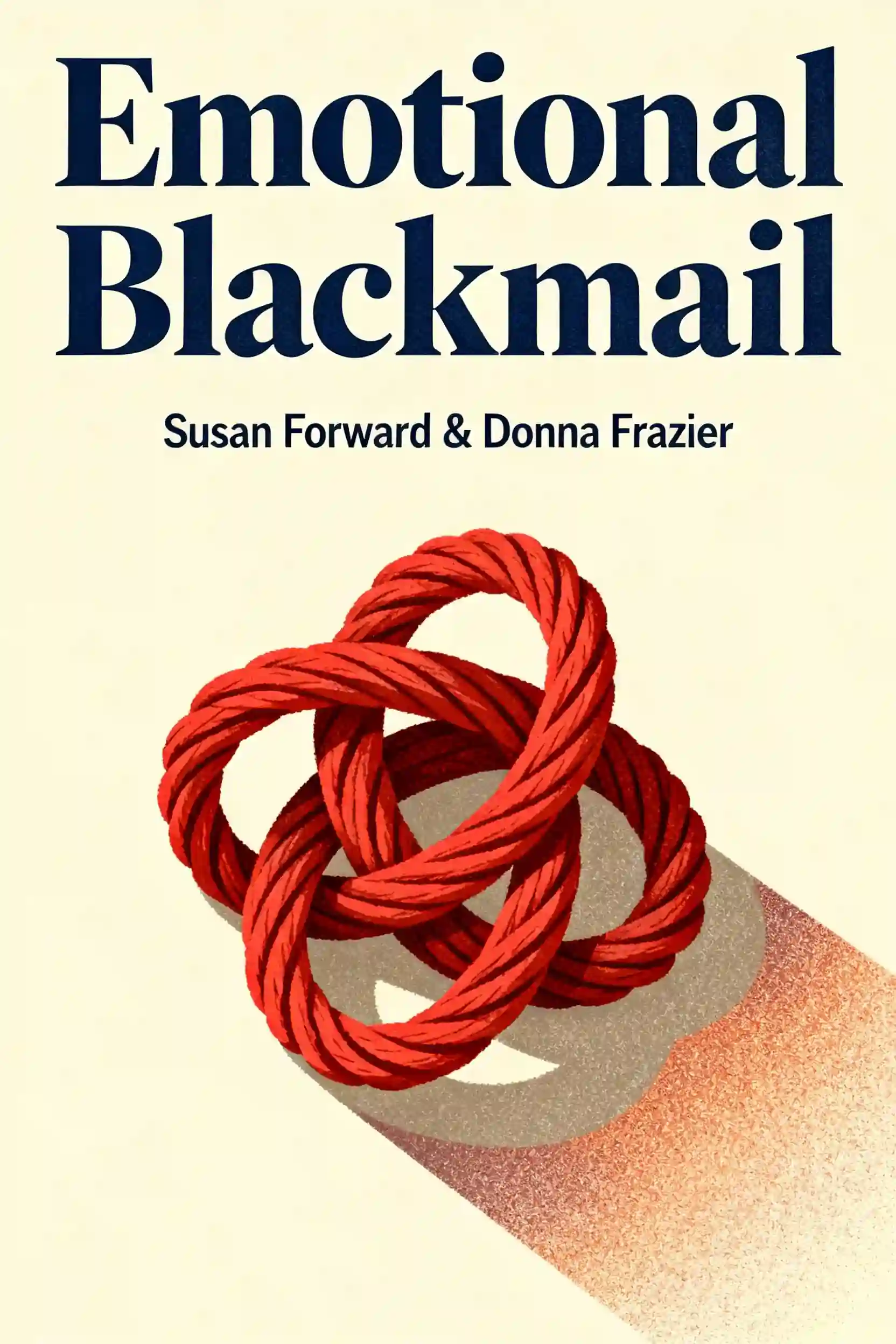
    Emotional Blackmail
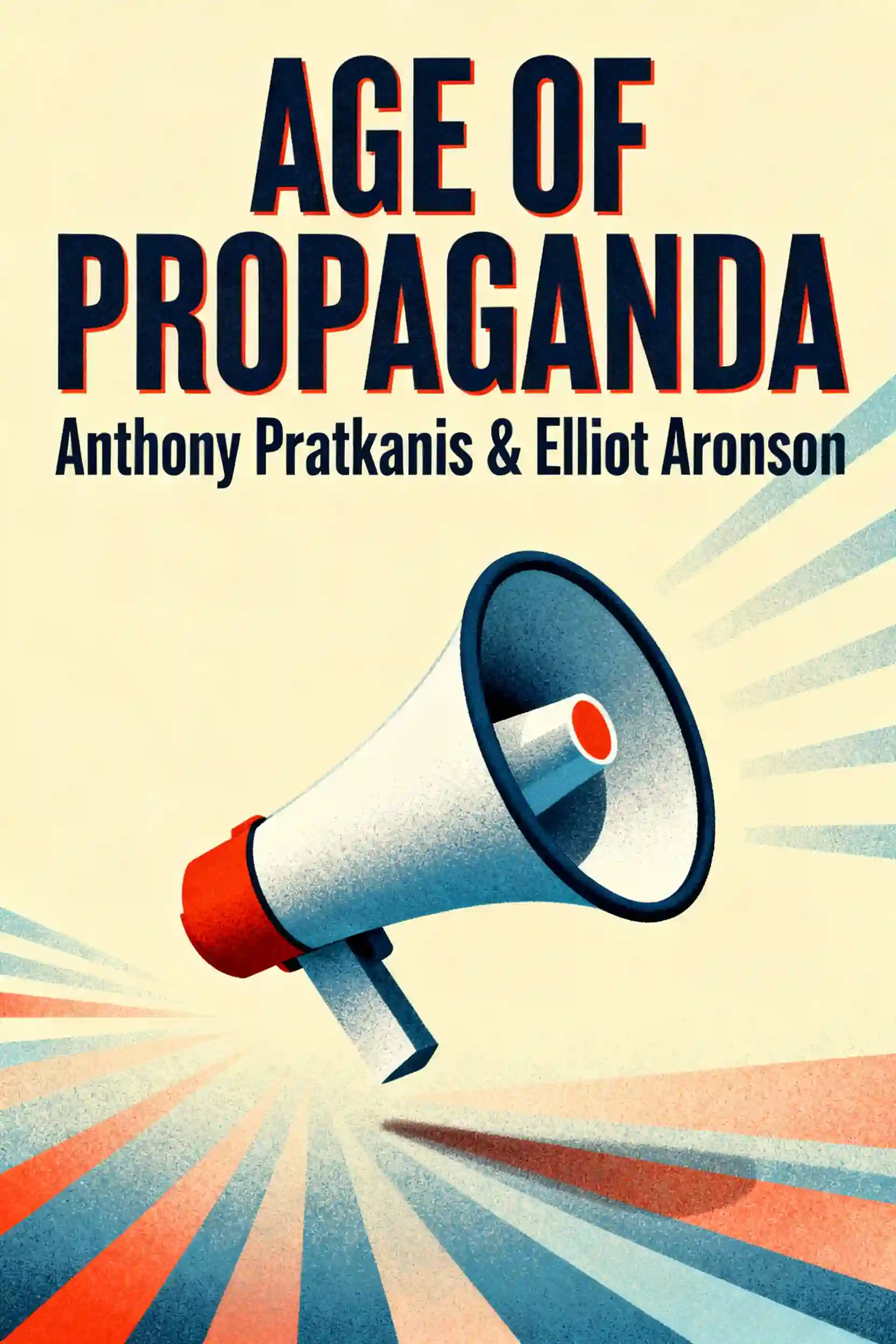
    Age of Propaganda
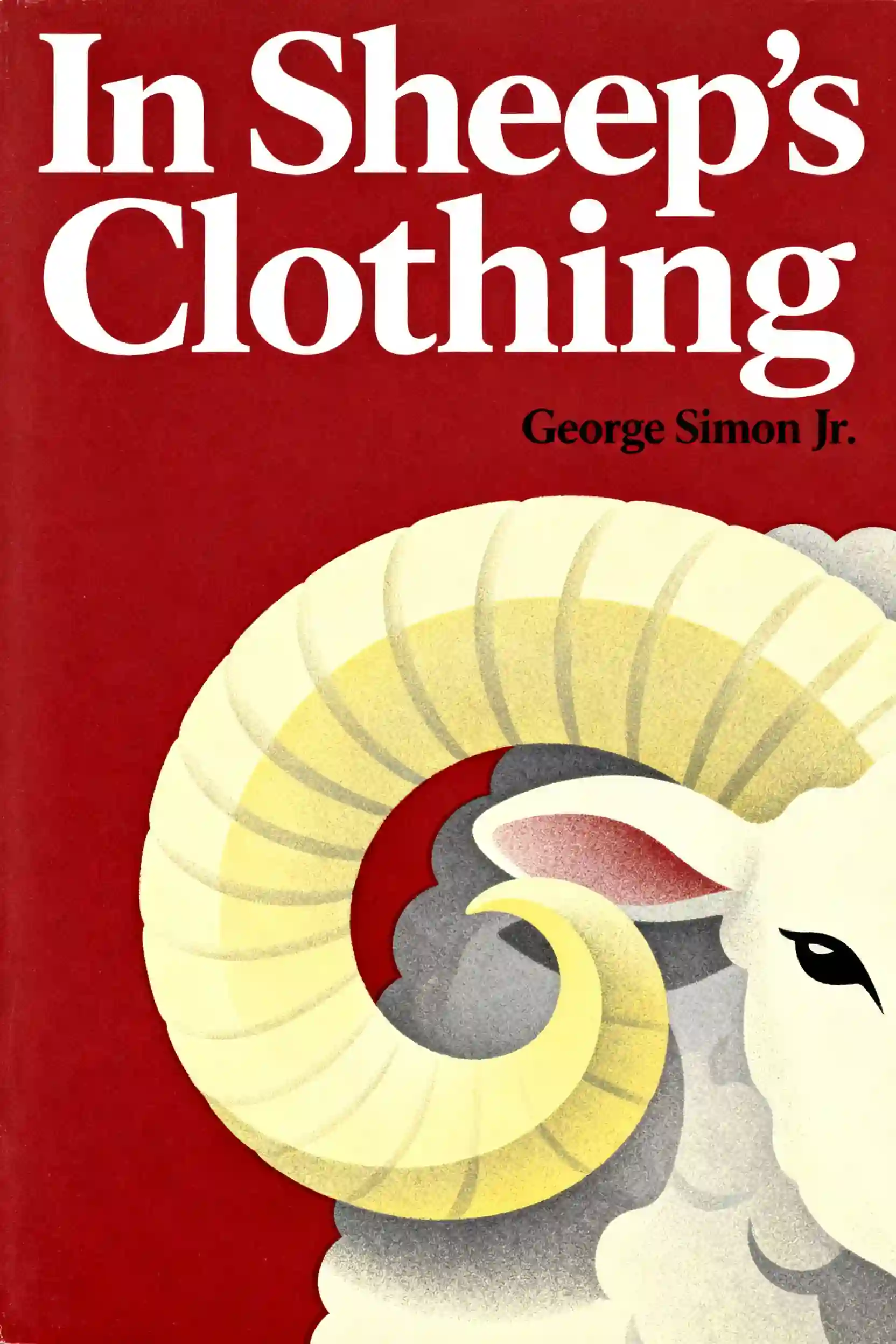
    In sheep's clothing
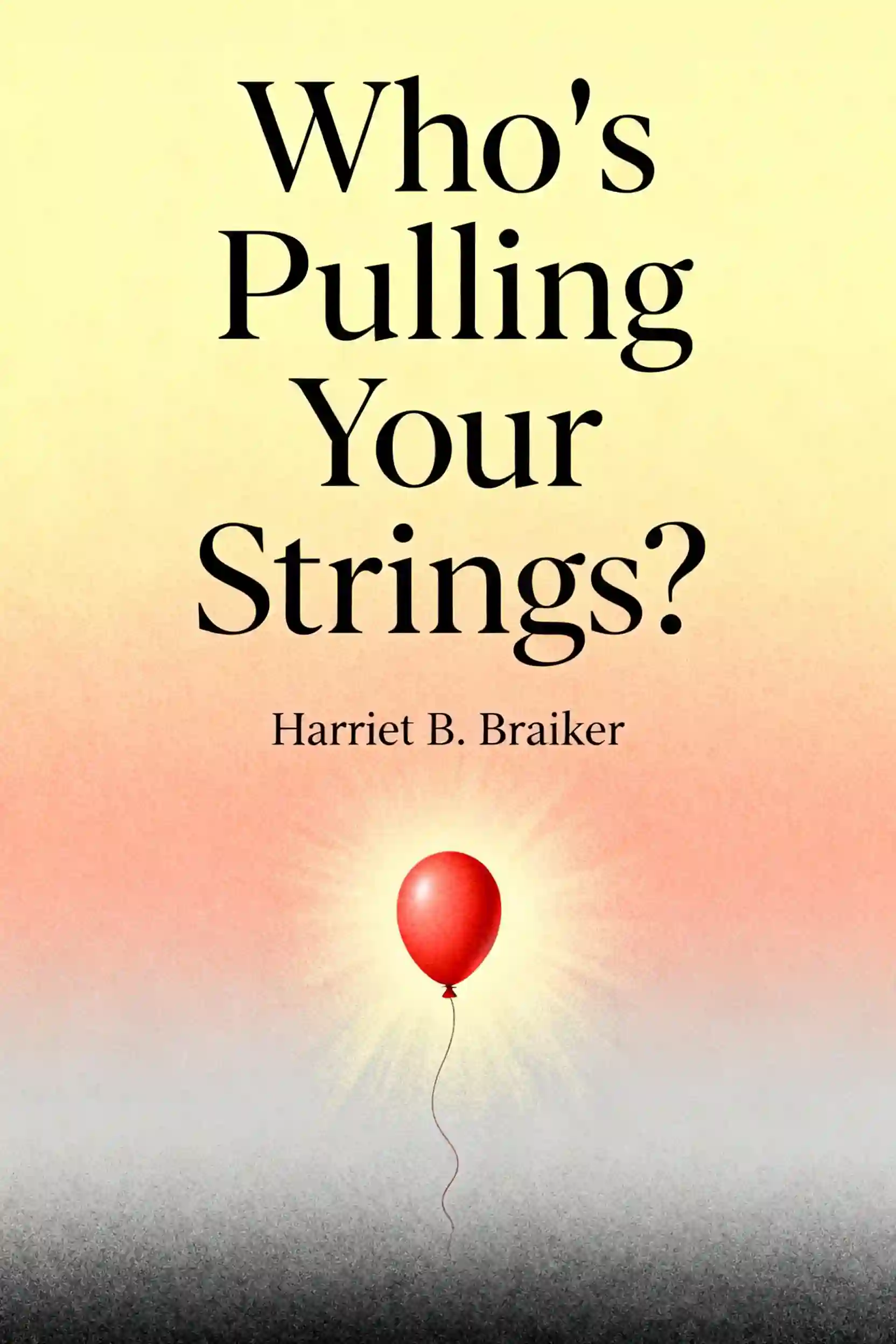
    Who's pulling your strings?
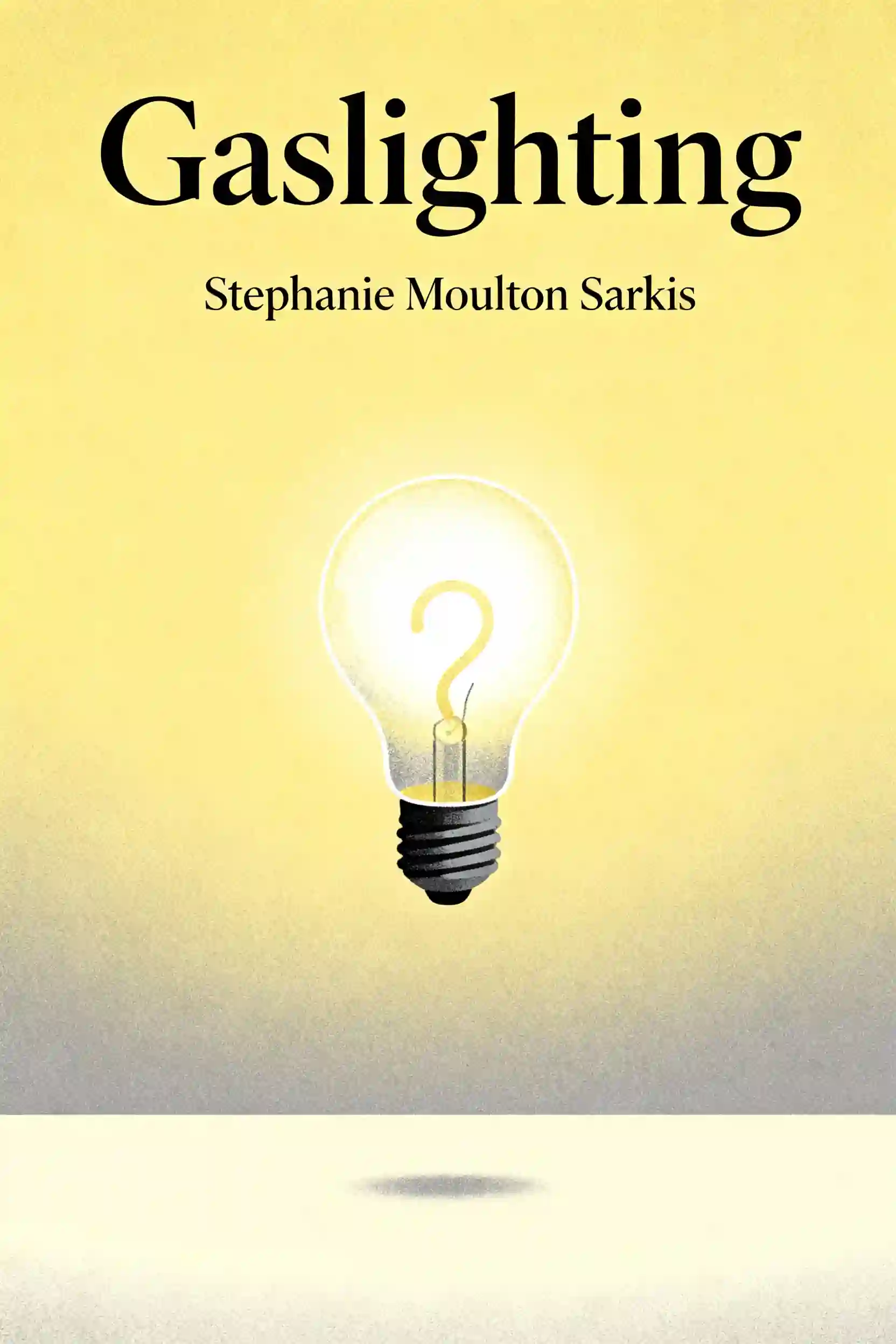
    Gaslighting

    由哥伦比亚大学校友创建 | 源自旧金山

    BeFreed 汇聚全球求知若渴的学习者

    4.7

    平均评分

    7,840+ 条 App 评分

    BeFreed 社区

    说真的,我还没把这个 app 完全摸透,但用了这几天已经被惊艳到了… BeFreed 和我用过的任何学习类 app 都不在一个层级。它让人特别投入,还能实实在在地提升专注力,对刷手机停不下来的人来说太合适了!

    @ladyInfinity

    我买 BeFreed 正好 23 天,从那以后每天都在用。它已经完全融入了我的日常工作流和学习习惯。

    @jayallen

    说实话,这个 app 超出了我所有的预期。我可以让它就任何主题生成音频,无论是什么,效果都很惊艳。我的专业领域是心理治疗方向,而且是多学科交叉的,但它给出的内容非常准确。

    @Raguipa

    我最感激的是它大大减少了我刷手机的时间——花在搜索上的时间少了,吸收信息的时间多了。完整有声书、播客加上学习计划的组合,真的很出色。

    @colonyofcreatorsNGO

    我做 PhotoReading 快速学习讲师已经 24 年了… 书籍、阅读和学习就是我的本行,而 BeFreed 用一种创新的方式,把知识变得特别容易吸收,做得非常出色。

    @BeFreed user

    它不只是一个书籍摘要 app。我用过「有趣」这个阅读模式,比传统方式的摘要好得多,理解观点也更容易,光这一点就值回票价。

    @austinakon

    我爱这个 app。用了几天,完全停不下来。作为开始,再好不过了。

    @jcrules328

    我真的很喜欢这个产品;已经试用了大概一个月,感觉挖到宝了。它特别好用,因为我可以用 BeFreed 创建自己想学的主题,声音也很棒,旁白选择多到用不完。

    @DanielCZ

    说真的,我还没把这个 app 完全摸透,但用了这几天已经被惊艳到了… BeFreed 和我用过的任何学习类 app 都不在一个层级。它让人特别投入,还能实实在在地提升专注力,对刷手机停不下来的人来说太合适了!

    @ladyInfinity

    我买 BeFreed 正好 23 天,从那以后每天都在用。它已经完全融入了我的日常工作流和学习习惯。

    @jayallen

    说实话,这个 app 超出了我所有的预期。我可以让它就任何主题生成音频,无论是什么,效果都很惊艳。我的专业领域是心理治疗方向,而且是多学科交叉的,但它给出的内容非常准确。

    @Raguipa

    我最感激的是它大大减少了我刷手机的时间——花在搜索上的时间少了,吸收信息的时间多了。完整有声书、播客加上学习计划的组合,真的很出色。

    @colonyofcreatorsNGO

    我做 PhotoReading 快速学习讲师已经 24 年了… 书籍、阅读和学习就是我的本行,而 BeFreed 用一种创新的方式,把知识变得特别容易吸收,做得非常出色。

    @BeFreed user

    它不只是一个书籍摘要 app。我用过「有趣」这个阅读模式,比传统方式的摘要好得多,理解观点也更容易,光这一点就值回票价。

    @austinakon

    我爱这个 app。用了几天,完全停不下来。作为开始,再好不过了。

    @jcrules328

    我真的很喜欢这个产品;已经试用了大概一个月,感觉挖到宝了。它特别好用,因为我可以用 BeFreed 创建自己想学的主题,声音也很棒,旁白选择多到用不完。

    @DanielCZ

    我特别喜欢它能把有用的信息和想法浓缩成 8-15 分钟的播客式音频。我本来不太爱听播客,因为废话太多,但它把这些全都去掉了。

    @BeFreed user

    我正在读博士的最后阶段,需要读大量不熟悉的材料… 用 BeFreed,只要输入一个提示,app 就会帮你找到源材料并生成一期音频播客。我觉得 BeFreed 的流程比 NotebookLM 更顺畅。

    @Brad

    我经常在做早餐、散步、通勤的时候上 YouTube 找点东西听,而 BeFreed 提供了更有针对性的选择,没有广告,也没有废话!

    @BeFreed user

    这个平台最棒的地方是它的多面性。真的没有任何主题是它讲不了的,你丢给它什么它都能处理… 很少能找到一个毫无限制、又真正兑现承诺的学习工具。

    @jayallen

    BeFreed 太棒了。界面好用,让我花在找功能上的时间更少,花在学习上的时间更多。有声书、播客和学习计划的组合是天才设计,彻底改变了我的日常。

    @BeFreed user

    一开始我花了点时间才弄明白怎么生成意大利语的播客,然后就——哇!太棒了!我可以让它讲解任何一个话题,它讲得又好又聪明!

    @matteo77

    BeFreed 已经成了我每天都用的有声书 app… 我最喜欢的是,把自己的文字放进去,它就能生成随时随地都能听的音频。

    @kotanzu1

    我特别喜欢它能把有用的信息和想法浓缩成 8-15 分钟的播客式音频。我本来不太爱听播客,因为废话太多,但它把这些全都去掉了。

    @BeFreed user

    我正在读博士的最后阶段,需要读大量不熟悉的材料… 用 BeFreed,只要输入一个提示,app 就会帮你找到源材料并生成一期音频播客。我觉得 BeFreed 的流程比 NotebookLM 更顺畅。

    @Brad

    我经常在做早餐、散步、通勤的时候上 YouTube 找点东西听,而 BeFreed 提供了更有针对性的选择,没有广告,也没有废话!

    @BeFreed user

    这个平台最棒的地方是它的多面性。真的没有任何主题是它讲不了的,你丢给它什么它都能处理… 很少能找到一个毫无限制、又真正兑现承诺的学习工具。

    @jayallen

    BeFreed 太棒了。界面好用,让我花在找功能上的时间更少,花在学习上的时间更多。有声书、播客和学习计划的组合是天才设计,彻底改变了我的日常。

    @BeFreed user

    一开始我花了点时间才弄明白怎么生成意大利语的播客,然后就——哇!太棒了!我可以让它讲解任何一个话题,它讲得又好又聪明!

    @matteo77

    BeFreed 已经成了我每天都用的有声书 app… 我最喜欢的是,把自己的文字放进去,它就能生成随时随地都能听的音频。

    @kotanzu1

    查看更多网络上关于 BeFreed 的讨论
    129.7K19.5K
    55.2K19.2K
    154.2K10827355
    48.1K2.5K
    81.2K6.6K
    82.3K1.8K
    开启你的学习之旅,就是现在
    BeFreed 应用
    BeFreed

    个性化学习,无所不能

    DiscordLinkedIn
    精选书籍摘要
    Crucial ConversationsThe Perfect MarriageInto the WildNever Split the DifferenceAttachedGood to GreatSay Nothing
    热门分类
    Self HelpCommunication SkillRelationshipMindfulnessPhilosophyInspirationProductivity
    名人书单
    Elon MuskCharlie KirkBill GatesSteve JobsAndrew HubermanJoe RoganJordan Peterson
    获奖作品
    Pulitzer PrizeNational Book AwardGoodreads Choice AwardsNobel Prize in LiteratureNew York TimesCaldecott MedalNebula Award
    精选主题
    ManagementAmerican HistoryWarTradingStoicismAnxietySex
    年度最佳书籍
    2025 Best Non Fiction Books2024 Best Non Fiction Books2023 Best Non Fiction Books
    精选作者
    Chimamanda Ngozi AdichieGeorge OrwellO. J. SimpsonBarbara O'NeillWinston ChurchillCharlie Kirk
    BeFreed 与其他应用对比
    BeFreed vs. Other Book Summary AppsBeFreed vs. ElevenReaderBeFreed vs. ReadwiseBeFreed vs. Anki
    学习工具
    Knowledge VisualizerAI Podcast Generator
    更多信息
    关于我们arrow
    定价arrow
    常见问题arrow
    博客arrow
    招聘arrow
    合作伙伴arrow
    大使计划arrow
    目录arrow
    BeFreed
    Try now
    © 2026 BeFreed
    使用条款隐私政策
    BeFreed

    个性化学习,无所不能

    DiscordLinkedIn
    精选书籍摘要
    Crucial ConversationsThe Perfect MarriageInto the WildNever Split the DifferenceAttachedGood to GreatSay Nothing
    热门分类
    Self HelpCommunication SkillRelationshipMindfulnessPhilosophyInspirationProductivity
    名人书单
    Elon MuskCharlie KirkBill GatesSteve JobsAndrew HubermanJoe RoganJordan Peterson
    获奖作品
    Pulitzer PrizeNational Book AwardGoodreads Choice AwardsNobel Prize in LiteratureNew York TimesCaldecott MedalNebula Award
    精选主题
    ManagementAmerican HistoryWarTradingStoicismAnxietySex
    年度最佳书籍
    2025 Best Non Fiction Books2024 Best Non Fiction Books2023 Best Non Fiction Books
    学习工具
    Knowledge VisualizerAI Podcast Generator
    精选作者
    Chimamanda Ngozi AdichieGeorge OrwellO. J. SimpsonBarbara O'NeillWinston ChurchillCharlie Kirk
    BeFreed 与其他应用对比
    BeFreed vs. Other Book Summary AppsBeFreed vs. ElevenReaderBeFreed vs. ReadwiseBeFreed vs. Anki
    更多信息
    关于我们arrow
    定价arrow
    常见问题arrow
    博客arrow
    招聘arrow
    合作伙伴arrow
    大使计划arrow
    目录arrow
    BeFreed
    Try now
    © 2026 BeFreed
    使用条款隐私政策

    相似内容

    Unmasking Manipulation's Control 书籍封面
    FlipnosisThe Art of SeductionThe Invisible Battlefield: Dark Psychology and Mind Control TacticsAge of Propaganda
    17 sources
    Unmasking Manipulation's Control
    Explore how manipulation tactics work and how to defend against them, from gaslighting to love bombing. Learn to recognize when someone is trying to control your thoughts and actions.
    46 min
    Psychological manipulation and how to protect yourself 书籍封面
    How to Analyze PeopleIn sheep's clothingThe Invisible BattlefieldAge of Propaganda
    24 sources
    Psychological manipulation and how to protect yourself
    Struggling with people who use guilt or charm to control you? Learn to spot manipulation tactics and stay calm to reclaim your emotional boundaries.
    34 min
    Dark Psychology: Manipulation in Plain Sight 书籍封面
    Age of PropagandaThe Art of SeductionFlipnosisInfluence is Your Superpower
    22 sources
    Dark Psychology: Manipulation in Plain Sight
    Discover how manipulation tactics like gaslighting and love bombing appear in everyday relationships, workplaces, and media—and learn practical strategies to recognize and defend against these psychological techniques.
    42 min
    The Mechanics of Manipulation 书籍封面
    Manipulation (psychology)Signs of Manipulation - Mental HealthPsychological inoculation improves resilience against misinformation on social media - PMCHow to Turn Off Manipulation | Psychology Today
    8 sources
    The Mechanics of Manipulation
    Ever feel pressured to agree against your gut? Learn to spot underhanded tactics in real-time and use practical frameworks to protect your autonomy.
    781 min
    The Invisible Cage: Spotting Social Manipulation 书籍封面
    Toolkit for Identifying & Countering Manipulation | CounterToolkit For Helping Your Loved OnesHow to Help a Friend in a Toxic Relationship, According to Therapists | SELFToolkit for Identifying & Countering Manipulation | Counter
    6 sources
    The Invisible Cage: Spotting Social Manipulation
    When a friend is being manipulated, pulling too hard can push them away. Learn the mechanics of control and how to plant seeds of doubt safely.
    869 min
    Dark Psychology: The Mechanics of Manipulation 书籍封面
    Dark Psychology: Definition, Techniques, and More - Psych CentralDark Psychology: Manipulation Tactics to Recognize and Neutralize | When Notes FlyDark Psychology: 11 Traits & Manipulation TacticsDark Psychology Definition in Psychology
    5 sources
    Dark Psychology: The Mechanics of Manipulation
    Kindness and responsibility are often used against us. Learn to spot the Dark Triad and gaslighting tactics to build a stronger defensive playbook.
    20 min
    Dark Psychology and the Art of Manipulation 书籍封面
    [134846a6-f1d4-46e0-b99f-61654bb055d2:c0000] Dark Psychology: The Art Of Manipulation (Full Audiobook) p1-1[134846a6-f1d4-46e0-b99f-61654bb055d2:c0001] Dark Psychology: The Art Of Manipulation (Full Audiobook) p1-1[134846a6-f1d4-46e0-b99f-61654bb055d2:c0002] Dark Psychology: The Art Of Manipulation (Full Audiobook) p1-1[134846a6-f1d4-46e0-b99f-61654bb055d2:c0003] Dark Psychology: The Art Of Manipulation (Full Audiobook) p1-1
    18 sources
    Dark Psychology and the Art of Manipulation
    Manipulation often feels like your own choice. Learn how to recognize emotional hijacking and build a mental fortress to reclaim your autonomy.
    961 min
    Recognizing Dark Psychology Tactics 书籍封面
    The Dictionary of Body LanguageSpy the LieThe Art of Always Being RightWhat Every BODY is Saying
    21 sources
    Recognizing Dark Psychology Tactics
    Explore the manipulative techniques of the dark triad and develop defenses against psychological warfare. This episode focuses on identifying manipulation rather than employing it, helping you protect yourself in challenging interactions.
    34 min

    Recommended Learning Plans

    Spot and Stop Master Manipulators
    学习计划

    Spot and Stop Master Manipulators

    In an era of complex social dynamics, understanding the mechanics of exploitation is a vital survival skill. This plan is designed for anyone seeking to protect their mental well-being and reclaim control from toxic influences in professional or personal settings.

    1 h 24 m•3 章节
    Mental Self-Defense and Manipulation Detection
    学习计划

    Mental Self-Defense and Manipulation Detection

    In an era of increasing psychological influence, protecting your mental autonomy is essential for personal and professional safety. This guide is designed for professionals and digital citizens who want to sharpen their intuition and build robust defenses against predatory behavior.

    1 h 36 m•4 章节
    Defeating Dark Psychology and Manipulation
    学习计划

    Defeating Dark Psychology and Manipulation

    In an era of complex social dynamics, understanding the mechanics of covert influence is essential for maintaining mental sovereignty. This plan is ideal for individuals seeking to safeguard their emotional well-being and professionals navigating high-stakes interpersonal environments.

    1 h 30 m•3 章节
    Dark psychology
    学习计划

    Dark psychology

    In an era of complex social dynamics, understanding the mechanics of manipulation is essential for self-protection. This plan is ideal for anyone looking to identify toxic behaviors and build strong psychological defenses against predatory personalities.

    5 h 59 m•4 章节
    The Counter-Manipulation Strategist
    学习计划

    The Counter-Manipulation Strategist

    In an era of subtle influence, understanding the mechanics of psychological control is essential for maintaining personal autonomy. This plan is designed for professionals and individuals seeking to safeguard their mental space against predatory behavior and emotional tactics.

    1 h 45 m•3 章节
    The Mechanics of Influence and Defense
    学习计划

    The Mechanics of Influence and Defense

    In an era of constant social engineering, understanding the psychological drivers of manipulation is essential for personal safety and professional integrity. This plan is ideal for individuals looking to sharpen their social intuition and build resilient boundaries against covert influence.

    1 h 30 m•3 章节
    Revenging a manipulator
    学习计划

    Revenging a manipulator

    This plan is essential for anyone seeking to break free from toxic cycles and reclaim their autonomy. It provides a strategic roadmap for victims of manipulation to transform into empowered survivors through psychological mastery and boundary setting.

    5 h 14 m•4 章节
    Learn dark physcology tricks
    学习计划

    Learn dark physcology tricks

    This plan is essential for professionals and individuals seeking to safeguard themselves against predatory behavior while mastering advanced persuasion. It benefits anyone looking to improve their social intelligence and recognize manipulation in high-stakes environments.

    5 h 38 m•4 章节