





说真的,我还没把这个 app 完全摸透,但用了这几天已经被惊艳到了… BeFreed 和我用过的任何学习类 app 都不在一个层级。它让人特别投入,还能实实在在地提升专注力,对刷手机停不下来的人来说太合适了!
@ladyInfinity
Discover how breakups and OCD create vicious mental cycles, and learn science-backed strategies to rewire your brain's response patterns. From understanding why your mind turns grief into obsessive loops to practical ERP techniques for healing.

OCD is constantly looking for problems to solve, but the certainty it demands simply doesn't exist. Your brain becomes this relentless prosecutor, asking 'Did you do enough? Could you have prevented this?'
How to deal with breakups and OCD

由哥伦比亚大学校友创建 | 源自旧金山
平均评分
7,840+ 条 App 评分
BeFreed 社区
说真的,我还没把这个 app 完全摸透,但用了这几天已经被惊艳到了… BeFreed 和我用过的任何学习类 app 都不在一个层级。它让人特别投入,还能实实在在地提升专注力,对刷手机停不下来的人来说太合适了!
@ladyInfinity
我买 BeFreed 正好 23 天,从那以后每天都在用。它已经完全融入了我的日常工作流和学习习惯。
@jayallen
说实话,这个 app 超出了我所有的预期。我可以让它就任何主题生成音频,无论是什么,效果都很惊艳。我的专业领域是心理治疗方向,而且是多学科交叉的,但它给出的内容非常准确。
@Raguipa
我最感激的是它大大减少了我刷手机的时间——花在搜索上的时间少了,吸收信息的时间多了。完整有声书、播客加上学习计划的组合,真的很出色。
@colonyofcreatorsNGO
我做 PhotoReading 快速学习讲师已经 24 年了… 书籍、阅读和学习就是我的本行,而 BeFreed 用一种创新的方式,把知识变得特别容易吸收,做得非常出色。
@BeFreed user
它不只是一个书籍摘要 app。我用过「有趣」这个阅读模式,比传统方式的摘要好得多,理解观点也更容易,光这一点就值回票价。
@austinakon
我爱这个 app。用了几天,完全停不下来。作为开始,再好不过了。
@jcrules328
我真的很喜欢这个产品;已经试用了大概一个月,感觉挖到宝了。它特别好用,因为我可以用 BeFreed 创建自己想学的主题,声音也很棒,旁白选择多到用不完。
@DanielCZ
我特别喜欢它能把有用的信息和想法浓缩成 8-15 分钟的播客式音频。我本来不太爱听播客,因为废话太多,但它把这些全都去掉了。
@BeFreed user
我正在读博士的最后阶段,需要读大量不熟悉的材料… 用 BeFreed,只要输入一个提示,app 就会帮你找到源材料并生成一期音频播客。我觉得 BeFreed 的流程比 NotebookLM 更顺畅。
@Brad
我经常在做早餐、散步、通勤的时候上 YouTube 找点东西听,而 BeFreed 提供了更有针对性的选择,没有广告,也没有废话!
@BeFreed user
这个平台最棒的地方是它的多面性。真的没有任何主题是它讲不了的,你丢给它什么它都能处理… 很少能找到一个毫无限制、又真正兑现承诺的学习工具。
@jayallen
BeFreed 太棒了。界面好用,让我花在找功能上的时间更少,花在学习上的时间更多。有声书、播客和学习计划的组合是天才设计,彻底改变了我的日常。
@BeFreed user
一开始我花了点时间才弄明白怎么生成意大利语的播客,然后就——哇!太棒了!我可以让它讲解任何一个话题,它讲得又好又聪明!
@matteo77
BeFreed 已经成了我每天都用的有声书 app… 我最喜欢的是,把自己的文字放进去,它就能生成随时随地都能听的音频。
@kotanzu1




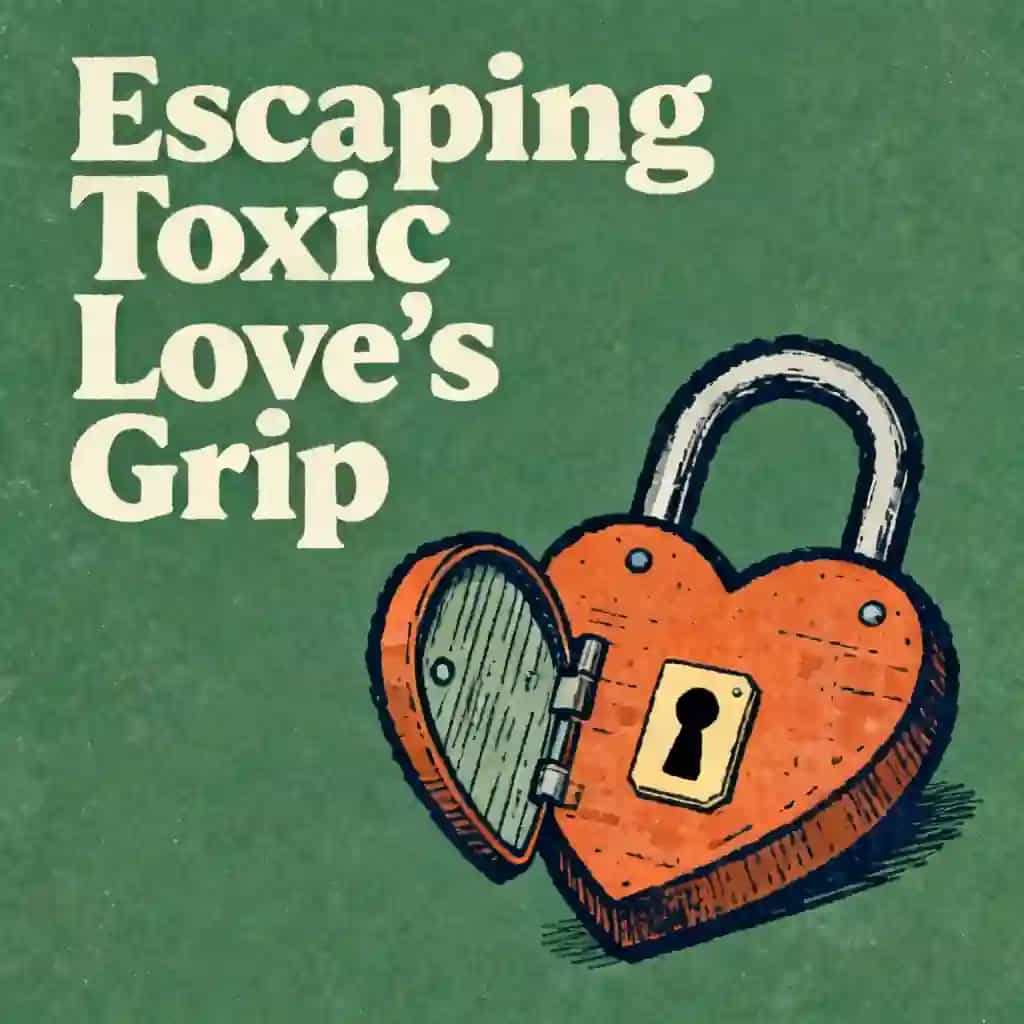
Breakups can leave your nervous system in a state of shock and your mind trapped in endless loops. This plan is designed for anyone struggling to move past a split, offering a structured path from immediate emotional stabilization to long-term identity reconstruction.

This plan is designed for individuals who feel trapped in cycles of obsessive longing or emotionally draining relationships. It provides a science-backed roadmap to healing attachment wounds and reclaiming emotional autonomy from codependent patterns.

This plan is essential for anyone trapped in a cycle of post-breakup rumination and emotional distress. It provides a structured, systems-based approach to recovery for individuals seeking to reclaim their mental clarity and rebuild their lives after a significant loss.

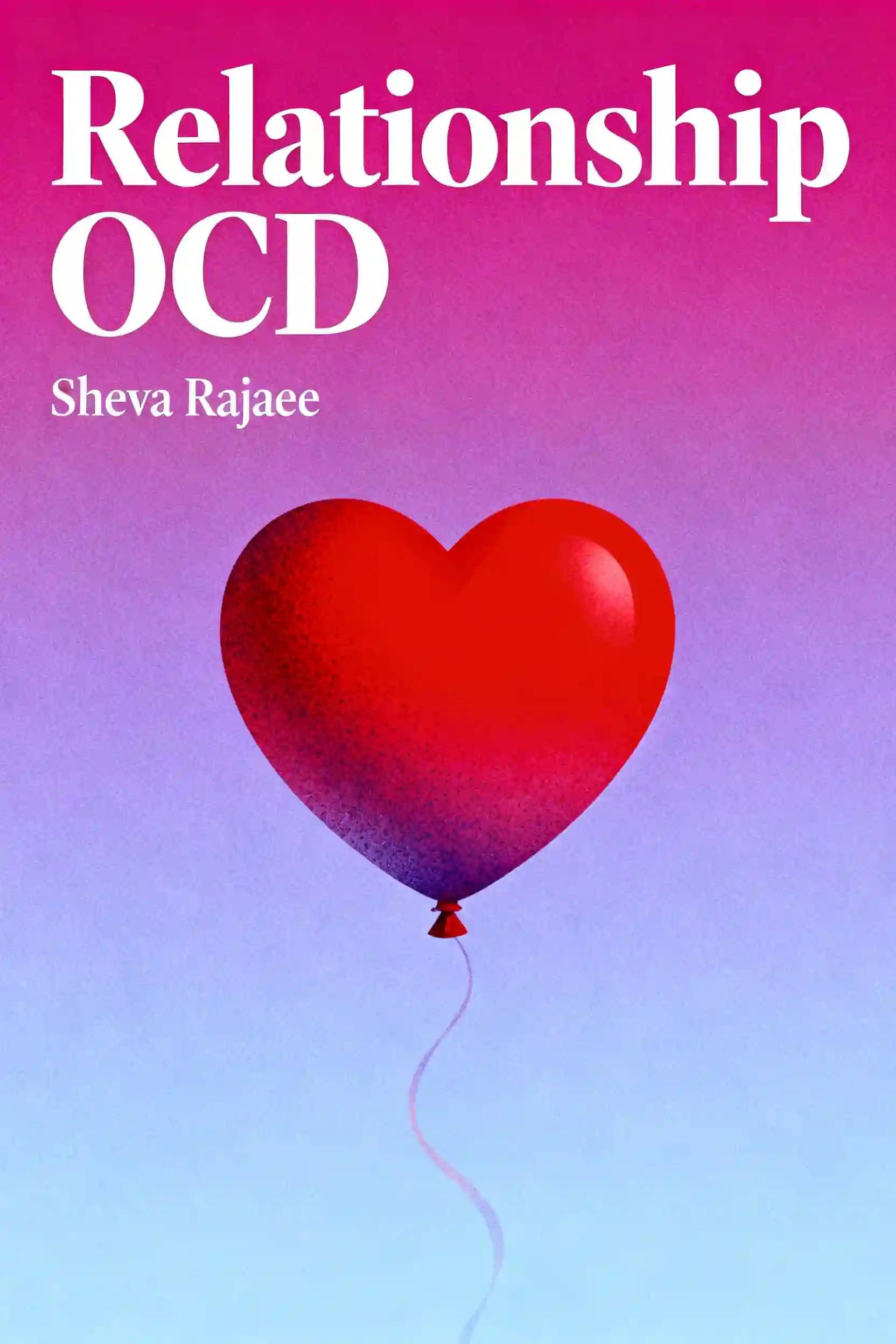
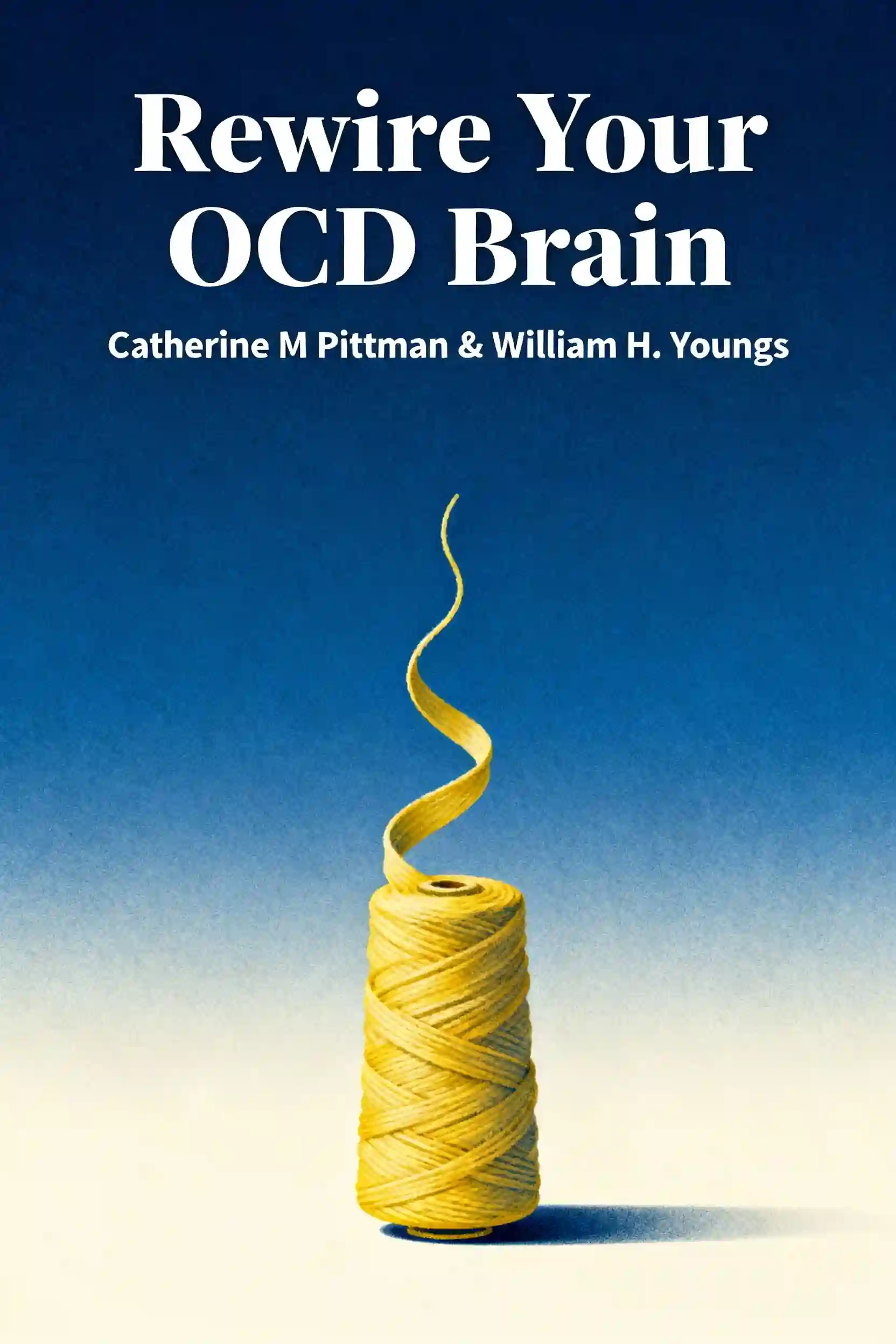
This learning plan is designed for individuals who struggle with anxiety, OCD, or insecure attachment patterns that interfere with romantic relationships and personal happiness. It combines clinical psychology, attachment theory, and mindfulness practices to address both individual mental health and relationship dynamics. Whether you're experiencing relationship difficulties, managing intrusive thoughts, or seeking to break cycles from past relationships, this integrated approach provides tools for both personal healing and building secure, fulfilling partnerships.
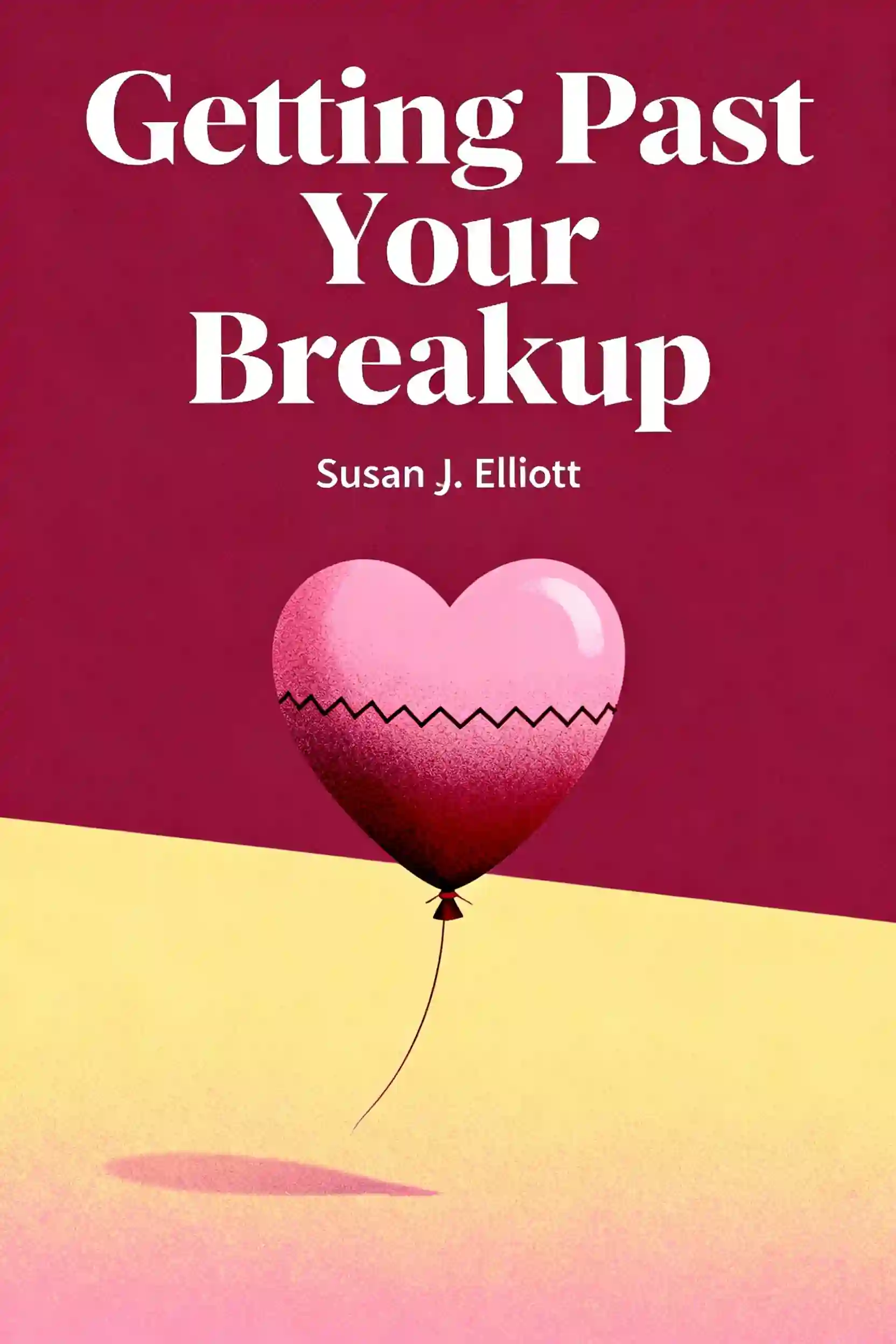
Breakups are among life's most painful experiences, triggering real neurological responses similar to physical pain and withdrawal. This learning plan provides a evidence-based, compassionate roadmap for anyone navigating the aftermath of a relationship ending, whether you're struggling with acute heartbreak or ready to build healthier patterns for the future. It's designed for those who want to heal thoroughly rather than simply move on, transforming loss into an opportunity for profound personal growth.

This plan is essential for anyone trapped in the repetitive cycle of post-breakup rumination and emotional distress. It provides a structured bridge from acute crisis management to long-term psychological resilience for those seeking to regain control of their mental space.

This plan is essential for individuals feeling stuck in reactive relationship patterns or struggling with emotional volatility. It is designed for anyone seeking to transition from defensive survival strategies to a grounded, self-regulated state of secure connection.

This plan is essential for anyone who feels stuck in a loop of chasing emotionally distant partners and mistaking instability for passion. It provides a roadmap for healing childhood wounds and shifting from anxious attachment toward secure, fulfilling relationships.