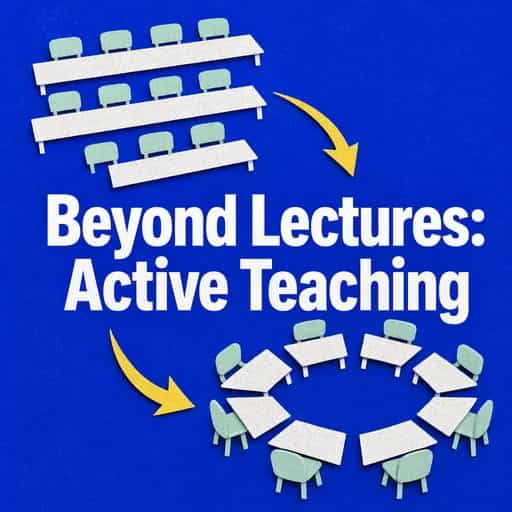
Beyond Bloom's: Revolutionary Learning Taxonomies Explained
Discover how Marzano's, SOLO, and other learning frameworks challenge Bloom's dominance, offering educators powerful new lenses for designing transformative courses and assessments.

Beyond Bloom's: Revolutionary Learning Taxonomies Explained最佳语录
Marzano argues that if your self-system decides a task isn't worth engaging with, the whole learning process stops right there. You never even get to the cognitive processing.

此音频课程由 BeFreed 社区成员创建
Learning theories and frameworks like Bloom and Marzono and others

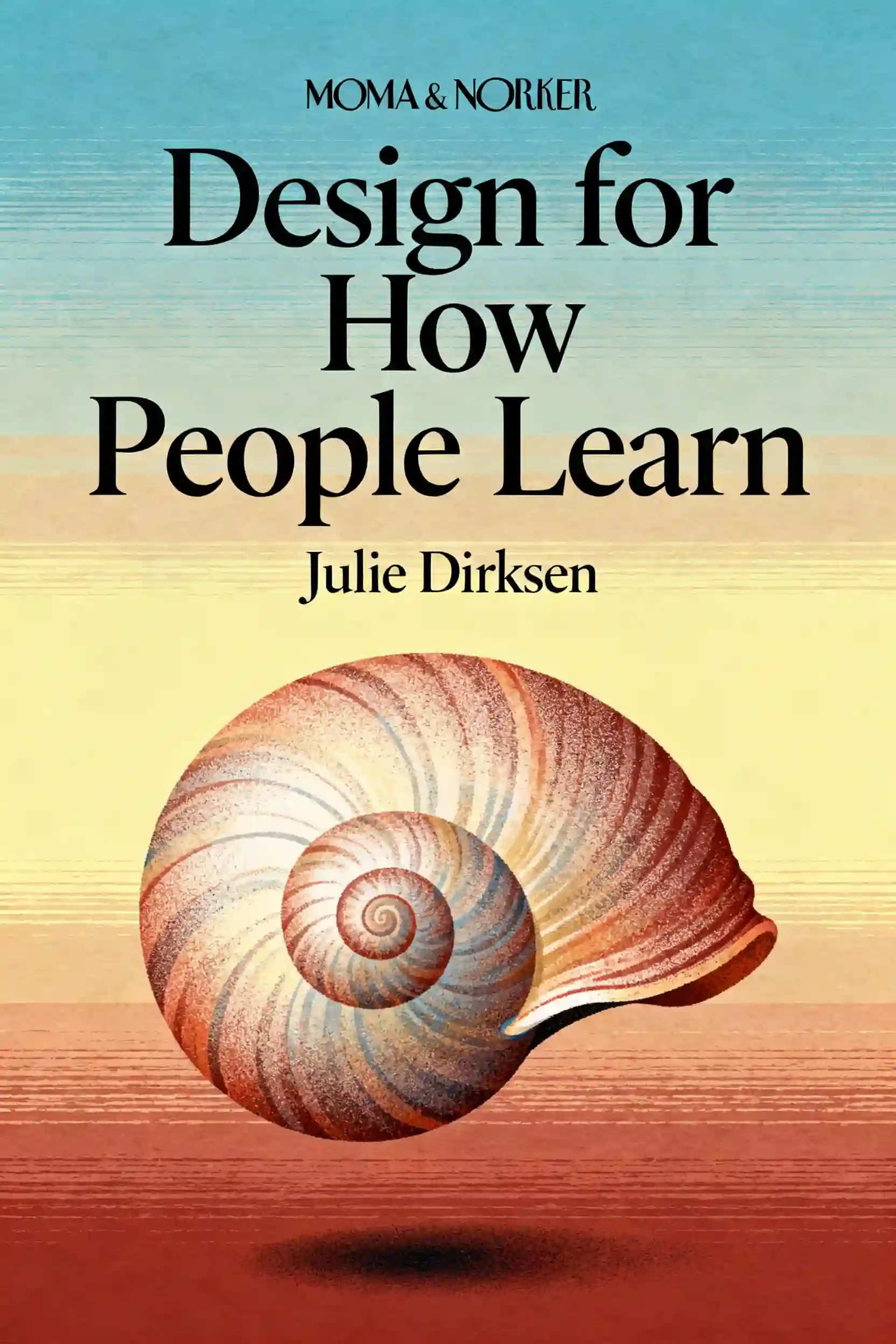
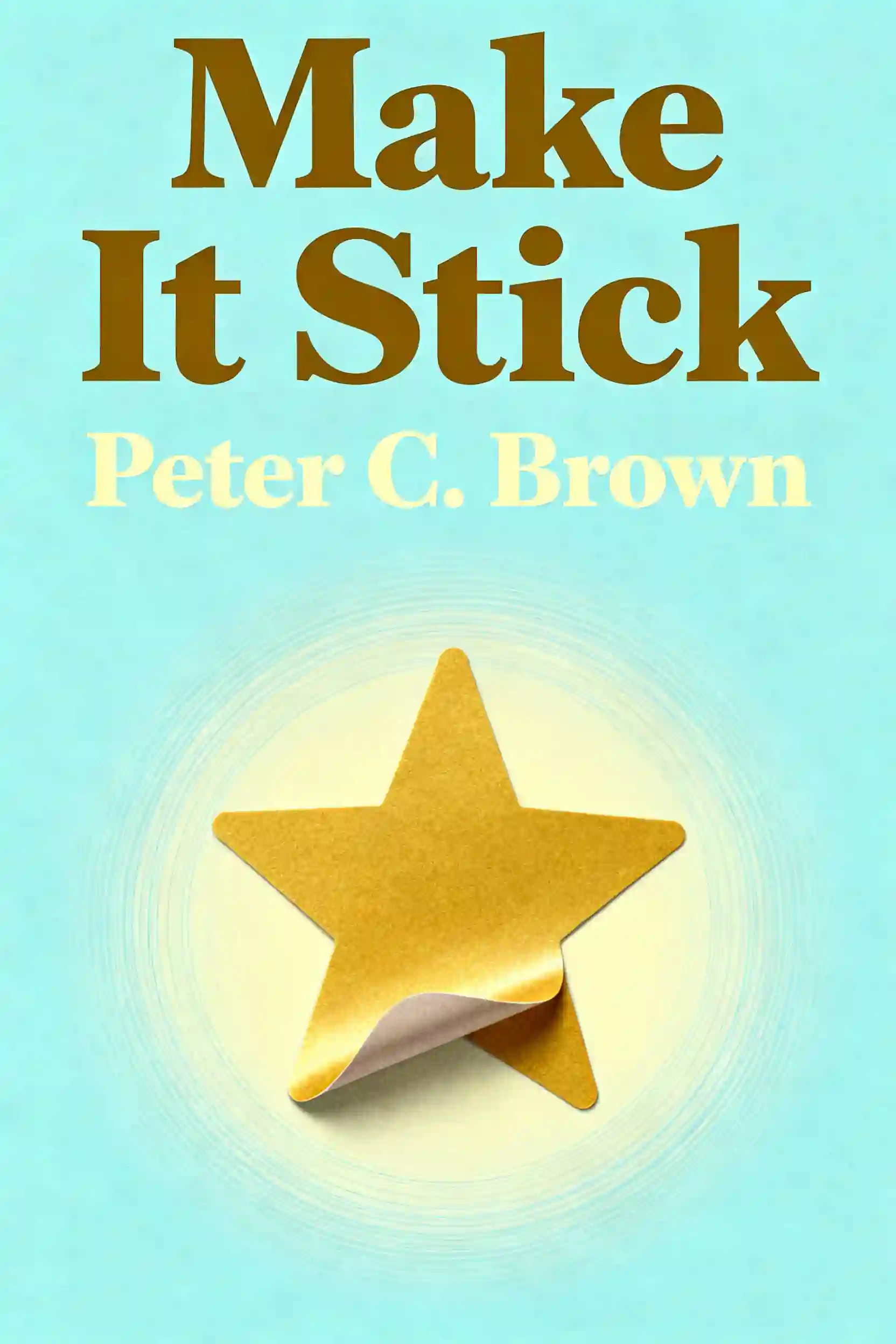
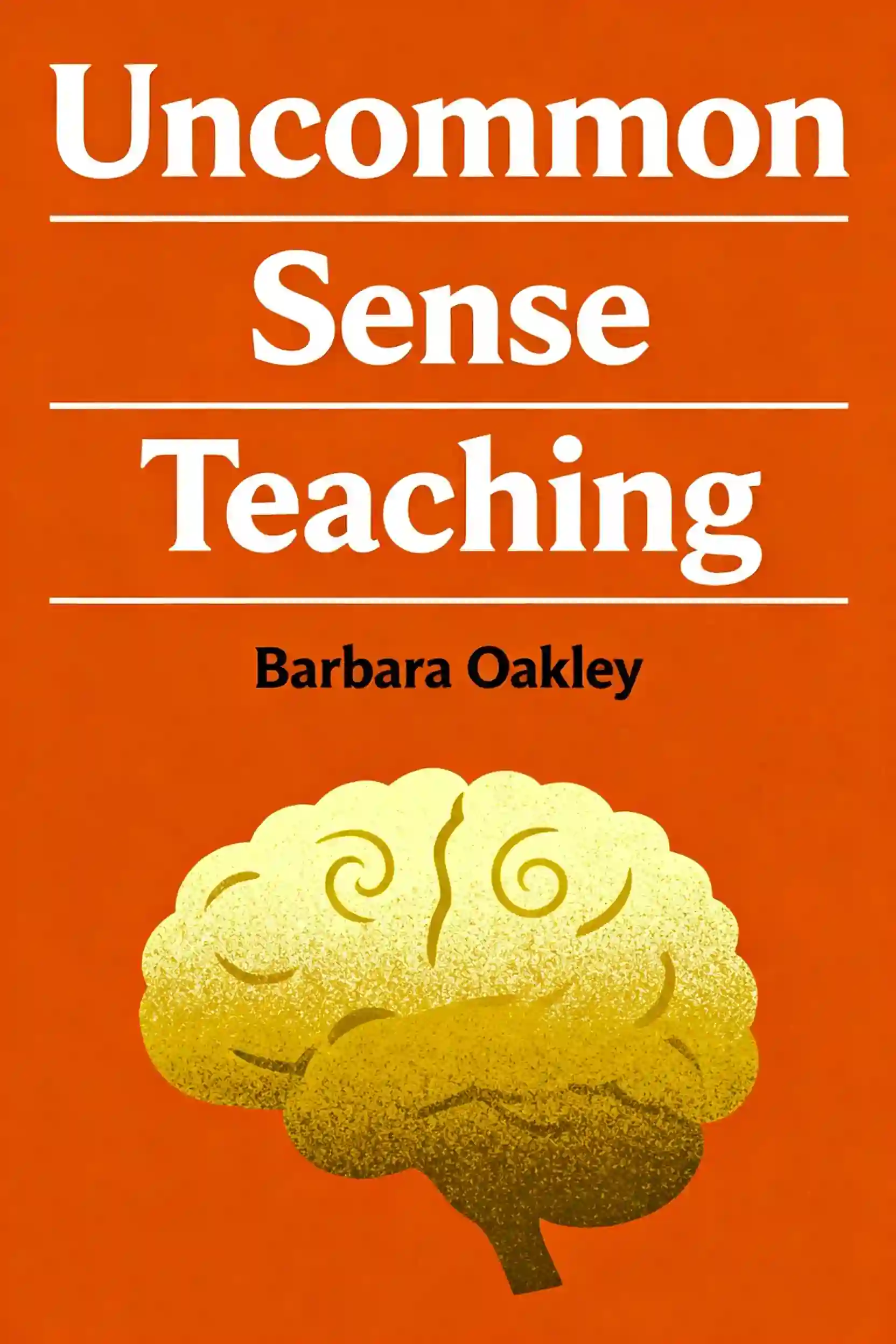
发现更多

Sustainable Learning Systems
In an era of rapid technological change, the ability to learn how to learn is the ultimate competitive advantage. This plan is designed for professionals, educators, and lifelong learners who want to transform fleeting information into a scalable, AI-enhanced system for continuous mastery.

Education
This learning plan bridges the gap between theoretical psychology and modern classroom innovation. It is essential for aspiring educators, school leaders, and instructional designers looking to master both traditional pedagogy and the future of AI-driven learning.

The Architecture of the Beyond
This learning plan is essential for anyone seeking to navigate the profound questions of existence and finitude. It is particularly beneficial for individuals undergoing life transitions or those interested in the intersection of philosophy, psychology, and personal growth.

The Polymath Performance Stack
In an era of hyper-specialization, the ability to bridge diverse disciplines is a competitive necessity. This plan is designed for lifelong learners and creatives who want to master rapid information absorption and original idea synthesis.

The Black Tax Survival Framework
This framework is essential for professionals navigating the unique pressure of supporting extended family while trying to build personal wealth. It provides a compassionate yet structured approach to balancing cultural expectations with sustainable financial health.

Build a Massive Mental Library
This plan is designed for lifelong learners and aspiring polymaths who want to move beyond surface-level facts. It bridges the gap between historical context, scientific curiosity, and social intelligence to help you build a more sophisticated understanding of the world.

The Blueprint of Systemic Exploitation
This learning plan is essential for professionals in social justice, psychology, and policy who need to understand the structural roots of human exploitation. It provides a deep dive into how economic and psychological systems intersect to maintain power over vulnerable populations.

The Sociological Lens
This plan provides a foundational framework for understanding the invisible forces that shape our lives. It is ideal for curious minds, students, or professionals looking to deepen their empathy and analytical skills regarding social identity and systemic structures.
"Instead of endless scrolling, I just hit play on BeFreed. It saves me so much time."


"I never knew where to start with nonfiction—BeFreed’s book lists turned into podcasts gave me a clear path."


"Perfect balance between learning and entertainment. Finished ‘Thinking, Fast and Slow’ on my commute this week."
"Crazy how much I learned while walking the dog. BeFreed = small habits → big gains."
"Reading used to feel like a chore. Now it’s just part of my lifestyle."

"Feels effortless compared to reading. I’ve finished 6 books this month already."
"BeFreed turned my guilty doomscrolling into something that feels productive and inspiring."

"BeFreed turned my commute into learning time. 20-min podcasts are perfect for finishing books I never had time for."
"BeFreed replaced my podcast queue. Imagine Spotify for books — that’s it. 🙌"

"It is great for me to learn something from the book without reading it."
"The themed book list podcasts help me connect ideas across authors—like a guided audio journey."
"Makes me feel smarter every time before going to work"
"Instead of endless scrolling, I just hit play on BeFreed. It saves me so much time."
"I never knew where to start with nonfiction—BeFreed’s book lists turned into podcasts gave me a clear path."
"Perfect balance between learning and entertainment. Finished ‘Thinking, Fast and Slow’ on my commute this week."
"Crazy how much I learned while walking the dog. BeFreed = small habits → big gains."
"Reading used to feel like a chore. Now it’s just part of my lifestyle."
"Feels effortless compared to reading. I’ve finished 6 books this month already."
"BeFreed turned my guilty doomscrolling into something that feels productive and inspiring."
"BeFreed turned my commute into learning time. 20-min podcasts are perfect for finishing books I never had time for."
"BeFreed replaced my podcast queue. Imagine Spotify for books — that’s it. 🙌"
"It is great for me to learn something from the book without reading it."
"The themed book list podcasts help me connect ideas across authors—like a guided audio journey."
"Makes me feel smarter every time before going to work"
"Instead of endless scrolling, I just hit play on BeFreed. It saves me so much time."
"I never knew where to start with nonfiction—BeFreed’s book lists turned into podcasts gave me a clear path."
"Perfect balance between learning and entertainment. Finished ‘Thinking, Fast and Slow’ on my commute this week."
"Crazy how much I learned while walking the dog. BeFreed = small habits → big gains."
"Reading used to feel like a chore. Now it’s just part of my lifestyle."
"Feels effortless compared to reading. I’ve finished 6 books this month already."
"BeFreed turned my guilty doomscrolling into something that feels productive and inspiring."
"BeFreed turned my commute into learning time. 20-min podcasts are perfect for finishing books I never had time for."
"BeFreed replaced my podcast queue. Imagine Spotify for books — that’s it. 🙌"
"It is great for me to learn something from the book without reading it."
"The themed book list podcasts help me connect ideas across authors—like a guided audio journey."
"Makes me feel smarter every time before going to work"
"Instead of endless scrolling, I just hit play on BeFreed. It saves me so much time."
"I never knew where to start with nonfiction—BeFreed’s book lists turned into podcasts gave me a clear path."
"Perfect balance between learning and entertainment. Finished ‘Thinking, Fast and Slow’ on my commute this week."
"Crazy how much I learned while walking the dog. BeFreed = small habits → big gains."
"Reading used to feel like a chore. Now it’s just part of my lifestyle."
"Feels effortless compared to reading. I’ve finished 6 books this month already."
"BeFreed turned my guilty doomscrolling into something that feels productive and inspiring."
"BeFreed turned my commute into learning time. 20-min podcasts are perfect for finishing books I never had time for."
"BeFreed replaced my podcast queue. Imagine Spotify for books — that’s it. 🙌"
"It is great for me to learn something from the book without reading it."
"The themed book list podcasts help me connect ideas across authors—like a guided audio journey."
"Makes me feel smarter every time before going to work"