Avoidant attachment in women and the role of biology
When a partner suddenly pulls away, it can feel like a wall. Learn how genetics and hormones shape avoidance and how to build a bridge of safety.

Avoidant attachment in women and the role of biology最佳语录
The tragedy is that the partner sees the lights go out and thinks the house is empty, but the avoidant person is just sitting in the dark trying to reset the fuse.
Generated by Vishwanath
Women with high testosterone and avoidant attachment style in relationships and tips for partners


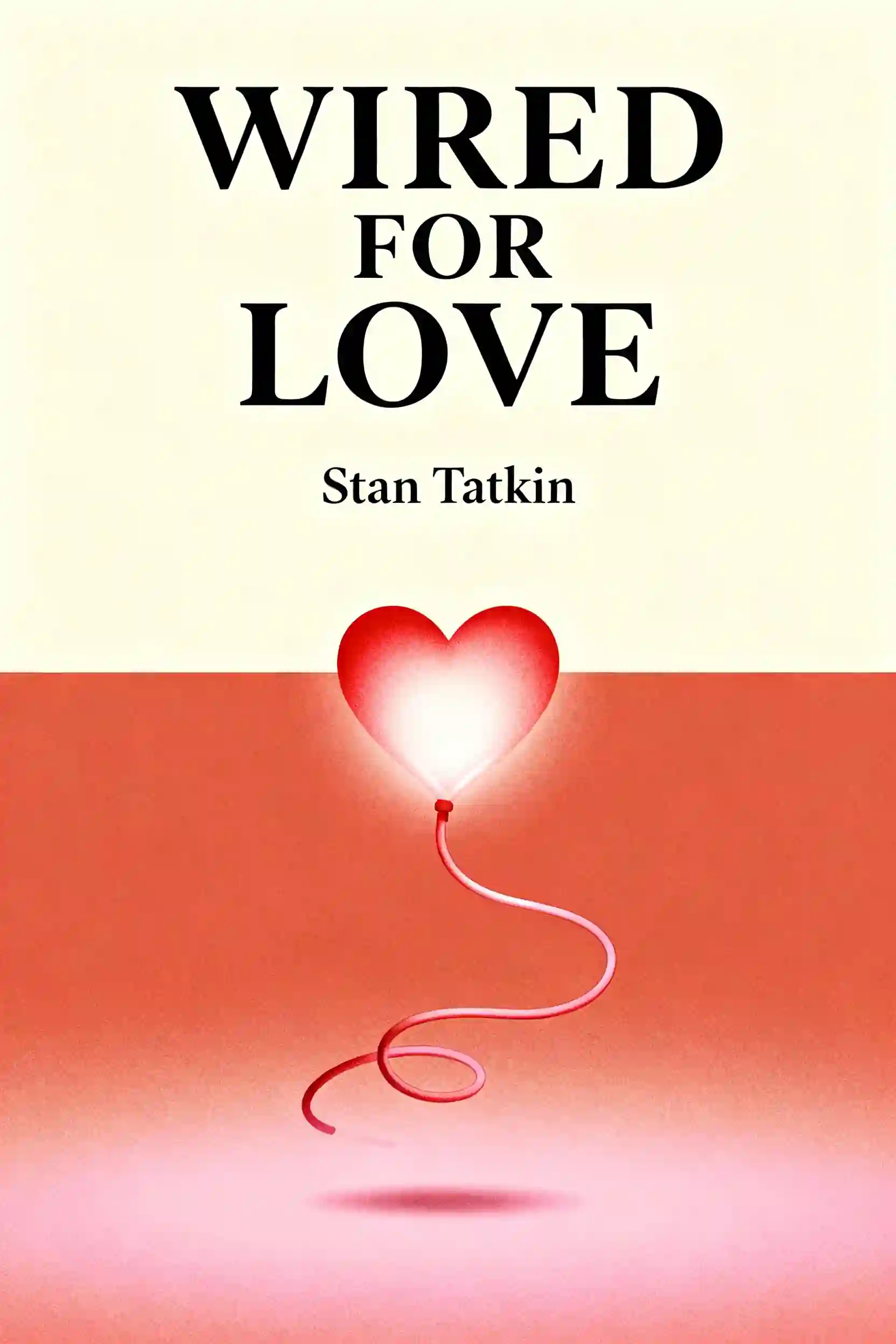
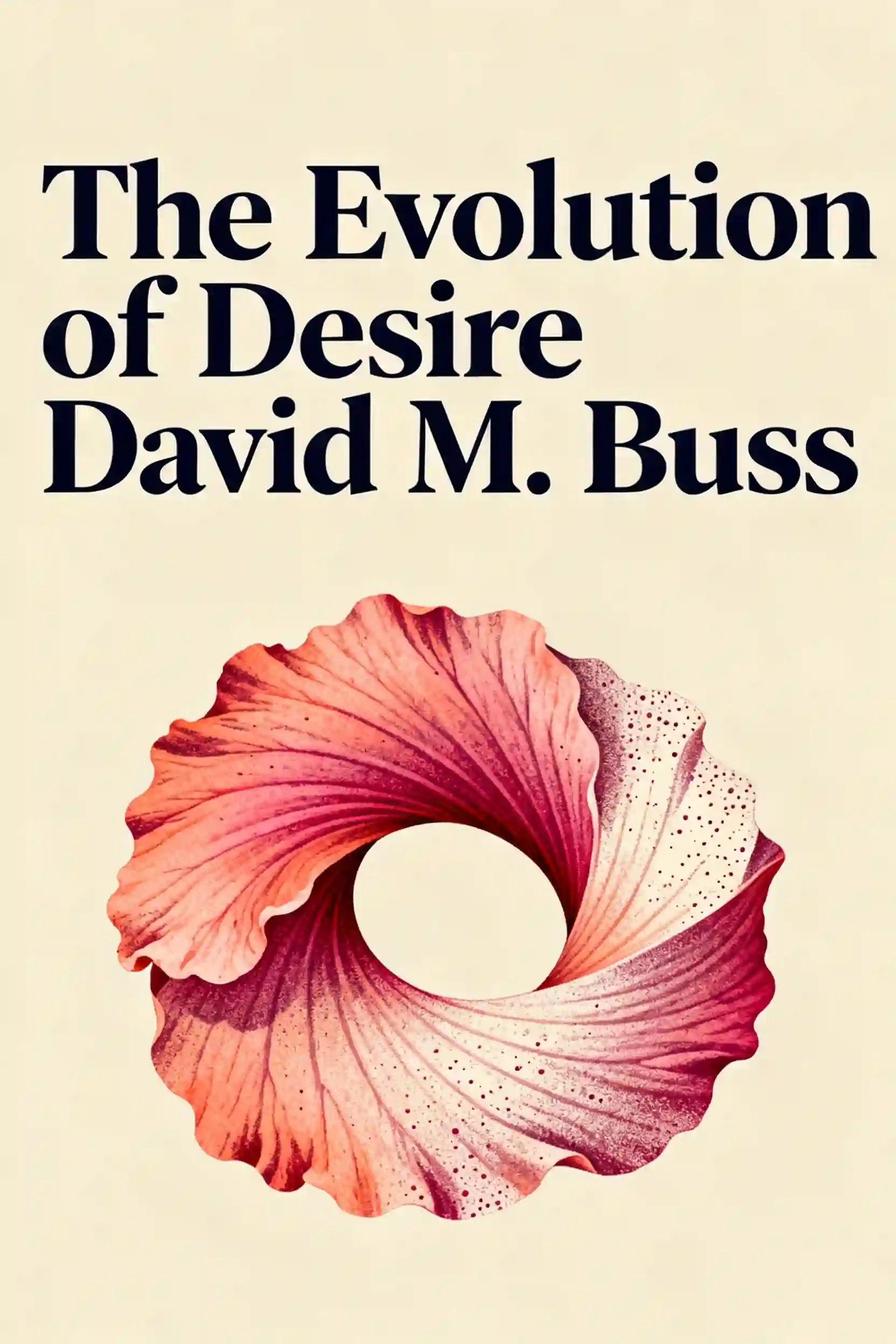
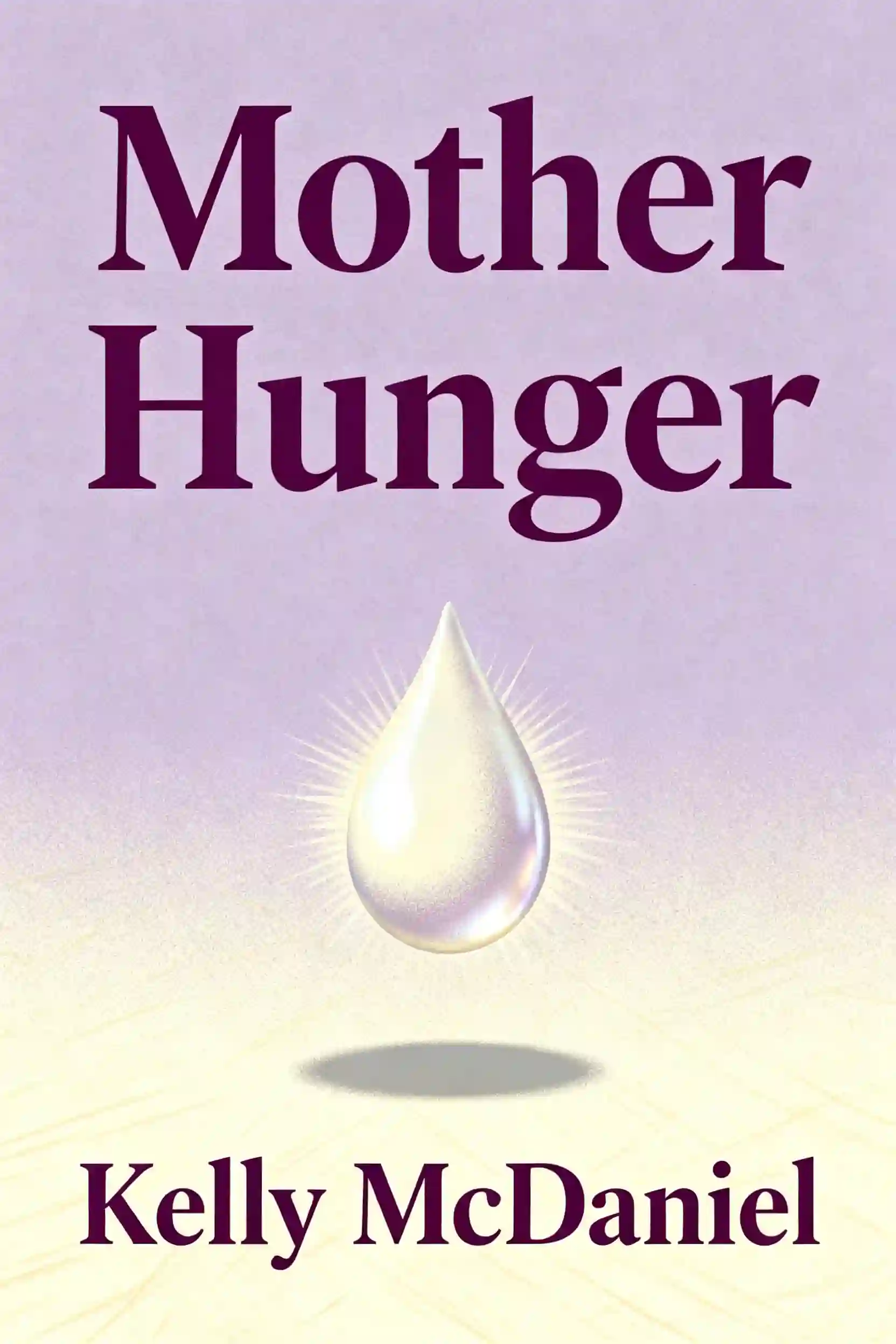
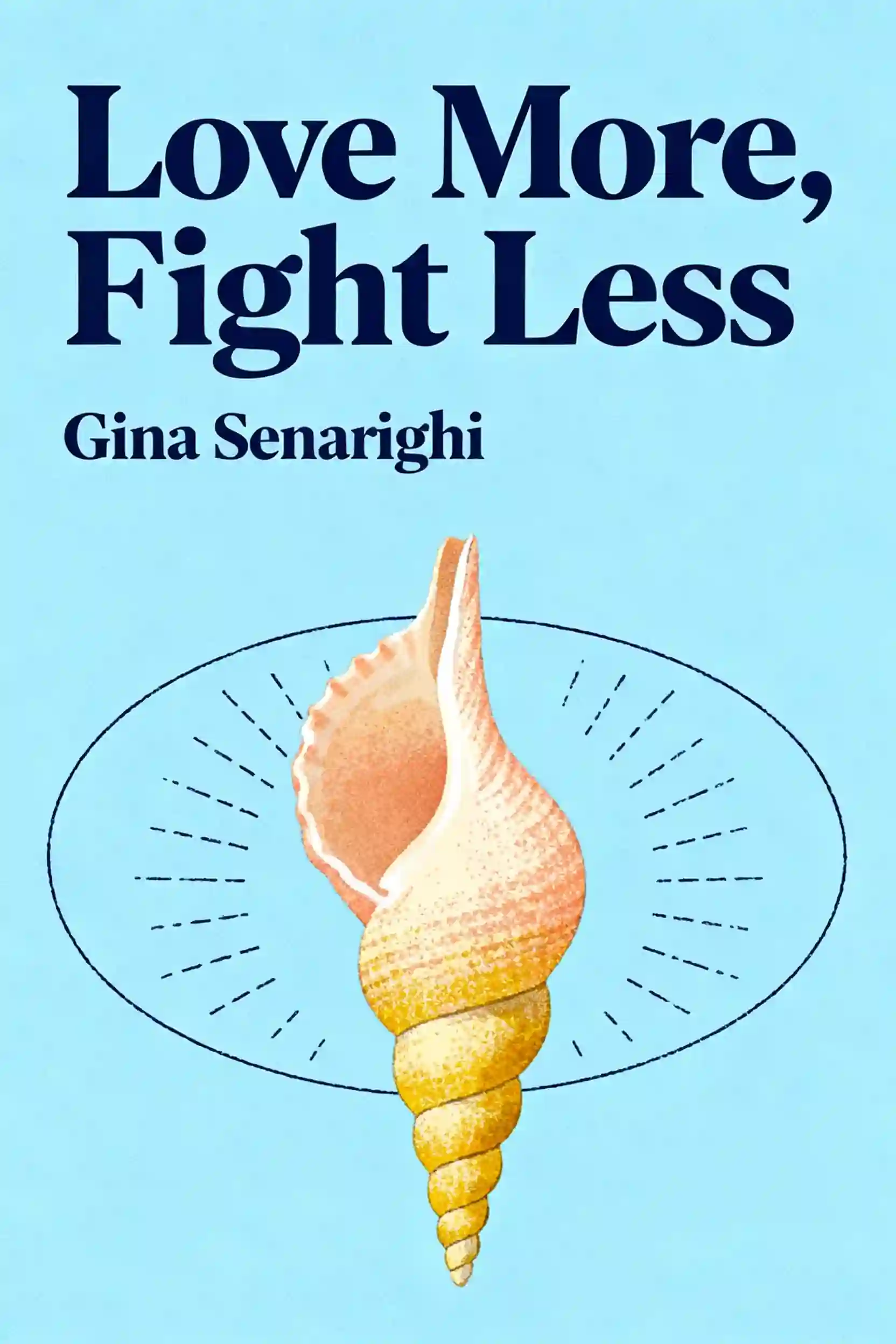
常见问题
This behavior is typically a biological survival response known as "flooding" rather than a lack of care. When emotional demands become too high, the amygdala—the brain's alarm system—becomes hyper-vigilant, causing the person to feel overwhelmed. To prevent the internal system from "frying," they flip a metaphorical circuit breaker, using deactivation strategies like withdrawal or silence to regulate their heart rate and internal stress levels.
Research suggests that genetics account for about 40% of avoidant attachment styles, and neurochemistry plays a significant role. High levels of testosterone can drive a strong need for autonomy and decisive action, sometimes dampening the soothing effects of oxytocin. This can make a partner’s attempt at closeness feel like an encroachment on independence or a loss of control, leading the woman to prioritize self-reliance as a biological necessity for safety.
The pursue-withdraw cycle occurs when one partner seeks reassurance and closeness to lower their stress, which causes the avoidant partner to feel "crowded" and pull away further. To break this cycle, the partner should practice "depersonalization," recognizing that the withdrawal is a physiological need for recharge rather than a rejection. Providing "structured space"—such as agreeing to a specific time to reconnect later—allows the avoidant partner to regulate without the other partner feeling abandoned.
Effective communication with a self-reliant individual involves using logic and clear "I" statements rather than "why" questions about deep emotions, which can feel like an interrogation. It is helpful to keep conversations "bite-sized" and focus on the "gist" of an issue rather than overwhelming them with emotional micro-details. Additionally, partners should learn to recognize "acts of reliability" and service as valid expressions of love, even if they aren't delivered through traditional words of affirmation.
"Instead of endless scrolling, I just hit play on BeFreed. It saves me so much time."


"I never knew where to start with nonfiction—BeFreed’s book lists turned into podcasts gave me a clear path."


"Perfect balance between learning and entertainment. Finished ‘Thinking, Fast and Slow’ on my commute this week."
"Crazy how much I learned while walking the dog. BeFreed = small habits → big gains."
"Reading used to feel like a chore. Now it’s just part of my lifestyle."

"Feels effortless compared to reading. I’ve finished 6 books this month already."
"BeFreed turned my guilty doomscrolling into something that feels productive and inspiring."

"BeFreed turned my commute into learning time. 20-min podcasts are perfect for finishing books I never had time for."
"BeFreed replaced my podcast queue. Imagine Spotify for books — that’s it. 🙌"

"It is great for me to learn something from the book without reading it."
"The themed book list podcasts help me connect ideas across authors—like a guided audio journey."
"Makes me feel smarter every time before going to work"
"Instead of endless scrolling, I just hit play on BeFreed. It saves me so much time."
"I never knew where to start with nonfiction—BeFreed’s book lists turned into podcasts gave me a clear path."
"Perfect balance between learning and entertainment. Finished ‘Thinking, Fast and Slow’ on my commute this week."
"Crazy how much I learned while walking the dog. BeFreed = small habits → big gains."
"Reading used to feel like a chore. Now it’s just part of my lifestyle."
"Feels effortless compared to reading. I’ve finished 6 books this month already."
"BeFreed turned my guilty doomscrolling into something that feels productive and inspiring."
"BeFreed turned my commute into learning time. 20-min podcasts are perfect for finishing books I never had time for."
"BeFreed replaced my podcast queue. Imagine Spotify for books — that’s it. 🙌"
"It is great for me to learn something from the book without reading it."
"The themed book list podcasts help me connect ideas across authors—like a guided audio journey."
"Makes me feel smarter every time before going to work"
"Instead of endless scrolling, I just hit play on BeFreed. It saves me so much time."
"I never knew where to start with nonfiction—BeFreed’s book lists turned into podcasts gave me a clear path."
"Perfect balance between learning and entertainment. Finished ‘Thinking, Fast and Slow’ on my commute this week."
"Crazy how much I learned while walking the dog. BeFreed = small habits → big gains."
"Reading used to feel like a chore. Now it’s just part of my lifestyle."
"Feels effortless compared to reading. I’ve finished 6 books this month already."
"BeFreed turned my guilty doomscrolling into something that feels productive and inspiring."
"BeFreed turned my commute into learning time. 20-min podcasts are perfect for finishing books I never had time for."
"BeFreed replaced my podcast queue. Imagine Spotify for books — that’s it. 🙌"
"It is great for me to learn something from the book without reading it."
"The themed book list podcasts help me connect ideas across authors—like a guided audio journey."
"Makes me feel smarter every time before going to work"
"Instead of endless scrolling, I just hit play on BeFreed. It saves me so much time."
"I never knew where to start with nonfiction—BeFreed’s book lists turned into podcasts gave me a clear path."
"Perfect balance between learning and entertainment. Finished ‘Thinking, Fast and Slow’ on my commute this week."
"Crazy how much I learned while walking the dog. BeFreed = small habits → big gains."
"Reading used to feel like a chore. Now it’s just part of my lifestyle."
"Feels effortless compared to reading. I’ve finished 6 books this month already."
"BeFreed turned my guilty doomscrolling into something that feels productive and inspiring."
"BeFreed turned my commute into learning time. 20-min podcasts are perfect for finishing books I never had time for."
"BeFreed replaced my podcast queue. Imagine Spotify for books — that’s it. 🙌"
"It is great for me to learn something from the book without reading it."
"The themed book list podcasts help me connect ideas across authors—like a guided audio journey."
"Makes me feel smarter every time before going to work"