Avoidant attachment and why closeness feels like a threat
If you crave love but panic when it gets close, you aren't broken. Learn how your nervous system protects you and how to rewire your map for trust.

Avoidant attachment and why closeness feels like a threat最佳语录
It’s not a flaw; it’s a learned survival program. You’re basically solving an impossible problem: wanting to be seen while fearing that being known leads to pain.
Generated by Korbi
Overcoming avoidant attachment


常见问题
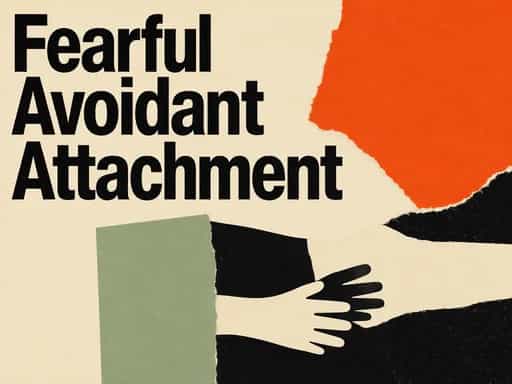
Fearful-avoidant attachment, also known as disorganized attachment, is a survival strategy developed in childhood when a caregiver is inconsistent or frightening. This creates a "fear without solution" paradox where the individual craves closeness but simultaneously views intimacy as a threat to their safety. In adulthood, this manifests as a push-pull cycle: the person may intensely pursue a connection, but as soon as true intimacy or commitment is established, their nervous system triggers an "alarm" that leads them to pull away, shut down, or sabotage the relationship to regain a sense of safety.
Deactivating strategies are subconscious tools the brain uses to "turn down the volume" on connection when it feels too dangerous or overwhelming. Common signs include sudden physical numbness, feeling "sleepy" or "over it" during emotional conversations, and focusing excessively on a partner’s minor flaws to justify creating distance. You might also experience a fear of "engulfment," where you feel like your identity or autonomy is being swallowed by the relationship. Recognizing these as nervous system responses rather than personality flaws is the first step toward changing them.
Breaking this cycle requires "naming the dance" and moving from blaming each other to observing the pattern together. The avoidant partner can practice "negotiated distance" by using "I" statements to ask for space while providing a "reassurance anchor"—for example, stating they need twenty minutes alone but promising to return at a specific time to talk. Meanwhile, the couple can engage in "side-by-side" activities, such as a shared hobby or a new adventure, which allows for connection through a external task rather than high-pressure, face-to-face emotional intensity.
Earned security is the process of rewiring the brain’s relational maps to move from an insecure attachment style toward a secure one through new, safe experiences. It is achieved through "titration," or taking vulnerability in small, manageable doses called "micro-risks." This might involve sharing a low-stakes feeling or holding eye contact slightly longer than usual. Over time, when these risks result in safe, non-judgmental interactions, the brain collects "new data" that updates the old survival software, eventually allowing the individual to feel both seen and safe in a relationship.
由哥伦比亚大学校友在旧金山创建
"Instead of endless scrolling, I just hit play on BeFreed. It saves me so much time."


"I never knew where to start with nonfiction—BeFreed’s book lists turned into podcasts gave me a clear path."


"Perfect balance between learning and entertainment. Finished ‘Thinking, Fast and Slow’ on my commute this week."
"Crazy how much I learned while walking the dog. BeFreed = small habits → big gains."
"Reading used to feel like a chore. Now it’s just part of my lifestyle."

"Feels effortless compared to reading. I’ve finished 6 books this month already."
"BeFreed turned my guilty doomscrolling into something that feels productive and inspiring."

"BeFreed turned my commute into learning time. 20-min podcasts are perfect for finishing books I never had time for."
"BeFreed replaced my podcast queue. Imagine Spotify for books — that’s it. 🙌"

"It is great for me to learn something from the book without reading it."
"The themed book list podcasts help me connect ideas across authors—like a guided audio journey."
"Makes me feel smarter every time before going to work"
 Ask ChatGPT
 Ask Claude
由哥伦比亚大学校友在旧金山创建
"Instead of endless scrolling, I just hit play on BeFreed. It saves me so much time."
"I never knew where to start with nonfiction—BeFreed’s book lists turned into podcasts gave me a clear path."
"Perfect balance between learning and entertainment. Finished ‘Thinking, Fast and Slow’ on my commute this week."
"Crazy how much I learned while walking the dog. BeFreed = small habits → big gains."
"Reading used to feel like a chore. Now it’s just part of my lifestyle."
"Feels effortless compared to reading. I’ve finished 6 books this month already."
"BeFreed turned my guilty doomscrolling into something that feels productive and inspiring."
"BeFreed turned my commute into learning time. 20-min podcasts are perfect for finishing books I never had time for."
"BeFreed replaced my podcast queue. Imagine Spotify for books — that’s it. 🙌"
"It is great for me to learn something from the book without reading it."
"The themed book list podcasts help me connect ideas across authors—like a guided audio journey."
"Makes me feel smarter every time before going to work"
"Instead of endless scrolling, I just hit play on BeFreed. It saves me so much time."
"I never knew where to start with nonfiction—BeFreed’s book lists turned into podcasts gave me a clear path."
"Perfect balance between learning and entertainment. Finished ‘Thinking, Fast and Slow’ on my commute this week."
"Crazy how much I learned while walking the dog. BeFreed = small habits → big gains."
"Reading used to feel like a chore. Now it’s just part of my lifestyle."
"Feels effortless compared to reading. I’ve finished 6 books this month already."
"BeFreed turned my guilty doomscrolling into something that feels productive and inspiring."
"BeFreed turned my commute into learning time. 20-min podcasts are perfect for finishing books I never had time for."
"BeFreed replaced my podcast queue. Imagine Spotify for books — that’s it. 🙌"
"It is great for me to learn something from the book without reading it."
"The themed book list podcasts help me connect ideas across authors—like a guided audio journey."
"Makes me feel smarter every time before going to work"
"Instead of endless scrolling, I just hit play on BeFreed. It saves me so much time."
"I never knew where to start with nonfiction—BeFreed’s book lists turned into podcasts gave me a clear path."
"Perfect balance between learning and entertainment. Finished ‘Thinking, Fast and Slow’ on my commute this week."
"Crazy how much I learned while walking the dog. BeFreed = small habits → big gains."
"Reading used to feel like a chore. Now it’s just part of my lifestyle."
"Feels effortless compared to reading. I’ve finished 6 books this month already."
"BeFreed turned my guilty doomscrolling into something that feels productive and inspiring."
"BeFreed turned my commute into learning time. 20-min podcasts are perfect for finishing books I never had time for."
"BeFreed replaced my podcast queue. Imagine Spotify for books — that’s it. 🙌"
"It is great for me to learn something from the book without reading it."
"The themed book list podcasts help me connect ideas across authors—like a guided audio journey."
"Makes me feel smarter every time before going to work"