Anxious attachment isn't a life sentence
Feeling 'too needy' is often just a survival strategy. Learn how to rewire your internal alarm and build earned security for calmer relationships.

Anxious attachment isn't a life sentence最佳语录
It’s not a character flaw; it’s a brilliant adaptation by a child who was trying to survive in an environment where love felt like a moving target.
Generated by Vicky
Healing my anxious attachment

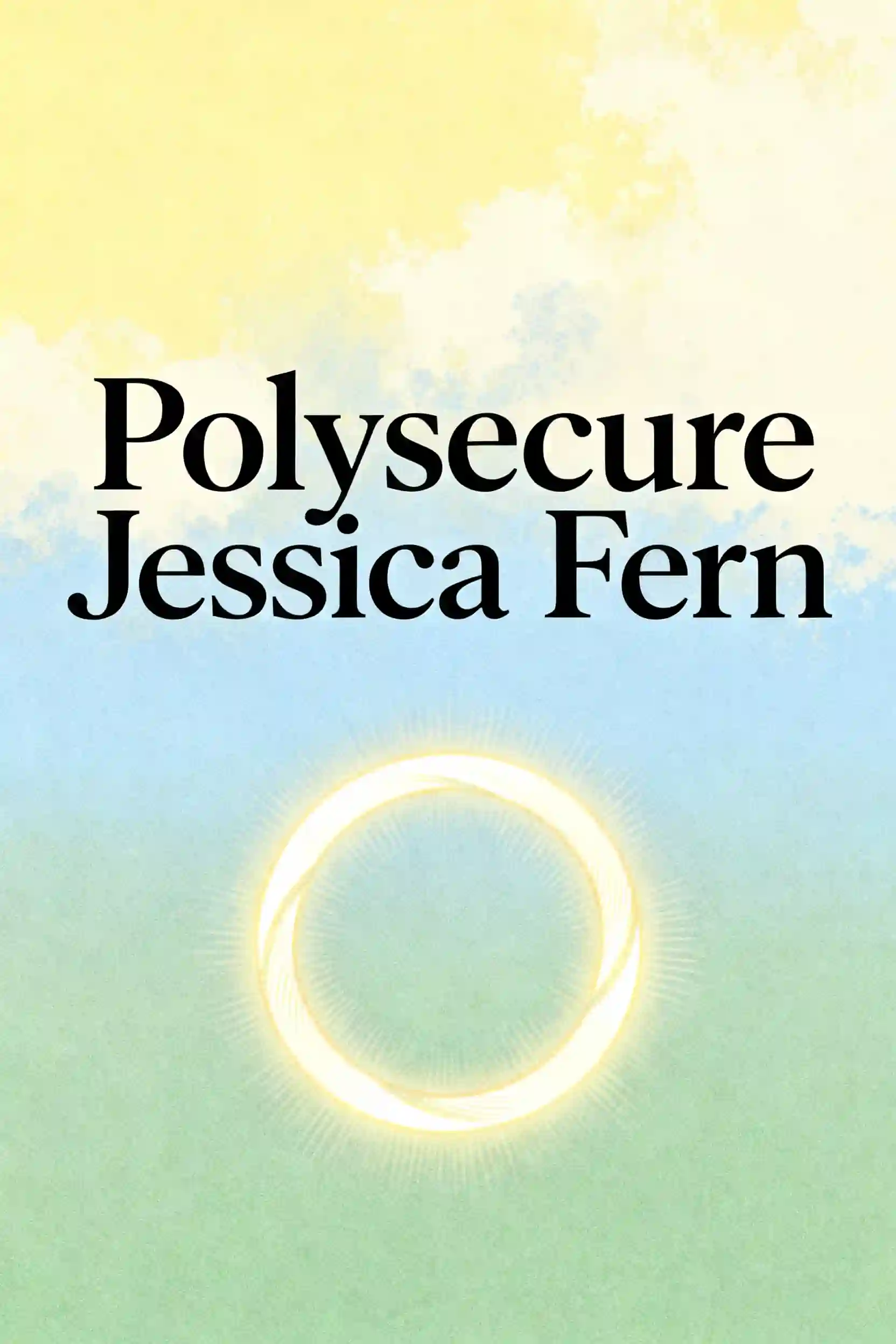
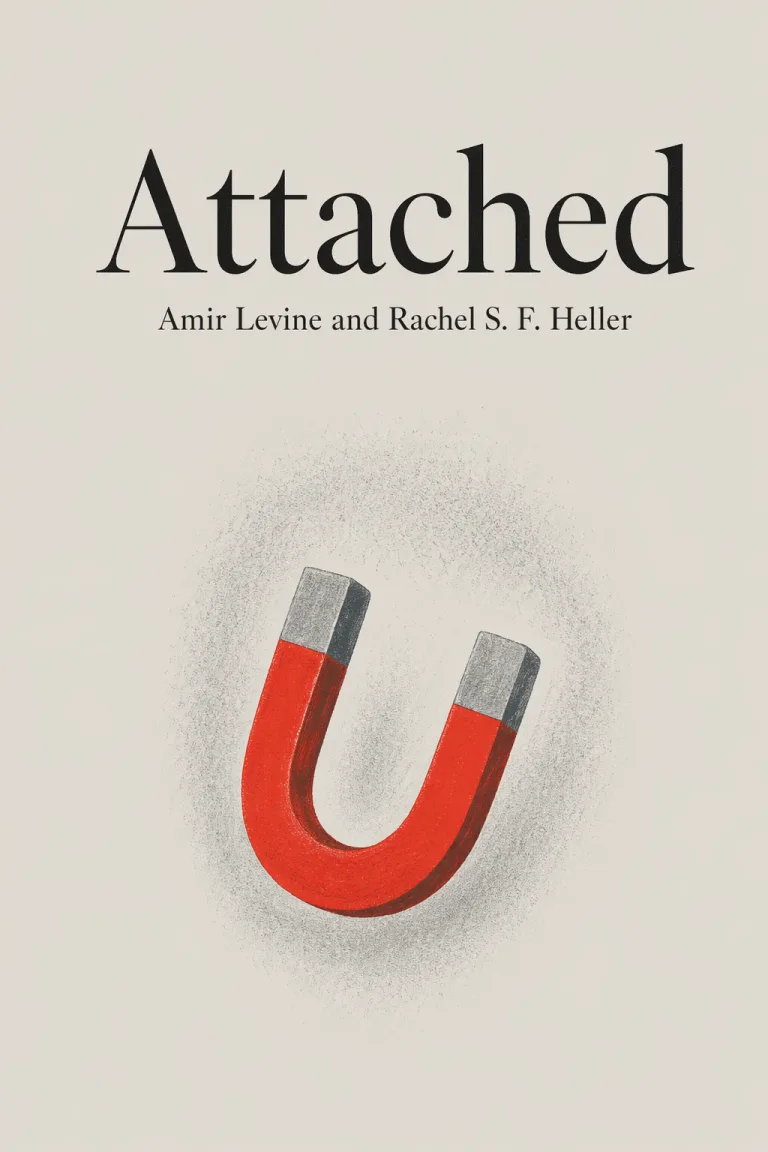
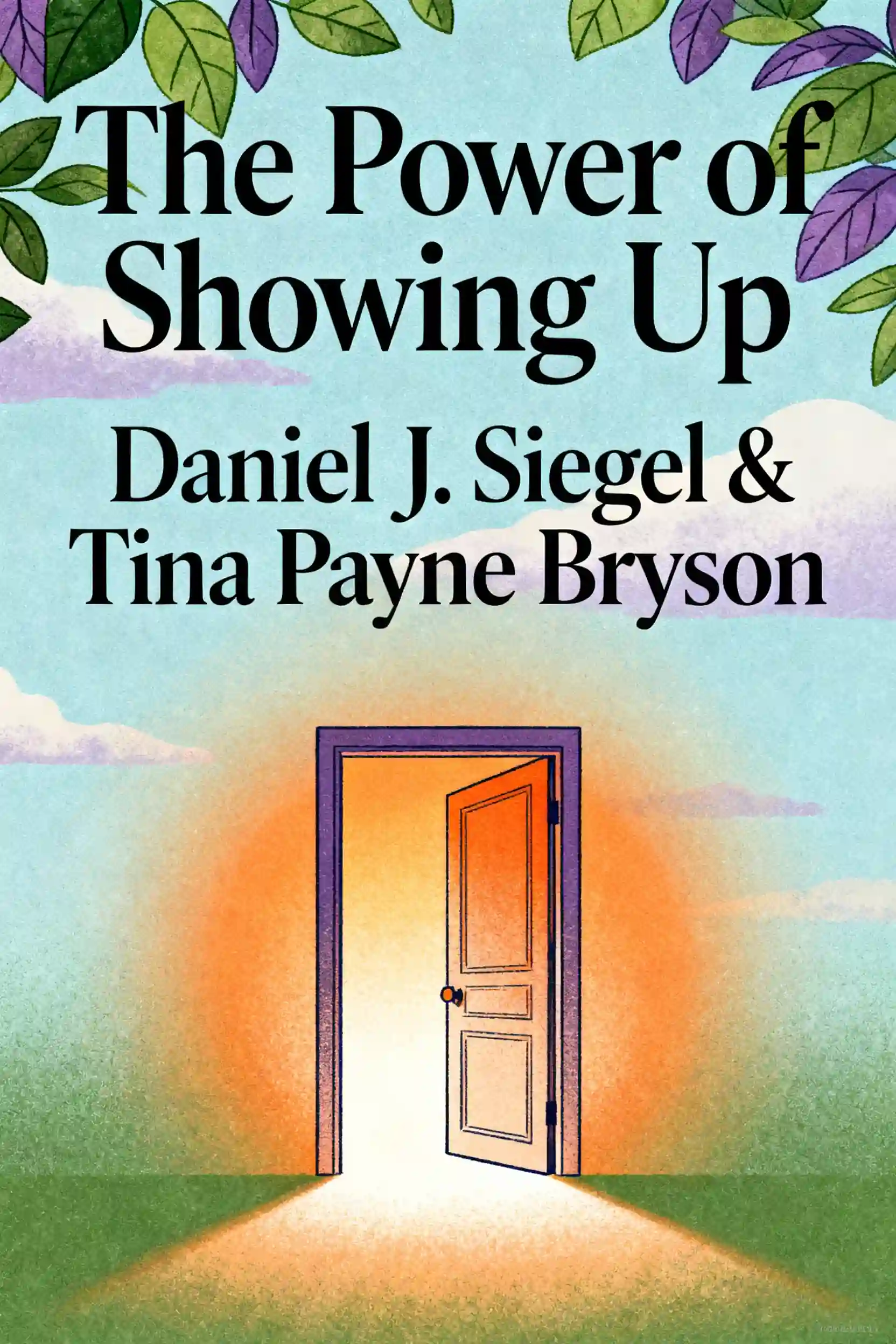
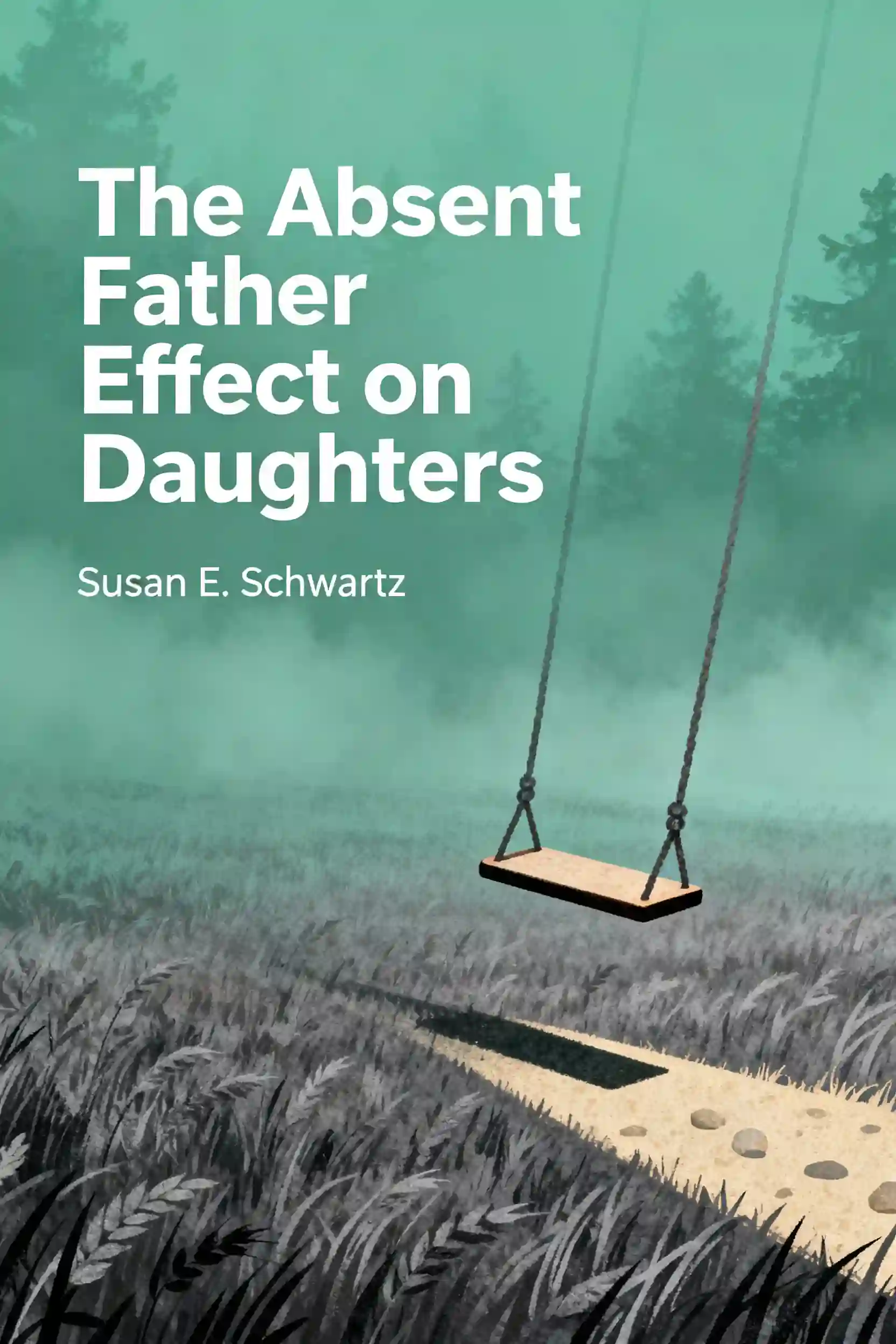
常见问题
Earned security is the concept that individuals can develop a stable, secure attachment style in adulthood even if they did not have a reliable foundation as a child. While original attachment styles are "blueprints" formed by early experiences with caregivers, earned security is achieved through intentional work, such as therapy or stable adult relationships. It involves "rewiring" the brain's internal working model to move from a state of hypervigilance and anxiety to a grounded sense of safety and self-regulation.
When a person with an anxious attachment style perceives a relational threat, such as a delayed text, their amygdala—the brain's alarm center—goes into overdrive. This triggers a "fight or flight" response in the lower parts of the brain, which effectively takes the prefrontal cortex, the area responsible for logic and reasoning, offline. Because the body is reacting to a perceived existential threat, you cannot simply "think" your way out of the panic until the nervous system is calmed.
Somatic tools focus on the body's physical sensations rather than just mental thoughts. Since attachment patterns are woven into the nervous system, techniques like "grounding" (standing firmly to feel the earth's support) or "self-soothing touch" (placing a hand on the heart) send signals of safety directly to the brainstem. Practical "sensory shocks," such as biting into a lemon or splashing ice-cold water on the face, can also act as a reset button to snap the nervous system out of an anxious spiral.
The push-pull dynamic occurs when an individual's attachment system drives them to seek closeness for comfort, while their defense system views that same closeness as a threat. This often stems from early experiences where a caregiver was both a source of fear and a source of safety. In adult relationships, this manifests as "hot and cold" behavior, where a person may reach out desperately for intimacy but then abruptly withdraw or pick a fight once they feel too "exposed" or vulnerable.
The journey toward security is built on three main pillars: Nervous System Regulation, Core Belief Work, and Relationship Skills. The first pillar involves daily maintenance to increase your "window of tolerance" through self-attunement. The second pillar focuses on challenging negative stories—like "I am not lovable"—by collecting evidence of your own value outside of a relationship. The third pillar involves practicing clear communication, setting boundaries, and learning that "ruptures" in a relationship can be repaired rather than signifying an end.
由哥伦比亚大学校友在旧金山创建
"Instead of endless scrolling, I just hit play on BeFreed. It saves me so much time."


"I never knew where to start with nonfiction—BeFreed’s book lists turned into podcasts gave me a clear path."


"Perfect balance between learning and entertainment. Finished ‘Thinking, Fast and Slow’ on my commute this week."
"Crazy how much I learned while walking the dog. BeFreed = small habits → big gains."
"Reading used to feel like a chore. Now it’s just part of my lifestyle."

"Feels effortless compared to reading. I’ve finished 6 books this month already."
"BeFreed turned my guilty doomscrolling into something that feels productive and inspiring."

"BeFreed turned my commute into learning time. 20-min podcasts are perfect for finishing books I never had time for."
"BeFreed replaced my podcast queue. Imagine Spotify for books — that’s it. 🙌"

"It is great for me to learn something from the book without reading it."
"The themed book list podcasts help me connect ideas across authors—like a guided audio journey."
"Makes me feel smarter every time before going to work"
 Ask ChatGPT
 Ask Claude
由哥伦比亚大学校友在旧金山创建
"Instead of endless scrolling, I just hit play on BeFreed. It saves me so much time."
"I never knew where to start with nonfiction—BeFreed’s book lists turned into podcasts gave me a clear path."
"Perfect balance between learning and entertainment. Finished ‘Thinking, Fast and Slow’ on my commute this week."
"Crazy how much I learned while walking the dog. BeFreed = small habits → big gains."
"Reading used to feel like a chore. Now it’s just part of my lifestyle."
"Feels effortless compared to reading. I’ve finished 6 books this month already."
"BeFreed turned my guilty doomscrolling into something that feels productive and inspiring."
"BeFreed turned my commute into learning time. 20-min podcasts are perfect for finishing books I never had time for."
"BeFreed replaced my podcast queue. Imagine Spotify for books — that’s it. 🙌"
"It is great for me to learn something from the book without reading it."
"The themed book list podcasts help me connect ideas across authors—like a guided audio journey."
"Makes me feel smarter every time before going to work"
"Instead of endless scrolling, I just hit play on BeFreed. It saves me so much time."
"I never knew where to start with nonfiction—BeFreed’s book lists turned into podcasts gave me a clear path."
"Perfect balance between learning and entertainment. Finished ‘Thinking, Fast and Slow’ on my commute this week."
"Crazy how much I learned while walking the dog. BeFreed = small habits → big gains."
"Reading used to feel like a chore. Now it’s just part of my lifestyle."
"Feels effortless compared to reading. I’ve finished 6 books this month already."
"BeFreed turned my guilty doomscrolling into something that feels productive and inspiring."
"BeFreed turned my commute into learning time. 20-min podcasts are perfect for finishing books I never had time for."
"BeFreed replaced my podcast queue. Imagine Spotify for books — that’s it. 🙌"
"It is great for me to learn something from the book without reading it."
"The themed book list podcasts help me connect ideas across authors—like a guided audio journey."
"Makes me feel smarter every time before going to work"
"Instead of endless scrolling, I just hit play on BeFreed. It saves me so much time."
"I never knew where to start with nonfiction—BeFreed’s book lists turned into podcasts gave me a clear path."
"Perfect balance between learning and entertainment. Finished ‘Thinking, Fast and Slow’ on my commute this week."
"Crazy how much I learned while walking the dog. BeFreed = small habits → big gains."
"Reading used to feel like a chore. Now it’s just part of my lifestyle."
"Feels effortless compared to reading. I’ve finished 6 books this month already."
"BeFreed turned my guilty doomscrolling into something that feels productive and inspiring."
"BeFreed turned my commute into learning time. 20-min podcasts are perfect for finishing books I never had time for."
"BeFreed replaced my podcast queue. Imagine Spotify for books — that’s it. 🙌"
"It is great for me to learn something from the book without reading it."
"The themed book list podcasts help me connect ideas across authors—like a guided audio journey."
"Makes me feel smarter every time before going to work"