

《We Are All Weird》概述
In "We Are All Weird," Seth Godin declares the death of mass marketing. Hugh MacLeod's favorite Godin book reveals why embracing our uniqueness isn't just liberating - it's the future of business. What if your "weirdness" is actually your greatest market advantage?
- The mass market’s decline demands targeting niche tribes over broad audiences
- Seth Godin’s “rich” means having time or money to embrace weird choices
- Four forces drive weirdness: creation tools, wealth, efficient marketing, and tribe connectivity
- Normal is a shrinking category—brands must cater to fringe preferences to thrive
- Weirdness thrives when productivity frees people to pursue identity-driven interests
- Tribal marketing beats mass campaigns by leveraging hyper-specific cultural obsessions
- The internet amplifies weird by connecting outliers into influential micro-communities
- “Creation is amplified” lets anyone monetize niche passions through digital tools
- Embrace weirdness as rebellion against compliance-driven industrial-era conformity
- Seth Godin argues mass advertising fails because nobody identifies as average
- Weird choices require rejecting societal pressure to conform for convenience
- Brand loyalty shifts from product quality to shared tribal identity markers
《We Are All Weird》作者介绍
Seth Godin, author of We Are All Weird, is a bestselling author, entrepreneur, and marketing visionary whose work redefines how we understand modern culture and consumer behavior. This book, rooted in marketing and cultural anthropology, explores the rise of niche markets and the power of individuality, themes Godin has championed.
He is the author of 21 internationally acclaimed titles like Purple Cow, Tribes, and Linchpin.
A Stanford MBA graduate and former VP of Direct Marketing at Yahoo!, he founded pioneering companies like Yoyodyne and Squidoo, and created the altMBA, a transformative online leadership workshop.
Godin’s daily blog, ranked among the most influential globally, and his five TED Talks amplify his reputation as a thought leader challenging conventional business wisdom. His books, translated into 38 languages, have sold millions of copies worldwide, with Purple Cow and The Dip becoming essential reading for marketers and innovators.
关于《We Are All Weird》的常见问题
What is We Are All Weird by Seth Godin about?
We Are All Weird challenges the idea of mass-market conformity, arguing that modern society is increasingly defined by niche tribes and individuality. Godin explores the decline of standardized consumerism and advocates for embracing uniqueness in marketing, culture, and personal identity. The book critiques compliance-driven systems and celebrates the growing influence of “weird” subcultures.
Who should read We Are All Weird?
Marketers, entrepreneurs, and cultural analysts will find value in Godin’s insights on niche markets and tribal dynamics. It’s also relevant for anyone questioning societal norms or seeking to align their work with authenticity. The concise format (97 pages) suits busy professionals, though critics note it may feel repetitive for longtime Godin readers.
Is We Are All Weird worth reading?
Yes—for its compelling case about the power of niche audiences and cultural shifts. However, some reviewers argue its core message could be distilled into a long-form article, as examples and themes echo Godin’s earlier works. Ideal for newcomers to his ideas but less groundbreaking for existing fans.
What are the key concepts in We Are All Weird?
- Mass vs. Weird: The erosion of mass-market dominance in favor of fragmented, passion-driven tribes.
- Compliance vs. Choice: How institutions enforce conformity, and why resisting this fosters innovation.
- The Rise of Affluence: Economic freedom enabling people to prioritize self-expression over generic consumption.
How does Seth Godin support his arguments in the book?
Godin uses case studies like craft beer’s rise, bespoke fashion, and digital communities to illustrate niche dominance. He contrasts these with outdated industries clinging to mass production, arguing that “weirdness” drives modern economic success.
What are notable quotes from We Are All Weird?
- “People become happy when we let them choose what’s important to them” – Emphasizes autonomy over conformity.
- “Leaders consolidate power by selling us obedience” – Critiques systemic control mechanisms.
What criticisms exist about We Are All Weird?
Some readers find the book repetitive, with one noting it “feels like an expanded blog post.” Critics argue Godin recycles ideas from his broader work on marketing and tribalism without adding significant depth.
Why is We Are All Weird relevant in 2025?
Its themes align with trends like hyper-personalized AI-driven marketing, decentralized communities (Web3/DAO networks), and Gen Z’s rejection of monoculture. The book’s focus on niche-building remains vital for brands adapting to fragmented audiences.
How does We Are All Weird compare to Godin’s other books?
It expands on concepts from Tribes (community leadership) and Purple Cow (standing out) but lacks the actionable depth of Linchpin. Ideal as a philosophical companion to his more tactical works.
How can businesses apply We Are All Weird principles?
- Identify and serve niche audiences instead of broad demographics.
- Encourage customer co-creation (e.g., limited-edition products).
- Build communities around shared values rather than transactional relationships.
What are three key takeaways from We Are All Weird?
- Mass markets are declining—focus on passionate micro-audiences.
- Authenticity trumps compliance in modern branding.
- Economic progress enables individuality, making “weirdness” a competitive advantage.
How has We Are All Weird influenced marketing practices?
The book popularized the shift toward hyper-targeted campaigns, influencer partnerships, and purpose-driven branding. It’s cited in discussions about DEI initiatives and consumer demand for personalized experiences.
通过作者的声音感受这本书
将知识转化为引人入胜、富含实例的见解
快速捕捉核心观点,高效学习
以有趣互动的方式享受这本书
《We Are All Weird》主要人物
- Seth GodinAuthor and marketing expert
《We Are All Weird》核心主题
- mass market decline
- consumer tribalism
- long tail marketing
- cultural diversification
- individualized choice
《We Are All Weird》经典语录
Governments promoted conformity for control, but marketers truly embraced it.
Mass is dying, fighting desperately to control conversations, commerce, and politics.
The Internet connects and protects the weird by connecting and amplifying their tribes.
You need to be rich to be weird–not Rockefeller rich, but rich enough to not worry about surviving.
探索你的学习方式
 快速摘要模式
9分钟阅读或收听《We Are All Weird》摘要
将《We Are All Weird》的核心观点拆解为易于理解的要点,了解创新团队如何创造、协作和成长。

 趣味模式
趣味模式
《We Are All Weird》的启示 - 22分钟故事
通过生动的故事体验《We Are All Weird》,将创新经验转化为令人难忘且可应用的精彩时刻。
 个性化模式
个性化模式
用你自己的学习方式体验《We Are All Weird》
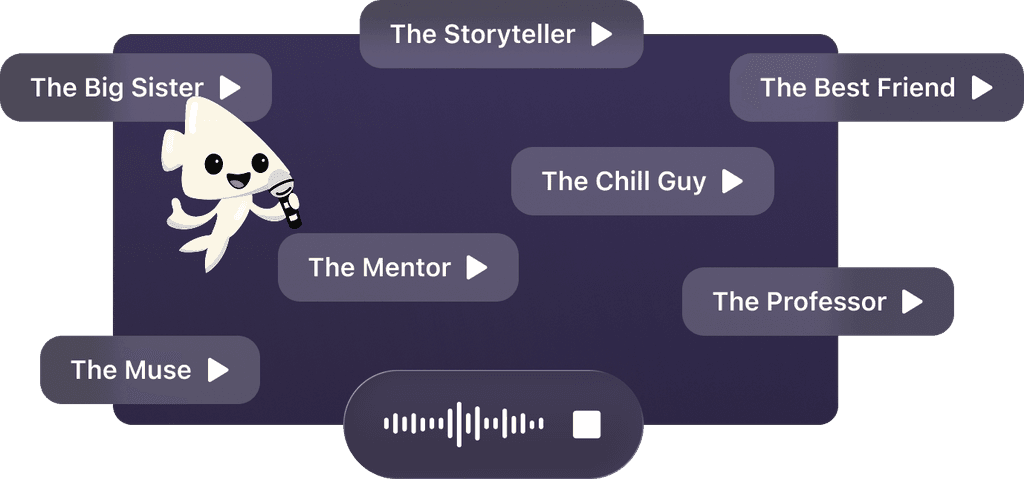
随时提问,选择你的学习方式,共创真正适合你的洞察。
"Instead of endless scrolling, I just hit play on BeFreed. It saves me so much time."


"I never knew where to start with nonfiction—BeFreed’s book lists turned into podcasts gave me a clear path."


"Perfect balance between learning and entertainment. Finished ‘Thinking, Fast and Slow’ on my commute this week."
"Crazy how much I learned while walking the dog. BeFreed = small habits → big gains."
"Reading used to feel like a chore. Now it’s just part of my lifestyle."

"Feels effortless compared to reading. I’ve finished 6 books this month already."
"BeFreed turned my guilty doomscrolling into something that feels productive and inspiring."

"BeFreed turned my commute into learning time. 20-min podcasts are perfect for finishing books I never had time for."
"BeFreed replaced my podcast queue. Imagine Spotify for books — that’s it. 🙌"

"It is great for me to learn something from the book without reading it."
"The themed book list podcasts help me connect ideas across authors—like a guided audio journey."
"Makes me feel smarter every time before going to work"
"Instead of endless scrolling, I just hit play on BeFreed. It saves me so much time."
"I never knew where to start with nonfiction—BeFreed’s book lists turned into podcasts gave me a clear path."
"Perfect balance between learning and entertainment. Finished ‘Thinking, Fast and Slow’ on my commute this week."
"Crazy how much I learned while walking the dog. BeFreed = small habits → big gains."
"Reading used to feel like a chore. Now it’s just part of my lifestyle."
"Feels effortless compared to reading. I’ve finished 6 books this month already."
"BeFreed turned my guilty doomscrolling into something that feels productive and inspiring."
"BeFreed turned my commute into learning time. 20-min podcasts are perfect for finishing books I never had time for."
"BeFreed replaced my podcast queue. Imagine Spotify for books — that’s it. 🙌"
"It is great for me to learn something from the book without reading it."
"The themed book list podcasts help me connect ideas across authors—like a guided audio journey."
"Makes me feel smarter every time before going to work"
"Instead of endless scrolling, I just hit play on BeFreed. It saves me so much time."
"I never knew where to start with nonfiction—BeFreed’s book lists turned into podcasts gave me a clear path."
"Perfect balance between learning and entertainment. Finished ‘Thinking, Fast and Slow’ on my commute this week."
"Crazy how much I learned while walking the dog. BeFreed = small habits → big gains."
"Reading used to feel like a chore. Now it’s just part of my lifestyle."
"Feels effortless compared to reading. I’ve finished 6 books this month already."
"BeFreed turned my guilty doomscrolling into something that feels productive and inspiring."
"BeFreed turned my commute into learning time. 20-min podcasts are perfect for finishing books I never had time for."
"BeFreed replaced my podcast queue. Imagine Spotify for books — that’s it. 🙌"
"It is great for me to learn something from the book without reading it."
"The themed book list podcasts help me connect ideas across authors—like a guided audio journey."
"Makes me feel smarter every time before going to work"
"Instead of endless scrolling, I just hit play on BeFreed. It saves me so much time."
"I never knew where to start with nonfiction—BeFreed’s book lists turned into podcasts gave me a clear path."
"Perfect balance between learning and entertainment. Finished ‘Thinking, Fast and Slow’ on my commute this week."
"Crazy how much I learned while walking the dog. BeFreed = small habits → big gains."
"Reading used to feel like a chore. Now it’s just part of my lifestyle."
"Feels effortless compared to reading. I’ve finished 6 books this month already."
"BeFreed turned my guilty doomscrolling into something that feels productive and inspiring."
"BeFreed turned my commute into learning time. 20-min podcasts are perfect for finishing books I never had time for."
"BeFreed replaced my podcast queue. Imagine Spotify for books — that’s it. 🙌"
"It is great for me to learn something from the book without reading it."
"The themed book list podcasts help me connect ideas across authors—like a guided audio journey."
"Makes me feel smarter every time before going to work"

下载《We Are All Weird》摘要
免费获取《We Are All Weird》摘要的 PDF 或 EPUB 版本。可打印或随时离线阅读。


