第 1 章
The Mind-Altering Power of Invisible Invaders
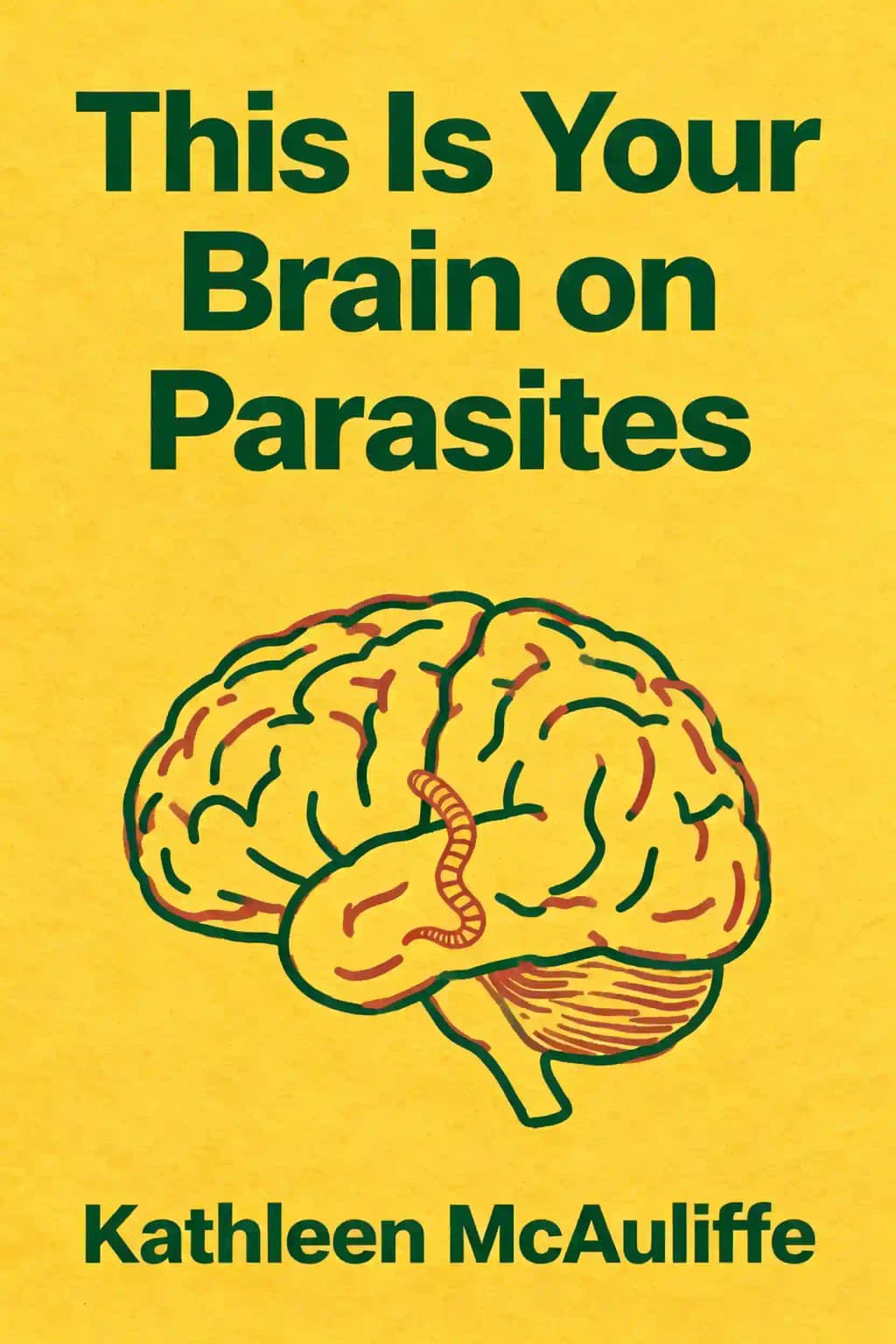
Have you ever felt like you weren't fully in control of your thoughts or actions? What if I told you that microscopic organisms might be pulling your strings? Kathleen McAuliffe's "This Is Your Brain on Parasites" explores this unsettling possibility, revealing how parasites manipulate their hosts' behavior in ways that seem straight out of science fiction. Since its 2016 publication, this groundbreaking work has captivated readers from neurologists to casual science enthusiasts, becoming a New York Times bestseller and earning praise from publications like The Wall Street Journal and The Economist. The book's provocative thesis-that parasites may influence everything from our personality traits to our political views-has sparked debate among scientists and philosophers alike. McAuliffe, an award-winning science journalist whose work appears in The New York Times and Scientific American, combines rigorous research with accessible storytelling to challenge our most fundamental assumptions about free will and identity.
第 2 章
The Puppet Masters: How Parasites Control Their Hosts
Nature's most sophisticated manipulators aren't the large predators we typically fear but microscopic parasites that hijack their hosts' nervous systems with remarkable precision. Consider the trematode that forces ants to climb grass blades at night and clamp down with their mandibles, making them perfect targets for grazing sheep-the parasite's final destination. This manipulation isn't random; it's a carefully orchestrated behavioral modification that ensures the parasite's survival and reproduction.
Parasitologist Janice Moore pioneered this field in the 1980s when she demonstrated how thorny-headed worms manipulate pillbugs to seek out exposed areas where they're more visible to birds-the worm's next host. Her groundbreaking experiments used glass pie plates with different environments to show that infected pillbugs preferred dry, exposed areas and white gravel, making them conspicuous to predators. Field studies confirmed these lab findings: starling nestlings were fed infected pillbugs at rates vastly disproportionate to their natural prevalence.
Moore's work coincided with evolutionary biologist Richard Dawkins' concept of the "extended phenotype"-the idea that genes can express themselves beyond an organism's body by manipulating other species. This framework helped scientists recognize that parasites weren't just passive hitchhikers but active manipulators reshaping their hosts' behavior to serve their own reproductive needs.
What makes these manipulations so remarkable is their specificity. Parasites don't just make hosts sick or weak; they target precise neural pathways to create specific behavioral changes that benefit their transmission. And we likely miss countless manipulations because they cause only subtle shifts that still make hosts more vulnerable to predators or because they occur beyond our sensory perception. As technology advances, scientists are finally beginning to understand the sophisticated biochemical mechanisms behind these manipulations-revealing a hidden world where microscopic organisms play puppetmaster to creatures thousands of times their size.
第 3 章
Sophisticated Strategies: The Remarkable Methods of Manipulation
When French evolutionary biologist Frederic Thomas heard reports of crickets inexplicably leaping into water while worms emerged from their bodies, he was determined to investigate-even threatening a hunger strike when his funding proposal was rejected. His persistence eventually paid off, leading to the discovery that hairworms produce neurochemicals mimicking those in crickets, essentially "speaking the cricket's language" to manipulate its behavior. The worm alters the cricket's visual system, making it attracted to light reflecting off water surfaces rather than darkness, ensuring the parasite reaches the aquatic environment it needs for reproduction.
Even more impressively, Thomas discovered that when predators like frogs consume infected crickets, the worm escapes through the predator's mouth, nostrils, or gills-an unprecedented anti-predator defense mechanism that earned him publication in Nature. This research revealed that parasites don't just crudely control their hosts; they employ sophisticated chemical communication to hijack neural pathways with remarkable precision.
While insect manipulation might seem distant from human experience, the guinea worm demonstrates similar control over people. This yard-long parasite creates painful blisters on extremities, compelling victims to seek relief by submerging affected limbs in water-precisely when the worm releases larvae to continue its lifecycle. Thankfully, education and simple filtration systems have reduced annual cases from 3.5 million to fewer than one hundred.
Some parasites transform not just behavior but appearance. The flatworm Leucochloridium invades snails' eyestalks, making them swell with colorful, pulsating bands that mimic caterpillars-perfect targets for birds, the parasite's final host. Similarly, tapeworms turn transparent brine shrimp bright pink and induce them to gather in dense swarms, creating convenient "red clouds" for flamingos to feed upon.
These parasitic manipulations have profound ecological implications, functioning like conveyor belts moving nutrients through food chains. In some fragile ecosystems, they might even prevent species extinction, as demonstrated by endangered Japanese trout that survive on crickets driven into water by hairworms.
Human diseases also involve parasitic manipulations. The malaria parasite regulates mosquito feeding behavior, first suppressing appetite while reproducing in the insect's gut, then stimulating hunger when ready to transmit. It even makes infected people more attractive to mosquitoes by altering human odors. Understanding these mechanisms could lead to new control strategies for diseases affecting hundreds of millions annually.
第 4 章
Masters of Mind Control: The Most Extreme Manipulators
Some parasites don't just influence their hosts-they completely transform them into biological robots serving the parasite's reproductive needs. The tropical orb spider Allocyclosa bifurca demonstrates this dramatically when infected by the wasp Polysphincta gutfreundi. After the wasp larva feeds on the spider's bodily fluids for about a week, it injects chemicals that force the spider to abandon its characteristic circular web design in favor of an entirely different structure-a reinforced, storm-resistant nursery perfectly suited to protect the developing parasite.
When entomologist William Eberhard investigated this phenomenon, he discovered the larva employs a chemical cocktail that selectively alters the spider's web-building behavior with remarkable precision. When he removed larvae before they killed their hosts, the spiders gradually returned to normal web-building patterns in reverse order, suggesting the chemical's concentration determines the manipulation's intensity.
Even more impressive is the jewel wasp's control over cockroaches. This iridescent wasp delivers a precisely targeted sting to the roach's brain, injecting venom into a specific neural center responsible for decision-making. The zombified roach, though physically capable of movement, loses all will to escape. It passively allows the wasp to chew off its antennae and drink the fluid, then grooms itself to provide a sterile surface for the wasp's egg. The wasp leads the docile roach by its antenna stump "like a dog on a leash" to a burrow, where it lays an egg on the roach's leg before sealing the entrance.
Perhaps nature's most complete form of host domination comes from the parasitic barnacle Sacculina. Unlike typical barnacles, the female larva injects her cells through a crab's exoskeleton, abandoning her outer body. Inside, she grows into a mass of root-like structures that invade the crab's organs, nervous system, and eyestalks. The parasite sterilizes the crab and develops its own brood pouch where the female crab would normally carry eggs. Most remarkably, if the host is male, Sacculina transforms its body into a female shape and instills maternal behaviors.
The fungus Ophiocordyceps demonstrates equally precise control when infecting carpenter ants. After invading the ant's body, the fungus makes it climb a sapling at solar noon, move to the northwestern side of a leaf, and clamp onto the main vein. The fungus destroys the ant's jaw muscles to ensure permanent attachment. After the ant dies, the fungus sprouts from its head, releasing spores onto the ground below. This precise positioning optimizes spore dispersal conditions-the northwestern leaf position provides cooler temperatures and higher humidity, while the solar noon timing may synchronize the fungus's vulnerable developmental phase with nightfall's favorable conditions.
Not all manipulators are parasites-some are symbionts that offer benefits in return for behavioral control. Certain flowers lace their nectar with small amounts of caffeine that dramatically improve bees' memory of floral scents-a crucial skill when visiting numerous flowers daily. Interestingly, very few flowering plants contain caffeine in their nectar, yet these species-including coffee, tea, and cacao-are among the most widely cultivated by humans. As neuroethologist Geraldine Wright notes, "you could say that these flowering plants manipulate us by getting us to grow vast plantations of them."
第 5 章
The Cat Parasite in Your Brain: Toxoplasma's Subtle Influence
Jaroslav Flegr, an evolutionary biologist at Charles University in Prague, believes his mind is partly controlled by the cat parasite Toxoplasma gondii. This single-celled protozoan, which can only sexually reproduce in cats, has infected his brain and potentially altered his personality, making him more risk-prone. Flegr suspects it affects millions of people, possibly contributing to car crashes, schizophrenia, and suicides-potentially killing more people than malaria in industrialized nations.
Medical evidence suggests T. gondii can indeed affect human behavior. Since the 1950s, doctors have known it can attack a fetus's nervous system if a woman becomes infected during pregnancy. While standard medical wisdom holds that healthy people develop only brief flu-like symptoms before the infection becomes dormant, Flegr's research revealed striking patterns among infected people (approximately 30% globally, with lower rates in the US).
Using college students as subjects, he administered personality tests that unexpectedly showed gender-specific effects: infected men were more rule-breaking and suspicious, while infected women were more rule-abiding and outgoing. Both infected men and women showed significantly slower reaction times on computerized tests. This led to Flegr's alarming discovery that infected individuals were 2.7 times more likely to be involved in traffic accidents-a finding later confirmed in larger studies. He estimates "as many as a million road deaths a year can be blamed on toxo."
While some of Flegr's findings have been independently confirmed-particularly the connection between T. gondii infection and increased traffic accidents-other results proved less consistent. Despite these inconsistencies, research at prestigious institutions continues to find strange patterns reminiscent of Flegr's work.
Oxford scientist Joanne Webster independently investigated T. gondii's effects on rodents, confirming that infected rats developed a "fatal feline attraction"-they were actually drawn to cat odor while maintaining normal aversion to other predators. When Webster's team tagged the parasite with fluorescent markers, they found its cysts scattered throughout infected rodents' brains. Further research discovered that T. gondii contains a gene coding for a protein involved in dopamine production, and neurons harboring the parasite produced 3.5 times more dopamine.
Stanford neuroscientist Robert Sapolsky's team discovered the parasite travels not only to the brain but also to the testicles, where it increases testosterone production. Remarkably, female rats showed a strong preference for infected males. The parasite can also invade sperm, potentially infecting offspring when males mate. In infected females, the parasite raises progesterone levels, making them behave as recklessly as testosterone-fueled males.
The parasite forms 200-500 cysts in infected brains, clustering in regions like the hypothalamus that regulate sex hormones. Each cyst disrupts local neurotransmitter balance, affecting dopamine, GABA, and glutamate at hundreds of locations throughout the brain. This widespread disruption explains how the parasite can subtly influence human behavior or potentially exacerbate underlying psychiatric conditions like schizophrenia.
Psychiatrist E. Fuller Torrey has championed the idea that infectious organisms may commonly cause mental illness. His collaborative analysis of 38 high-quality studies showed people with schizophrenia are two to three times more likely to have toxoplasma antibodies. While schizophrenia has genetic components, Torrey and collaborator Robert Yolken believe the genes most consistently linked to the condition control immune responses to infectious agents.
Despite concerns about toxoplasma, scientists don't recommend severing ties with cats. Instead, they advise practical precautions: careful litter box handling, thorough vegetable washing, wearing gardening gloves, cooking meat well or freezing it first, and covering children's sandboxes when not in use. Unfortunately, treating established brain infections remains challenging because the parasite's thick-walled cysts resist most drugs, though researchers are screening malaria medications against toxoplasma cysts with some promising results.
第 6 章
The Social Parasites: How Pathogens Manipulate Human Interaction
The idea that parasites might manipulate human social behavior emerged from a conversation between parasitologist Janice Moore and anthropologist Chris Reiber. They wondered if pathogens might influence human behavior in ways that enhance transmission-similar to Reiber's anecdotal observations of HIV-positive patients experiencing intense sexual cravings in end-stage disease.
Unable to ethically expose people to live pathogens, they devised an ingenious experiment using flu vaccines-containing inactivated virus molecules-to potentially trigger the same behavioral changes as actual viruses. Their research revealed flu viruses are most transmissible 2-3 days after exposure but before symptoms appear, suggesting the pathogen would benefit by increasing sociability during this critical window.
In their pilot study tracking 36 subjects before and after receiving flu shots, the results were striking: during the first three days post-vaccination, subjects interacted with twice as many people as before. Even socially reserved individuals suddenly sought out bars, parties, and social gatherings. Though lacking a control group, these preliminary findings suggest pathogens may indeed manipulate human social behavior.
Sexually transmitted pathogens might employ different strategies. Rather than increasing sexual motivation, parasites may focus on enhancing host attractiveness during peak infectiousness. The rabies virus demonstrates dramatic effects on libido-historically called "la rage amoureuse" in women. Infected men may experience prolonged erections and hourly ejaculations, while rabid dogs display similar hypersexual behaviors. The virus spreads by creeping along nerve fibers to the brain, eventually invading the limbic system controlling fundamental drives like aggression and sex.
Another concerning parasite, Toxocara, disproportionately affects disadvantaged populations. African American children show 23% infection rates compared to 13% for Mexican Americans and 11% for whites, suggesting parasites may contribute to educational disparities. Mouse studies show infected rodents have learning difficulties, impaired memory, and reduced curiosity. The parasite's larvae accumulate in brain regions involved in learning and memory, potentially making hosts more vulnerable to predation.
With over fourteen hundred known parasites affecting humans and countless others awaiting discovery, we're only beginning to understand which might manipulate our minds. Yet not all microscopic residents wish us harm-many symbionts may actually benefit our mental state, having evolved a stake in our survival.
第 7 章
The Second Brain: How Gut Microbes Shape Our Minds
We celebrate the brain as human intellect's seat, but mounting evidence suggests our behavior is governed not just from the top down but also from the bottom up, with microbes potentially influencing everything from risk-taking to social interactions to eating habits.
The first major census of our microbial tenants revealed more than one hundred trillion organisms within each of us-ten times the number of human cells, with 150 times more genetic material. Simply put, 90 percent of "you" isn't actually you. Some microbes colonize us in the womb, but the greatest wave occurs during birth as vaginal microbes board the infant during contractions. This population stabilizes after two years as infants transition to solid foods, resulting in a unique microbial fingerprint of roughly a few thousand species.
Most significantly, these microbes produce virtually every major neurotransmitter affecting our emotions-GABA, dopamine, serotonin, acetylcholine, and noradrenaline-potentially influencing whether we're happy or sad, anxious or calm, energetic or sluggish, and perhaps even our weight.
Scientists are still deciphering how gut bacteria communicate with the brain, but several pathways appear important. Psychoactive compounds produced by gut bacteria are detected by the enteric nervous system-a "second brain" with more neurons than the spinal cord-which connects to the brain via the vagus nerve. Remarkably, 90 percent of information on this cable travels from gut to brain, not vice versa.
The most striking evidence of gut bacteria's behavioral influence comes from germfree mice raised under sterile conditions without gut microbes. Unlike normal mice that eagerly explore new objects and environments, germfree mice show no natural curiosity or preference for novelty. They're oddly fearless, venturing boldly into bright, open spaces that normal mice avoid, and show no distress even when separated from mothers at birth-a trauma that typically causes lifelong skittishness.
Remarkably, transferring healthy gut microbiota into these germfree animals normalizes many behaviors, making them more cautious and less hyperactive-but only if done before four weeks of age. After that critical window, transplants have no effect, suggesting early-life microbiota shape brain wiring.
Gut bacteria may even influence personality traits. Researchers at McMaster University demonstrated this by swapping microbiota between two mouse strains with opposite temperaments-one calm and asocial, the other high-strung and gregarious. The result was essentially a personality swap: calm mice became more agitated and outgoing while aggressive mice quieted down and became less sociable.
John Cryan and Ted Dinan at University College Cork pioneered research showing probiotics can influence emotional states. Their experiments revealed mice fed lactobacillus performed better in learning tasks and showed remarkable resilience in despair tests, swimming 40 seconds longer than untreated mice before giving up-an effect comparable to antidepressant medication. These effects disappeared when the vagus nerve connecting gut and brain was severed, proving this neural pathway transmits bacterial signals that alter brain neurochemistry.
In a groundbreaking UCLA study, women who consumed probiotic yogurt for four weeks showed measurably different brain responses during emotion-recognition tasks compared to control groups. MRI scans revealed subdued activity in regions processing emotions and sensory information, suggesting the dietary intervention made participants less reactive to negative emotions like anger and fear.
Perhaps most remarkably, researchers have discovered that an individual's brain architecture correlates with their dominant gut microbe species. MRI scans can predict what "microbial gardens" grow within a person, with gut bacteria particularly influencing the brain's reward centers-potentially affecting stress reactivity, optimism, and emotional baseline. These findings suggest gut bacteria might even stimulate food cravings, potentially manipulating our appetites for their own benefit.
第 8 章
Microbial Weight Control: The Bacteria That Make Us Fat or Thin
Our gut microbes dramatically influence our weight and appetite. Studies of germfree mice demonstrate this powerfully-despite eating 30% more food than normal mice, these bacteria-free rodents have 60% less body fat because they can't properly digest their food. But microbes do more than just extract calories; they regulate hunger hormones like ghrelin (which stimulates appetite) and leptin (which suppresses it).
Jeffrey Gordon's groundbreaking research revealed that fat mice have different gut bacterial compositions than thin ones-a pattern that holds true in humans too. In a fascinating experiment using twins with different body types, Gordon's team colonized germfree mice with bacteria from either obese or thin twins. Remarkably, mice receiving bacteria from obese twins became fat while those with bacteria from thin twins stayed slim. When housed together (allowing mice to consume each other's droppings), bacteria from thin twins actually conquered the obese bacteria, causing fat mice to lose weight-but only when fed low-fat diets. On high-fat diets, the slimming bacteria couldn't establish dominance.
Gordon's team discovered that thin mice possess more diverse gut microbiomes than obese mice. Paradoxically, though these diverse bacteria extract more calories from food, they produce metabolites that suppress appetite and boost energy expenditure, helping thin mice burn excess calories while eating less overall.
Scientists in Amsterdam are exploring fecal transplantation-transferring feces from thin donors into obese recipients using colonoscopes. Though already successful for treating digestive disorders like C. difficile infections, many experts consider this premature for obesity treatment. Safety concerns include potential pathogen transfer and even personality changes, as gut bacteria may influence mood and temperament.
Antibiotics may contribute to obesity by depleting gut microbiota. Martin Blaser's research shows that mice given brief, high-dose antibiotic pulses-mimicking human treatment-gained more weight and fat than untreated mice, especially when fed high-calorie diets. A decade-long human study found children prescribed multiple antibiotic courses were three pounds heavier by age fifteen than those never treated, with effects appearing cumulative over time.
Several modern trends have reduced our microbiome diversity. The near-elimination of H. pylori (which regulates hunger hormone ghrelin) may contribute to overeating. C-section births, formula feeding, smaller families, improved hygiene, and antibiotic overuse have all reduced bacterial exposure. Scientists are exploring solutions like dabbing C-section babies with maternal vaginal fluids and developing more targeted antibiotics to preserve beneficial bacteria.
While most commercial probiotics lack sufficient potency or quality control to affect weight, yogurt shows promise. A Harvard study tracking over 120,000 health professionals for decades found yogurt consumption associated with weight loss-about 0.82 pounds per four-year period. Lead investigator Frank Hu speculates yogurt bacteria may stimulate hormones that reduce hunger, leading to lower overall calorie intake.
Why did gut bacteria evolve to influence our behavior? Perhaps because the relationship began 800 million years ago in primitive animals like earthworms-essentially digestive tracts surrounded by nerve fibers (the "second brain"). Their rudimentary head brains primarily existed to follow gut orders like "Eat!" Some experts even suggest our brain may have evolved as an outpost of the gut's nerve network, with gut bacteria maintaining significant control over our behavior from the beginning.
第 9 章
The Parasite-Disgust Connection: How Microbes Shape Society
Disgust evolved as our protection against parasites and disease. Valerie Curtis, a self-described "disgustologist," has documented how humans universally avoid a strange assortment of "filthy, slimy, smelly, sticky, wriggling things"-many of which signal disease risk. Even harmless items like earthworms disgust us because they resemble parasitic worms. This "intuitive microbiology" emerged as a powerful defense mechanism, with disgust's characteristic facial expression (downturned mouth, protruding tongue, crinkled nose) being remarkably consistent across cultures.
Like our sex drive, disgust isn't present at birth but emerges after toddlerhood when children begin navigating the world independently. The emotion is then shaped by personal encounters with revolting things-finding a dead rat might permanently increase your rodent aversion, while food followed by illness creates lasting specific food aversions. By adulthood, cultural overlays further shape what disgusts us, especially regarding food, but these cultural variations follow evolutionary patterns.
Women show greater disgust sensitivity than men, likely because our female ancestors needed to protect both themselves and dependent children from infection. This may explain women's higher rates of OCD, phobias, and mood disorders. Competing drives can override disgust when survival demands it-hunger makes even putrefying shark meat palatable in food-scarce environments. Sexual arousal similarly diminishes disgust, an adaptation facilitating reproduction despite bodily fluid exchange.
Disgust tunes our perceptual systems in fascinating ways. We're more revolted by violations to body parts that interface with the outside world (tongue, genitalia) than internal organs, as these boundary regions face greater infection risk. People with high disgust sensitivity literally see the world differently, showing superior ability to detect subtle grayscale differences that might indicate contamination.
At its deepest level, disgust serves as an existential shield. As disgust pioneer Paul Rozin explains, the emotion "develops from a system to protect the body from harm to a system to protect the soul from harm." By making us recoil from decomposing flesh and worms, disgust helps us cope with our uniquely human awareness of mortality.
This emotion profoundly influences our moral judgments. In experiments by Simone Schnall, subjects at dirty desks judged moral transgressions more harshly than those at clean ones. Similar studies using "fart spray" or vomit-scented chemicals found premarital sex, bribery and other behaviors became more reprehensible when subjects were disgusted.
People reminded of infection threats become more conventional and judgmental of norm violations. Research shows disease concerns drive us toward traditional values and conformity more powerfully than other threats like bad drivers or war. Disease cues even increase religious belief-participants exposed to noxious odors were more likely to endorse biblical truth. When worried about disease, we gravitate toward time-tested practices and beliefs, avoiding untested philosophies that might seem risky when survival feels threatened.
Political attitudes shift when we feel vulnerable to disease. In experiments, subjects positioned near hand sanitizers expressed more conservative opinions across moral, fiscal and social issues. The readily disgusted consistently hold more conservative views-being tough on crime, against casual sex and abortion, and more authoritarian. Physiologically, conservatives show stronger disgust reactions to revolting images and startle more easily to loud noises, perhaps explaining why they view the world as more threatening.
第 10 章
From Parasites to Politics: The Geography of Human Culture
For decades, sociologists have puzzled over a global cultural divide: North Americans and Europeans tend toward individualism while Eastern and equatorial regions embrace collectivism, prioritizing group harmony over personal aspirations. In 2007, biologists Randy Thornhill and Corey Fincher questioned whether this divide might have evolutionary roots related to parasites, noting that collectivist cultures concentrated near parasite-rich equatorial regions.
By overlaying personality data onto disease maps, researchers discovered people in historically infection-heavy regions were more introverted, less novelty-seeking, and reported more restricted sexual lifestyles-traits associated with collectivism. This "parasite-stress model of sociality" held true even within the United States, where the most collectivistic attitudes appeared in Deep South states with the highest infectious disease rates.
The South's historical parasite burden-including epidemic hookworm causing widespread anemia and malaria requiring major intervention-may explain its enduring clannishness. Thornhill notes linguistic evidence in southern dialects like "y'all," originally created to address one's in-group, reflecting collectivist tendencies. Collectivist cultures typically minimize first-person pronouns, while individualist societies emphasize "I" extensively.
Thornhill and Fincher's research suggests parasite stress influences far more than collectivism-potentially explaining democracy versus dictatorship, religiosity levels, gender equality, and warfare patterns. Their theory predicts parasitic hot zones produce homebodies and Balkanized societies divided by unique markers of communal identity-dialects, religious practices, culinary customs, and dress that distinguish "us" from "them."
The researchers found compelling correlations between parasite stress and governance systems. Countries with severe parasite stress were more likely ruled by dictators, showed pronounced gender inequality, and concentrated wealth among elites. Conversely, nations with minimal infectious disease had more equitable wealth distribution, greater gender equality, and extensive individual rights-overwhelmingly democracies.
Critics question whether small insular groups truly thwart disease spread, noting human trading patterns and religious practices that could facilitate transmission. The theory might appear politically biased against religion and collectivism. Nevertheless, Thornhill argues that reducing parasite stress is the key to "saving the world"-rather than focusing primarily on education or economic institutions, addressing person-to-person disease transmission could ultimately produce more liberal-minded, economically productive societies with fewer social barriers and greater exchange of ideas.
Thornhill points to the Western world's historical disease reduction measures-chlorinated water in the 1920s, food-handling laws in the 1930s, antibiotics, fluorinated water and DDT in 1945-as precursors to the cultural revolution of the 1960s. Oxford ethicists suggest the parasite-stress theory could reshape foreign policy, as investing in healthcare infrastructure might prevent conflicts driven by ethnic hatred and religious intolerance.
As we contemplate the profound influence these microscopic manipulators have on our lives, we must reconsider what it means to be autonomous beings. From the parasites that alter our risk perception to the gut bacteria that shape our moods, our decisions and behaviors emerge from a complex interplay between our conscious minds and the invisible organisms that have evolved alongside us. Rather than diminishing our humanity, this understanding enriches it-revealing how deeply interconnected we are with the natural world and challenging us to develop a more nuanced conception of identity that acknowledges these hidden influences while still embracing our capacity for self-awareness and choice.