Behind the presidency: Jean Becker reveals George H.W. Bush's extraordinary post-White House life - skydiving adventures, unlikely friendship with Bill Clinton, and wheelchair courage. What made this NYT bestseller show America's 41st president as both statesman and beloved grandfather?
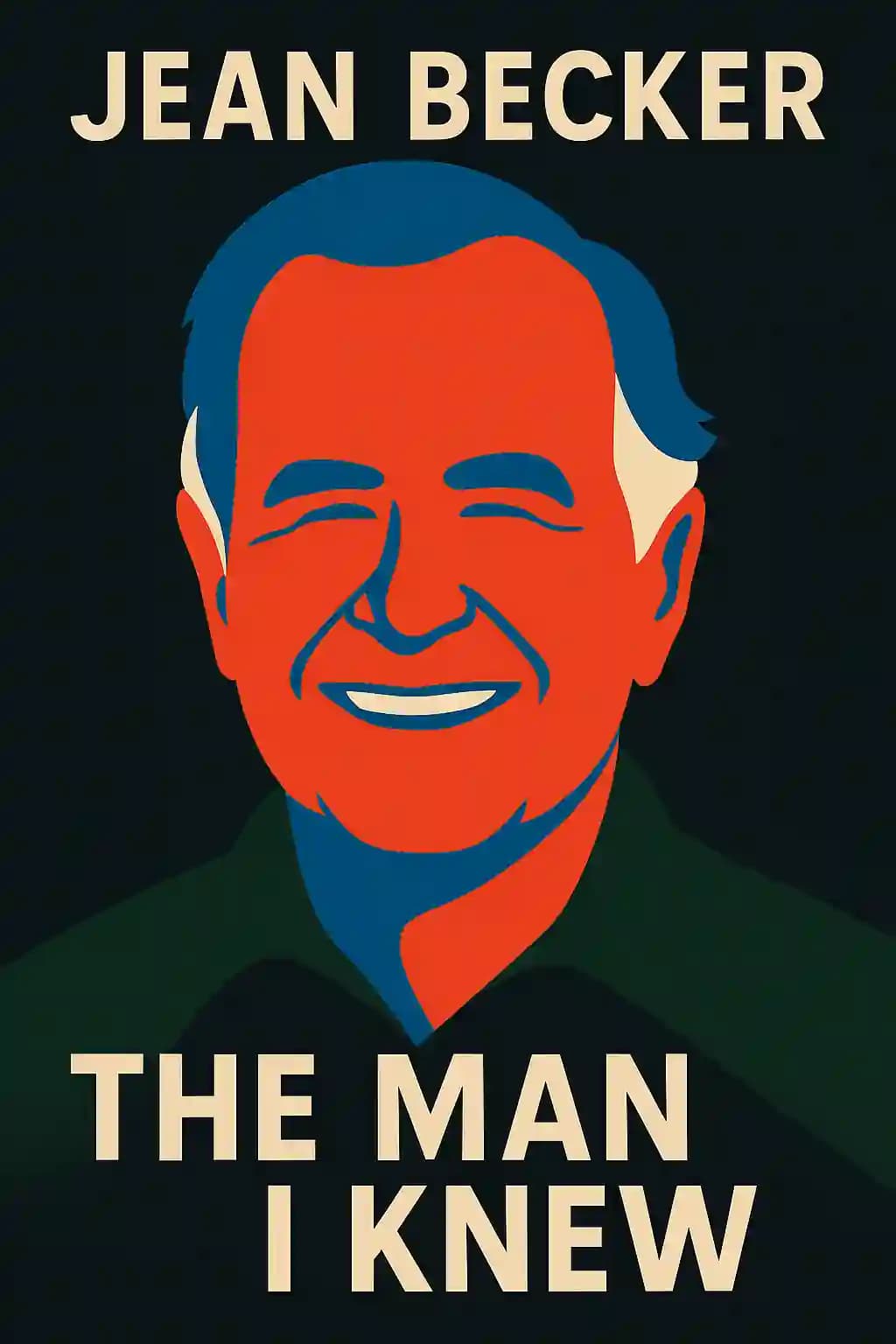
Jean Becker is the New York Times bestselling author of The Man I Knew: The Amazing Story of George H.W. Bush’s Post Presidency, drawing on her unparalleled access as his chief of staff from 1994 until his death in 2018.
A seasoned journalist and former deputy press secretary to First Lady Barbara Bush, Becker specializes in biographical works that blend political history with intimate portrayals of leadership. Her expertise in presidential affairs stems from decades of coordinating landmark events like the Bush-Clinton Katrina Fund and editing Barbara Bush’s memoirs A Memoir and Reflections.
Becker’s other works include Pearls of Wisdom and the 2024 release Character Matters: And Other Life Lessons from George H.W. Bush.
A University of Missouri Journalism Hall of Fame inductee, she serves on boards for Points of Light and the George and Barbara Bush Foundation. The Man I Knew has been celebrated for its heartfelt exploration of Bush’s legacy of compassion and diplomacy.
The Man I Knew chronicles George H.W. Bush’s post-presidency years (1993–2018), offering an intimate portrait of his leadership, philanthropy, and personal character. Jean Becker, his longtime chief of staff, shares behind-the-scenes stories about pivotal moments like the Bush-Clinton Katrina Fund partnership, his skydiving adventures, and his commitment to bipartisan diplomacy.
This book appeals to political history enthusiasts, leadership scholars, and admirers of George H.W. Bush. It’s ideal for readers seeking insights into presidential legacies, bipartisan collaboration, or the human side of public figures through personal anecdotes and never-before-shared correspondence.
Yes, particularly for its firsthand account of Bush’s humility, resilience, and dedication to service. Becker’s unique perspective—forged over 25 years as his confidante—reveals lesser-known facets of his life, including his response to personal loss and his role as a mentor to later presidents.
The book highlights Bush’s emphasis on quiet diplomacy, loyalty, and humility. Examples include his refusal to criticize successors publicly, his handwritten notes to strangers, and his collaboration with Bill Clinton on disaster relief efforts—a model of post-partisan leadership.
Bush navigated health struggles (including Parkinson’s disease), the deaths of close friends like Barbara Bush and Millie his dog, and the emotional weight of his son George W. Bush’s presidency. Becker details how he maintained optimism through family bonds and adventurous pursuits like skydiving.
Key initiatives include:
Becker combines professional insight (as chief of staff) with personal anecdotes, revealing Bush’s wit, vulnerability, and strict principles—like his “no negative campaigning” rule. She also shares archival materials, including letters showcasing his empathy.
Unlike comprehensive biographies (e.g., Jon Meacham’s Destiny and Power), Becker’s account focuses exclusively on post-White House years, emphasizing Bush’s evolution as a statesman and grandfatherly figure rather than political operator.
Some reviewers note the memoir avoids deeper analysis of Bush’s policy controversies (e.g., Iraq War). However, it intentionally centers on personal growth over political debates, reflecting Becker’s close relationship with her subject.
Becker portrays their 73-year marriage as foundational to his identity, detailing Barbara’s role as his “anchor” during setbacks. Touching moments include their shared grief over Robin’s death and playful banter during his post-presidency.
In an era of political polarization, Bush’s commitment to civility and coalition-building offers a timely blueprint. The book also humanizes leadership—showing how vulnerability and humor can coexist with power.
通过作者的声音感受这本书
将知识转化为引人入胜、富含实例的见解
快速捕捉核心观点,高效学习
以有趣互动的方式享受这本书
"Are you okay?" - his final words perfectly capturing his lifelong concern for others.
I lost the election, my mother died, my dog died, and my boat crashed.
I might be president but I am George and Barbara Bush's son first.
Fix it yourself, Sir George!
将《The Man I Knew》的核心观点拆解为易于理解的要点,了解创新团队如何创造、协作和成长。
将《The Man I Knew》提炼为快速记忆要点,突出坦诚、团队合作和创造力的关键原则。

通过生动的故事体验《The Man I Knew》,将创新经验转化为令人难忘且可应用的精彩时刻。
随心提问,选择声音,共同创造真正与你产生共鸣的见解。

"Instead of endless scrolling, I just hit play on BeFreed. It saves me so much time."
"I never knew where to start with nonfiction—BeFreed’s book lists turned into podcasts gave me a clear path."
"Perfect balance between learning and entertainment. Finished ‘Thinking, Fast and Slow’ on my commute this week."
"Crazy how much I learned while walking the dog. BeFreed = small habits → big gains."
"Reading used to feel like a chore. Now it’s just part of my lifestyle."
"Feels effortless compared to reading. I’ve finished 6 books this month already."
"BeFreed turned my guilty doomscrolling into something that feels productive and inspiring."
"BeFreed turned my commute into learning time. 20-min podcasts are perfect for finishing books I never had time for."
"BeFreed replaced my podcast queue. Imagine Spotify for books — that’s it. 🙌"
"It is great for me to learn something from the book without reading it."
"The themed book list podcasts help me connect ideas across authors—like a guided audio journey."
"Makes me feel smarter every time before going to work"

免费获取《The Man I Knew》摘要的 PDF 或 EPUB 版本。可打印或随时离线阅读。
What defines us when the world stops watching? George H.W. Bush's final words-whispered to his aide just hours before death-weren't about legacy or politics. Opening his eyes one last time, he asked: "Are you okay?" This instinct to care for others, even in his dying moments, captures something profound about how we measure a life well-lived. Most defeated presidents retreat into bitterness or irrelevance. Bush did something different. After losing the 1993 election despite once holding a 91% approval rating, he transformed rejection into renewal, building a second act that rivaled his first. He jumped from airplanes at 90 despite Parkinson's confining him to a wheelchair. He partnered with the man who defeated him to save lives across continents. He proved that our greatest contributions often emerge not when cameras flash, but when character alone guides our choices. Losing the presidency crushed Bush initially. The fall from global power to private citizen happened overnight, leaving him disoriented and raw. During a Caribbean cruise shortly after leaving office, he drafted a memo outlining his new life: make enough money for Barbara's security, build his presidential library, spend time with grandchildren, help others, stay active. Just as importantly, he listed what to avoid: interfering with President Clinton, playing kingmaker, cheapening the presidency, or trying to control his historical narrative. That first year tested him. At his lowest point, Bush lamented: "I lost the election, my mother died, my dog died, and my boat crashed."