《德黑兰的狮女》摘要概述
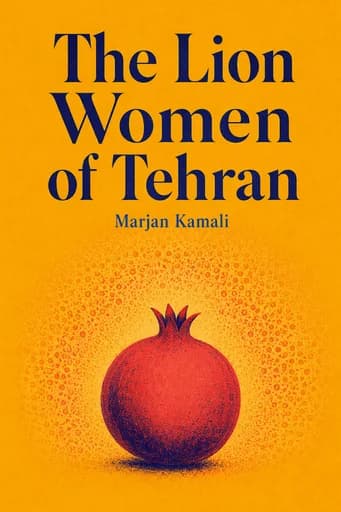
在《德黑兰的狮女》(*The Lion Women of Tehran*)中,马里安·卡马利(Marjan Kamali)在伊朗政治变革的背景下,编织了一个关于友谊与女性主义的动人故事。与《追风筝的人》相比,这部畅销书独特地融入了 2022 年玛莎·阿米尼(Mahsa Amini)抗议活动——通过令人难忘的角色让历史焕发生机。
下载《德黑兰的狮女》摘要
免费获取《德黑兰的狮女》摘要的 PDF 或 EPUB 版本。可打印或随时离线阅读。
在《德黑兰的狮女》(*The Lion Women of Tehran*)中,马里安·卡马利(Marjan Kamali)在伊朗政治变革的背景下,编织了一个关于友谊与女性主义的动人故事。与《追风筝的人》相比,这部畅销书独特地融入了 2022 年玛莎·阿米尼(Mahsa Amini)抗议活动——通过令人难忘的角色让历史焕发生机。
免费获取《德黑兰的狮女》摘要的 PDF 或 EPUB 版本。可打印或随时离线阅读。
由哥伦比亚大学校友创建 源自旧金山
"Instead of endless scrolling, I just hit play on BeFreed. It saves me so much time."


"I never knew where to start with nonfiction—BeFreed’s book lists turned into podcasts gave me a clear path."


"Perfect balance between learning and entertainment. Finished ‘Thinking, Fast and Slow’ on my commute this week."
"Crazy how much I learned while walking the dog. BeFreed = small habits → big gains."
"Reading used to feel like a chore. Now it’s just part of my lifestyle."

"Feels effortless compared to reading. I’ve finished 6 books this month already."
"BeFreed turned my guilty doomscrolling into something that feels productive and inspiring."

"BeFreed turned my commute into learning time. 20-min podcasts are perfect for finishing books I never had time for."
"BeFreed replaced my podcast queue. Imagine Spotify for books — that’s it. 🙌"

"It is great for me to learn something from the book without reading it."
"The themed book list podcasts help me connect ideas across authors—like a guided audio journey."
"Makes me feel smarter every time before going to work"
由哥伦比亚大学校友创建 源自旧金山
"Instead of endless scrolling, I just hit play on BeFreed. It saves me so much time."
"I never knew where to start with nonfiction—BeFreed’s book lists turned into podcasts gave me a clear path."
"Perfect balance between learning and entertainment. Finished ‘Thinking, Fast and Slow’ on my commute this week."
"Crazy how much I learned while walking the dog. BeFreed = small habits → big gains."
"Reading used to feel like a chore. Now it’s just part of my lifestyle."
"Feels effortless compared to reading. I’ve finished 6 books this month already."
"BeFreed turned my guilty doomscrolling into something that feels productive and inspiring."
"BeFreed turned my commute into learning time. 20-min podcasts are perfect for finishing books I never had time for."
"BeFreed replaced my podcast queue. Imagine Spotify for books — that’s it. 🙌"
"It is great for me to learn something from the book without reading it."
"The themed book list podcasts help me connect ideas across authors—like a guided audio journey."
"Makes me feel smarter every time before going to work"
"Instead of endless scrolling, I just hit play on BeFreed. It saves me so much time."
"I never knew where to start with nonfiction—BeFreed’s book lists turned into podcasts gave me a clear path."
"Perfect balance between learning and entertainment. Finished ‘Thinking, Fast and Slow’ on my commute this week."
"Crazy how much I learned while walking the dog. BeFreed = small habits → big gains."
"Reading used to feel like a chore. Now it’s just part of my lifestyle."
"Feels effortless compared to reading. I’ve finished 6 books this month already."
"BeFreed turned my guilty doomscrolling into something that feels productive and inspiring."
"BeFreed turned my commute into learning time. 20-min podcasts are perfect for finishing books I never had time for."
"BeFreed replaced my podcast queue. Imagine Spotify for books — that’s it. 🙌"
"It is great for me to learn something from the book without reading it."
"The themed book list podcasts help me connect ideas across authors—like a guided audio journey."
"Makes me feel smarter every time before going to work"
"Instead of endless scrolling, I just hit play on BeFreed. It saves me so much time."
"I never knew where to start with nonfiction—BeFreed’s book lists turned into podcasts gave me a clear path."
"Perfect balance between learning and entertainment. Finished ‘Thinking, Fast and Slow’ on my commute this week."
"Crazy how much I learned while walking the dog. BeFreed = small habits → big gains."
"Reading used to feel like a chore. Now it’s just part of my lifestyle."
"Feels effortless compared to reading. I’ve finished 6 books this month already."
"BeFreed turned my guilty doomscrolling into something that feels productive and inspiring."
"BeFreed turned my commute into learning time. 20-min podcasts are perfect for finishing books I never had time for."
"BeFreed replaced my podcast queue. Imagine Spotify for books — that’s it. 🙌"
"It is great for me to learn something from the book without reading it."
"The themed book list podcasts help me connect ideas across authors—like a guided audio journey."
"Makes me feel smarter every time before going to work"




来自《德黑兰的狮女》的相同理念。选择适合你的声音、深度和节奏,随时切换。
In the heart of Tehran, where history and personal narratives intertwine, Marjan Kamali's "The Lion Women of Tehran" emerges as a powerful testament to female resilience and friendship across decades of political upheaval. The novel has garnered praise from critics and readers alike, with The New York Times Book Review calling it "a stunning exploration of female friendship against the backdrop of a nation in turmoil." Since its publication, it has become a book club favorite, particularly resonating with readers interested in women's stories from regions often misunderstood in Western media. The novel's exploration of Iran's complex political history through the lens of intimate female friendship offers readers a window into a culture rich with tradition yet fraught with conflict. As Iranian-American actress Shohreh Aghdashloo noted, "Kamali's work reminds us that behind every headline about Iran are human stories of extraordinary courage and resilience."
In the spring of 1950, seven-year-old Elaheh (Ellie) and her mother face a dramatic reversal of fortune following her father's death from tuberculosis. Forced to leave their mansion for a modest home in downtown Tehran, Ellie's mother-who proudly claims royal Qajar lineage-constantly reminds her daughter of their aristocratic heritage. "We are not like them," she insists, forbidding Ellie from playing with neighborhood children. Her mother's bitterness stems not just from their reduced circumstances but from her complicated relationship with Uncle Massoud, their financial guardian, whom she suggests has improper intentions toward her as a widow. When Ellie begins school that September, she performs her personal good-luck ritual of tightening her braids before entering the schoolyard. There, she meets Homa, a gap-toothed, curly-haired girl whose mischievous energy initially repels the reserved Ellie. For weeks, Ellie ignores Homa despite sitting beside her, still searching for her imagined "perfect friend." The breakthrough comes when Homa simply asks if Ellie wants to play hopscotch. Despite her reservations about associating with someone her mother would consider beneath them, Ellie finds herself drawn to Homa's infectious spirit. Their friendship deepens when Ellie visits Homa's surprisingly spacious home with its courtyard and koi pond. There, she meets Homa's kind mother Monir Khanom and baby sister Sara, experiencing the warmth of a loving family that contrasts sharply with her own mother's cold grief. In Homa's kitchen, they feast on pomegranate-filled ghotab pastries, and Ellie feels both adoration and jealousy: "I wanted her family. Her living father, her kind mother. I wanted her fat, edible baby sister. I wanted the warmth and safety of her home." The kitchen becomes a sanctuary where, under Monir Khanom's guidance, the girls learn to transform simple ingredients into magical dishes. Ellie brings these culinary skills home to her mother, who allows her to take on more cooking responsibilities despite complaining about her "cavorting with riffraff." Through food, Ellie discovers a sense of purpose and connection that transcends her mother's bitterness and grief.
轻松跟读,《德黑兰的狮女》中的每个词都会随音频实时高亮。
By 1953, Ellie and Homa have become inseparable-"Ellie-o-Homa" their classmates call them. When Homa suggests they skip school for an adventure to the Grand Bazaar, Ellie reluctantly follows. Amid the sensory maze of stalls, enjoying ice cream sandwiches, they discuss their futures. Homa passionately declares her ambition to become a judge, proclaiming they could be "the first generation of women fully working in Iran." She looks at Ellie with excitement: "Can't you just see it, Ellie? Someday, you and me-we'll do great things. We'll live life for ourselves. And we will help others." She introduces the concept of "Shir zan"-lioness-to describe the strong women they could become. This carefree day ends in trouble when Ellie's mother discovers their truancy. When she disparages Homa as a "dahati" peasant from a family of "nobodies," Ellie erupts in defense of her friend, shocking herself by insulting her mother's prized royal ancestry. Though she apologizes, her mother remains coldly distant, ominously warning, "That girl will be the death of you. The sooner you get rid of her, the better." Despite this tension, their friendship flourishes. When Ellie earns the prestigious "Shagerd Aval" (First-in-Class) position at school, with Homa placing second, they celebrate together at the crowning ceremony. But Ellie's world crumbles when she returns home that day to discover her mother in bed with Uncle Massoud. Most shocking is when her mother catches her eye, brings a finger to her lips, smiles, and winks-as if they were conspirators. Soon after, Mother announces they're moving to an uptown neighborhood following her engagement to Uncle Massoud. When Ellie questions how she could marry a man she'd claimed had "no morals or decency," Mother cryptically replies, "One day you will understand there are things we sacrifice for the sake of others. So that they can have a better life." Ellie begins to suspect her mother deliberately pursued Uncle Massoud to secure their move away from Homa's neighborhood. With a heavy heart, Ellie says goodbye to Homa, carrying a pink notebook with pressed flowers and her new address as a parting gift. Homa gives her a gold-colored necklace with a fierce bird charm, her namesake. As Ellie clasps it around her neck, she promises to wear it always, knowing she is leaving not just a friend but a second home.
Seven years later, seventeen-year-old Ellie has transformed completely. Popular at her prestigious high school, she's surrounded by wealthy girls who host lavish parties and plan bold futures. The life she once knew with Homa feels like a distant memory. After moving to their echo-filled mansion, Ellie lived through the coup d'etat of August 1953 that ousted Prime Minister Mossadegh and strengthened the Shah's power. Her mother taught her to be practical, to "put herself first" and avoid politics. Though she initially wore Homa's bird charm necklace and wrote letters, their connection gradually faded. They met only twice after her move-awkward visits where her mother wouldn't even invite Homa's family inside their mansion. Puberty transformed Ellie from a chubby child to what people called "ziba" (beautiful), and she learned to use her looks to her advantage. By seventh grade, she'd stopped wearing the necklace, tucking it away in a jewelry box beside real gold and gems, convincing herself it was silly to keep a childish promise. Ellie's world is upended when Homa unexpectedly transfers to her exclusive high school. With audacious confidence, Homa introduces herself to the class and publicly declares Ellie her "bestest friend in all the world." Ellie's carefully constructed social identity crumbles as her wealthy friends laugh. Despite her embarrassment, Ellie finds herself drawn back to Homa, who carries the same pink notebook Ellie gave her when they were ten. Though Homa quickly wins over their classmates with her charisma and determination, she remains "the girl from downtown" who can't join their social activities due to distance and her after-school job. Her political awareness and passion for women's rights often clash with Ellie's comfortable complacency. While Homa works tirelessly toward university and a career in law to change the system, Ellie is consumed with daydreams of marrying her boyfriend Mehrdad. Their paths continue to diverge as they enter Tehran University-Homa studying law while Ellie pursues languages and literature. Homa becomes increasingly involved in the communist student movement, outraged by the Shah's policies and the SAVAK secret police, while Ellie prefers to avoid politics altogether. Their friendship becomes strained by their different priorities and worldviews. The tension culminates when Ellie discovers Homa has been working with Ellie's high school nemesis, Afarin Molavi, to translate revolutionary pamphlets. Jealous and insulted she wasn't asked first, Ellie demands to do the translations instead. This seemingly small moment of competition will have devastating consequences neither friend could anticipate.
The fracture in their friendship deepens at Niloo's engagement party when Ellie sees Homa talking with her fiance Mehrdad in the kitchen. Consumed by jealousy, Ellie accuses Homa of flirting and competing with her. Homa appears genuinely confused by the accusation but leaves the party to avoid further conflict. Later that evening, Ellie finds herself alone with the Colonel-Sousan's husband-in his tobacco-scented study. Despite her discomfort, she stays seated as he works on his fountain pen. He praises her generation of educated women, calling them "shir zan"-lion women-and expresses admiration for female activists. When he asks who among her friends is bravest, Ellie immediately names Homa, explaining her fearless dedication to people's rights. The Colonel seems particularly interested in her political activities, mentioning his admiration for communist women's courage despite disagreeing with their politics. The next day, horror strikes when Ellie witnesses Homa being abducted outside the university by men in dark suits who force her into a car. Later, she learns Homa has been arrested and taken to Evin Prison on charges of attempting to bring down "crown and throne." As fear and worry consume her, Ellie is haunted by a terrible suspicion that she might have inadvertently caused her friend's arrest. This suspicion is confirmed when she meets Sousan in a chilly park and learns that the Colonel is actually a SAVAK agent. "He doesn't need to talk to the agents," Sousan tells her, shocked that Ellie didn't know his true identity. Consumed by guilt, Ellie wanders Tehran's streets alone for hours that night, unable to confess to anyone that Homa's arrest was her fault. We later learn through Homa's perspective that in prison, she endured interrogation and ultimately sexual assault. Despite this trauma, when questioned about who translated the revolutionary pamphlets, Homa protected Ellie. "Because you are my friend," she would later explain simply when Ellie asked why she didn't give her up. A year after Homa's arrest, Ellie finally receives permission to visit her friend. She finds Homa living in a sparse apartment with her husband Abdol and their baby daughter Bahar. Homa explains matter-of-factly that she and Abdol married immediately after her release from prison, when she was already six months pregnant from the assault. When Ellie offers financial help, Homa bristles and asks her to leave, making her promise never to return or contact her family again: "It's the least you can do."
The years pass like autumn leaves in Tehran's winds, and Iran undergoes dramatic, sweeping changes that reshape the nation's soul. Ellie's marriage to Mehrdad unfolds in a traditional Persian ceremony - complete with a sofreh aghd laden with symbols of sweetness and light - though the empty chair meant for Homa casts a shadow over the celebrations. Despite their privileged life in northern Tehran, with its tree-lined streets and modern apartments, they face their own private battles. Ellie endures three devastating miscarriages, each loss deeper than the last, leaving them childless and grappling with a particular kind of grief that feels uniquely isolating in their child-centric culture. Meanwhile, political unrest grows in Iran like a gathering storm. Street demonstrations become more frequent, and whispered conversations about the Shah's excesses grow bolder. In 1977, when Mehrdad receives an prestigious offer from The Rockefeller University in New York, they view it as both an opportunity and an escape. They pack their life into suitcases, telling themselves and their families it's temporary - just a two-year assignment. Two weeks before their departure, fate orchestrates a chance encounter at the Grand Bazaar: Ellie spots Homa and thirteen-year-old Bahar among the spice merchants. The moment freezes in time - Bahar, nearly a woman now, with her mother's determined chin and questioning eyes. Words fail them all, and they part ways with only the barest acknowledgments. Homa's journey back from the abyss of prison proves both arduous and transformative. With Abdol's steadfast support - his quiet strength manifesting in everything from morning tea to late-night conversations - she gradually reconstructs herself. Her healing begins with small steps: daily walks in local parks, borrowed books from sympathetic neighbors, and eventually, formal education. By 1974, she has not only earned her teaching certificate but secured a position at a girls' high school, where she finds purpose in nurturing young minds. The revolution of 1978-79 awakens something in Homa that prison couldn't extinguish. When Ayatollah Khomeini's government mandates the hijab, she joins thousands of women in Tehran's streets, their voices united in the powerful chant "Freedom has no musts." These protests mark her return to activism, though now tempered with hard-won wisdom about its costs. The outbreak of the Iran-Iraq War in 1980 brings new terrors - air raid sirens wailing through the night, families huddled in basements, the constant threat of Iraqi missiles. Tragedy strikes with cruel precision when Abdol visits Abadan for work and becomes one of 377 victims in the Cinema Rex fire - a catastrophe that would later be recognized as a catalyst for the revolution. Suddenly a widow in a war-torn country, Homa faces an impossible choice regarding sixteen-year-old Bahar. The nightly bombing raids, the increasing restrictions on women's freedoms, and the growing political persecution force her hand. In a moment of desperate maternal love, she reaches out to Ellie's mother, seeking a path to safety for Bahar through their old connections. "Just until things get right again," she promises herself, knowing deep down that some separations, like some revolutions, become permanent.
轻松跟读,《德黑兰的狮女》中的每个词都会随音频实时高亮。
In December 1981, Ellie receives an unexpected letter from Homa after seventeen years of estrangement. When they speak on the phone, Homa reveals Abdol's death and desperately asks if seventeen-year-old Bahar can stay with Ellie and Mehrdad in New York to finish high school away from the war and oppressive regime. Though initially overwhelmed by the request, Ellie and Mehrdad agree to help. Bahar arrives in January 1982, a skinny girl with curly dark hair who insists her stay is temporary: "It's just until things calm down in Iran. This new regime can't last much longer." She has complete faith in her mother: "She is fighting them tooth and nail. She won't stop till they are toppled." As Ellie helps Bahar adjust to American high school, she's surprised to learn that Homa shared stories about their childhood friendship throughout Bahar's life. Even more shocking is Bahar's revelation that Homa cut contact not out of anger but concern for Ellie's safety under surveillance. In June 1982, Homa herself arrives in New York for a visit. Despite Ellie's attempts to confess her role in Homa's arrest, Homa initially deflects. During their exploration of New York City, Homa reveals what saved her after prison: family, walking, and books. "Did you know that books can heal you? They helped restore me." Their reconciliation comes to a head when Bahar ends up hospitalized after drinking too much at a prom after-party. Sitting by Bahar's hospital bed, Ellie finally confesses her long-held guilt about inadvertently causing Homa's arrest. To Ellie's shock, Homa reveals she already suspected this but had protected Ellie when interrogated in prison. The authorities wanted the translator of political pamphlets-Ellie-but Homa refused to name her despite torture and rape. "Because you are my friend," Homa says simply when Ellie asks why she didn't give her up. Homa offers forgiveness, refusing to let either regime steal her dignity or capacity for joy despite all she's endured. In this moment of reconciliation between the friends, Bahar finally opens her eyes.
The night before Homa returns to Iran, she and Ellie spend their final hours together in the warmth of Ellie's kitchen, their hands working in tandem as they prepare traditional dishes. The familiar scents of saffron, dried lime, and fresh herbs fill the air - a sensory reminder of their shared history. Homa speaks of her plans to apply for refugee status immediately upon return, though her voice carries the weight of someone torn between duty and survival. "If we all leave, what will happen to Iran?" she asks, her words hanging heavy in the kitchen's steam. She speaks of her students waiting for their next lesson, of the women's organization she built from nothing, of the resistance movement that still needs her voice. As they methodically prepare ghormeh sabzi - chopping parsley, cilantro, and fenugreek leaves with practiced precision - Homa reaches into her bag and presents Ellie with a gift that bridges their past and present: the same pink notebook Ellie had given her in their childhood. Its pages, now yellowed with age, contain more than just her mother's carefully transcribed recipes; they hold the essence of their cultural heritage. Each recipe is annotated with memories, variations, and secret techniques passed down through generations. Homa shares her vision of Ellie opening an Iranian cafe in America, not just as a business venture but as a cultural bridge, a way to share their heritage through the universal language of food. "We'll do it together," Homa promises with characteristic optimism, "Of course, I'll come back. Just as soon as they let me." The reality that unfolds after Homa's return to Iran in 1982 is harsh and immediate. She's arrested at the airport, her belongings confiscated, and she endures four years of imprisonment marked by interrogations and isolation. The following two decades see her under constant surveillance, forbidden from leaving the country. Yet she maintains an unbreakable connection with Bahar and Ellie through whatever means available - letters smuggled out through trusted friends, rare international phone calls, carefully worded emails, and precious photographs that cross borders more easily than people. When she finally receives permission to visit America in 1997, she finds her daughter Bahar at 33 - a woman who has built her own life, married, and carries herself with the same strength her mother showed years ago. Without legal status to remain, Homa returns to Iran, where she continues her quiet but persistent activism, teaching women to read in secret locations and organizing underground discussion groups. The novel's powerful conclusion in 2022 shows how some flames never dim. When Bahar's family discovers viral footage of seventy-nine-year-old Homa at the protests following Mahsa Amini's death, they witness her indomitable spirit unchanged by time. Despite her age and a limp from old injuries, she marches in the front lines, her fist raised high above her silver hair, leading the chant that echoes through Tehran's streets: "Zan, Zendegi, Azadi." Ellie and Bahar watch the video repeatedly, tears in their eyes but pride in their hearts. "Of course she'd be in the streets," Ellie whispers, while Bahar adds with knowing certainty, "I would expect nothing less." In her final letter to granddaughter Leily, Homa weaves together personal reflection with historical perspective. She describes the current protests as part of a larger tide - like ocean waves that gather strength from countless drops of resistance over decades. Her words to Leily transcend traditional grandmotherly advice, offering instead a blueprint for living with purpose. Rather than wishing for conventional success or material achievements, she bestows three hopes: the freedom to choose one's path, the ability to find joy in life's tender moments that balance out its harshness, and most importantly, the courage to "love madly" - both people and causes worth fighting for.
At its core, "The Lion Women of Tehran" is a testament to the transformative power of female friendship across time, distance, and political upheaval. Ellie and Homa's bond - formed in childhood over shared meals, hopscotch games, and whispered secrets in the garden of Homa's family home - survives betrayal, imprisonment, revolution, war, and exile. Their relationship embodies the novel's central theme: that women's connections to each other can be a form of resistance against oppressive regimes and circumstances. Through decades of separation and silence, their early memories of solidarity serve as an anchor, proving that genuine friendship can transcend even the most challenging circumstances. The title's reference to "lion women" (shir zan) captures the essence of female courage in the face of seemingly insurmountable obstacles. This traditional Persian term, historically reserved for women of exceptional bravery, takes on new meaning throughout the narrative. From Homa's dangerous political activism in Tehran's underground resistance to Ellie's painful journey toward self-forgiveness, from Bahar's courageous adaptation to life as a refugee to the unnamed women protesting in Tehran's streets, the novel celebrates women who refuse to be silenced or diminished. Each character demonstrates different forms of strength - some quiet and sustained, others fierce and explosive. Through the intimate lens of this friendship, Kamali masterfully illuminates Iran's complex political history from the 1950s through 2022, showing how ordinary lives are shaped by extraordinary events. The narrative weaves together personal moments - shared cups of tea, borrowed books, secret letters - with historical upheavals: the 1953 coup against Mossadegh, the 1979 Revolution, the Iran-Iraq War, and the recent women's rights movements. The novel asks profound questions about loyalty, forgiveness, and what we owe to each other and to our homelands. It suggests that true courage lies not just in grand political gestures but in the daily acts of love and care that sustain us through our darkest moments - the shared meals, the remembered birthdays, the kept promises. The power of female friendship manifests in multiple forms throughout the novel: mothers and daughters, sisters, friends, and even strangers helping strangers. These relationships form a complex web of support and understanding that transcends generational and ideological divides. When women gather in the novel - whether in kitchens, prison cells, or protest marches - they create spaces of resistance and healing. As Homa writes to her granddaughter in the novel's final pages: "The world will not be yours to own, my Leily jan. But may you be free in it. May you have tender moments that make up for the harsh ones. And may you love. May you love madly." This passage encapsulates the novel's ultimate message: that in a world of political turmoil and personal loss, the capacity to forge and maintain deep connections with other women becomes not just a source of comfort but an act of revolution.
“坚持使用 23 天了,我每天都会打开它。它现在已经成为我的日常习惯。”
jayallen


The Throne and the Turban
This learning plan provides a deep dive into the evolution of Iranian governance, from ancient imperial strategies to modern revolutionary tactics. It is essential for history enthusiasts and political analysts seeking to understand how historical power structures shaped the modern Islamic Republic.

Female authors
This learning plan provides essential knowledge for anyone seeking to understand the vital contributions of women to world literature and feminist thought. It's particularly valuable for students of literature, gender studies, and cultural history, as well as readers who want to broaden their literary perspectives beyond traditionally male-dominated canons. By exploring both historical pioneers and contemporary voices, learners gain insight into how women writers have shaped—and continue to shape—our cultural conversations about identity, equality, and human experience.

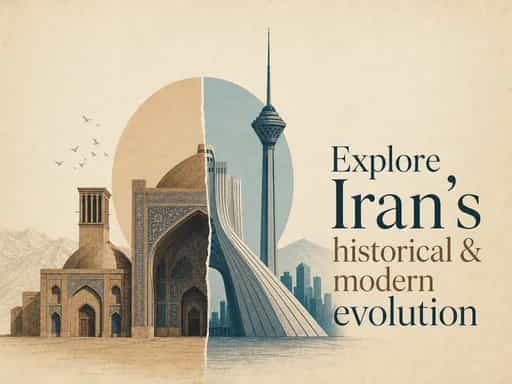
Explore Iran's historical & modern evolution
Iran represents one of the world's oldest continuous civilizations with profound influence on global history, yet is often misunderstood through contemporary geopolitical lenses. This learning plan provides crucial historical context and cultural insights for anyone interested in Middle Eastern politics, international relations, or cultural studies.

US-Iran Conflict: Past, Present & Future
This plan is essential for anyone seeking to understand the most volatile relationship in modern geopolitics. It is ideal for students of international relations, policy professionals, or curious citizens wanting to look beyond the headlines at the roots of Middle Eastern conflict.

The Female Eunuch: Reclaiming Vitality
This plan is essential for anyone seeking to understand the radical roots of modern feminism and the social construction of gender. It is ideal for students of sociology, gender studies, or readers looking to reclaim their personal autonomy from societal expectations.

The Edited Woman: Sovereignty & Artistry
This program is essential for women who feel their creative potential is limited by external expectations or internal blocks. It is designed for aspiring and established artists who want to align their personal autonomy with their professional craft.

Unstoppable: Women Leading Global Change
This plan is essential for aspiring and established female leaders looking to break systemic barriers and drive meaningful global change. It offers a unique blend of historical perspective, practical navigation of modern workplace dynamics, and advanced visionary leadership skills.

feminism
This plan provides a vital framework for understanding the social and political evolution of gender equality. It is ideal for students, activists, and professionals seeking to foster more inclusive and equitable environments in their personal and professional lives.