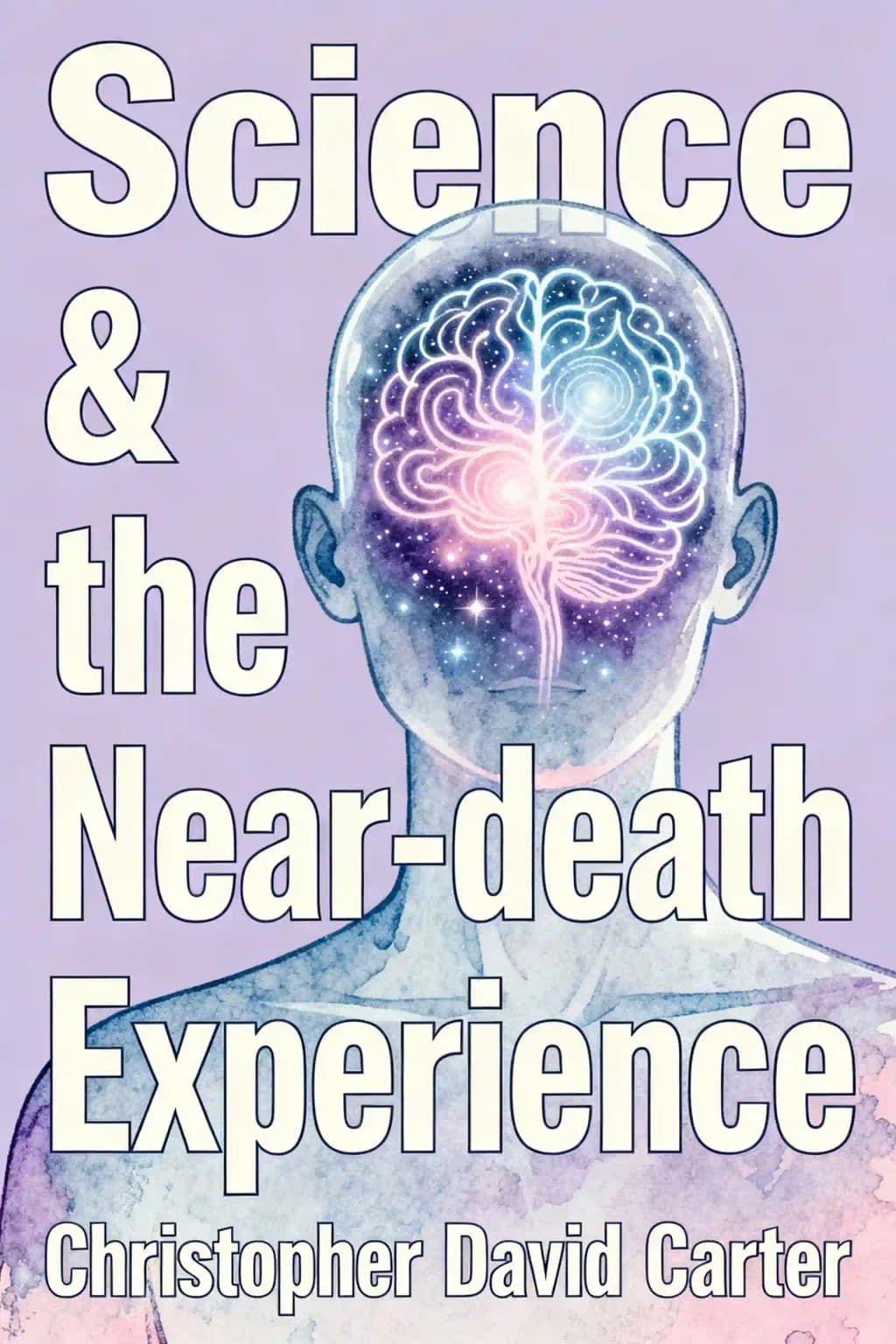
Science and the NearDeath Experience
《Science and the NearDeath Experience》概述
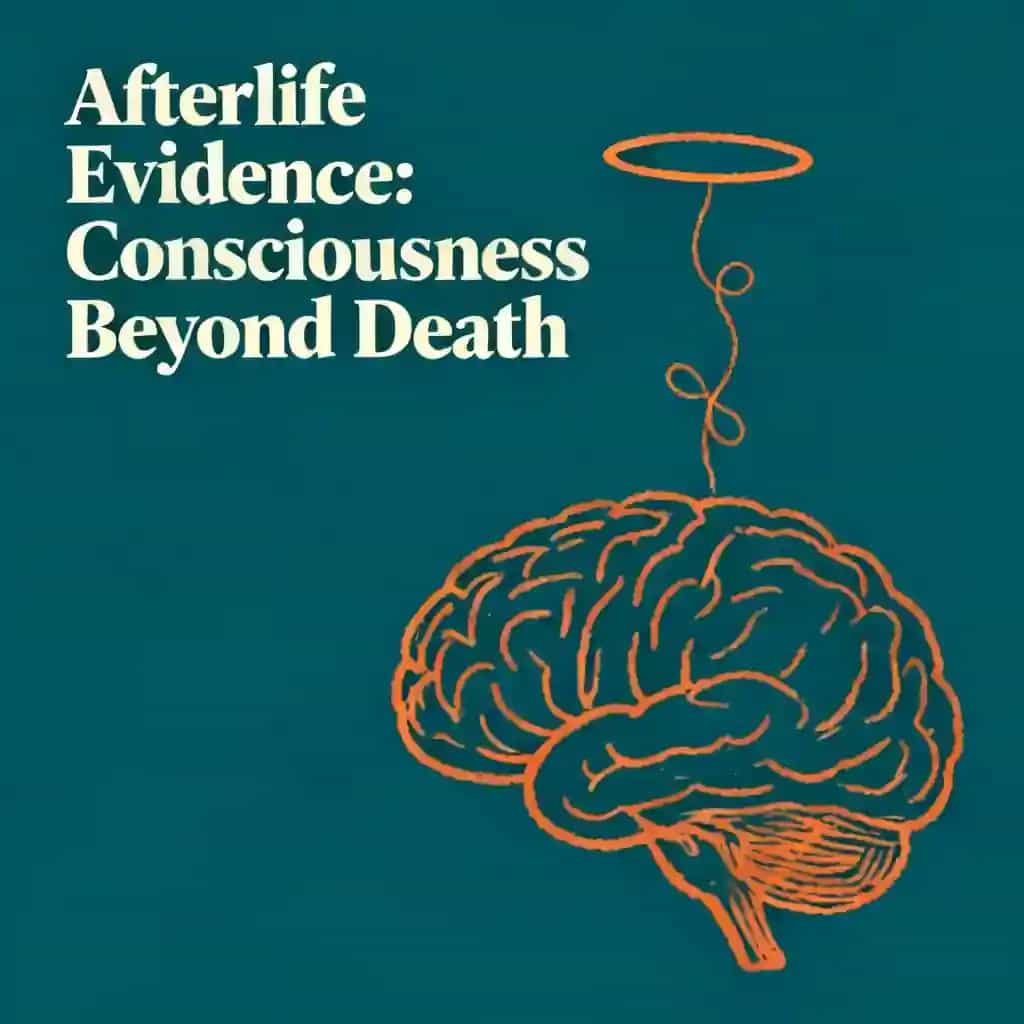
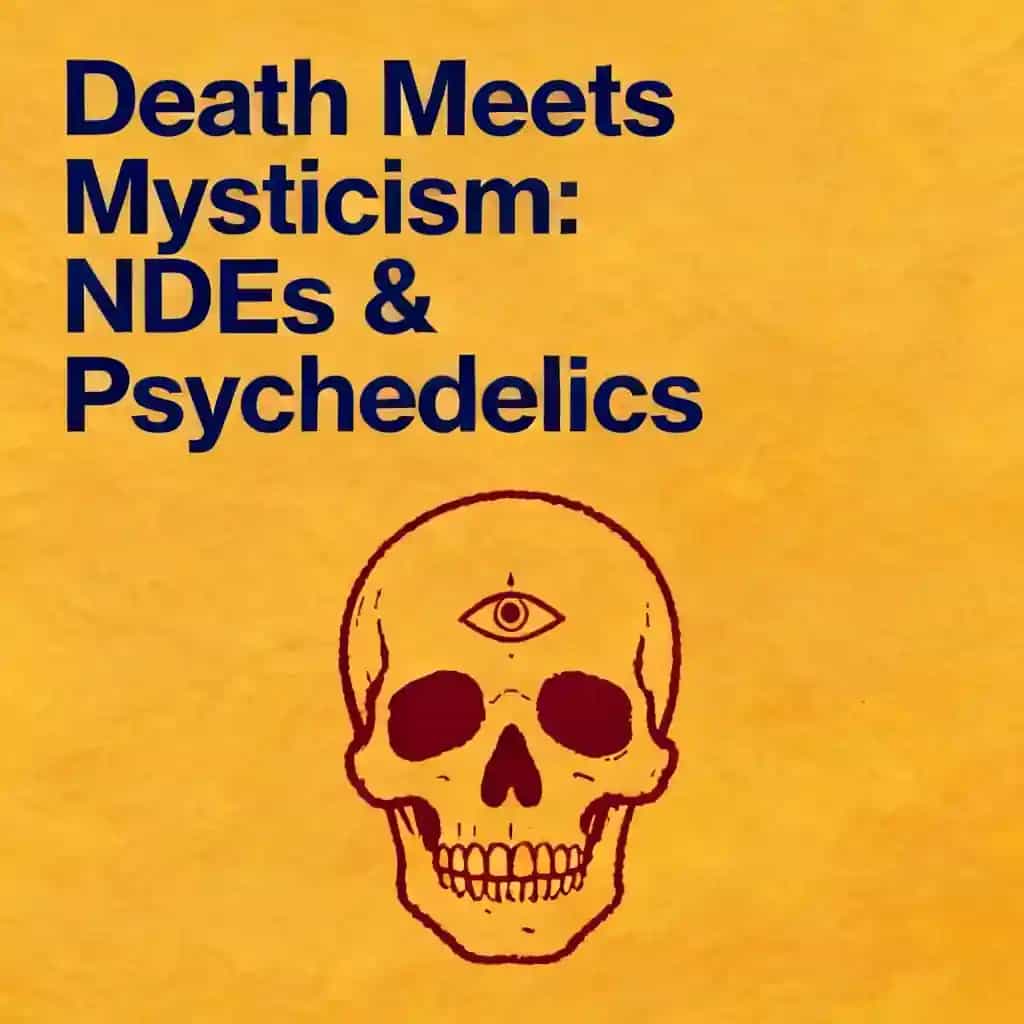
Science probes the ultimate frontier: near-death experiences. Thousands of documented cases reveal striking similarities across cultures, challenging conventional views of consciousness. Neurosurgeon Eben Alexander's own NDE transformed him from skeptic to believer. What if death isn't the end, but a doorway?
《Science and the NearDeath Experience》核心主题
- mind-brain dualism
- transmission model consciousness
- non-local memory
- materialist paradigm critique
- survival of consciousness
《Science and the NearDeath Experience》经典语录
Awareness itself does not depend on neuronal activity.
The brain functions as a receiver-transmitter between mind and body.
The mind is separate from the brain and may exist independently of it.
Modern physics has moved beyond the mechanistic Newtonian worldview.
《Science and the NearDeath Experience》主要人物
- Christopher David CarterAuthor and researcher of consciousness
- Wilder PenfieldNeurosurgeon who studied brain stimulation
- John EcclesNobel laureate who researched mind-brain interaction
- Corliss LamontPhilosopher who systematized materialist arguments
关于作者
《Science and the NearDeath Experience》作者介绍
Christopher David Carter, author of Science and the Near-Death Experience, is a researcher and author specializing in consciousness studies, parapsychology, and the scientific exploration of afterlife phenomena.
His work critically examines materialist perspectives on consciousness, blending rigorous scientific analysis with case studies, quantum mechanics, and interdisciplinary research to argue for the survival of consciousness beyond bodily death. Carter’s methodical approach, noted for its balance of academic depth and accessibility, positions his books as foundational texts for readers exploring the intersection of science and spirituality.
In addition to this work, Carter has authored Science and the Afterlife Experience and Parapsychology and the Skeptics, both of which further dissect evidence for ESP, spiritual encounters, and the limitations of conventional skepticism. His writing is frequently cited in debates on consciousness research and has been praised for bridging empirical inquiry with open-minded exploration of metaphysical questions.
Carter’s contributions continue to influence discussions across scientific, philosophical, and spiritual communities, offering a nuanced framework for understanding humanity’s most profound mysteries.
下载《Science and the NearDeath Experience》摘要
免费获取《Science and the NearDeath Experience》摘要的 PDF 或 EPUB 版本。可打印或随时离线阅读。
关于本书的常见问题
Science and the Near-Death Experience examines near-death experiences (NDEs) as evidence of consciousness surviving bodily death. Chris Carter critiques materialist theories like the "dying brain hypothesis," analyzes cross-cultural NDE accounts (including blind individuals with visual experiences), and explores quantum physics' implications for consciousness. The book synthesizes scientific studies, historical cases, and philosophical debates to argue for an afterlife.
This book appeals to readers interested in consciousness studies, paranormal phenomena, or critiques of materialism. Researchers exploring NDEs, philosophers debating mind-body duality, and skeptics seeking evidence-based arguments will find it valuable. It’s also accessible to general audiences curious about life-after-death theories.
Yes—it’s praised for its rigorous analysis of NDE evidence and compelling rebuttals of skeptics. Carter’s synthesis of case studies (e.g., verifiable deathbed visions) and scientific frameworks (like quantum mechanics) offers a thought-provoking challenge to materialist views. Critics call it "sober and decisive" for its balanced approach.
Carter refutes claims that NDEs result from "dying brain" activity, oxygen deprivation, or drug-induced hallucinations. He highlights cases where blind individuals report visual details during NDEs and critiques studies dismissing these as hallucinations. Carter argues such experiences defy purely physiological explanations, suggesting consciousness operates independently of the brain.
The book compares NDE narratives from diverse cultures, including Native American, Maori, Chinese, and Indian traditions. Carter notes shared elements (e.g., life reviews, out-of-body experiences) despite cultural differences, supporting the universality of NDEs as genuine phenomena rather than culturally constructed hallucinations.
Carter cites physicists who propose consciousness exists beyond the brain, aligning with quantum theories where observation affects reality. This framework challenges materialism by suggesting consciousness could persist after death, independent of physical bodies.
Carter engages skeptics like Kevin Nelson, who attributes NDEs to brain activity under stress. He rebuts Nelson’s claims by emphasizing cases where NDEs occur during clinical death (no measurable brain activity) and critiques the assumption that similarity to non-fatal hallucinations invalidates NDEs.
- Blind individuals reporting vivid visual elements during NDEs.
- Deathbed visions where dying patients describe deceased relatives or spiritual beings, often corroborated by bystanders.
Many readers report shifted views on life’s purpose and reduced fear of death. Carter’s analysis of post-NDE personality changes (e.g., increased empathy, lost materialism) underscores these experiences’ transformative potential.
Unlike anecdotal compilations, Carter prioritizes scientific rigor—dissecting peer-reviewed studies, historical records, and skeptics’ counterarguments. It’s often compared to Life After Life but with a stronger emphasis on debunking materialist critiques.
Chris Carter (not the X-Files creator) is a researcher focused on consciousness and paranormal phenomena. He holds degrees in philosophy and has authored a trilogy on scientific evidence for consciousness surviving death, including Science and Psychic Phenomena.
- Consciousness may operate independently of the brain.
- NDEs provide consistent, verifiable evidence across cultures.
- Materialist explanations fail to account for all aspects of NDEs.
- Quantum physics and afterlife theories warrant further research.