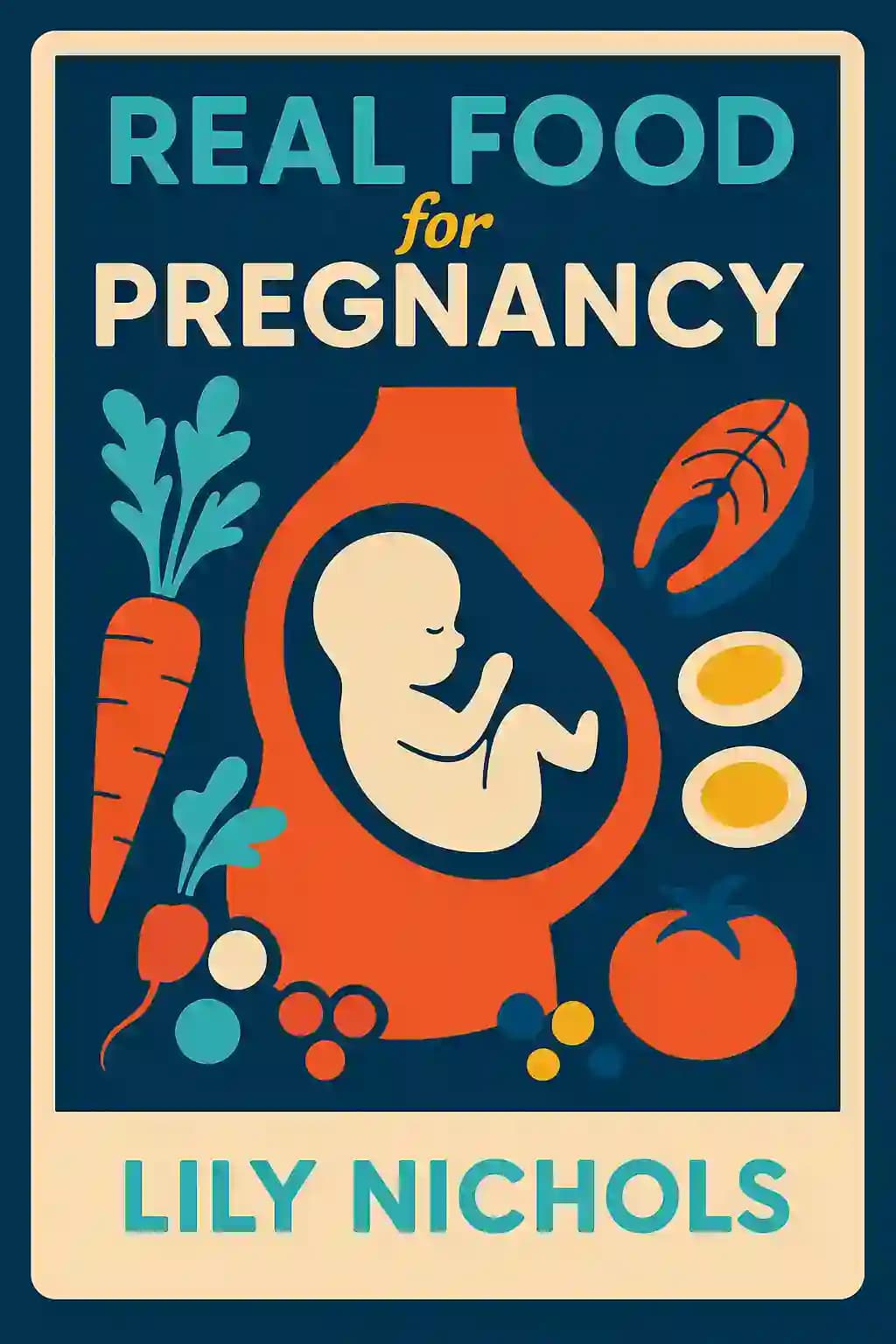
《孕期真食物》摘要概述
《真食物孕期指南》(Real Food for Pregnancy)引用了 930 份科学文献,彻底革新了产前营养学,并对那些“弊大于利”的陈旧准则发起了挑战。如果胎儿的最佳发育所需的营养密集型食物——包括肝脏和鸡蛋等具有争议的选择——比传统观念所建议的更多,该怎么办?
下载《孕期真食物》摘要
免费获取《孕期真食物》摘要的 PDF 或 EPUB 版本。可打印或随时离线阅读。
《真食物孕期指南》(Real Food for Pregnancy)引用了 930 份科学文献,彻底革新了产前营养学,并对那些“弊大于利”的陈旧准则发起了挑战。如果胎儿的最佳发育所需的营养密集型食物——包括肝脏和鸡蛋等具有争议的选择——比传统观念所建议的更多,该怎么办?
免费获取《孕期真食物》摘要的 PDF 或 EPUB 版本。可打印或随时离线阅读。
由哥伦比亚大学校友创建 | 源自旧金山
平均评分
7,840+ 条 App 评分
BeFreed 社区
说真的,我还没把这个 app 完全摸透,但用了这几天已经被惊艳到了… BeFreed 和我用过的任何学习类 app 都不在一个层级。它让人特别投入,还能实实在在地提升专注力,对刷手机停不下来的人来说太合适了!
@ladyInfinity
我买 BeFreed 正好 23 天,从那以后每天都在用。它已经完全融入了我的日常工作流和学习习惯。
@jayallen
说实话,这个 app 超出了我所有的预期。我可以让它就任何主题生成音频,无论是什么,效果都很惊艳。我的专业领域是心理治疗方向,而且是多学科交叉的,但它给出的内容非常准确。
@Raguipa
我最感激的是它大大减少了我刷手机的时间——花在搜索上的时间少了,吸收信息的时间多了。完整有声书、播客加上学习计划的组合,真的很出色。
@colonyofcreatorsNGO
我做 PhotoReading 快速学习讲师已经 24 年了… 书籍、阅读和学习就是我的本行,而 BeFreed 用一种创新的方式,把知识变得特别容易吸收,做得非常出色。
@BeFreed user
它不只是一个书籍摘要 app。我用过「有趣」这个阅读模式,比传统方式的摘要好得多,理解观点也更容易,光这一点就值回票价。
@austinakon
我爱这个 app。用了几天,完全停不下来。作为开始,再好不过了。
@jcrules328
我真的很喜欢这个产品;已经试用了大概一个月,感觉挖到宝了。它特别好用,因为我可以用 BeFreed 创建自己想学的主题,声音也很棒,旁白选择多到用不完。
@DanielCZ
我特别喜欢它能把有用的信息和想法浓缩成 8-15 分钟的播客式音频。我本来不太爱听播客,因为废话太多,但它把这些全都去掉了。
@BeFreed user
我正在读博士的最后阶段,需要读大量不熟悉的材料… 用 BeFreed,只要输入一个提示,app 就会帮你找到源材料并生成一期音频播客。我觉得 BeFreed 的流程比 NotebookLM 更顺畅。
@Brad
我经常在做早餐、散步、通勤的时候上 YouTube 找点东西听,而 BeFreed 提供了更有针对性的选择,没有广告,也没有废话!
@BeFreed user
这个平台最棒的地方是它的多面性。真的没有任何主题是它讲不了的,你丢给它什么它都能处理… 很少能找到一个毫无限制、又真正兑现承诺的学习工具。
@jayallen
BeFreed 太棒了。界面好用,让我花在找功能上的时间更少,花在学习上的时间更多。有声书、播客和学习计划的组合是天才设计,彻底改变了我的日常。
@BeFreed user
一开始我花了点时间才弄明白怎么生成意大利语的播客,然后就——哇!太棒了!我可以让它讲解任何一个话题,它讲得又好又聪明!
@matteo77
BeFreed 已经成了我每天都用的有声书 app… 我最喜欢的是,把自己的文字放进去,它就能生成随时随地都能听的音频。
@kotanzu1




来自《孕期真食物》的相同理念。选择适合你的声音、深度和节奏,随时切换。
Despite advocating for obtaining nutrients primarily from food, some nutrients are difficult to get in adequate amounts from diet alone, especially during pregnancy when needs increase. Not all prenatal vitamins are created equal-many fall short on vitamin D, E, iron, zinc, magnesium, and folate even with decent diets. Vitamin D is unique because it's primarily obtained through sun exposure rather than diet. Deficiency is common during pregnancy (20-85% globally), with darker-skinned individuals having a 6-fold higher risk. A landmark study found that 4,000 IU daily was both safe and effective, with 82% of women achieving sufficient levels compared to just 50% in the 400 IU group. Despite this research, most prenatal vitamins contain only 400-600 IU. DHA, an essential omega-3 fatty acid, is crucial for your baby's brain and eye development. During the last trimester, babies accumulate about 67mg of DHA daily. Studies show benefits with higher maternal intake-one found better hand-eye coordination in children whose mothers took 2,200mg daily during late pregnancy, while another showed improved problem-solving at age four with maternal supplementation of 1,200mg. Our bodies contain more bacterial cells than human cells-a 10:1 ratio-with most residing in our gut where they influence not just digestion but also immunity. Research shows the placenta contains bacteria that transfer to the developing baby throughout pregnancy. Studies show probiotic consumption during pregnancy can reduce gestational diabetes risk by 23% and lower the chance of having a large baby.
Exercise during pregnancy has become a controversial topic despite centuries of pregnant women engaging in regular physical activity. The scientific evidence supporting prenatal exercise is indisputable-women who remain active during pregnancy tend to gain less weight, have lower chances of developing gestational diabetes or preeclampsia, and recover faster from childbirth. Many women fear exercise might harm their baby, but research shows the benefits outweigh the risks. Exercise during pregnancy actually benefits brain development, with studies showing babies of active mothers are born with more mature brains. These benefits extend beyond infancy, with children of active moms showing better oral skills and academic performance later in childhood. When exercising during pregnancy, be mindful of your body's changes. Increased blood volume, cardiac output and respiratory rate may make breathing feel difficult, especially in the third trimester when your baby limits lung capacity. Use the "talk test" to assess exertion-you should be able to talk but not sing during exercise.
轻松跟读,《孕期真食物》摘要中的每个词都会随音频实时高亮。
Chemical exposure during pregnancy presents significant but often overlooked risks. While public health campaigns focus extensively on avoiding certain foods like runny eggs or soft cheeses, they rarely address potentially more serious threats from everyday toxins in water bottles, cookware, and cosmetics. Hormone-disrupting chemicals in plastics pose serious risks during pregnancy. BPA and phthalates can interfere with fetal development, particularly affecting reproductive systems. Studies show BPA exposure in mice alters reproductive development, impairs milk production, and disrupts blood sugar metabolism. In humans, BPA exposure links to miscarriage, premature delivery, and behavioral problems in children. Pesticides encompass a wide range of chemicals that pose significant dangers during pregnancy. Every class of pesticide contains at least one agent capable of affecting reproductive or developmental processes. Maternal pesticide exposure has been linked to urogenital malformations, infertility issues, and increased cancer risks in offspring. Boys born to pesticide-exposed mothers show abnormal genital development, decreased penile length, and reduced testicular volume. Non-stick cookware releases toxic perfluorinated chemicals (PFCs) when heated above 325F or scratched. These man-made chemicals resist breakdown and can remain in the body for 4-5 years. Nearly all pregnant women have detectable PFCs in their blood, with higher levels associated with low birthweight babies, smaller fetal measurements, preeclampsia, and disruption of reproductive and thyroid hormones. While you can't control everything (like outdoor air), you can control what you eat and what products you use. Focus on reducing rather than eliminating exposure, since chronic exposure is the main concern. These practices protect not just your developing baby but your entire family for years to come. Our modern world often fails to acknowledge the critical recovery period after childbirth. While pregnant women receive plenty of attention and care, new mothers are frequently expected to resume normal activities after just a few weeks. This creates unrealistic expectations that lead many women to neglect the crucial period of rest and recovery during early postpartum months-a time vital for emotional well-being, physical healing, and bonding with your baby. Traditional cultures worldwide share remarkably similar postpartum practices centered on protecting new mothers. From China's "zuo yuezi" (sitting the month) to Mexico's "la cuarentena" and similar customs in Korea, Cambodia, India, and Tanzania, these traditions typically involve 40 days of rest where the mother's only responsibilities are recovery and infant care. Female relatives handle household duties and prepare special healing foods. Contrary to common belief, nutritional needs don't decrease after birth-they actually increase during breastfeeding as you continue growing your baby outside the womb. Your body needs significant nutritional support to recover from childbirth, replenish blood loss, heal wounds, shrink your uterus, adapt connective tissues, produce breast milk, and restore skin elasticity. Traditional postpartum foods make perfect physiological sense. Healing stretched or torn tissues requires protein-rich foods containing glycine and proline for collagen production, found in animal connective tissues and bone broth. Blood loss requires replenishment through iron-rich red meat and organ meats. Eggs and seafood provide essential nutrients that speed healing and enrich breast milk. While breastfeeding is designed to help babies survive even in dire nutritional circumstances, maternal diet does impact milk quality. Certain nutrients remain relatively stable regardless of diet (calories, protein, folate, and most trace minerals), but others directly reflect maternal intake, including vitamins B1, B2, B3, B6, B12, A, D, K, choline, DHA, selenium, and iodine. Research shows that nutrient-depleted mothers' milk may provide insufficient amounts of these critical nutrients for infant development. After pregnancy, many women are eager to resume exercise to lose weight, tone muscles, or simply feel normal again. However, your body needs significant time to heal from the physiological changes of pregnancy and birth. Exercise physiologists recommend at least 6 weeks of rest before resuming anything beyond walking and gentle rehabilitative exercises. Rushing this healing period can lead to injury, pelvic organ prolapse, worsening diastasis recti, and incontinence. The postpartum body requires patience and acceptance. While some women lose pregnancy weight quickly, many find it takes longer than expected-"9 months on, 9 months off" is a helpful mantra. Beyond weight, body shape and function transform permanently. Rather than aggressive dieting, focus on internal healing for the first 3-6 months, especially while breastfeeding. The emotional reality of new motherhood often contrasts sharply with idyllic social media portrayals. "Baby blues" with emotional swings are normal during the early months due to hormonal shifts and sleep deprivation. However, persistent depression or anxiety affecting daily functioning warrants attention-approximately 30% of women experience postpartum depression, likely an underestimate due to stigma. "Real Food for Pregnancy" challenges us to reconsider what we know about prenatal nutrition. The evidence is clear: the foods we eat during pregnancy profoundly impact not just immediate health outcomes but potentially our children's lifelong wellbeing. This isn't about perfection or rigid rules. It's about making informed choices based on both ancestral wisdom and cutting-edge research. By prioritizing nutrient-dense whole foods, balancing macronutrients for stable blood sugar, and understanding the unique nutritional demands of pregnancy, we can create optimal conditions for our developing babies. The real food approach offers a refreshing alternative to conventional prenatal nutrition-one that honors your body's intuitive wisdom while providing the specific nutrients needed during this critical time. Rather than focusing on calories or restriction, it emphasizes abundance, satisfaction, and nourishment. As more healthcare providers recognize the limitations of conventional guidelines and the power of nutrient-dense foods, we're witnessing a quiet revolution in prenatal care. Women who embrace these principles often report more energy, fewer pregnancy complications, and healthier babies-outcomes that speak louder than any theory or recommendation. The choices you make during pregnancy matter-not just for the nine months your baby grows inside you, but potentially for generations to come. By nourishing yourself with real food, you're giving your child the strongest possible start in life. And that might be the most profound act of love a mother can offer.
“坚持使用 23 天了,我每天都会打开它。它现在已经成为我的日常习惯。”
jayallen


Pregnancy fitness prep
This learning plan is essential for women preparing for pregnancy, currently pregnant, or navigating postpartum recovery who want to maintain fitness safely and effectively. It combines evidence-based practices with holistic approaches to support your body through one of life's most transformative physical experiences. Whether you're planning to conceive, already expecting, or recovering after birth, this structured approach ensures you have the knowledge to stay strong and healthy throughout your journey.

Nutrition
This comprehensive guide bridges the gap between scientific theory and practical application, making it essential for anyone looking to master their health. It is ideal for fitness enthusiasts, health-conscious individuals, or professionals seeking a holistic understanding of food psychology and performance.

The Foundational Nutrition Blueprint
This blueprint is essential for individuals looking to move beyond surface-level dieting toward a deep understanding of biological health. It is ideal for health-conscious professionals and biohackers who want to optimize their microbiome and cognitive longevity through science-backed nutrition.

The Fourth Trimester Survival Guide
The transition into parenthood is often overwhelming, yet most preparation focuses solely on birth rather than the recovery and newborn care that follows. This guide is essential for expectant and new parents who want to navigate the physical, emotional, and biological complexities of the postpartum period with confidence.
Maximize kids' growth, happiness & wellbeing
This plan is essential for parents and caregivers seeking a science-backed approach to child-rearing. It bridges the gap between developmental psychology and practical daily parenting to ensure children thrive from infancy through adolescence.

Affirmations fertility woman
This course is designed for women seeking a holistic, empowered approach to their conception journey by bridging the gap between biology and mindset. It provides evidence-based tools to reduce stress and optimize reproductive health through the transformative power of positive psychology.

Build discipline as expecting mom at 20
This plan is designed for young women at age 20 who want to transition into motherhood with structure and purpose rather than overwhelm. It bridges the gap between youthful ambition and the discipline required for a healthy pregnancy and successful parenting.
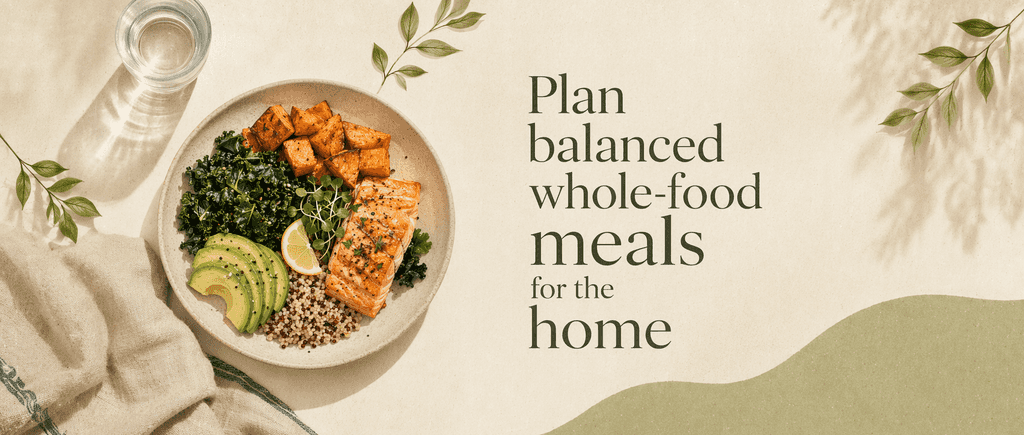
Plan balanced whole-food meals for the home
This plan is essential for busy individuals seeking to improve their family's health through consistent, home-cooked nutrition. It bridges the gap between basic food knowledge and practical kitchen execution, making it ideal for those who want to eat better without spending all day in the kitchen.