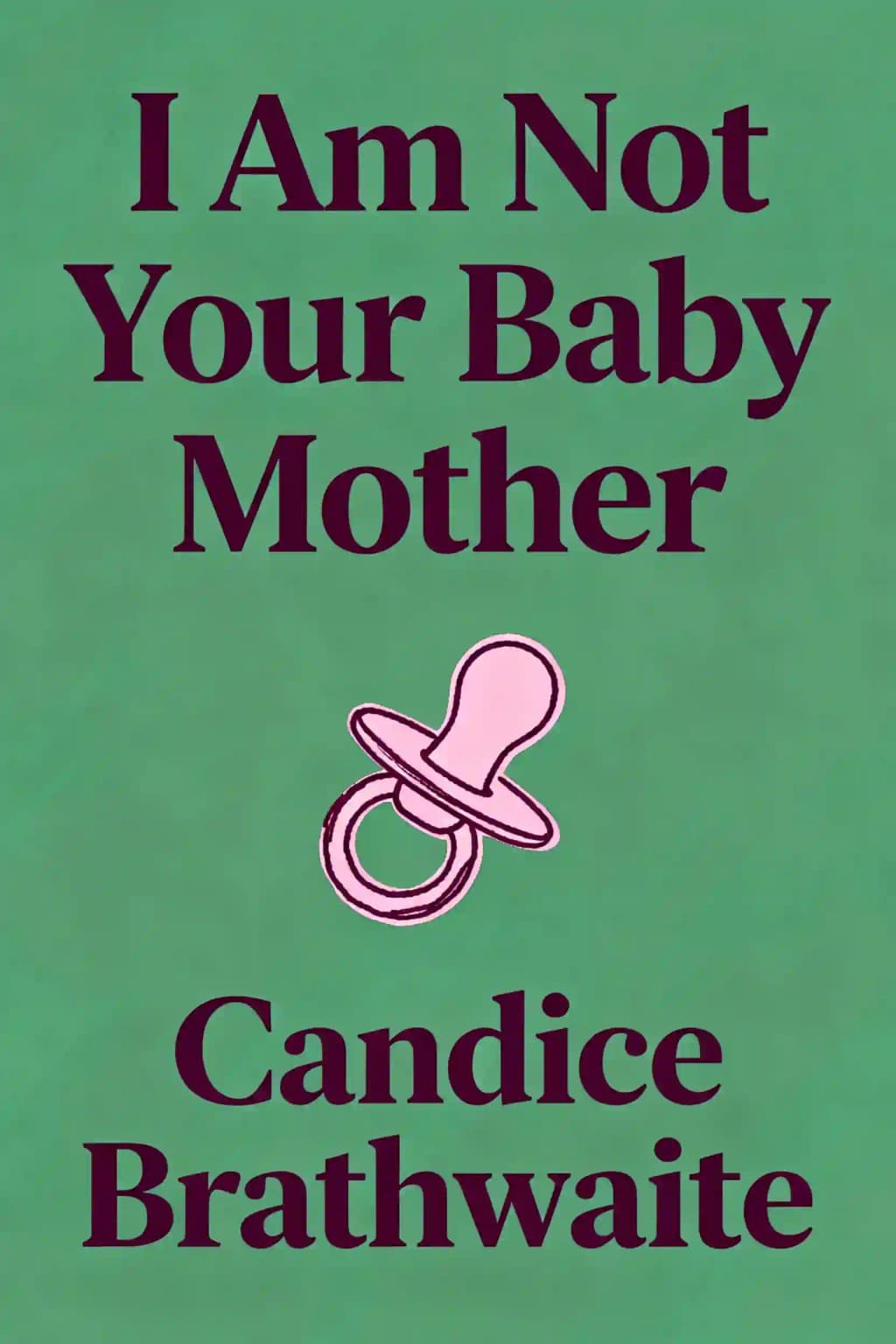
I Am Not Your Baby Mother
《I Am Not Your Baby Mother》概述
In "I Am Not Your Baby Mother," Candice Brathwaite boldly confronts Black British motherhood's invisibility. This Sunday Times bestseller sparked vital conversations about maternal healthcare inequality, with one midwife calling it "life-changing." What uncomfortable truths about racism might you discover in your own thinking?

《I Am Not Your Baby Mother》核心主题
- black british motherhood
- maternal healthcare disparities
- windrush generation legacy
- racial microaggressions
- intergenerational family trauma
《I Am Not Your Baby Mother》经典语录
Don't become someone's baby mother!
It's not about reclaiming the term-it can stay on the shelf.
My version of motherhood deserves to be seen as righteous and sacred.
I wanted a name that wouldn't reveal my child's Blackness.
《I Am Not Your Baby Mother》主要人物
- Candice BrathwaiteAuthor and protagonist sharing her journey
- VernThe author's grandmother and financial backbone
- BodeThe author's partner
关于作者
《I Am Not Your Baby Mother》作者介绍
Candice Brathwaite is the Sunday Times bestselling author of I Am Not Your Baby Mother, a groundbreaking exploration of Black British motherhood and systemic inequalities.
A prominent journalist, speaker, and advocate, Brathwaite blends memoir and social critique in this non-fiction work, drawing from her lived experiences as a mother and founder of the platform Make Motherhood Diverse.
Her expertise extends to acclaimed titles like Sista Sister (2021), a manifesto for young Black women, and Manifesto (2024), a guide to intentional living. As co-host of the million-download podcast Closet Confessions and a contributing editor to Grazia Magazine, Brathwaite amplifies conversations about race, parenting, and societal inclusivity through mainstream TV appearances and speaking engagements.
I Am Not Your Baby Mother became an instant cultural touchstone upon release, cementing Brathwaite’s reputation as a vital voice in contemporary British literature and social commentary.
下载《I Am Not Your Baby Mother》摘要
免费获取《I Am Not Your Baby Mother》摘要的 PDF 或 EPUB 版本。可打印或随时离线阅读。
关于本书的常见问题
I Am Not Your Baby Mother is a memoir exploring Black British motherhood, addressing systemic racism, representation gaps in media, and societal pressures faced by Black mothers. Candice Brathwaite shares her journey through infertility, breastfeeding struggles, and mental health challenges while advocating for inclusive narratives about motherhood.
This book is essential for Black mothers seeking validation, allies aiming to understand racial disparities in parenting, and readers interested in intersectional feminism. It’s especially relevant for those exploring themes of identity, systemic bias, and community support in motherhood.
Yes—it’s praised for its candid storytelling, wit, and urgent critique of societal norms. Reviewers highlight Brathwaite’s ability to blend personal anecdotes with broader social commentary, making it a vital read for understanding Black motherhood’s unique challenges.
Brathwaite recounts her traumatic breastfeeding journey, critiquing societal pressure to breastfeed without adequate support. She emphasizes the mental health toll on Black mothers and advocates for nonjudgmental healthcare interventions and community aid.
- Representation: The erasure of Black mothers in media and parenting discourse.
- Systemic bias: Racial microaggressions in healthcare and education.
- Community: The role of solidarity in navigating motherhood.
- Mental health: Overcoming perfectionism and seeking support.
Brathwaite links societal expectations of Black mothers to anxiety and depression, urging readers to reject “perfect mother” stereotypes. She highlights therapy and communal support as vital tools for mental wellness.
Some readers note discomfort with Brathwaite’s blunt critiques of white privilege, prompting self-reflection about defensiveness. Others desire more structural solutions beyond personal anecdotes.
She dismantles tropes like the “Strong Black Woman” by sharing vulnerabilities, from financial strain to postpartum struggles. The book calls for media diversity and policy changes to support Black families.
Brathwaite credits community groups and Black-led organizations with providing emotional refuge and practical resources. She advocates building networks to combat isolation and systemic neglect.
It addresses ongoing issues like healthcare inequities, representation gaps, and racial bias in parenting—topics amplified by movements like Black Lives Matter. Brathwaite’s work remains a touchstone for inclusive maternal advocacy.
Her experiences with infertility, financial hardship, and navigating predominantly white parenting spaces ground the narrative in authenticity. These stories humanize statistical disparities about Black maternal outcomes.
- Reject unrealistic societal expectations.
- Prioritize mental health and self-care.
- Seek culturally competent healthcare.
- Build supportive communities.
While her later books (Sista Sister, Cuts Both Ways) explore Black girlhood and fiction, this memoir remains her seminal work on motherhood, offering foundational insights into her advocacy for racial and gender equity.