How Am I Doing?: 40 Conversations to Have with Yourself

《How Am I Doing?》概述
NBA psychotherapist Dr. Corey Yeager's "How Am I Doing?" offers 40 transformative self-conversations that tackle ancestral trauma and negative self-talk. Featured on MPR News, this guide helps readers navigate mental health barriers - especially within African American communities where therapeutic dialogue remains revolutionary.
- Prioritizing yourself isn’t selfish—it’s essential for serving others effectively.
- Use daily mirror reflections to build self-awareness and emotional honesty.
- Transform mistakes into growth by analyzing their lessons, not dwelling on regret.
- Corey Yeager’s 23-second rule: Brief mindful pauses reset negative thought patterns.
- Replace self-criticism with “internal supreme court” questions for balanced self-talk.
- Reframe past regrets as foundational lessons for future decision-making.
- Schedule unapologetic “me days” to prevent burnout and maintain mental clarity.
- Narrative solution-focused therapy turns life challenges into empowering personal stories.
- Balanced positivity acknowledges racial injustice while fostering actionable hope.
- Write down moments of self-neglect to identify boundary-setting opportunities.
- Detroit Pistons-approved self-checkins optimize performance in high-pressure environments.
- “40 Conversations with Yourself” framework strengthens relationships through self-understanding.
《How Am I Doing?》作者介绍
Dr. Corey Yeager, psychotherapist and mental wellness strategist, is the author of How Am I Doing?, a self-help guide focused on personal reflection, resilience, and systemic approaches to personal and professional growth. A Doctoral-level Licensed Marriage and Family Therapist, Yeager combines his clinical expertise with firsthand experience as a former NFL draft prospect and mental wellness consultant for the NBA’s Detroit Pistons and the United Football League (UFL).
His work, rooted in addressing African American relational dynamics and organizational role clarity, bridges athletic performance and psychological well-being.
Yeager’s insights have been featured on Apple TV+’s The Me You Can’t See, co-hosted by Oprah Winfrey and Prince Harry, and he has collaborated with institutions like the Smithsonian and the Oprah Winfrey Network. With a PhD in Family Social Science from the University of Minnesota, his research emphasizes community-driven mental health strategies.
How Am I Doing? distills his methodology into actionable frameworks for self-assessment, endorsed by professionals and athletes alike. The book’s practical tools align with Yeager’s mission to foster courageous conversations about race, identity, and systemic change.
关于《How Am I Doing?》的常见问题
What is How Am I Doing? by Corey Yeager about?
How Am I Doing? by Dr. Corey Yeager is a self-help guide focused on fostering mental wellness through introspection. The book provides 40 reflective questions to help readers build self-trust, address past traumas, and develop positive self-talk strategies. It blends therapeutic insights with actionable prompts, encouraging honest self-dialogue to align daily actions with personal values.
Who should read How Am I Doing? by Corey Yeager?
This book is ideal for individuals seeking to improve their mental health, process past experiences, or cultivate self-awareness. It’s particularly valuable for those navigating anxiety, guilt, or career/personal transitions. Therapists, coaches, and fans of Oprah’s mental health advocacy (via The Me You Can’t See) may also find it impactful.
What mental health strategies does Corey Yeager recommend?
Yeager emphasizes techniques like structured self-reflection, trauma acknowledgment, and replacing negative thought patterns with affirming mantras. He also advocates for practical tools such as journaling prompts, mindfulness exercises, and crisis plans for managing anxiety or depression.
How does How Am I Doing? address past traumas?
The book guides readers to identify how past experiences influence current behaviors and emotions. Yeager provides frameworks to process guilt, regret, or unresolved pain through targeted questions, encouraging readers to reframe their narratives and prioritize healing.
What are the key takeaways from How Am I Doing??
- Self-trust: Cultivate honesty in internal dialogue.
- Trauma awareness: Recognize past impacts on present decisions.
- Positive self-talk: Replace criticism with compassionate language.
- Actionable healing: Use prompts to create mental health strategies.
How does Corey Yeager’s background influence the book?
As a psychotherapist for the Detroit Pistons and contributor to Oprah’s mental health series, Yeager blends clinical expertise with relatable storytelling. His experience in sports psychology and trauma counseling informs the book’s focus on resilience and goal-aligned behavior.
Is How Am I Doing? worth reading?
Yes, for its structured approach to self-discovery. Unlike generic self-help books, it offers specific, therapist-designed exercises (e.g., 40 guided conversations) to address mental health holistically. Readers praise its practicality for navigating anxiety and life transitions.
How does How Am I Doing? compare to other self-help books?
Unlike Atomic Habits (focused on routines) or The Body Keeps the Score (trauma science), Yeager’s book prioritizes conversational self-therapy. It’s closer to The Four Agreements in simplicity but adds clinical strategies for emotional resilience.
What criticism has How Am I Doing? received?
Some readers note the 40-question format may feel repetitive, and the emphasis on self-guided work might challenge those needing more direct advice. However, most praise its accessible blend of therapy techniques and introspection.
How can How Am I Doing? help with career or relationship growth?
The book’s reflection prompts help users align professional goals with personal values and improve communication by understanding emotional triggers. For example, Yeager’s “trust-building” questions aid in resolving workplace conflicts or relationship misunderstandings.
Does How Am I Doing? include exercises or worksheets?
Yes, each of the 40 questions includes journaling prompts, self-care strategies, and action steps. Examples include writing forgiveness letters to one’s past self or creating a “mental health toolkit” for low-mood days.
Why is How Am I Doing? relevant in 2025?
Amid rising awareness of mental health and workplace burnout, Yeager’s focus on sustainable self-care and trauma-informed growth aligns with 2025 trends toward holistic well-being. Its adaptable framework suits remote workers, leaders, and students alike.
通过作者的声音感受这本书
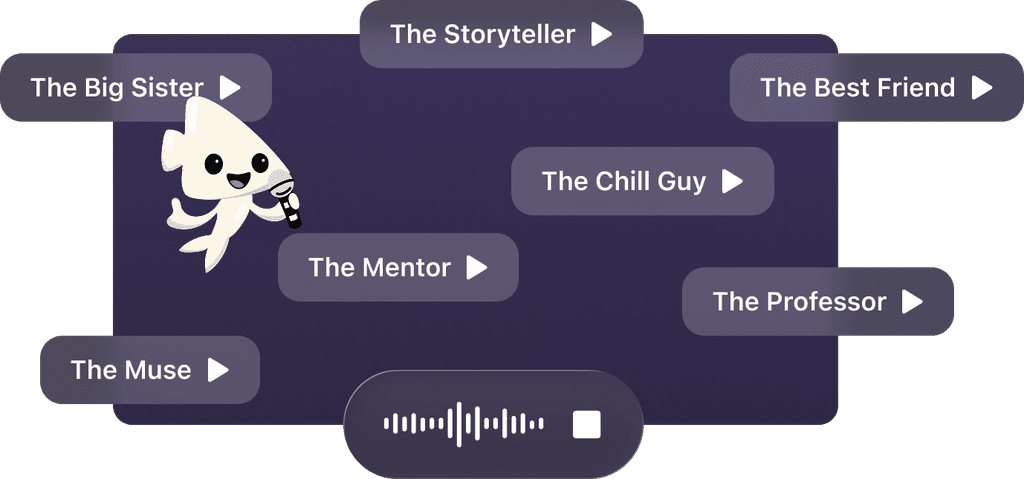
将知识转化为引人入胜、富含实例的见解
快速捕捉核心观点,高效学习
以有趣互动的方式享受这本书
《How Am I Doing?》主要人物
- Dr. Corey YeagerAuthor and psychotherapist for Detroit Pistons
《How Am I Doing?》核心主题
- internal dialogue
- emotional wellness
- self-care boundaries
- intentional goal-setting
- radical self-reflection
《How Am I Doing?》经典语录
Without recognizing your primary importance in your own life, you'll constantly seek external validation and direction.
My career demonstrates that wild dreams aren't necessarily out of reach.
"Wildest" means no naysayers, no time constraints, daring to imagine what the future might hold.
Remember that every great achievement started as someone's "wild" dream.
探索你的学习方式
 快速摘要模式
11分钟阅读或收听《How Am I Doing?》摘要
将《How Am I Doing?》的核心观点拆解为易于理解的要点,了解创新团队如何创造、协作和成长。

 趣味模式
趣味模式
《How Am I Doing?》的启示 - 22分钟故事
通过生动的故事体验《How Am I Doing?》,将创新经验转化为令人难忘且可应用的精彩时刻。
 个性化模式
个性化模式
用你自己的学习方式体验《How Am I Doing?》
随时提问,选择你的学习方式,共创真正适合你的洞察。
"Instead of endless scrolling, I just hit play on BeFreed. It saves me so much time."


"I never knew where to start with nonfiction—BeFreed’s book lists turned into podcasts gave me a clear path."


"Perfect balance between learning and entertainment. Finished ‘Thinking, Fast and Slow’ on my commute this week."
"Crazy how much I learned while walking the dog. BeFreed = small habits → big gains."
"Reading used to feel like a chore. Now it’s just part of my lifestyle."

"Feels effortless compared to reading. I’ve finished 6 books this month already."
"BeFreed turned my guilty doomscrolling into something that feels productive and inspiring."

"BeFreed turned my commute into learning time. 20-min podcasts are perfect for finishing books I never had time for."
"BeFreed replaced my podcast queue. Imagine Spotify for books — that’s it. 🙌"

"It is great for me to learn something from the book without reading it."
"The themed book list podcasts help me connect ideas across authors—like a guided audio journey."
"Makes me feel smarter every time before going to work"
"Instead of endless scrolling, I just hit play on BeFreed. It saves me so much time."
"I never knew where to start with nonfiction—BeFreed’s book lists turned into podcasts gave me a clear path."
"Perfect balance between learning and entertainment. Finished ‘Thinking, Fast and Slow’ on my commute this week."
"Crazy how much I learned while walking the dog. BeFreed = small habits → big gains."
"Reading used to feel like a chore. Now it’s just part of my lifestyle."
"Feels effortless compared to reading. I’ve finished 6 books this month already."
"BeFreed turned my guilty doomscrolling into something that feels productive and inspiring."
"BeFreed turned my commute into learning time. 20-min podcasts are perfect for finishing books I never had time for."
"BeFreed replaced my podcast queue. Imagine Spotify for books — that’s it. 🙌"
"It is great for me to learn something from the book without reading it."
"The themed book list podcasts help me connect ideas across authors—like a guided audio journey."
"Makes me feel smarter every time before going to work"
"Instead of endless scrolling, I just hit play on BeFreed. It saves me so much time."
"I never knew where to start with nonfiction—BeFreed’s book lists turned into podcasts gave me a clear path."
"Perfect balance between learning and entertainment. Finished ‘Thinking, Fast and Slow’ on my commute this week."
"Crazy how much I learned while walking the dog. BeFreed = small habits → big gains."
"Reading used to feel like a chore. Now it’s just part of my lifestyle."
"Feels effortless compared to reading. I’ve finished 6 books this month already."
"BeFreed turned my guilty doomscrolling into something that feels productive and inspiring."
"BeFreed turned my commute into learning time. 20-min podcasts are perfect for finishing books I never had time for."
"BeFreed replaced my podcast queue. Imagine Spotify for books — that’s it. 🙌"
"It is great for me to learn something from the book without reading it."
"The themed book list podcasts help me connect ideas across authors—like a guided audio journey."
"Makes me feel smarter every time before going to work"
"Instead of endless scrolling, I just hit play on BeFreed. It saves me so much time."
"I never knew where to start with nonfiction—BeFreed’s book lists turned into podcasts gave me a clear path."
"Perfect balance between learning and entertainment. Finished ‘Thinking, Fast and Slow’ on my commute this week."
"Crazy how much I learned while walking the dog. BeFreed = small habits → big gains."
"Reading used to feel like a chore. Now it’s just part of my lifestyle."
"Feels effortless compared to reading. I’ve finished 6 books this month already."
"BeFreed turned my guilty doomscrolling into something that feels productive and inspiring."
"BeFreed turned my commute into learning time. 20-min podcasts are perfect for finishing books I never had time for."
"BeFreed replaced my podcast queue. Imagine Spotify for books — that’s it. 🙌"
"It is great for me to learn something from the book without reading it."
"The themed book list podcasts help me connect ideas across authors—like a guided audio journey."
"Makes me feel smarter every time before going to work"

下载《How Am I Doing?》摘要
免费获取《How Am I Doing?》摘要的 PDF 或 EPUB 版本。可打印或随时离线阅读。