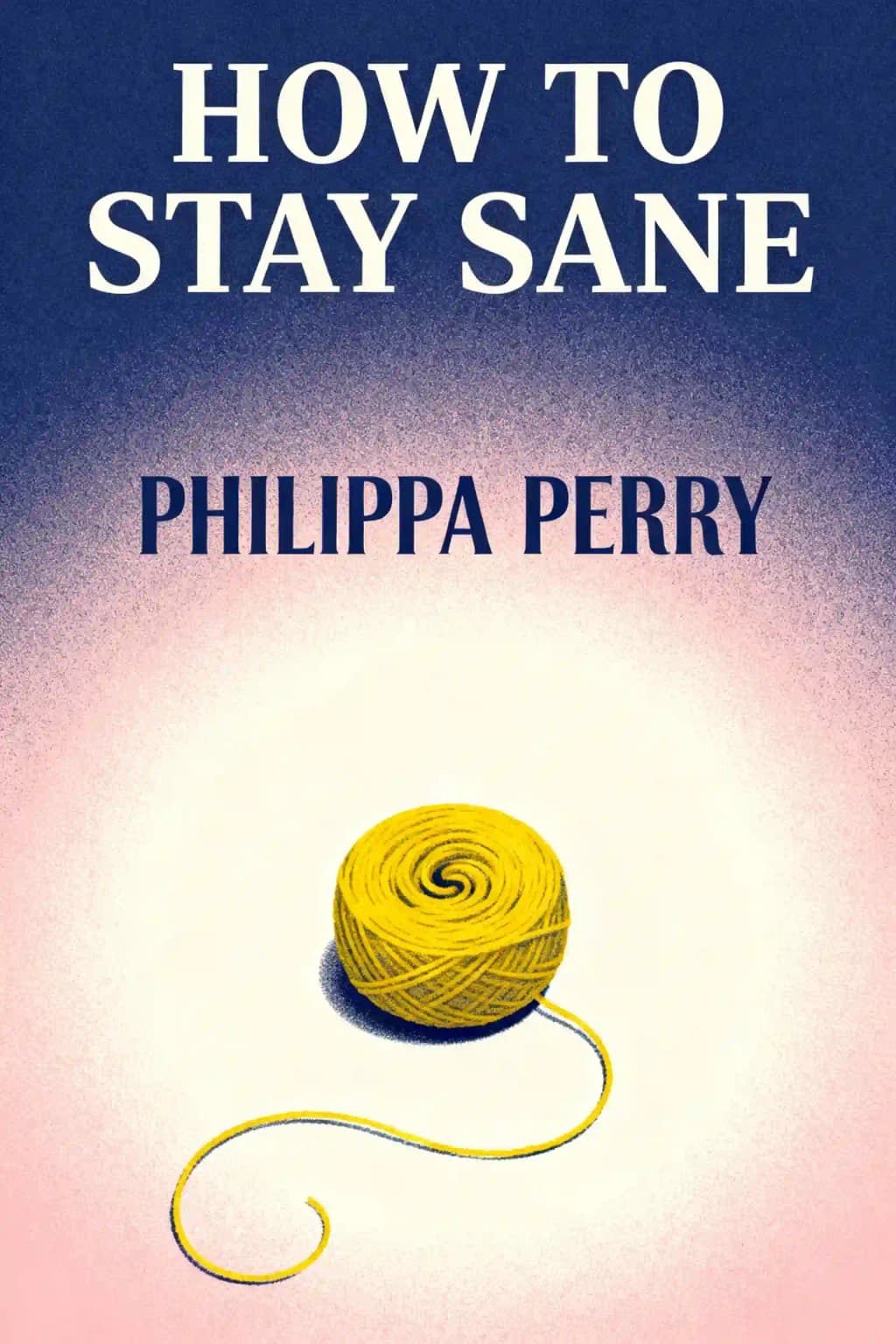
In a chaotic world, psychotherapist Philippa Perry offers neuroscience-backed sanity: self-observation, relationships, stress management, and personal narratives. This School of Life gem reveals why some live in constant crisis while others remain stuck in rigid patterns - and how you can find the balanced middle ground.
通过作者的声音感受这本书
将知识转化为引人入胜、富含实例的见解
快速捕捉核心观点,高效学习
以有趣互动的方式享受这本书
Imagine your mind as a pendulum swinging between two extremes. On one side lies chaos-overwhelming emotions, scattered thoughts, and impulsive reactions. On the other side sits rigid control-inflexible thinking, emotional suppression, and stubborn patterns. Neither extreme serves us well. True mental health exists in the dynamic middle ground where we can respond flexibly to life's challenges while maintaining a coherent sense of self. This balance isn't something we achieve once and for all-it's a continuous dance requiring awareness, practice, and compassion. When we understand the architecture of our minds and develop practical tools for self-regulation, we discover an inner resilience that transforms how we experience both joy and suffering. Your brain isn't one unified system but three distinct yet interconnected parts that evolved over millions of years. The primitive brain stem handles basic survival functions and triggers fight-or-flight responses. The emotional right brain processes feelings, relationships, and intuition, developing first in infancy. The analytical left brain brings language and logic, emerging later in development. This structure explains why we often feel internal conflict. Have you ever known something was irrational but felt powerfully drawn to it anyway? That's your emotional right brain overriding your logical left brain. These patterns form in our earliest relationships-before we even have words to describe what we're experiencing. When caregivers attune to an infant's emotions, neural pathways form that integrate emotional and logical processing. But when emotions are consistently misread or dismissed, the connection between feeling and thinking becomes compromised. The good news? Your brain remains plastic throughout life. New experiences create new neural pathways, allowing you to develop healthier patterns regardless of early experiences.
将《How to Stay Sane》的核心观点拆解为易于理解的要点,了解创新团队如何创造、协作和成长。
将《How to Stay Sane》提炼为快速记忆要点,突出坦诚、团队合作和创造力的关键原则。

通过生动的故事体验《How to Stay Sane》,将创新经验转化为令人难忘且可应用的精彩时刻。
随心提问,选择声音,共同创造真正与你产生共鸣的见解。

"Instead of endless scrolling, I just hit play on BeFreed. It saves me so much time."
"I never knew where to start with nonfiction—BeFreed’s book lists turned into podcasts gave me a clear path."
"Perfect balance between learning and entertainment. Finished ‘Thinking, Fast and Slow’ on my commute this week."
"Crazy how much I learned while walking the dog. BeFreed = small habits → big gains."
"Reading used to feel like a chore. Now it’s just part of my lifestyle."
"Feels effortless compared to reading. I’ve finished 6 books this month already."
"BeFreed turned my guilty doomscrolling into something that feels productive and inspiring."
"BeFreed turned my commute into learning time. 20-min podcasts are perfect for finishing books I never had time for."
"BeFreed replaced my podcast queue. Imagine Spotify for books — that’s it. 🙌"
"It is great for me to learn something from the book without reading it."
"The themed book list podcasts help me connect ideas across authors—like a guided audio journey."
"Makes me feel smarter every time before going to work"

免费获取《How to Stay Sane》摘要的 PDF 或 EPUB 版本。可打印或随时离线阅读。