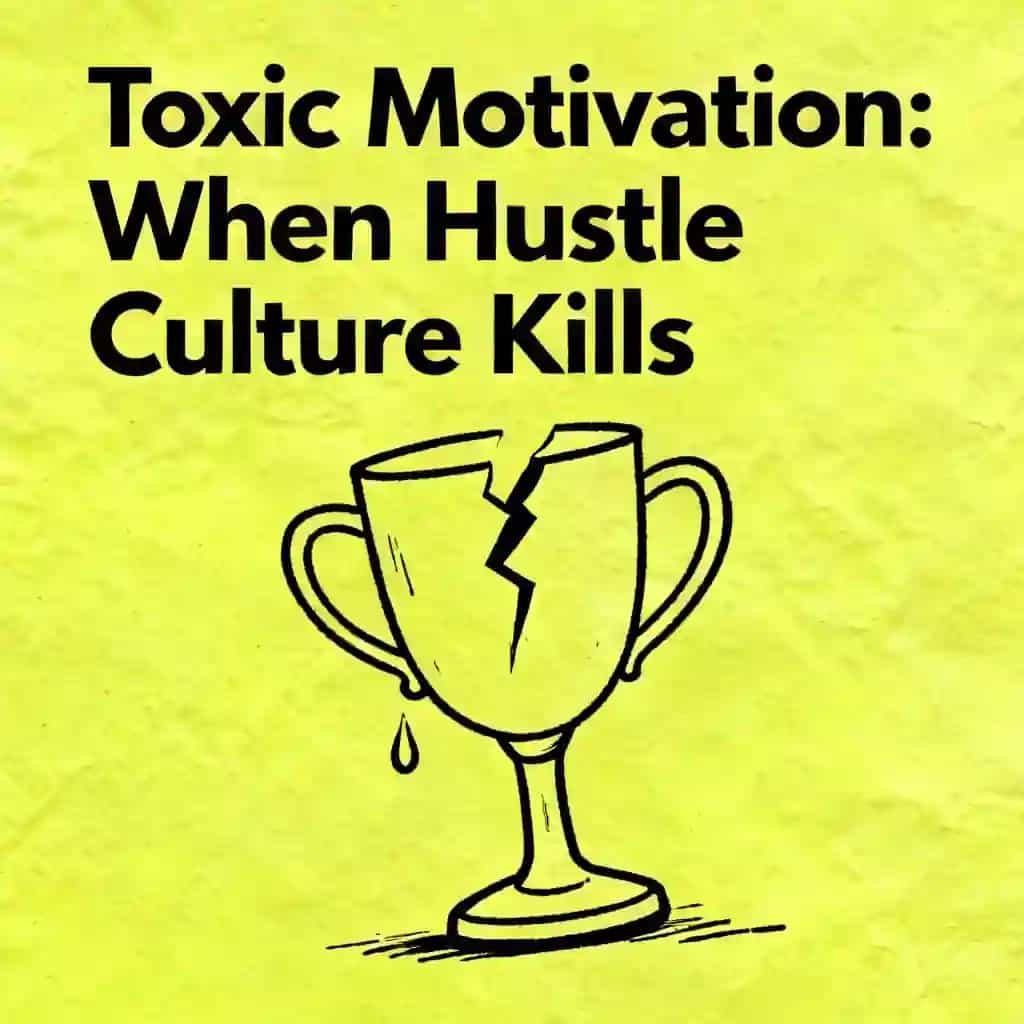
Toxic workplaces kill 120,000 Americans yearly. Stanford professor Jeffrey Pfeffer exposes how modern management literally costs lives while draining $300 billion from companies. Embraced by the American Heart Association's CEO Roundtable, this shocking wake-up call reveals why your job might be your deadliest relationship.
通过作者的声音感受这本书
将知识转化为引人入胜、富含实例的见解
快速捕捉核心观点,高效学习
以有趣互动的方式享受这本书
Your office job might be deadlier than working in a coal mine. While physical workplace hazards have decreased dramatically-occupational deaths down 65% between 1970 and 2015-a more insidious threat has emerged. Modern workplaces are creating a health crisis claiming over 120,000 American lives annually, making harmful management practices the fifth leading cause of death in the United States. This isn't hyperbole-it's the shocking conclusion from Jeffrey Pfeffer's groundbreaking research in "Dying for a Paycheck." The evidence is overwhelming: workplace stress ranks as adults' number one stress source, with almost one-quarter reporting extreme levels. Nearly half of employees miss work due to stress, 61% report stress-related physical illness, and 7% have been hospitalized from workplace stress. The health impacts of toxic workplaces aren't just uncomfortable-they're lethal. Ten workplace exposures significantly harm health: unemployment, lack of health insurance, shift work, long hours, job insecurity, work-family conflict, low job control, high demands, low social support, and unfair environments. Each independently contributes to decreased life expectancy and increased mortality. Most workplace stressors have health effects comparable to or greater than secondhand smoke exposure-a recognized carcinogen that has prompted widespread public policy interventions. The biggest workplace killers include lack of health insurance (50,000 deaths), unemployment (35,000), job insecurity (29,000), and low job control (17,000). The physiological mechanisms are well-established. While our ancestors benefited from short-term stress responses when facing threats, chronic stress causes consistently elevated cortisol levels that create systemic inflammation and accelerate cellular aging. Research shows chronic workplace stress can reduce telomere length-a key marker of cellular aging-by up to ten years' worth of normal aging. The financial toll is equally staggering-over $300 billion annually to U.S. employers, with nearly $200 billion in healthcare expenses alone. What makes this situation particularly troubling is how companies meticulously track environmental impacts while remaining largely silent about their effects on human sustainability.
将《Dying for a Paycheck》的核心观点拆解为易于理解的要点,了解创新团队如何创造、协作和成长。
将《Dying for a Paycheck》提炼为快速记忆要点,突出坦诚、团队合作和创造力的关键原则。

通过生动的故事体验《Dying for a Paycheck》,将创新经验转化为令人难忘且可应用的精彩时刻。
随心提问,选择声音,共同创造真正与你产生共鸣的见解。

"Instead of endless scrolling, I just hit play on BeFreed. It saves me so much time."
"I never knew where to start with nonfiction—BeFreed’s book lists turned into podcasts gave me a clear path."
"Perfect balance between learning and entertainment. Finished ‘Thinking, Fast and Slow’ on my commute this week."
"Crazy how much I learned while walking the dog. BeFreed = small habits → big gains."
"Reading used to feel like a chore. Now it’s just part of my lifestyle."
"Feels effortless compared to reading. I’ve finished 6 books this month already."
"BeFreed turned my guilty doomscrolling into something that feels productive and inspiring."
"BeFreed turned my commute into learning time. 20-min podcasts are perfect for finishing books I never had time for."
"BeFreed replaced my podcast queue. Imagine Spotify for books — that’s it. 🙌"
"It is great for me to learn something from the book without reading it."
"The themed book list podcasts help me connect ideas across authors—like a guided audio journey."
"Makes me feel smarter every time before going to work"

免费获取《Dying for a Paycheck》摘要的 PDF 或 EPUB 版本。可打印或随时离线阅读。