Why doomscrolling is so hard to stop
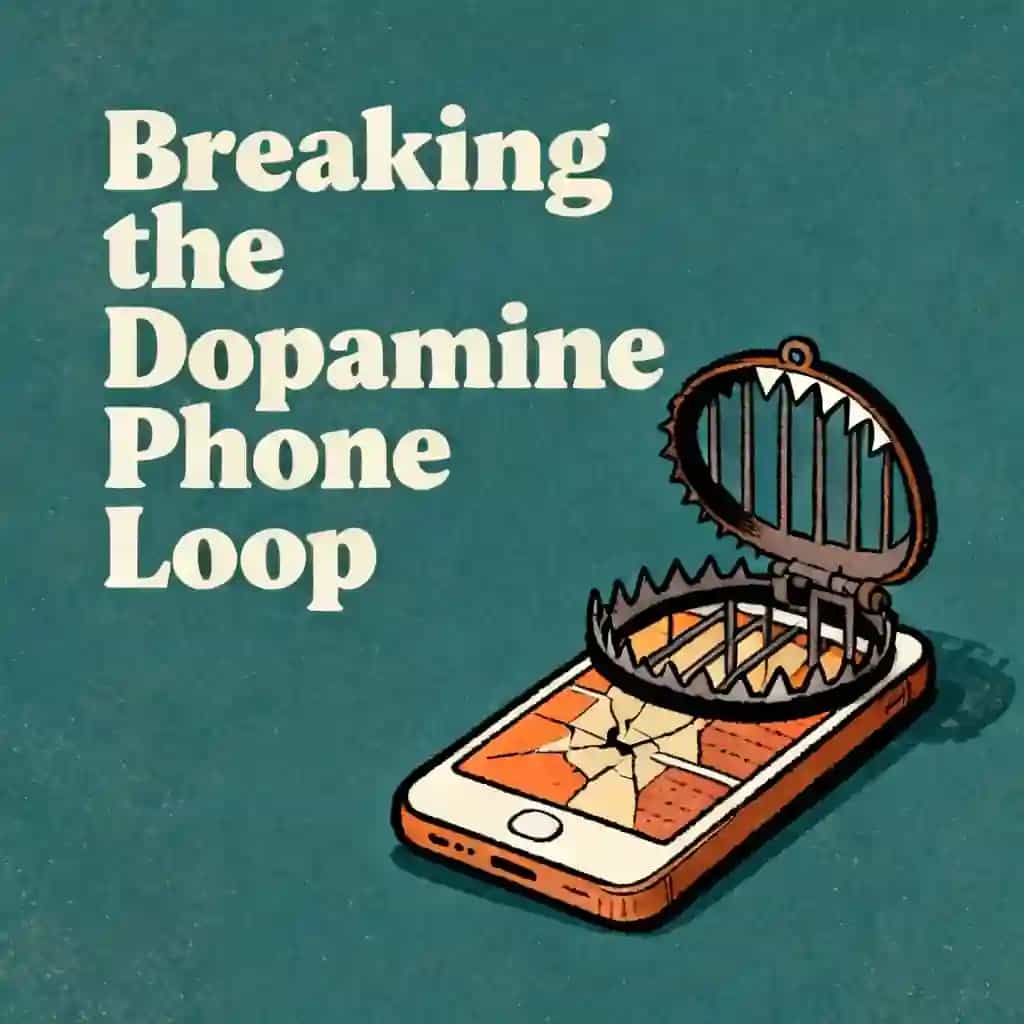
Struggling to put your phone down? Discover why your brain treats headlines like predators and how to reclaim your focus from the digital dopamine trap.

Лучшая цитата из Why doomscrolling is so hard to stop
We’re living in a world that treats our distress as a resource to be harvested. Every time we choose to look up, to breathe, and to connect with the physical world, we’re performing a small act of rebellion against that system.
Generated by Sam
Why can’t I stop doomscrolling?

Часто задаваемые вопросы
This behavior, often called "doomscrolling," is driven by biology rather than a simple lack of willpower. Your brain’s threat-detector, the amygdala, treats digital headlines about crises as if they were actual predators in the room, demanding your constant attention for survival. Additionally, social media platforms use a "variable ratio reinforcement schedule," similar to a slot machine. Because you never know if the next scroll will provide a "reward"—like a funny video or a helpful update—your brain stays hooked on the unpredictability, releasing dopamine during the anticipation of the next hit.
The "bottomless bowl" effect refers to the removal of "stopping cues" that traditionally told our brains when to stop consuming media, such as the end of a book chapter or the back page of a magazine. By using infinite scroll and autoplay features, apps eliminate the friction points that would normally allow your prefrontal cortex—the logical "CEO" of your brain—to decide if you actually want to continue. Much like a study where people ate more soup from bowls that secretly refilled, digital users consume significantly more content simply because the feed never ends.
Your nervous system does not distinguish between a physical threat and a digital one. When you consume high-stakes or alarming news, your body triggers a fight-or-flight response, leading to spiked cortisol levels, a tighter chest, and shallow breathing. This creates a state of "emotional whiplash" and hyper-vigilance. Over time, this overstimulation can lead to "reward deficiency syndrome," where your brain decreases its number of dopamine receptors, making real-life activities feel boring or unmotivating compared to the constant stimulation of a screen.
One effective strategy is "environmental design," such as switching your phone to grayscale mode to make the apps less visually rewarding. You can also restore "stopping cues" by using physical kitchen timers to limit your sessions or establishing "no-phone zones" in areas like the bedroom. To manage the physiological stress, you can use a "90-second reset" involving a physiological sigh—two quick inhales and one long exhale—to signal to your nervous system that you are safe. Finally, adopting an "Information Diet" by checking trusted news sources at specific times can help you stay informed without staying constantly activated.
Создано выпускниками Колумбийского университета в Сан-Франциско
"Instead of endless scrolling, I just hit play on BeFreed. It saves me so much time."


"I never knew where to start with nonfiction—BeFreed’s book lists turned into podcasts gave me a clear path."


"Perfect balance between learning and entertainment. Finished ‘Thinking, Fast and Slow’ on my commute this week."
"Crazy how much I learned while walking the dog. BeFreed = small habits → big gains."
"Reading used to feel like a chore. Now it’s just part of my lifestyle."

"Feels effortless compared to reading. I’ve finished 6 books this month already."
"BeFreed turned my guilty doomscrolling into something that feels productive and inspiring."

"BeFreed turned my commute into learning time. 20-min podcasts are perfect for finishing books I never had time for."
"BeFreed replaced my podcast queue. Imagine Spotify for books — that’s it. 🙌"

"It is great for me to learn something from the book without reading it."
"The themed book list podcasts help me connect ideas across authors—like a guided audio journey."
"Makes me feel smarter every time before going to work"
Создано выпускниками Колумбийского университета в Сан-Франциско
"Instead of endless scrolling, I just hit play on BeFreed. It saves me so much time."
"I never knew where to start with nonfiction—BeFreed’s book lists turned into podcasts gave me a clear path."
"Perfect balance between learning and entertainment. Finished ‘Thinking, Fast and Slow’ on my commute this week."
"Crazy how much I learned while walking the dog. BeFreed = small habits → big gains."
"Reading used to feel like a chore. Now it’s just part of my lifestyle."
"Feels effortless compared to reading. I’ve finished 6 books this month already."
"BeFreed turned my guilty doomscrolling into something that feels productive and inspiring."
"BeFreed turned my commute into learning time. 20-min podcasts are perfect for finishing books I never had time for."
"BeFreed replaced my podcast queue. Imagine Spotify for books — that’s it. 🙌"
"It is great for me to learn something from the book without reading it."
"The themed book list podcasts help me connect ideas across authors—like a guided audio journey."
"Makes me feel smarter every time before going to work"
"Instead of endless scrolling, I just hit play on BeFreed. It saves me so much time."
"I never knew where to start with nonfiction—BeFreed’s book lists turned into podcasts gave me a clear path."
"Perfect balance between learning and entertainment. Finished ‘Thinking, Fast and Slow’ on my commute this week."
"Crazy how much I learned while walking the dog. BeFreed = small habits → big gains."
"Reading used to feel like a chore. Now it’s just part of my lifestyle."
"Feels effortless compared to reading. I’ve finished 6 books this month already."
"BeFreed turned my guilty doomscrolling into something that feels productive and inspiring."
"BeFreed turned my commute into learning time. 20-min podcasts are perfect for finishing books I never had time for."
"BeFreed replaced my podcast queue. Imagine Spotify for books — that’s it. 🙌"
"It is great for me to learn something from the book without reading it."
"The themed book list podcasts help me connect ideas across authors—like a guided audio journey."
"Makes me feel smarter every time before going to work"
"Instead of endless scrolling, I just hit play on BeFreed. It saves me so much time."
"I never knew where to start with nonfiction—BeFreed’s book lists turned into podcasts gave me a clear path."
"Perfect balance between learning and entertainment. Finished ‘Thinking, Fast and Slow’ on my commute this week."
"Crazy how much I learned while walking the dog. BeFreed = small habits → big gains."
"Reading used to feel like a chore. Now it’s just part of my lifestyle."
"Feels effortless compared to reading. I’ve finished 6 books this month already."
"BeFreed turned my guilty doomscrolling into something that feels productive and inspiring."
"BeFreed turned my commute into learning time. 20-min podcasts are perfect for finishing books I never had time for."
"BeFreed replaced my podcast queue. Imagine Spotify for books — that’s it. 🙌"
"It is great for me to learn something from the book without reading it."
"The themed book list podcasts help me connect ideas across authors—like a guided audio journey."
"Makes me feel smarter every time before going to work"