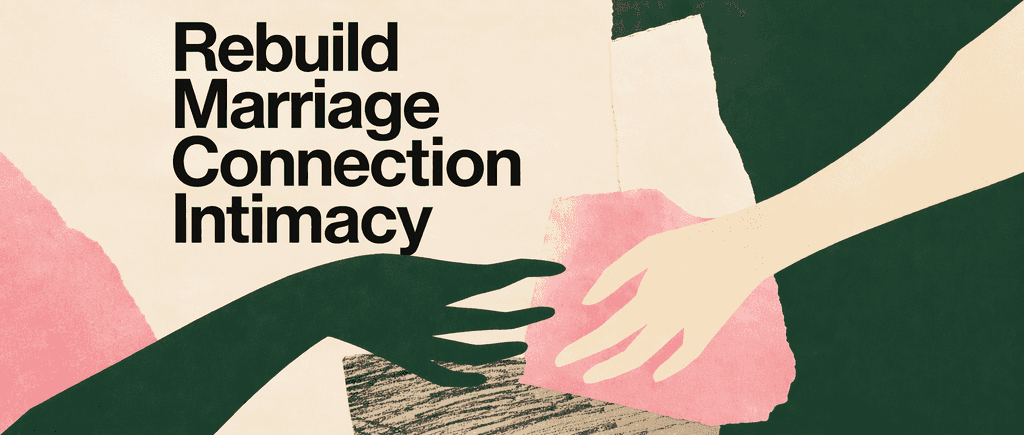
When you don't feel desirable to your partner
Feeling like roommates instead of lovers? Learn why sexual desire shifts over time and how to spark reconnection through touch and emotional intimacy.

Лучшая цитата из When you don't feel desirable to your partner
We mistake the stability of being 'chosen' for a lack of passion. Being chosen is actually deeper—it means you are seen, respected, and prioritized every single day, but because it lacks that frantic honeymoon urgency, we interpret the safety as boredom.
Generated by GOAT
I don’t think my partner finds me disirablev like he did



Часто задаваемые вопросы
Spontaneous desire is the "lightning bolt" feeling of arousal that happens out of nowhere, which is very common during the honeymoon phase of a relationship. In contrast, responsive desire means that a person might not feel "in the mood" until after physical touch or connection has already begun. Understanding this shift is crucial for long-term couples because it removes the pressure of waiting for a random spark and instead highlights how physical closeness can actually create the desire.
This transition often occurs because of a shift in brain chemistry and the accumulation of daily stressors. Early relationship passion is driven by a "chemical cocktail" of dopamine, while long-term bonding relies on "cuddle hormones" like oxytocin, which can feel less urgent. When couples stop engaging in deep conversation and limit their interactions to logistical "transactional" talk—like chores and schedules—they unintentionally neglect their emotional bond and fall into a routine of parallel lives.
When one partner feels undesirable or rejected, touch often becomes a source of tension because it is seen as a "demand" for sex. "Safe touch" involves physical contact with no underlying agenda, such as holding hands, a back rub, or a six-second kiss. By practicing affection without the expectation of it leading to the bedroom, couples can retrain their nervous systems to view touch as a source of comfort and safety rather than a performance requirement.
Bids for connection are small, everyday invitations for attention or interaction, such as pointing out a bird or sighing after a long day. According to relationship research, "turning toward" these bids by acknowledging them builds up an emotional bank account. If these small moments are consistently ignored or "turned away" from, the emotional account hits zero, which eventually leads to a decline in physical desire and a feeling of being disconnected.
Создано выпускниками Колумбийского университета в Сан-Франциско
"Instead of endless scrolling, I just hit play on BeFreed. It saves me so much time."


"I never knew where to start with nonfiction—BeFreed’s book lists turned into podcasts gave me a clear path."


"Perfect balance between learning and entertainment. Finished ‘Thinking, Fast and Slow’ on my commute this week."
"Crazy how much I learned while walking the dog. BeFreed = small habits → big gains."
"Reading used to feel like a chore. Now it’s just part of my lifestyle."

"Feels effortless compared to reading. I’ve finished 6 books this month already."
"BeFreed turned my guilty doomscrolling into something that feels productive and inspiring."

"BeFreed turned my commute into learning time. 20-min podcasts are perfect for finishing books I never had time for."
"BeFreed replaced my podcast queue. Imagine Spotify for books — that’s it. 🙌"

"It is great for me to learn something from the book without reading it."
"The themed book list podcasts help me connect ideas across authors—like a guided audio journey."
"Makes me feel smarter every time before going to work"
 Ask ChatGPT
 Ask Claude
Создано выпускниками Колумбийского университета в Сан-Франциско
"Instead of endless scrolling, I just hit play on BeFreed. It saves me so much time."
"I never knew where to start with nonfiction—BeFreed’s book lists turned into podcasts gave me a clear path."
"Perfect balance between learning and entertainment. Finished ‘Thinking, Fast and Slow’ on my commute this week."
"Crazy how much I learned while walking the dog. BeFreed = small habits → big gains."
"Reading used to feel like a chore. Now it’s just part of my lifestyle."
"Feels effortless compared to reading. I’ve finished 6 books this month already."
"BeFreed turned my guilty doomscrolling into something that feels productive and inspiring."
"BeFreed turned my commute into learning time. 20-min podcasts are perfect for finishing books I never had time for."
"BeFreed replaced my podcast queue. Imagine Spotify for books — that’s it. 🙌"
"It is great for me to learn something from the book without reading it."
"The themed book list podcasts help me connect ideas across authors—like a guided audio journey."
"Makes me feel smarter every time before going to work"
"Instead of endless scrolling, I just hit play on BeFreed. It saves me so much time."
"I never knew where to start with nonfiction—BeFreed’s book lists turned into podcasts gave me a clear path."
"Perfect balance between learning and entertainment. Finished ‘Thinking, Fast and Slow’ on my commute this week."
"Crazy how much I learned while walking the dog. BeFreed = small habits → big gains."
"Reading used to feel like a chore. Now it’s just part of my lifestyle."
"Feels effortless compared to reading. I’ve finished 6 books this month already."
"BeFreed turned my guilty doomscrolling into something that feels productive and inspiring."
"BeFreed turned my commute into learning time. 20-min podcasts are perfect for finishing books I never had time for."
"BeFreed replaced my podcast queue. Imagine Spotify for books — that’s it. 🙌"
"It is great for me to learn something from the book without reading it."
"The themed book list podcasts help me connect ideas across authors—like a guided audio journey."
"Makes me feel smarter every time before going to work"
"Instead of endless scrolling, I just hit play on BeFreed. It saves me so much time."
"I never knew where to start with nonfiction—BeFreed’s book lists turned into podcasts gave me a clear path."
"Perfect balance between learning and entertainment. Finished ‘Thinking, Fast and Slow’ on my commute this week."
"Crazy how much I learned while walking the dog. BeFreed = small habits → big gains."
"Reading used to feel like a chore. Now it’s just part of my lifestyle."
"Feels effortless compared to reading. I’ve finished 6 books this month already."
"BeFreed turned my guilty doomscrolling into something that feels productive and inspiring."
"BeFreed turned my commute into learning time. 20-min podcasts are perfect for finishing books I never had time for."
"BeFreed replaced my podcast queue. Imagine Spotify for books — that’s it. 🙌"
"It is great for me to learn something from the book without reading it."
"The themed book list podcasts help me connect ideas across authors—like a guided audio journey."
"Makes me feel smarter every time before going to work"