What Overthinking Is Trying to Tell You
Stuck in a 3 a.m. loop? Discover why your brain uses overthinking as a survival strategy and how to move from mental spirals to true nervous system safety.
Лучшая цитата из What Overthinking Is Trying to Tell You
Overthinking is just thinking without the action; it’s a survival strategy where your brain uses a fake sense of control in exchange for your actual peace.
Generated with BeFreed
What Overthinking Is Trying to Tell You






Часто задаваемые вопросы
Overthinking is not classified as a formal mental illness or a diagnostic "Overthinking Disorder." Instead, it is a neurobiological response and a symptom of a nervous system that does not feel safe. While it is a daily reality for a large majority of young adults, it is better understood as a survival strategy or a form of hypervigilance rather than a character flaw or a clinical glitch.
Your brain acts like a 24-hour security guard that uses overthinking to protect you from perceived threats. This behavior often stems from past experiences where you learned that being "two steps ahead" was the only way to stay safe. When your nervous system is on high alert, your logical mind creates "what-if" scenarios to explain your internal feelings of edge, essentially using your intelligence as armor to prevent future disappointment or rejection.
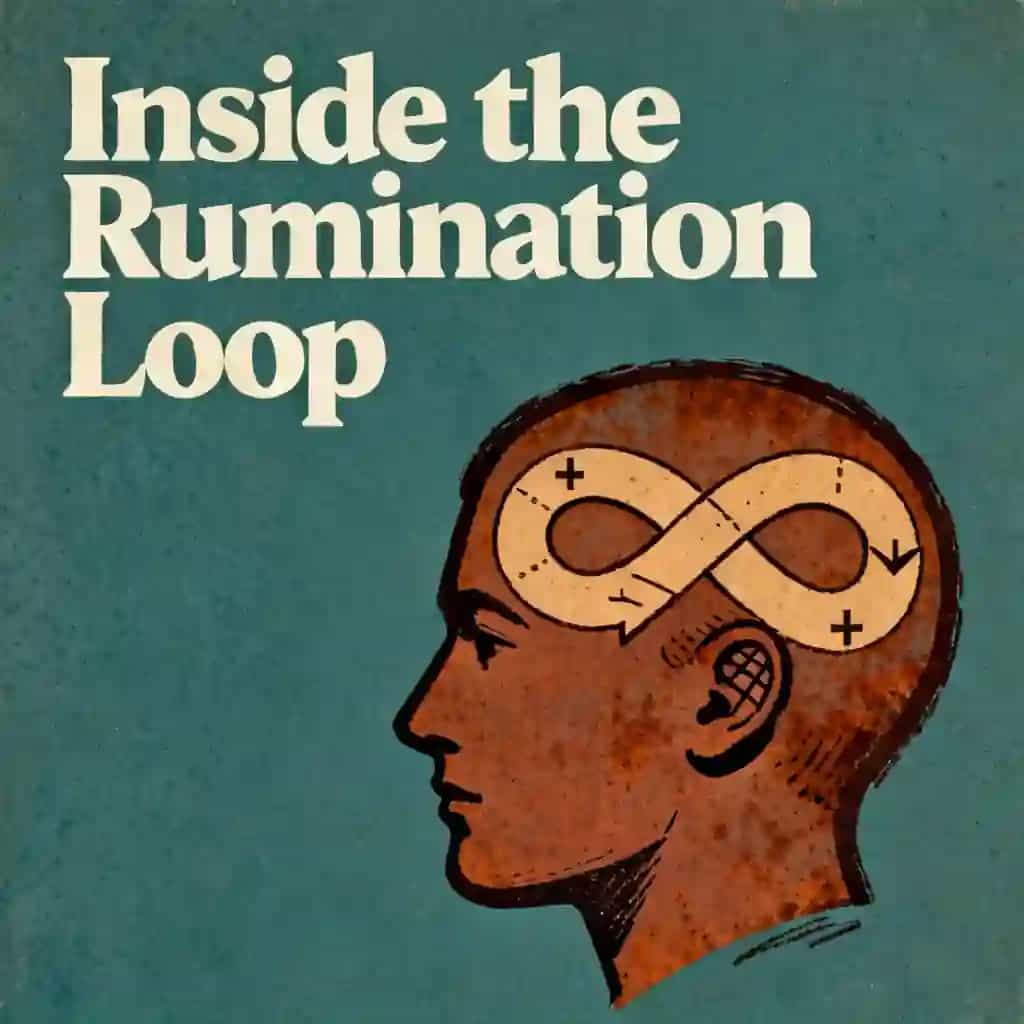
The primary difference lies in the outcome and the presence of action. Problem-solving is a linear process with an end goal where you identify an issue, take a specific action, and then move on. Overthinking is repetitive thinking without any accompanying action; it is a loop that never closes because its true goal is to soothe an anxious nervous system rather than to resolve a practical problem.
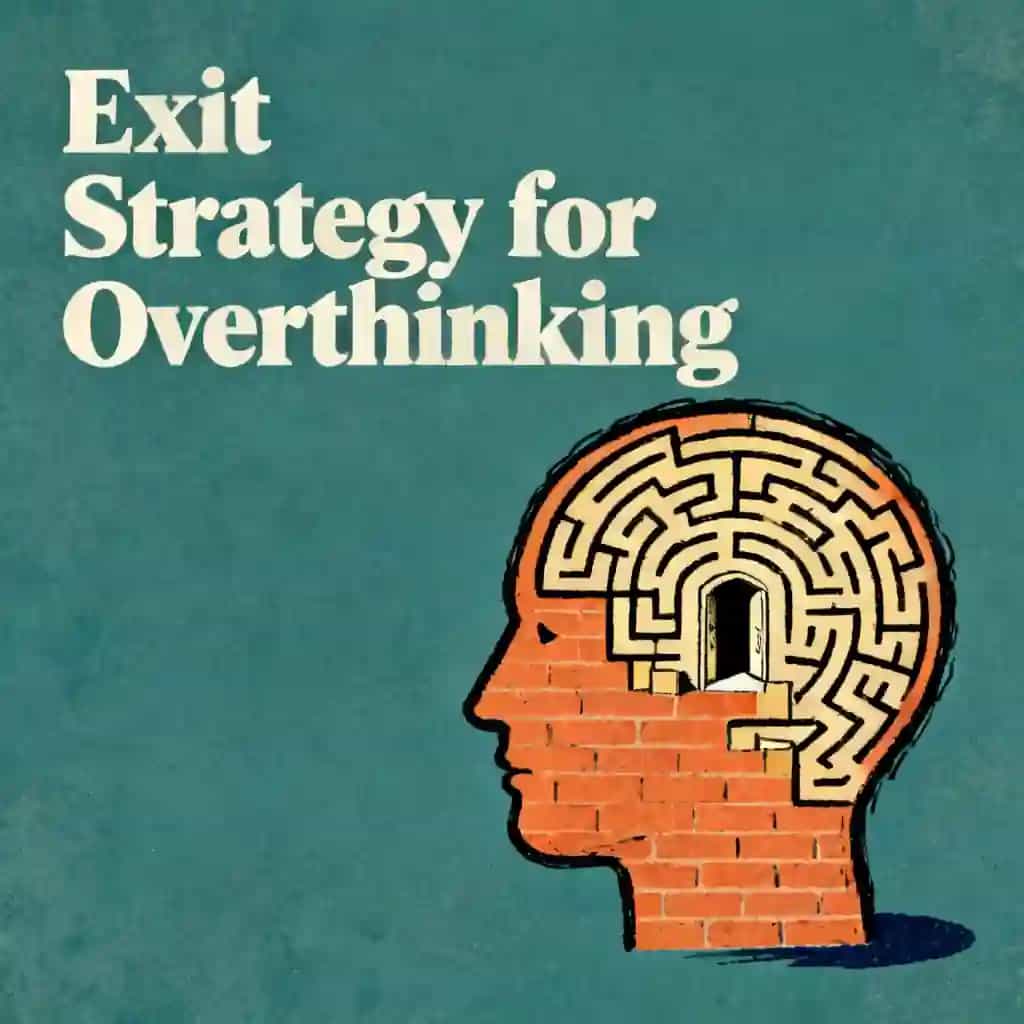
Since you cannot reason your way out of a survival response, you should focus on grounding your nervous system through physical sensations, such as focusing on your breath or touching textured objects. Other effective strategies include writing your thoughts down to create distance between yourself and the "data," and avoiding the urge to seek constant reassurance from others, which can reinforce the idea that you cannot trust your own judgment.
Many driven individuals find that overthinking actually helps them succeed professionally because it makes them appear thorough and detail-oriented. This "anticipatory anxiety" allows them to predict and prevent problems at work, but it comes at the cost of chronic cognitive overload. These individuals often become so identified with being a "planner" or "worrier" that they feel vulnerable or unsafe when they aren't actively scanning for potential disasters.
Создано выпускниками Колумбийского университета в Сан-Франциско
"Instead of endless scrolling, I just hit play on BeFreed. It saves me so much time."


"I never knew where to start with nonfiction—BeFreed’s book lists turned into podcasts gave me a clear path."


"Perfect balance between learning and entertainment. Finished ‘Thinking, Fast and Slow’ on my commute this week."
"Crazy how much I learned while walking the dog. BeFreed = small habits → big gains."
"Reading used to feel like a chore. Now it’s just part of my lifestyle."

"Feels effortless compared to reading. I’ve finished 6 books this month already."
"BeFreed turned my guilty doomscrolling into something that feels productive and inspiring."

"BeFreed turned my commute into learning time. 20-min podcasts are perfect for finishing books I never had time for."
"BeFreed replaced my podcast queue. Imagine Spotify for books — that’s it. 🙌"

"It is great for me to learn something from the book without reading it."
"The themed book list podcasts help me connect ideas across authors—like a guided audio journey."
"Makes me feel smarter every time before going to work"
Создано выпускниками Колумбийского университета в Сан-Франциско
"Instead of endless scrolling, I just hit play on BeFreed. It saves me so much time."
"I never knew where to start with nonfiction—BeFreed’s book lists turned into podcasts gave me a clear path."
"Perfect balance between learning and entertainment. Finished ‘Thinking, Fast and Slow’ on my commute this week."
"Crazy how much I learned while walking the dog. BeFreed = small habits → big gains."
"Reading used to feel like a chore. Now it’s just part of my lifestyle."
"Feels effortless compared to reading. I’ve finished 6 books this month already."
"BeFreed turned my guilty doomscrolling into something that feels productive and inspiring."
"BeFreed turned my commute into learning time. 20-min podcasts are perfect for finishing books I never had time for."
"BeFreed replaced my podcast queue. Imagine Spotify for books — that’s it. 🙌"
"It is great for me to learn something from the book without reading it."
"The themed book list podcasts help me connect ideas across authors—like a guided audio journey."
"Makes me feel smarter every time before going to work"
"Instead of endless scrolling, I just hit play on BeFreed. It saves me so much time."
"I never knew where to start with nonfiction—BeFreed’s book lists turned into podcasts gave me a clear path."
"Perfect balance between learning and entertainment. Finished ‘Thinking, Fast and Slow’ on my commute this week."
"Crazy how much I learned while walking the dog. BeFreed = small habits → big gains."
"Reading used to feel like a chore. Now it’s just part of my lifestyle."
"Feels effortless compared to reading. I’ve finished 6 books this month already."
"BeFreed turned my guilty doomscrolling into something that feels productive and inspiring."
"BeFreed turned my commute into learning time. 20-min podcasts are perfect for finishing books I never had time for."
"BeFreed replaced my podcast queue. Imagine Spotify for books — that’s it. 🙌"
"It is great for me to learn something from the book without reading it."
"The themed book list podcasts help me connect ideas across authors—like a guided audio journey."
"Makes me feel smarter every time before going to work"
"Instead of endless scrolling, I just hit play on BeFreed. It saves me so much time."
"I never knew where to start with nonfiction—BeFreed’s book lists turned into podcasts gave me a clear path."
"Perfect balance between learning and entertainment. Finished ‘Thinking, Fast and Slow’ on my commute this week."
"Crazy how much I learned while walking the dog. BeFreed = small habits → big gains."
"Reading used to feel like a chore. Now it’s just part of my lifestyle."
"Feels effortless compared to reading. I’ve finished 6 books this month already."
"BeFreed turned my guilty doomscrolling into something that feels productive and inspiring."
"BeFreed turned my commute into learning time. 20-min podcasts are perfect for finishing books I never had time for."
"BeFreed replaced my podcast queue. Imagine Spotify for books — that’s it. 🙌"
"It is great for me to learn something from the book without reading it."
"The themed book list podcasts help me connect ideas across authors—like a guided audio journey."
"Makes me feel smarter every time before going to work"